If you want to catch more fish and enjoy your time on the water, learning how to fish with plastic lures is a game-changer. These lures are versatile, easy to use, and can mimic real bait in a way that fish find irresistible.
Whether you’re a beginner or looking to improve your technique, this guide will show you simple tricks to make your plastic lures work harder for you. Ready to boost your fishing success? Keep reading, and you’ll discover tips that can turn your next fishing trip into a memorable catch.

Credit: www.youtube.com
Choosing The Right Plastic Lures
Using plastic lures is a popular way to catch fish. Picking the right lure helps you catch more fish. You need to know about types, colors, and sizes.
Different fish like different kinds of plastic lures. Learning how to choose the right one improves your fishing success.
Types Of Plastic Lures
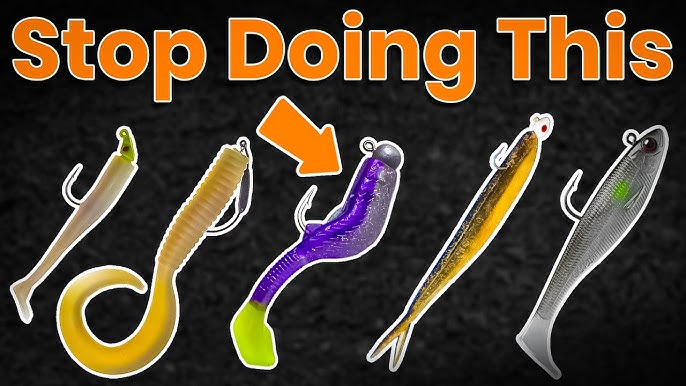
There are many types of plastic lures. Each type moves differently in the water. This attracts different fish.
- Worms: Look like real worms and move slowly.
- Grubs: Small with curly tails that wiggle fast.
- Swimbaits: Imitate small fish and swim naturally.
- Creature Baits: Have many legs or arms to create movement.
- Flukes: Thin and flat, good for darting action.
Matching Lures To Fish Species
Different fish prefer different lures. Choose lures that look like the fish’s natural food. This helps attract the fish.
For bass, use worms and creature baits. For trout, smaller grubs and swimbaits work well. Pike like larger swimbaits and flukes.
- Bass: Worms, creature baits
- Trout: Small grubs, swimbaits
- Pike: Large swimbaits, flukes
- Walleye: Worms, soft jerkbaits
Color And Size Selection
Color and size affect how fish see the lure. Pick colors that stand out in the water you fish in. Bright colors work well in cloudy water. Natural colors suit clear water.
Use smaller lures for small fish and bigger lures for bigger fish. Matching the size to the fish’s food makes the lure more effective.
- Clear Water: Use natural colors like green, brown, or silver.
- Cloudy Water: Use bright colors like chartreuse, orange, or white.
- Small Fish: Use lures 2-3 inches long.
- Large Fish: Use lures 4 inches or longer.
Setting Up Your Gear
Fishing with plastic lures needs the right setup. Good gear helps you catch more fish. It also makes fishing fun and easy.
This guide covers rod and reel choices, line and leader tips, and rigging plastic lures properly.
Rod And Reel Choices
Choose a rod and reel that match the fish you want. Light or medium rods work well with plastic lures. Spinning reels are easy to use and common for this fishing style.
- Use a 6 to 7-foot rod for better control.
- Pick a reel with smooth drag to protect your line.
- Match reel size to the rod strength for balance.
- Choose a reel that holds enough line for your fishing area.
Line And Leader Tips
Line and leaders are key to fishing success. Use a line that suits the lure size and water clarity. Fluorocarbon leaders are good because they are hard to see underwater.
| Type | Strength | Best Use |
| Monofilament | 6-12 lb | Clear water, easy casting |
| Fluorocarbon | 8-15 lb | Low visibility, abrasion resistance |
| Braid | 20-30 lb | Heavy cover, long casts |
Rigging Plastic Lures
Proper rigging helps your lure move naturally. It also keeps your lure secure on the hook. There are several ways to rig plastic lures depending on the fish and water.
- Texas rig: hides the hook for weedless fishing.
- Carolina rig: lets the lure move freely on the bottom.
- Wacky rig: hooks the lure in the middle for slow action.
- Drop shot rig: suspends the lure off the bottom for finesse fishing.
Techniques For Casting And Retrieval
Fishing with plastic lures can be exciting. Learning the right casting and retrieval techniques is key.
In this guide, we will explore how to cast accurately and retrieve your lure with various techniques.
Casting Tips For Accuracy
Accurate casting helps you reach target areas where fish are likely hiding.
- Keep your eye on the target and align your body.
- Use a smooth motion and release at the right moment.
- Practice in open spaces to improve your aim.
Effective Retrieval Speeds
Retrieval speed can affect how fish perceive your lure. Varying speeds can attract different types of fish.
| Speed | Target Fish |
| Slow | Bass |
| Moderate | Trout |
| Fast | Pike |
Using Jerks And Pauses
Jerks and pauses make your lure mimic real prey. Fish are more likely to bite when your lure seems alive.

Credit: www.lurenet.com
Reading Water And Fish Behavior
Fishing with plastic lures needs more than just casting your line. Understanding water and fish behavior improves your chances to catch fish.
Fish move and feed based on many factors in their habitat. Learning to read these signs helps you choose the best spots and techniques.
Spotting Fish Habitats
Look for places where fish like to hide and feed. These areas usually have structure, food, and proper water conditions.
- Near rocks and submerged logs
- Close to weed beds and aquatic plants
- At drop-offs or changes in water depth
- Where currents meet or slow down
- Near inflows of streams or rivers
Adapting To Weather And Water Conditions
Fish react to weather changes and water temperature. Adjust your fishing methods to match these conditions for better results.
| Condition | Effect on Fish | Tip for Fishing |
| Sunny and Warm | Fish stay deeper or in shade | Use slow retrieves near structures |
| Cloudy or Overcast | Fish are more active near surface | Try faster lure action in open water |
| After Rain | Water is murky; fish feed near banks | Use bright-colored lures with vibration |
| Cold Water | Fish slow down and eat less | Use smaller lures and slow movements |
Timing Your Fishing Trips
Fish feed at certain times of the day. Knowing the best times helps you catch more fish with plastic lures.
- Early morning when water is cool
- Late afternoon before sunset
- During rising or falling tides for saltwater fishing
- When insects or baitfish are active
- Just before or after a weather change
Troubleshooting Common Issues
Fishing with plastic lures can be fun but tricky. You may face problems like snags, damage, or low strikes. Fixing these issues helps catch more fish.
Here are tips to handle common problems when using plastic lures. These tips will improve your fishing experience.
Avoiding Snags And Tangles
Snags and tangles waste time and can break your lure. To avoid them, keep your line tight and watch your cast direction.
Use weedless hooks or lures designed to slide through vegetation. Cast near open water spots to reduce snags.
- Keep line tight to feel and avoid obstacles
- Choose weedless lures for thick cover
- Cast away from heavy weeds or rocks
- Check your line often for twists and knots
Dealing With Soft Lure Damage
Soft plastic lures can tear or lose shape after many casts or bites. This lowers their action and attraction to fish.
Replace damaged lures quickly or carry spare ones. Store lures properly to keep them soft and ready.
- Check lures after each use for tears or holes
- Keep lures in a cool, dry place
- Use lure protectors or cases to avoid damage
- Rotate lures to extend their life
Adjusting Techniques For Better Strikes
Changing how you use plastic lures can increase fish bites. Try different speeds and movements to find what works.
Pause your retrieve or add small twitches. Fish may react better to varied actions.
- Vary your reel speed: slow, medium, fast
- Add pauses to mimic injured prey
- Twitch the rod tip to make the lure move
- Change lure depth by adjusting your cast or line length

Credit: www.si.com
Advanced Tips For Big Catches
Fishing with plastic lures can catch big fish if you use the right techniques. Small changes help attract larger fish.
These tips focus on how to improve your chances of catching trophy fish using plastic lures.
Using Scent And Attractants
Adding scent to plastic lures makes fish notice them more. Fish use smell to find food in murky water.
Use fish attractant gels or sprays on your lures. Reapply often to keep the scent strong.
- Choose scents that match local baitfish or prey
- Use scent attractants that last long in water
- Apply scent just before casting
- Combine scent with lure movement for best effect
Targeting Trophy Fish
Big fish behave differently than smaller ones. They often hide in deeper or shaded areas.
Use larger plastic lures and slow your retrieve to imitate big prey. Be patient and wait for the strike.
- Fish near structures like rocks, logs, or weed beds
- Use heavy tackle for better control of big fish
- Choose lures that match the size of local prey
- Cast beyond the target area and reel in slowly
Seasonal Strategies
Fish behavior changes with the seasons. Adjust your lure choice and fishing times accordingly.
In spring, fish are active and look for food near shallow waters. In summer, deeper cool areas are better spots.
- Spring: Use bright-colored lures and fish in shallow waters
- Summer: Choose natural colors and fish early or late in the day
- Fall: Use slower retrieves and fish near drop-offs
- Winter: Use small, slow-moving lures in deeper water
Frequently Asked Questions
What Are The Best Plastic Lures For Beginners?
Soft plastic worms and grubs are great for beginners. They are versatile, easy to rig, and attract many fish species. Start with natural colors like green or brown for freshwater fishing.
How To Rig Plastic Lures For Fishing?
Common rigs include Texas, Carolina, and drop shot. Choose based on water depth and fish behavior. Proper rigging improves lure action and increases catch chances.
When Is The Best Time To Fish With Plastic Lures?
Early morning and late afternoon offer low light, encouraging fish to bite. Overcast days can also increase plastic lure effectiveness. Fish are more active during these periods.
How To Make Plastic Lures More Effective?
Add scent or dip attractants to your lure. Vary retrieval speed and use pauses to mimic real prey. Experiment with colors and sizes for different conditions.
Conclusion
Plastic lures can help catch many fish types. Choose the right lure size and color. Cast your line with steady, slow movements. Watch how fish react and adjust your technique. Practice often to improve your skills. Enjoy the calm and fun of fishing outdoors.
Keep trying; patience often brings the best results. Fishing with plastic lures can be simple and rewarding. Stay safe and respect nature while you fish.