If you want to catch more fish and enjoy your time on the water, learning how to fish with soft plastic lures is a game-changer. These lures look and move like real bait, making them irresistible to fish.
But knowing which ones to use and how to fish them right can make all the difference. You’ll discover simple tips and techniques that will boost your fishing success. Ready to take your fishing to the next level? Keep reading and start reeling in bigger catches today.
Choosing The Right Soft Plastic Lures
Soft plastic lures are popular for fishing because they look and move like real bait. Choosing the right lure can help you catch more fish. Different lures work better for different fish and water conditions.
Understanding the types of soft plastic lures, matching them to fish species, and picking the right colors and sizes will improve your chances. Let’s explore these key points.
Types Of Soft Plastic Lures
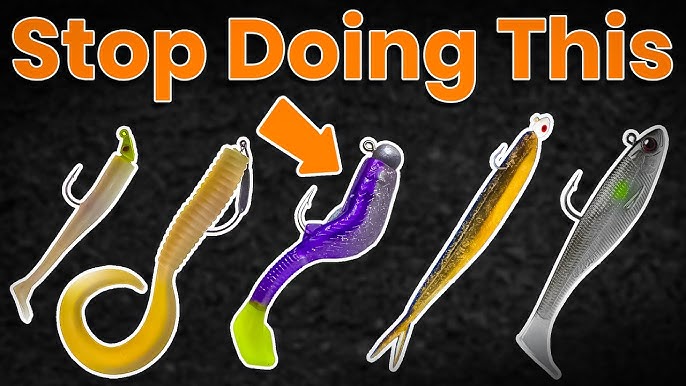
There are many soft plastic lures, each designed to imitate certain prey. Some common types include worms, grubs, creatures, and swimbaits. Each has a unique shape and action in water.
- Worms:Long and slender, good for many fish.
- Grubs:Small with curly tails, great for panfish and bass.
- Creatures:Imitate crawfish or bugs, attract bass.
- Swimbaits:Look like small fish and swim naturally.
Matching Lures To Fish Species
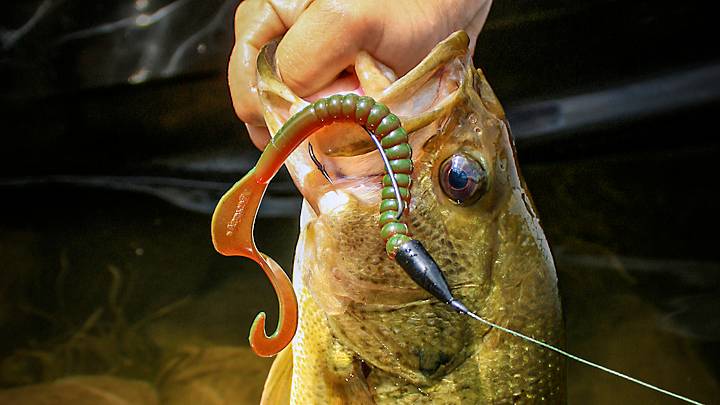
Different fish prefer different types of prey. Knowing what each species eats helps you pick the right lure. For example, bass often eat crawfish and small fish, while panfish like worms and grubs.
| Fish Species | Preferred Soft Plastic Lures |
| Bass | Creatures, worms, swimbaits |
| Panfish | Grubs, small worms |
| Walleye | Worms, minnows |
| Trout | Small worms, grubs, swimbaits |
Selecting Colors And Sizes
Color and size affect how fish see your lure. Bright colors work well in murky water. Natural colors are best in clear water. The size should match the fish’s usual prey.
- Use dark colors like black or purple on cloudy days.
- Try light colors like white or chartreuse on sunny days.
- Match lure size to local baitfish or insects.
- Smaller lures attract small fish; bigger lures attract large fish.
Essential Gear For Soft Plastic Fishing
Fishing with soft plastic lures needs the right tools. Picking good gear helps you catch more fish. This guide covers key gear for soft plastic fishing.
Learn about rods and reels, line types, and hooks and weights. Each part matters for a better fishing experience.
Rod And Reel Options
Choose a rod with medium to medium-heavy power. A fast action rod helps control soft plastic lures. Spinning reels work well for beginners. Baitcasting reels give more control for skilled anglers.
Line Types And Strength
- Fluorocarbon lines are good because they are less visible underwater.
- Monofilament lines stretch more and help with soft lure action.
- Braid lines have no stretch and offer high strength in thin diameters.
- Use 8 to 15-pound test line for most soft plastic fishing.
- Choose line strength based on fish size and water conditions.
Hooks And Weights
| Type | Purpose | Size Range |
| Offset Worm Hooks | Hold soft plastics firmly | 2/0 to 4/0 |
| Texas Rig Weights | Help sink lure and avoid snags | 1/8 to 1/2 ounce |
| Jig Heads | Add weight and hook in one | 1/16 to 1/4 ounce |
| Swim Jig Hooks | For swimming action lures | 3/0 to 5/0 |
Rigging Techniques
Fishing with soft plastic lures can be effective and fun. Knowing the right rigging techniques makes a big difference.
Let’s explore different setups to help you catch more fish. Each technique has its unique advantages.
Texas Rig Setup
The Texas rig is popular for fishing in heavy cover. It helps prevent snagging on weeds and rocks.
- Soft plastic lure
- Bullet weight
- Offset worm hook
Carolina Rig Setup
Use the Carolina rig for deep water fishing. It allows the bait to move freely and attract fish.
| Component | Description |
| Soft plastic lure | Attracts fish |
| Bead | Protects knot |
| Swivel | Prevents line twist |
| Egg sinker | Helps reach deeper water |
Drop Shot Rig Setup
The drop shot rig is great for precise depth control. It works well in clear waters.
- Tie a hook to the line, leaving a long tag end.
- Attach a soft plastic lure to the hook.
- Attach a weight to the end of the line.
Wacky Rig Setup
The wacky rig is simple and effective for bass fishing. It lets the lure wiggle naturally.
- Insert hook through the middle of the soft plastic worm.
- Cast near structures where fish hide.
- Let the lure sink and twitch it occasionally.

Credit: www.lurenet.com
Casting And Retrieval Methods
Soft plastic lures work well for many fishing styles. How you cast and retrieve them affects your catch.
Different retrieval techniques can mimic natural bait movements. This helps attract fish and trigger strikes.
Slow And Steady Retrieve
This technique means reeling in your lure slowly and evenly. It imitates a wounded or slow-moving baitfish.
Use this method when fish seem calm or less active. It works well in clear water or cold conditions.
Jerking And Twitching
Jerking the rod tip makes the lure dart erratically. Twitching adds small, quick movements to the lure.
This action looks like a baitfish trying to escape. It can trigger aggressive strikes from nearby fish.
Dragging And Hopping
Drag the lure slowly along the bottom by gently pulling your rod. Hopping means lifting the lure off the bottom in short bursts.
These moves mimic bottom creatures or injured prey. Use this near structures or rocky areas where fish hide.
Pausing For Strikes
After a few pulls, stop reeling and hold the lure still. Fish often strike during the pause, thinking the bait is resting.
Try different pause lengths. Watch your line carefully for bites during this time.
Finding The Best Fishing Spots
Fishing with soft plastic lures works best when you choose the right spots. Knowing where fish like to stay helps you catch more.
Finding good fishing spots means understanding fish habits and the water around you. This guide shows how to spot the best places.
Identifying Fish Habitats
Fish live in places that offer food and shelter. Look for areas with plants, rocks, or fallen trees where fish hide.
Soft plastic lures work well near these spots because fish often wait there to catch prey. Find shallow bays or deep holes.
- Vegetation like weed beds or lily pads
- Rocky areas and underwater structures
- Drop-offs and deep holes
- Near docks and fallen trees
Reading Water Conditions
Clear or murky water changes how fish see your lure. Watch the water color and flow before you cast.
Soft plastics work differently in calm or moving water. Look for slow currents or places where water changes speed.
- Clear water means use natural colors
- Cloudy water calls for bright or dark lures
- Fish near slow currents or edges of fast water
- Check for temperature changes in the water
Timing Your Fishing Trips
Fish feed more at certain times of the day. Early morning and late afternoon usually bring the best bites.
Weather and seasons also affect fish behavior. Plan your trips when fish are most active and hungry.
- Fish more at dawn and dusk
- Avoid fishing in midday heat
- Check weather for stable conditions
- Spring and fall are good seasons for soft plastics
Troubleshooting Common Challenges
Fishing with soft plastic lures can be fun but tricky. You might face problems like snags, unclear water, or bad weather. Knowing how to handle these issues helps you catch more fish.
This guide shows ways to deal with common challenges. Each tip is easy to follow and works well for beginners and experts alike.
Dealing With Snags And Tangles
Soft plastic lures often get stuck on rocks, weeds, or branches. Snags slow your fishing and can damage your lure. You need to be patient and use the right methods to avoid or fix these problems.
- Use a weedless hook to reduce snags.
- Cast near open water rather than thick cover.
- When snagged, gently pull or wiggle the lure to free it.
- Try a different lure shape if you keep getting stuck.
- Check your line for tangles before casting again.
Adjusting For Water Clarity
Water clarity changes how fish see your lure. Clear water makes fish cautious. Murky water hides your lure but can make fish more aggressive. You must pick colors and sizes that fit the water condition.
| Water Clarity | Recommended Lure Color | Action Tips |
| Clear | Natural colors like green or brown | Use slow, natural movements |
| Stained | Bright colors like chartreuse or orange | Use moderate speed with pauses |
| Murky | Dark colors like black or blue | Use fast, sharp movements |
Handling Weather Changes
Weather affects fish behavior and lure action. Wind, rain, and sunlight change how fish hunt. Adjust your lure choice and fishing style to fit the weather.
Try these tips for common weather conditions:
- Windy:Use heavier lures to cast well.
- Rainy:Fish stay active; use bright lures.
- Sunny:Fish hide; use natural colors and slow retrieve.
- Overcast:Fish roam more; try varied lure speeds.
Advanced Tips For Experienced Anglers
Fishing with soft plastic lures requires skill and knowledge. Experienced anglers use special techniques to catch more fish.
This guide shares advanced tips to improve your fishing with soft plastics. Focus on customizing lures, using electronics, and seasonal strategies.
Customizing Lures
Changing soft plastic lures can make them more effective. Small tweaks help match the lure to local fish behavior.
Try trimming tails or adding scent to increase attraction. You can also combine different colors or shapes for unique effects.
- Cut the tail shorter for faster movements
- Add scent or attractant for better fish interest
- Mix colors to mimic local baitfish
- Use heavier or lighter jig heads to change depth
Using Electronics For Detection
Electronics help find fish and understand their behavior. Use fish finders and sonar to locate schools and structure.
Adjust your lure presentation based on electronic readings. For example, change depth or speed when fish are near the bottom.
- Use sonar to identify fish depth and movement
- Mark underwater structures to target hiding spots
- Adjust lure retrieval speed based on fish activity
- Track water temperature to find active fish zones
Seasonal Strategies
Fish behavior changes with seasons. Adjust your soft plastic lure choices and techniques accordingly.
In spring, use brighter colors and slower retrieves. In summer, focus on deeper water and natural colors. Fall calls for faster action and darker tones.
| Season | Lure Colors | Retrieve Style | Depth |
|---|---|---|---|
| Spring | Bright and natural | Slow and steady | Shallow to mid-depth |
| Summer | Natural and dark | Moderate speed | Mid to deep |
| Fall | Darker and contrasting | Fast and erratic | Shallow to mid-depth |
| Winter | Natural and subtle | Very slow | Deep |
Credit: www.si.com

Credit: www.youtube.com
Frequently Asked Questions
What Are The Best Soft Plastic Lures For Beginners?
Soft plastic worms and grubs are ideal for beginners. They are versatile, easy to rig, and effective for various fish species. Start with natural colors like green or brown to mimic real baitfish or worms.
How Do I Rig Soft Plastic Lures Correctly?
Use a hook that matches the lure size. Common rigs include Texas, Carolina, and drop shot. Proper rigging ensures natural movement and improves hook-up rates. Always check for snag-free setups.
What Retrieval Techniques Work Best With Soft Plastics?
Slow, steady retrieves mimic injured prey and attract fish. Vary speed and add pauses or twitches to trigger strikes. Experiment with different motions to find what works in your fishing spot.
When Is The Best Time To Fish With Soft Plastic Lures?
Early mornings and late afternoons are prime times. Fish are more active in low light and cooler temperatures. Overcast days also improve soft plastic lure effectiveness.
Conclusion
Soft plastic lures offer great fun and success in fishing. Use the right size and color for the fish you want to catch. Cast your lure gently and vary your retrieve speed to attract bites. Watch the water carefully and adjust your technique as needed.
Practice patience—fish often need time to bite. Enjoy the process and learn from each fishing trip. Soft plastics make fishing more exciting and give you many chances to catch fish. Keep trying, and your skills will grow with every cast.