If you want to catch more fish and enjoy your time on the water, learning how to fish with soft plastic lures is a game-changer. These lures can mimic real bait perfectly, making fish more likely to bite.
But using them the right way takes a little know-how. You’ll discover simple tips and tricks that can turn your soft plastic lures into a fish magnet. Get ready to boost your fishing skills and bring in bigger, better catches every time you cast.
Keep reading—you won’t want to miss what’s next.

Credit: www.youtube.com
Choosing Soft Plastic Lures
Soft plastic lures are popular for fishing because they look real and move well. Picking the right lure helps catch more fish.
Learn about different types, colors, and how to match lures to water for better fishing results.
Types Of Soft Plastics
Soft plastics come in many shapes. Each shape works for a different fishing style.
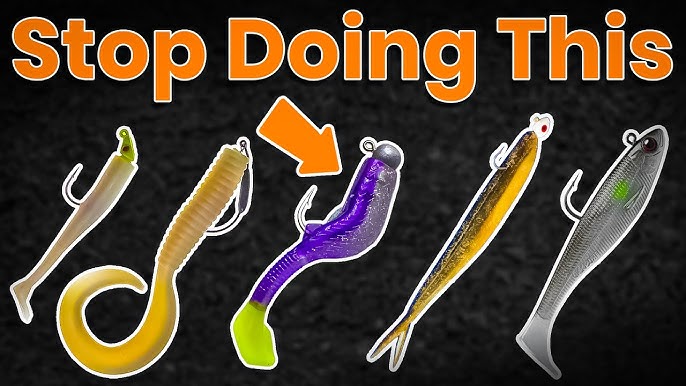
Common types include worms, grubs, craws, and swimbaits. Worms are good for slow fishing. Grubs swim with a tail that moves a lot. Craws look like small crabs. Swimbaits mimic small fish.
- Worms: flexible and good for many fish
- Grubs: have curly tails, swim well
- Craws: imitate crabs, attract bass
- Swimbaits: look like real fish, move naturally
Colors And Sizes
Pick colors that match the fish’s food and water color. Bright colors work well in dark water. Natural colors are best in clear water.
Choose the size of the lure based on the fish size. Big lures catch big fish. Small lures work for smaller fish.
- Bright colors: good for muddy or dark water
- Natural colors: best for clear water
- Large lures: attract big fish
- Small lures: catch smaller fish
Matching Lures To Water Conditions
Water clarity and light affect which lure works best. Use bright or glowing lures in cloudy water. Use natural colors in clear water.
Also, consider water temperature. Slow the lure movement in cold water. Speed it up in warm water to attract fish.
- Cloudy water: bright or glowing lures
- Clear water: natural colored lures
- Cold water: slow lure movement
- Warm water: faster lure movement
Rigging Techniques
Soft plastic lures are popular for fishing because they look natural. Using the right rig helps you fish better.
This guide covers three common rigging techniques. Each rig works well in different fishing conditions.
Texas Rig
The Texas Rig hides the hook inside the plastic lure. This makes it weedless and good for thick cover.
Start by threading the hook point into the lure’s head. Push it out after a short distance. Then slide the lure up to the hook eye and turn the hook point back into the body.
- Use a bullet-shaped weight above the hook
- Choose a strong hook for big fish
- Keep the hook point just inside the plastic
Carolina Rig
The Carolina Rig lets the lure move freely behind the weight. It works well for deep water fishing.
Thread a bullet weight on the line, followed by a bead. Tie the hook to the end of the leader line. Attach the leader to the main line with a swivel. The soft plastic lure goes on the hook.
- Use a leader length of 1 to 3 feet
- Choose heavier weights for deep fishing
- Move the rig slowly near the bottom
Drop Shot Rig
The Drop Shot Rig suspends the lure above the weight. It is good for clear water and picky fish.
Tie a hook directly to the line with a Palomar knot. Leave a long tag end to attach the weight below. Rig the soft plastic lure nose-hooked or wacky style above the hook.
- Keep the lure 12 to 18 inches above the weight
- Use light weights for better sensitivity
- Shake or twitch the lure gently to attract fish
Casting And Retrieval
Fishing with soft plastic lures needs skill in casting and retrieval. These actions help attract fish and improve your catch chances.
Learning how to cast accurately and retrieve with varied speeds and movements makes your lure look real. This guides fish to bite.
Casting Tips For Accuracy
Good casting places your lure where fish are hiding. Aim for spots near structures or cover like rocks and weeds. Use smooth, controlled motions to avoid spooking fish.
- Use your wrist to flick the rod gently for short, precise casts.
- Keep your elbow close to your body for better control.
- Practice casting into small targets to improve aim.
- Adjust your cast length based on water depth and fish location.
Retrieval Speeds And Patterns
Changing retrieval speed and patterns can trigger bites. Slow pulls often work when fish are inactive. Faster retrieves suit active fish chasing prey.
| Retrieval Speed | Best Use | Fish Behavior |
|---|---|---|
| Slow | Cold water, tired fish | Fish are cautious, less active |
| Medium | Normal conditions | Fish are alert but not aggressive |
| Fast | Warm water, feeding time | Fish are chasing prey quickly |
Using Pauses And Twitches
Pauses and twitches add life to your lure. Pausing lets the lure sink, tempting fish to strike. Twitches make it look like a struggling baitfish.
- Pause for 1 to 3 seconds during your retrieve to mimic a resting prey.
- Add small rod twitches to create lure movement and flash.
- Vary pause length and twitch strength to find what fish respond to.
- Combine twitches with slow retrieve for a natural effect.

Credit: www.lurenet.com
Fishing Locations And Times
Fishing with soft plastic lures is a popular way to catch many types of fish. Choosing the right place and time can improve your catch rate.
This guide explains the best spots, times, and seasonal tips for fishing with soft plastics.
Best Spots For Soft Plastics
Soft plastic lures work well in many water locations. Fish often hide near structures and cover where they feel safe.
Look for places with rocks, weeds, fallen trees, or docks. These spots attract fish that like to ambush prey.
- Rocky shorelines and ledges
- Weed beds and aquatic plants
- Near docks and piers
- Under fallen trees or brush piles
- Drop-offs and underwater humps
Timing Your Fishing Trips
Time your fishing trips to match fish feeding habits. Early morning and late afternoon are good times for soft plastics.
Fish often feed near the surface or in shallower water during these times. Use soft plastics with slow, natural movements.
- Fish more actively at dawn and dusk
- Avoid the hottest midday hours
- Try fishing before and after rain
- Windy days can help hide your lure
- Adjust your speed to match fish activity
Seasonal Considerations
Seasons affect where fish gather and how they behave. Soft plastics can be effective year-round with small changes.
In spring, fish move to shallow areas to spawn. Summer makes them spread out more. Fall sees fish feeding a lot. Winter slows their activity.
| Season | Fish Behavior | Soft Plastic Tips |
|---|---|---|
| Spring | Shallow and active | Use bright colors and fast retrieves |
| Summer | Spread out and deeper | Try slower movements and natural colors |
| Fall | Feeding heavily near shore | Use bigger lures and steady retrieves |
| Winter | Less active, deep water | Fish slowly and use subtle colors |
Handling And Hooking Big Fish
Fishing with soft plastic lures can be very effective for catching big fish. The right handling and hooking techniques help you keep the fish on the line. This guide covers key tips for success.
Big fish fight hard. You need good skills to set the hook, play the fish, and land it safely. Each step matters for a good catch.
Setting The Hook
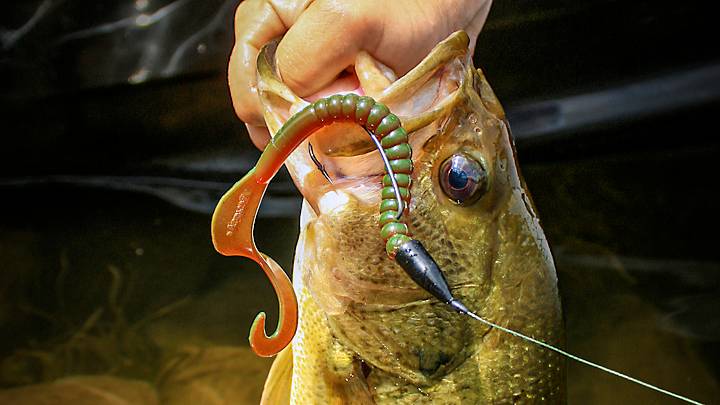
When a big fish bites, you must act fast. Set the hook firmly but not too hard. Soft plastic lures need a strong hookset to penetrate the fish’s mouth.
- Wait for the fish to fully take the lure.
- Use a quick, strong upward motion with the rod.
- Keep your line tight to avoid slack.
- Check your hook sharpness before fishing.
Playing The Fish
Once hooked, the fish will try to escape with strong runs and jumps. Stay calm and control the fight to tire the fish.
| Action | Tip |
| Let Runs | Give line carefully but keep tension. |
| Use Rod | Keep rod tip up to absorb shocks. |
| Reel In | Reel when the fish pauses or moves toward you. |
| Avoid Slack | Keep the line tight to prevent losing the fish. |
Landing Techniques
Landing a big fish requires care. Use the right tools and methods to safely bring the fish in.
- Use a landing net with a deep mesh.
- Approach the fish slowly to avoid spooking it.
- Keep steady pressure on the line while guiding the fish.
- Handle the fish gently if you plan to release it.
Maintenance And Care
Soft plastic lures need good care to last longer and work well. Keeping them clean and stored properly saves money and time.
Regular checkups help avoid problems like damage or rust. You can enjoy fishing more with well-kept lures.
Storing Soft Plastics
Store soft plastics in a cool, dry place. Heat can melt or change their shape. Use tackle boxes with compartments to keep them separate.
- Keep lures away from direct sunlight.
- Use airtight containers to avoid dust and dirt.
- Separate colors and types to prevent melting together.
- Store lures flat to keep their shape.
Preventing Damage
Soft plastics can tear or lose scent if handled roughly. Clean them gently after use and check for tears or cracks.
| Cause | Prevention |
| Sharp hooks | Remove hooks before storing |
| Sunlight | Keep lures in shade |
| Mixing colors | Store by color group |
| Rough handling | Handle with care, clean with soft water |
Replacing Hooks And Weights
Hooks and weights wear out. Replace them to keep lures effective. Use the right size for your lure and fishing style.
- Check hooks for rust or bending.
- Remove old hooks carefully.
- Choose new hooks that match lure size.
- Replace weights if they are damaged or lost.
- Attach hooks and weights firmly to avoid loss.
Credit: www.si.com
Frequently Asked Questions
What Are The Best Soft Plastic Lures For Beginners?
The best soft plastic lures for beginners are worms, grubs, and creature baits. They are easy to rig and versatile for various fish species. These lures mimic natural prey well, increasing your chances of a successful catch.
How Do I Rig Soft Plastic Lures Properly?
Rig soft plastic lures using techniques like Texas, Carolina, or drop shot rigging. Ensure the hook is hidden but allows natural movement. Proper rigging improves lure action and reduces snags on underwater structures.
What Fishing Techniques Work Best With Soft Plastics?
Slow retrieves, hopping, and jigging are effective techniques with soft plastics. Vary your speed and pauses to mimic injured prey. These techniques trigger strikes from bass and other predatory fish.
When Is The Best Time To Fish With Soft Plastic Lures?
Early morning and late evening are prime times for soft plastic fishing. Fish are more active and feed aggressively during these periods. Overcast days also enhance lure effectiveness due to lower light.
Conclusion
Fishing with soft plastic lures can be rewarding. These lures mimic real bait. Fish often find them irresistible. Using them needs patience and practice. Start with simple techniques. Learn what works best for you. Experiment with different lure colors. Change sizes to match the environment.
Always keep your equipment ready. Clean and store lures properly. Remember, fishing is about relaxation. Enjoy the experience, not just the catch. With time, you’ll see improvement. Stay observant. Each fishing trip teaches something new. So grab your gear and head out.
Happy fishing!