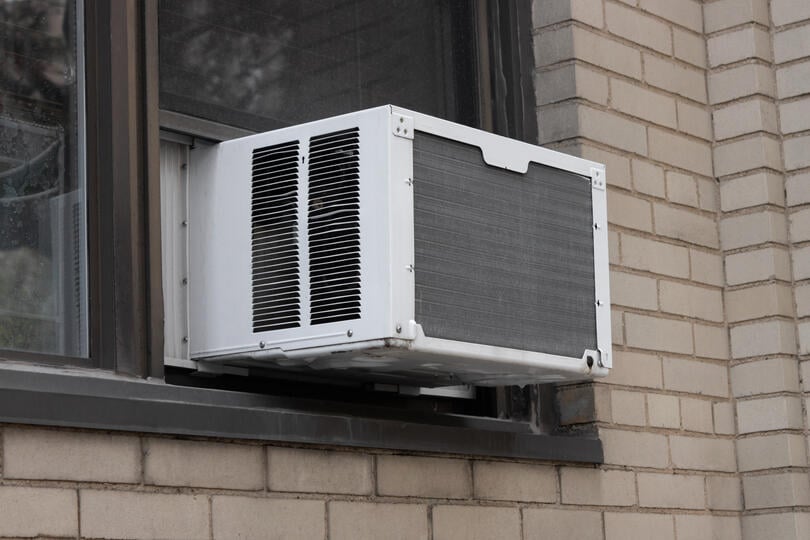
Are you ready to beat the heat without calling a pro? Fitting a window air conditioner yourself is easier than you think—and it can save you time and money.
Imagine stepping into your cool, comfortable room on a hot day, knowing you installed that air conditioner all on your own. In this guide, you’ll find simple, step-by-step instructions that anyone can follow. No confusing jargon, just clear advice to help you get your air conditioner up and running quickly.
Keep reading, and you’ll be enjoying a fresh breeze in no time!
Credit: www.youtube.com
Choosing The Right Air Conditioner
Measure the room’s size in square feet to pick the right air conditioner. Small rooms need less cooling power, while bigger rooms need more.
BTU (British Thermal Unit) shows how much cooling power is needed. Use this chart as a guide:
| Room Size (sq ft) | BTU Needed |
|---|---|
| Up to 150 | 5,000 – 6,000 |
| 150 – 250 | 6,000 – 8,000 |
| 250 – 350 | 8,000 – 10,000 |
| 350 – 450 | 10,000 – 12,000 |
Choose an air conditioner with a good Energy Efficiency Ratio (EER). It uses less power and saves money on bills. Look for units labeled ENERGY STAR for better efficiency.
Gather Necessary Tools And Materials
Gathering the right toolsis key for fitting a window air conditioner. Essential tools include a screwdriver, drill, measuring tape, and a level. These help in precise installation and secure mounting.
Wearing safety gearlike gloves and safety glasses protects hands and eyes from sharp edges and debris. It keeps the work safer and easier.
Additional materials may include weatherstrippingto seal gaps, mounting bracketsfor support, and foam insulationto block air leaks. Having these ready speeds up the process.
Preparing The Window
Clear the window area by removing curtains, blinds, or objects. This makes space for the air conditioner and helps it fit well.
Inspect the window frame to check for cracks or damage. A strong frame supports the unit safely and stops air leaks.
| Measurement | What to Measure | Why It Matters |
|---|---|---|
| Width | Measure the inside width of the window opening. | Ensures the unit fits snugly without gaps. |
| Height | Measure the height of the window opening. | Helps choose a unit that fits vertically. |
| Depth | Check the depth of the window sill and frame. | Important for secure installation and support. |

Credit: thefurnaceoutlet.com
Installing The Air Conditioner
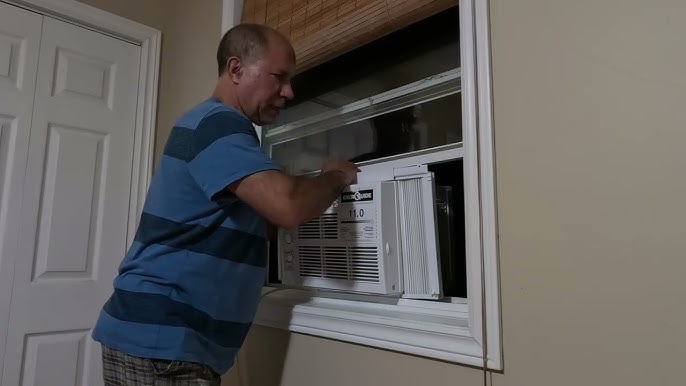
Place the air conditioner in the window opening carefully. Make sure the unit fits snugly without gaps. The front should face inside the room, and the back should be outside. This allows hot air to leave the room.
Pull out the side panels to fill gaps on both sides. Secure these panels with screws or clips to keep the unit steady. This stops air and bugs from coming inside.
Tilt the air conditioner slightly downward outside the window. This tilt helps water drain out properly. Check that the unit is stable and won’t fall forward or backward.
Sealing And Insulating
Weather strippinghelps stop air from leaking around the air conditioner. It fits around the edges of the window and the unit. This keeps cool air inside and hot air outside.
Check for air leaksby feeling for drafts near the window. Use your hand or a small piece of paper to find moving air. Seal any gaps with weather stripping or caulk.
Foam insulationfills spaces between the air conditioner and window frame. It blocks outside air and keeps the room cool. Cut foam pieces to fit snugly for best results.

Credit: www.abt.com
Testing The Installation
Power on the window air conditioner to check its operation. Listen for any strange sounds that could signal a problem. The unit should start smoothly without loud noises or delays.
Check for vibrations by feeling the unit and the window frame. A small amount of vibration is normal, but strong shaking could mean poor installation. Tighten screws or add padding to reduce shaking.
Monitor the cooling efficiency by feeling the air coming out. It should be cold and consistent. Warm or weak airflow might show a need for adjustment or cleaning of filters.
Maintenance Tips
Keeping the air conditioner clean helps it work well and last longer. The filtertraps dust and dirt. Clean it every few weeks to keep air fresh.
Replace the filter if it looks worn or damaged. A clean filter means better coolingand lower energy bills.
Take out the air conditioner during cold months. Store it in a dry place to avoid damage. Cover it to keep dust away. This keeps the unit ready for next summer.
Frequently Asked Questions
How Do I Measure My Window For An Ac Unit?
Measure the width and height of your window opening. Compare these dimensions with the AC unit’s size. Ensure the unit fits securely without gaps. Proper measurement prevents air leaks and improves cooling efficiency.
What Tools Are Needed To Install A Window Ac?
You need a screwdriver, tape measure, level, and brackets. A drill may be required for some installations. These tools help secure the AC unit firmly and safely in place.
How Do I Secure A Window Ac Unit Safely?
Use mounting brackets and screws to fasten the unit. Ensure the window sash supports the weight. Seal gaps with weatherstripping to prevent air leaks and improve energy efficiency.
Can I Install A Window Ac Alone?
Yes, many window ACs are designed for DIY installation. Follow the manufacturer’s instructions carefully. Ask for help if the unit is heavy or installation is complex.
Conclusion
Fitting a window air conditioner is easier than it seems. Measure carefully and follow the steps one by one. Secure the unit well to keep it stable and safe. This helps cool your room efficiently and saves energy. Take your time and check everything twice.
Enjoy cool air during hot days without any hassle. Simple tools and clear instructions make the job smooth. Now, you can stay comfortable all summer long.