Finding the perfect fit for your climbing shoes can make all the difference between a good climb and a great one. If your shoes are too tight, your feet will hurt.
If they’re too loose, you’ll lose grip and control. You want that snug, just-right feeling that gives you confidence on every step. In this guide, you’ll discover simple tips to fit your climbing shoes perfectly, so you can climb harder, longer, and more comfortably.
Keep reading—your feet will thank you.

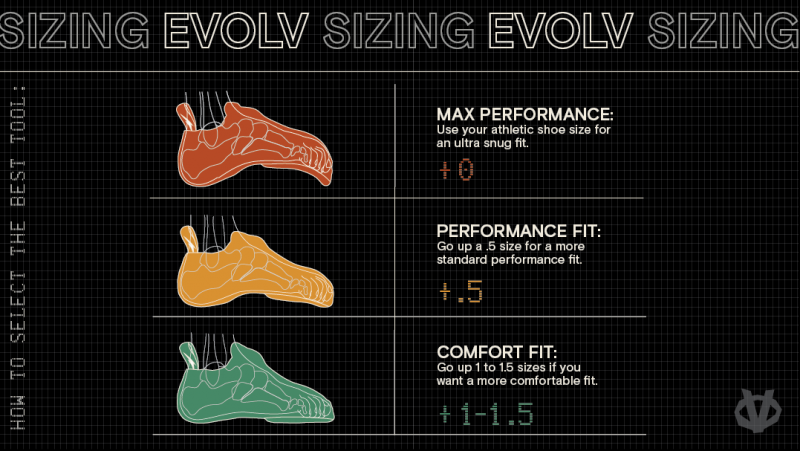
Credit: www.evolvsports.com
Choosing The Right Size
Picking the right size climbing shoes is key for comfort and performance. Shoes that fit well help you climb better and avoid pain.
It is important to know how to measure your foot and consider differences between shoe brands and models.
Measuring Your Foot Accurately
Measure your foot length and width to find your true size. Do this at the end of the day when feet are largest.
Use a ruler or tape and stand on a piece of paper. Mark the longest toe and the heel, then measure the distance.
- Wear thin socks or measure barefoot
- Measure both feet and use the larger size
- Repeat measurement for accuracy
Considering Shoe Brands And Models
Different brands and models fit differently. Some shoes run narrow, others wide or longer.
Try on several brands and sizes if possible. Note how each fits around your toes and heel.
- Brands may have unique sizing charts
- Some models stretch with use, others stay tight
- Look for shoes that match your foot shape

Credit: www.reddit.com
Types Of Climbing Shoes
Climbing shoes come in various types to suit different climbing styles. It’s important to choose the right type for your climbing needs.
Understanding the shape and material of climbing shoes can help you make a better choice. Let’s explore the different shapes and materials available.
Neutral Vs Aggressive Shapes
Neutral shoes have a relaxed fit. They are ideal for beginners or long climbs. These shoes provide comfort and support.
Aggressive shoes have a downturned shape. They are perfect for steep climbs and technical routes. These shoes offer better grip and precision.
- Neutral shoes for comfort
- Aggressive shoes for precision
- Choose based on your climbing style
Materials And Their Impact On Fit
Climbing shoes are made from leather or synthetic materials. Each material affects the fit differently.
Leather shoes stretch over time. They mold to your foot shape, offering a custom fit. Synthetic shoes maintain their shape longer, providing consistent performance.
| Leather | Stretches for a custom fit |
| Synthetic | Keeps shape, provides consistent fit |
Trying On Climbing Shoes
Fitting climbing shoes correctly is very important. Shoes that fit well give better control and comfort.
This guide helps you try on climbing shoes the right way. Focus on the fit around your toes and heel.
Best Time To Try Shoes
Try climbing shoes later in the day. Your feet swell after walking or climbing. This helps find a true fit.
- Wear climbing socks or go barefoot, as you will when climbing.
- Bring your usual foot tape or insoles if you use them.
- Try shoes after a warm-up or walk for best fit.
- Test shoes with different lacing or closure styles.
Checking Fit Around Toes And Heel
Your toes should be slightly curled but not painfully bent. The heel must feel snug and stay in place.
| Area | Fit Check | What to Avoid |
|---|---|---|
| Toes | Toes just touch the front with slight curl | Toes pressed flat or very painful |
| Heel | Heel fits tight without gaps | Heel lifts or feels loose |
| Sides | Sides hug the foot without pressure points | Shoes pinch or cause numbness |

Credit: www.ubuy.sc
Common Fit Issues
Fitting climbing shoes correctly is key for comfort and performance. Many climbers face common problems with shoe fit.
These issues often cause pain or reduce climbing ability. Understanding how to fix them helps you climb better.
Dealing With Pressure Points
Pressure points happen when the shoe presses too hard on certain foot areas. This can cause pain and bruises.
- Try different shoe models to find one that fits your foot shape.
- Wear thin socks or no socks to reduce tightness.
- Use climbing shoes with softer materials for less pressure.
- Break in new shoes slowly by wearing them for short periods.
- If pressure points persist, consider using insoles or pads to cushion spots.
Adjusting For Wide Or Narrow Feet
Feet come in many shapes. Wide or narrow feet need special shoe choices for the best fit.
| Foot Type | Fit Tips |
| Wide Feet | Look for shoes with wide toe boxes and stretchy uppers |
| Narrow Feet | Choose shoes with tighter heel cups and adjustable closures |
| Average Width | Standard shoe models usually fit well |
Breaking In Your Shoes
Climbing shoes feel stiff when new. Breaking them in makes them fit better and feel comfortable. This process takes time and care.
Use gentle methods to soften your shoes. Avoid actions that cause damage. Proper break-in helps your shoes last longer.
Methods To Soften New Shoes
Wear your shoes at home for short times. This warms the material and shapes the shoe to your foot. You can also use other safe ways to soften them.
- Wear shoes with thick socks to stretch the material slightly.
- Use a shoe stretcher tool to widen tight spots.
- Apply leather conditioner if your shoes have leather parts.
- Warm the shoes with a hairdryer briefly, then wear them until cool.
- Use plastic bags filled with water inside the shoes and freeze them overnight to expand the fit.
Avoiding Damage During Break-in
Breaking in shoes can cause damage if done wrong. Avoid harsh stretching or soaking shoes in water. Keep your climbing shoes safe while softening them.
| Common Mistakes | How to Avoid |
|---|---|
| Overstretching shoes | Use gentle tools and avoid forcing the material |
| Soaking in water | Use damp cloths only, do not soak shoes fully |
| Wearing shoes for too long at first | Limit wear time to short sessions at home |
| Using heat for too long | Apply warmth briefly and carefully |
When To Replace Climbing Shoes
Climbing shoes wear out with use. Knowing when to replace them keeps your climbs safe and comfortable.
Shoes that lose their fit or grip can affect your performance. Watch for key signs to decide the right time to get new shoes.
Signs Of Wear Affecting Performance
Check your shoes often for damage that reduces their effectiveness. Worn soles and holes can make climbing risky.
- Thin or worn soles that lose grip on rock or holds
- Loose or stretched uppers that reduce foot control
- Damaged toe box that weakens toe hooks
- Broken or missing closures like Velcro or laces
- Uncomfortable pressure points from shoe shape changes
Maintaining Comfort Over Time
Comfort helps you climb longer and better. Shoes that cause pain or blisters need replacing.
| Comfort Issue | Cause | Replacement Sign |
| Persistent pain | Shoe lost shape or fit | Replace immediately |
| Blisters or hot spots | Worn lining or seams | Replace soon |
| Numbness or tightness | Shoes too small or misshaped | Replace when persistent |
| Slipping heel | Stretched heel cup | Replace soon |
Frequently Asked Questions
How Tight Should Climbing Shoes Fit?
Climbing shoes should fit snugly without causing severe pain. They must hold your foot securely to improve precision and grip. Avoid shoes that are too loose or painfully tight for comfort and performance.
When Should I Size Climbing Shoes Smaller?
Size climbing shoes smaller if you climb aggressively or need precise foot placements. A tighter fit enhances sensitivity but avoid extreme discomfort. Balance between performance and comfort is key for longer climbing sessions.
How To Test Climbing Shoe Fit At Home?
Wear shoes and stand on a flat surface. Check for a snug fit around toes and heel without dead space. Move your foot to ensure no slipping occurs during movement.
Can Climbing Shoes Stretch Over Time?
Yes, climbing shoes made from leather can stretch up to half a size. Synthetic shoes stretch less but may loosen slightly. Consider the material when choosing initial shoe size.
Conclusion
Finding the right climbing shoe fit takes time and care. Shoes should feel snug but not painful. Remember, your feet may feel tight at first. Wear them indoors before your first climb. Check for no gaps or slipping inside. Proper fit helps improve your climbing and comfort.
Keep trying different sizes and brands if needed. Good-fitting shoes protect your feet and boost confidence. Choose shoes that match your climbing style and goals. Happy climbing starts with shoes that fit just right.