Is your car’s air conditioner blowing warm air just when you need it most? You’re not alone—and the good news is, you don’t always need a costly mechanic to fix it.
Understanding how to fix a car air conditioner can save you time, money, and frustration. In this guide, you’ll discover simple steps you can take right now to get your AC cooling again. Imagine driving comfortably, no matter how hot it gets outside.
Keep reading, and you’ll learn exactly what to do to bring that refreshing chill back to your ride.
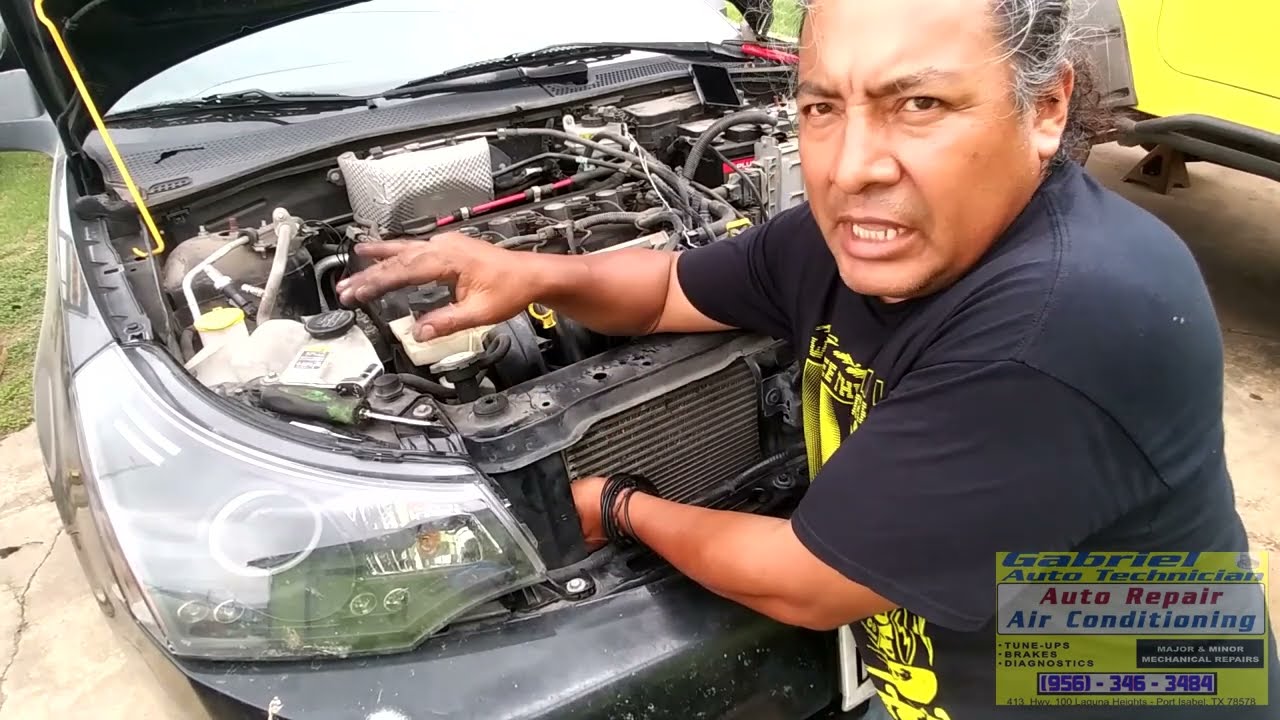
Credit: www.youtube.com
Diagnose Common Ac Problems
Car air conditioners may stop cooling properly for several reasons. Finding the cause helps you fix the problem faster. Start by checking the main parts of the AC system.
This guide shows you how to diagnose common AC issues. Follow each step to understand what may be wrong with your car’s air conditioner.
Check For Refrigerant Leaks
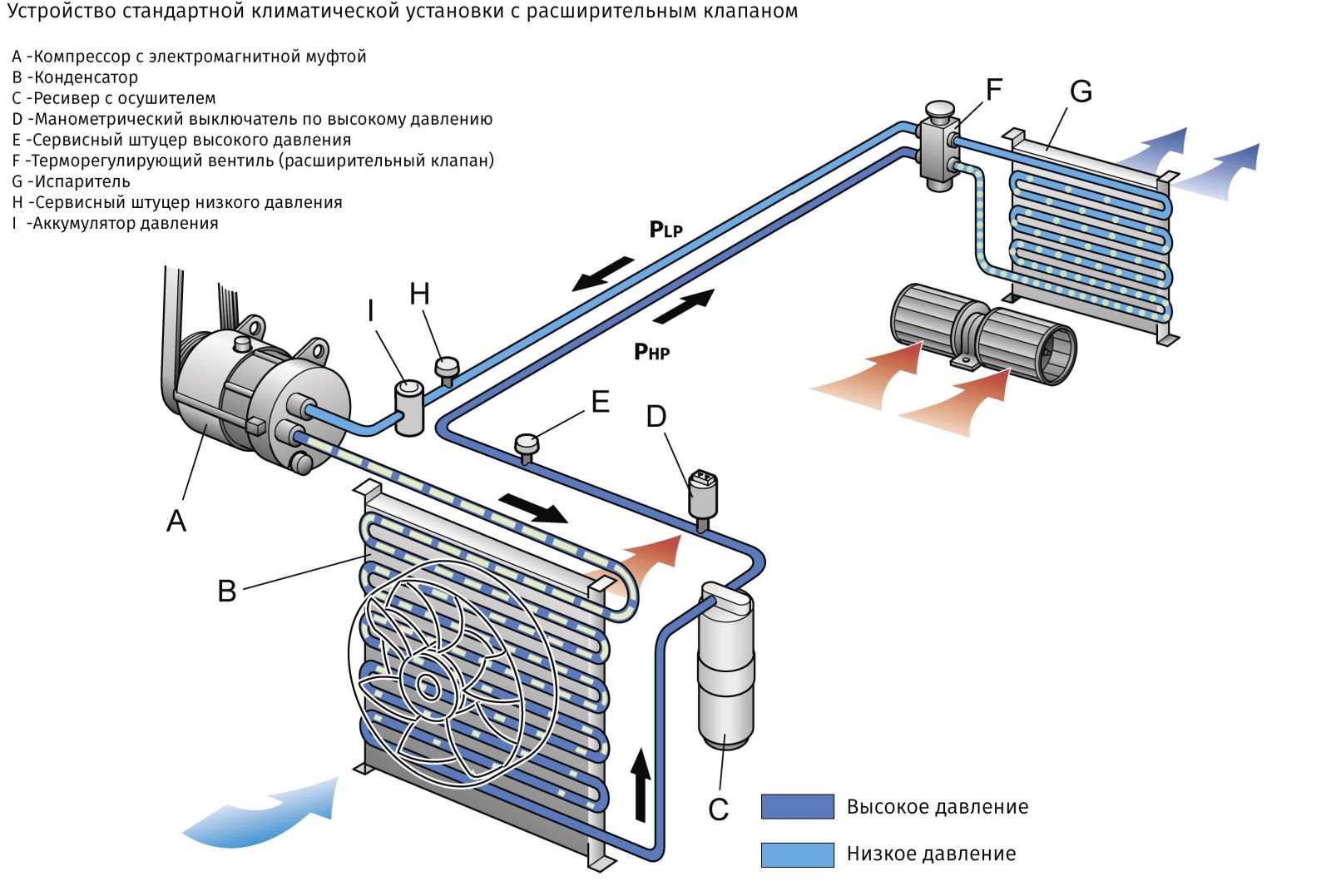
Refrigerant is the fluid that cools the air in your AC. Leaks reduce its amount and cause poor cooling. Look for oily spots on pipes and connections. You can also use a leak detector tool.
Signs of a refrigerant leak include:
- Hissing sounds near AC lines
- Oily residue on AC components
- Warm air coming from vents
- AC turns off quickly or does not cool well
Inspect The Ac Compressor
The compressor pumps refrigerant through the AC system. Check for damage, leaks, or strange noises. Make sure the compressor is securely mounted and the belt is tight.
| Compressor Condition | What to Check | Possible Issue |
| Leaking fluid | Oil or refrigerant around compressor | Seal failure or damage |
| Noise | Grinding or rattling sounds | Internal damage or worn bearings |
| Loose belt | Belt slipping or worn | Replace or tighten belt |
| No power | Check electrical connections | Blown fuse or wiring issue |
Test The Ac Clutch
The AC clutch connects the compressor to the engine. It engages when you turn on the AC. To test it, start the car and turn on the AC. The clutch should click and spin.
If the clutch does not engage, check these points:
- Electrical power to the clutch coil
- Fuses and relays in the AC system
- Condition of the clutch plate and pulley
- Wiring connections for damage or corrosion
Examine The Condenser And Fans
The condenser cools the refrigerant by blowing air over it. Fans help move air through the condenser. Dirt or damage can reduce cooling efficiency. Inspect for debris, bent fins, or broken fans.
Check the condenser and fans for these common problems:
- Blocked airflow from leaves or dirt
- Bent or damaged condenser fins
- Fans that do not turn on or spin slowly
- Loose or broken fan blades
Gather Essential Tools And Materials
Fixing a car air conditioner requires the right tools and materials. Preparing these items makes the repair process easier and safer.
This guide covers the tools you need, the correct refrigerant to use, and safety gear to protect yourself.
Required Tools For Diy Repair
To repair your car’s air conditioner, gather basic tools. These help you open parts and check the system.
- Set of screwdrivers (flathead and Phillips)
- Wrench set
- Manifold gauge set to measure pressure
- Vacuum pump to remove air and moisture
- Leak detector to find leaks
- Thermometer to check temperature
- Protective gloves
- Safety glasses
Choosing The Right Refrigerant
Cars use different refrigerants depending on make and model. Using the wrong one can damage the system.
| Refrigerant Type | Common Use | Notes |
| R-134a | Most cars before 2015 | Widely available, easy to use |
| R-1234yf | Newer car models | Environmentally friendly |
| R-12 | Older cars (before 1994) | Now banned, avoid use |
Safety Gear And Precautions
Safety is important when fixing an air conditioner. Refrigerants and tools can cause harm without care.
- Wear safety glasses to protect your eyes
- Use gloves to avoid skin contact with chemicals
- Work in a well-ventilated area
- Keep a fire extinguisher nearby
- Read all instructions before starting
Step-by-step Repair Process
Fixing a car air conditioner involves several clear steps. Each step focuses on a specific part of the AC system.
Follow these steps carefully to restore your car’s cooling function.
Recharging The Refrigerant
Recharging the refrigerant helps cool the air inside your car. Low refrigerant can cause the AC to stop working well.
First, check the refrigerant levels with a gauge. If low, use a refrigerant recharge kit to refill it.
- Locate the low-pressure port under the hood
- Attach the recharge hose to the port
- Start the car and turn on the AC to max cool
- Slowly add refrigerant while watching the gauge
- Stop adding when the gauge reaches the correct pressure
Replacing The Ac Compressor
The AC compressor pumps refrigerant through the system. A broken compressor stops the cooling process.
To replace it, first disconnect the battery. Remove the drive belt and electrical connectors.
- Drain the refrigerant safely with a recovery machine
- Remove the compressor mounting bolts
- Take out the faulty compressor
- Install the new compressor and tighten bolts
- Reconnect electrical parts and drive belt
- Recharge the refrigerant system
Fixing Or Replacing The Ac Clutch
The AC clutch connects the compressor to the engine belt. If it does not engage, the compressor won’t run.
Check the clutch by listening for a clicking sound when the AC turns on. If faulty, repair or replace it.
- Disconnect the battery
- Remove the drive belt
- Take off the AC clutch plate
- Inspect the clutch coil and bearing
- Replace the clutch if damaged
- Reinstall parts and the belt
- Test the AC for proper clutch engagement
Cleaning Or Replacing The Condenser
The condenser cools the refrigerant by releasing heat. Dirt or damage lowers its efficiency.
Clean the condenser with compressed air or water. Replace it if there are leaks or serious damage.
- Remove debris and dirt from the condenser fins
- Use a soft brush or compressed air to clean
- Check for leaks or bent fins
- Replace the condenser if cleaning does not improve performance
- Reinstall the condenser and recharge the system

Credit: www.youtube.com
Preventive Maintenance Tips
Keeping your car air conditioner in good shape saves you money. It also keeps you cool during hot days.
Regular maintenance stops small problems from becoming big repairs. Follow simple steps to care for your AC system.
Regularly Inspect Ac Components
Check the AC parts often. Look for leaks, cracks, or loose wires. Early fixes keep the system working well.
- Inspect hoses for cracks or wear
- Look at belts for signs of damage
- Check refrigerant levels
- Ensure electrical connections are tight
Keep The Condenser Clean
The condenser cools the AC refrigerant. Dirt and debris block airflow and reduce cooling power.
| Cleaning Tips | Frequency |
|---|---|
| Remove leaves and dirt | Every 2 weeks |
| Use water spray to wash condenser | Monthly |
| Check for bent fins and straighten | Monthly |
Use The Ac System Periodically
Run the AC even in cold weather. This keeps the compressor and seals working well. It also prevents leaks.
- Turn on AC for 10 minutes every two weeks
- Use both cooling and heating modes
- Check if air blows cold and strong
Schedule Professional Checkups
Have a mechanic inspect your AC system yearly. They can spot hidden issues and recharge refrigerant if needed.
- Test refrigerant pressure
- Check for leaks and worn parts
- Clean or replace cabin air filter
- Inspect compressor and fan operation
When To Seek Professional Help
Fixing a car air conditioner can be simple for small problems. Some issues need a trained mechanic to avoid more damage.
Knowing when to get professional help saves time and money. It also keeps you safe on the road.
Signs Of Major Ac Issues
Some problems mean your car AC has serious trouble. Look for these signs to decide if you need a mechanic.
- The AC blows warm air, not cold
- Strange noises when the AC runs
- Bad smells coming from the vents
- AC stops working suddenly
- Visible leaks or wet spots under the car
These signs often mean parts are broken or the system has leaks. Do not ignore them.
Cost Considerations For Repairs
Repair costs vary depending on the problem size. Simple fixes cost less than major part replacements.
Here are common repair costs to expect:
- Recharging refrigerant: $100 to $200
- Replacing the compressor: $500 to $1,000
- Fixing leaks: $150 to $300
- Replacing the condenser: $300 to $700
Ask for a price estimate before repairs. This helps avoid surprises on your bill.
Finding A Reliable Mechanic
Choosing the right mechanic is important. A good mechanic fixes your AC correctly and fast.
Look for these qualities in a mechanic:
- Good reviews and ratings from customers
- Experience with car AC systems
- Clear communication and honest advice
- Fair pricing and written estimates
- Proper tools and clean workspace
Ask friends or family for recommendations. A trusted mechanic keeps your car cool all year.
Credit: msg.equipment
Frequently Asked Questions
How Do I Know If My Car Ac Needs Fixing?
Common signs include weak airflow, warm air blowing, strange noises, or a bad smell. These indicate issues with refrigerant, compressor, or leaks.
What Tools Are Needed To Fix A Car Air Conditioner?
You need a refrigerant recharge kit, pressure gauges, leak detector, wrenches, and safety gloves. These tools help diagnose and repair common AC problems.
Can I Fix My Car Ac Without Professional Help?
Yes, you can fix minor issues like recharging refrigerant or replacing filters. Complex problems require professional diagnosis and repair for safety and accuracy.
How Long Does It Take To Fix A Car Air Conditioner?
Minor repairs take 30 minutes to 1 hour. More extensive repairs like compressor replacement can take several hours depending on the issue.
Conclusion
Fixing a car air conditioner can seem challenging. But you can do it. Follow the steps carefully. Check the compressor and refrigerant level. Inspect the condenser and cabin filter. Ensure all electrical connections are secure. Seek professional help if problems persist.
Regular maintenance prevents future issues. Keep your car cool and comfortable. Remember, a functional AC improves driving comfort. Use these tips to fix your car’s air conditioner. Stay cool on the road!