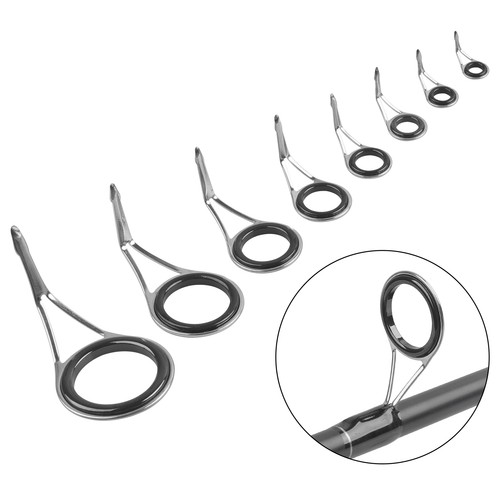
Your fishing rod eye is small, but it plays a big role in your fishing experience. When it gets damaged or breaks, it can ruin your day on the water.
You might feel frustrated, thinking you need a new rod or expensive repairs. But what if you could fix it yourself quickly and easily? In this guide, you’ll discover simple steps to repair your fishing rod eye, save money, and get back to fishing without delay.
Keep reading—you’ll be surprised how straightforward this fix can be!

Credit: www.walmart.com
Common Causes Of Fishing Rod Eye Damage
Fishing rod eyes are vital for guiding the fishing line. They help in casting and retrieving. Damage to these eyes can impact your fishing experience.
Understanding what causes damage can help in prevention and repair. Let’s explore some common reasons why fishing rod eyes get damaged.
Impact And Wear
Fishing rods often experience impacts and wear. Rough handling or dropping the rod can lead to damage. Excessive pressure from big catches also causes wear.
- Dropping the rod on hard surfaces
- Pressure from heavy fish
- Improper storage
Corrosion And Rust
Fishing rods are exposed to water, which leads to corrosion. Saltwater fishing increases the risk of rust. Regular cleaning is essential to avoid rust.
| Water Type | Corrosion Risk |
| Freshwater | Low |
| Saltwater | High |
Manufacturing Defects
Sometimes, defects occur during manufacturing. Poor quality materials can lead to quick damage. Checking for defects early can save future trouble.

Credit: www.youtube.com
Tools And Materials Needed
Fixing a fishing rod eye requires the right tools and materials. Using proper items helps make the repair strong and safe.
This guide explains the main tools and materials you need to replace a broken rod eye.
Replacement Rod Eyes
Replacement rod eyes are the parts that guide the fishing line on the rod. They come in various sizes and styles to fit different rods.
Choose a replacement eye that matches your rod’s size and type for the best fit and function.
- Single-foot or double-foot rod eyes
- Ceramic or stainless steel inserts
- Sizes from small to large depending on the rod
- Brands that fit your rod model
Epoxy And Adhesives
Epoxy and other adhesives hold the replacement eye firmly on the rod. They must be strong and waterproof.
Use a two-part epoxy or special rod repair glue for the best results. These adhesives dry hard and last a long time.
- Two-part epoxy resin
- Rod repair glue
- Super glue (cyanoacrylate) for small fixes
- Mixing sticks and small containers
Basic Repair Tools
You need simple tools to remove the old eye and attach the new one. These tools help you work carefully and safely.
Having the right tools makes the repair quicker and cleaner.
- Small screwdriver or knife to remove old wrapping
- Fine sandpaper to smooth the rod surface
- Needle-nose pliers for bending metal parts
- Masking tape to hold the eye in place
- Brush or stick to apply epoxy
- Cloth to clean the rod
Step-by-step Repair Process
Fixing a fishing rod eye is a straightforward task that anyone can do. This guide will help you replace a damaged eye with clear instructions.
Follow each step carefully to restore your rod and keep fishing with confidence.
Removing The Damaged Eye
Start by gently removing the old eye from the rod. Use a sharp blade or small pliers to cut any thread or glue holding it in place. Be careful not to damage the rod itself.
Preparing The Rod Surface
Clean the area where the new eye will go. Remove any leftover glue or debris. Lightly sand the spot to make the surface smooth and ready for bonding.
- Use fine-grit sandpaper for sanding
- Wipe with a clean cloth to remove dust
- Ensure the surface is dry before proceeding
Installing The New Eye
Place the new eye onto the rod in the correct position. Align it with the other eyes for proper line flow. Hold it steady before securing it.
Securing With Epoxy
Apply a small amount of epoxy around the new eye to fix it in place. Smooth the epoxy evenly to avoid lumps. Let it dry for at least 24 hours before use.
| Epoxy Type | Drying Time | Water Resistance |
|---|---|---|
| Two-Part Epoxy | 24 hours | Excellent |
| UV-Curing Epoxy | 5-10 minutes (with UV light) | Good |
| Quick Set Epoxy | 1 hour | Fair |
Tips For Maintaining Rod Eyes
Fishing rod eyes help guide the fishing line and keep it smooth. Taking care of them extends the life of your rod.
Simple maintenance steps prevent damage and help you enjoy fishing longer. Keep your rod eyes clean and checked regularly.
Regular Cleaning
Dirt and salt can build up on rod eyes and cause damage. Clean them after every fishing trip to keep them in good shape.
Use a soft cloth and fresh water to wipe the rod eyes gently. Avoid harsh chemicals that can wear down the metal or ceramic.
- Rinse rod eyes with fresh water
- Wipe dry with a soft cloth
- Remove salt and dirt carefully
- Check for any cracks or chips
Proper Storage
Store your fishing rod in a dry place to avoid rust and corrosion on the rod eyes. Keep it away from direct sunlight.
Use rod covers or cases to protect the eyes from scratches and accidental damage. Always store rods vertically or in a rack.
- Keep rods in a cool, dry area
- Use protective rod sleeves or cases
- Store rods vertically or on racks
- Avoid stacking rods on top of each other
Preventive Inspections
Check your rod eyes often for signs of wear or damage. Early detection helps avoid bigger problems while fishing.
Look for cracks, bends, or loose fittings. Replace damaged eyes quickly to protect your fishing line and improve performance.
- Inspect rod eyes before and after use
- Look for cracks or chips on the rings
- Check if the eyes are firmly attached
- Replace damaged rod eyes promptly
When To Seek Professional Repair
Fixing a fishing rod eye can be tricky. Some problems need expert help. Knowing when to get professional repair saves time and money.
This guide explains cases where you should seek repair from a specialist. It covers severe damage, warranty rules, and cost decisions.
Severe Damage Cases
Some damage is too big to fix at home. These include broken frames, cracks in the rod tip, or bent guides. A professional can safely restore these issues.
- Cracked or broken rod tip
- Severely bent or misshaped guide rings
- Loose or broken guide frames
- Rod blank splits near the eye
Warranty Considerations
Check your fishing rod’s warranty before attempting repairs. Some warranties cover eye repairs only by authorized technicians. DIY fixes might void the warranty.
| Warranty Type | Repair Allowed | Notes |
| Full Warranty | Professional repair only | Do not attempt self-repair |
| Limited Warranty | May allow minor fixes | Check terms carefully |
| No Warranty | Self-repair or professional | Cost is your responsibility |
Cost Vs. Replacement
Compare the repair cost to buying a new rod. If repair fees are close to replacement price, consider a new rod. Professionals can give an estimate before work.
- Get a repair quote from a pro
- Check prices of new rods with similar features
- Think about the rod’s age and condition
- Decide if repair extends rod life enough

Credit: www.amazon.com
Frequently Asked Questions
How Do I Know If My Fishing Rod Eye Is Broken?
Look for cracks, bends, or missing rings on the rod eye. Damage affects casting and line control, indicating it needs repair or replacement.
What Tools Are Needed To Fix A Fishing Rod Eye?
You need replacement rod eyes, a heat source, epoxy glue, pliers, and a thread wrap. These tools help secure and align the new eye properly.
Can I Fix A Fishing Rod Eye At Home?
Yes, you can fix it at home with basic tools. Follow step-by-step guides to remove the old eye and attach the new one correctly.
How Long Does It Take To Fix A Fishing Rod Eye?
Fixing usually takes 30 to 60 minutes. Drying time for glue may extend the total repair duration.
Conclusion
Fixing a fishing rod eye keeps your gear strong and ready. Small repairs save money and extend rod life. Follow steps carefully for a secure, lasting fix. Check your rod often to avoid bigger problems later. A well-maintained rod helps you enjoy fishing more.
Simple tools and patience make the job easier. Now, you can fix your rod eye with confidence. Keep fishing and have fun on every trip.