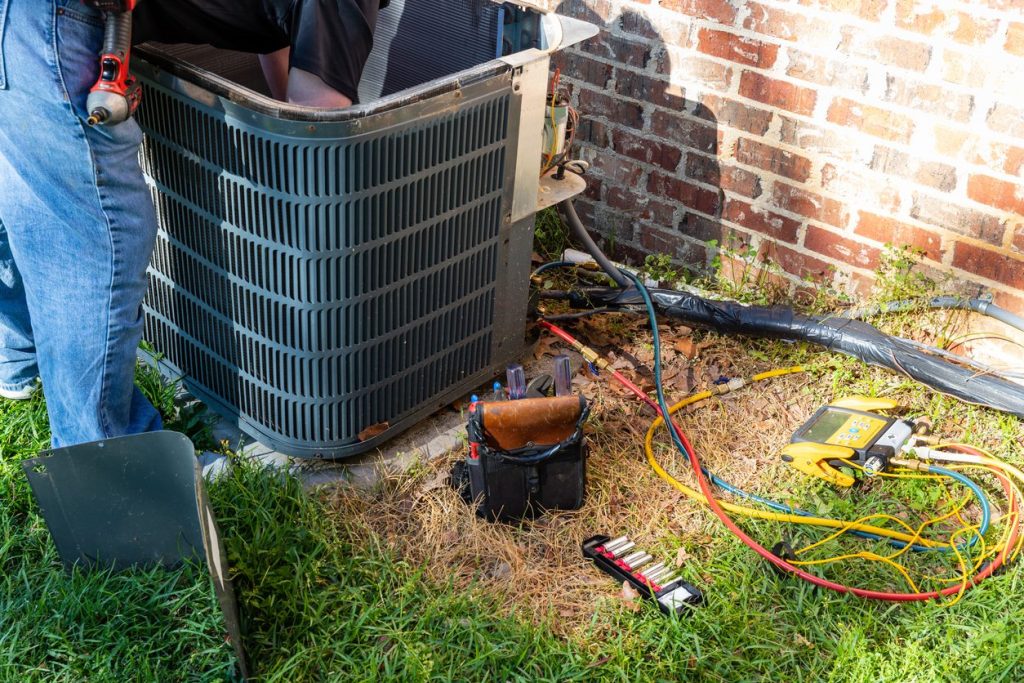
Is your air conditioner blowing warm air or not working at all? If so, you might be dealing with a frozen air conditioner unit.
This issue is more common than you think and can leave you sweating in frustration, especially during those hot summer days. But don’t worry, you’re not alone, and there is a simple solution. Imagine the relief you’ll feel when you fix it and cool, refreshing air fills your space once again.
In this guide, you’ll discover easy steps to unfreeze your AC unit and get it running smoothly. So, if you’re ready to reclaim your comfort and enjoy a cool home, read on. Your solution is just a few steps away!

Credit: www.davisheat.com
Causes Of A Frozen Ac Unit
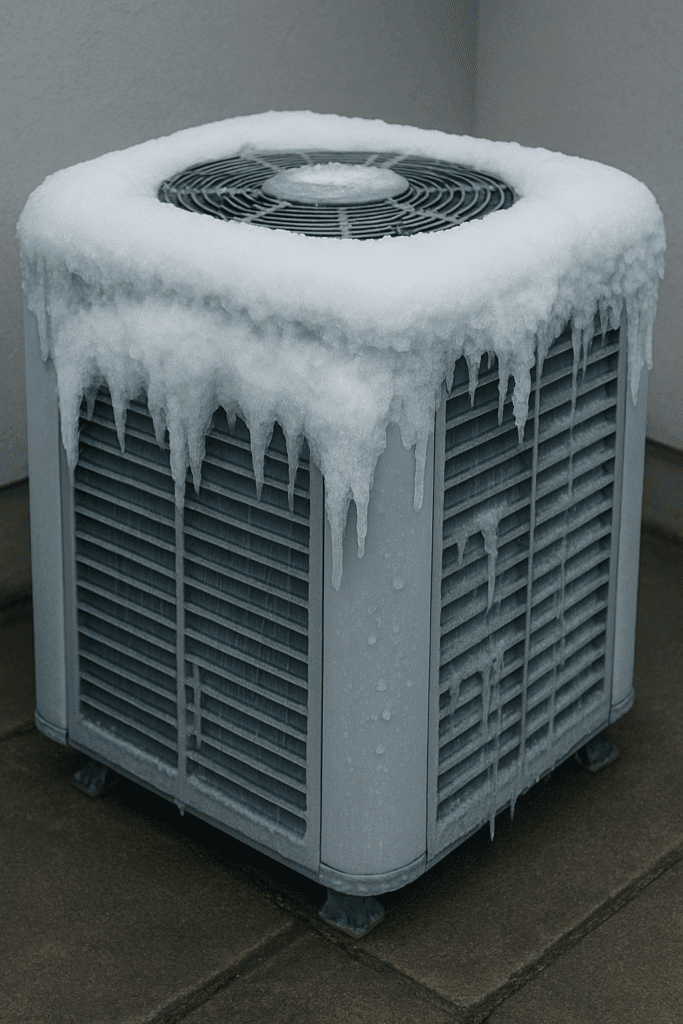
A frozen air conditioner stops cooling properly. Ice forms on the unit’s coils or pipes. This issue can damage the AC if not fixed quickly.
Several reasons cause an AC unit to freeze. Knowing these helps in fixing the problem fast.
Low Refrigerant Levels
Refrigerant cools the air inside your home. Low levels cause the AC coils to get too cold. This makes ice form on the unit.
Leaks or poor maintenance can reduce refrigerant. The AC then works harder, which causes freezing.
Dirty Air Filters
Air filters catch dust and dirt before air enters the AC. Dirty filters block airflow. This lowers air temperature on the coils.
Cold coils freeze moisture in the air. This ice builds up and stops the AC from working well.
Blocked Airflow
Blocked airflow means air cannot move freely through the AC system. Obstructions like closed vents or dirty ducts cause this.
Without good airflow, coils get too cold and ice forms. This can also make your home less comfortable.
- Closed or blocked vents
- Dirty or damaged ductwork
- Furniture or objects near the AC unit
Thermostat Issues
A broken or badly placed thermostat can cause freezing. It may not read the room temperature correctly. This makes the AC run too long or too cold.
Incorrect settings or faulty sensors confuse the system. The AC then creates ice on the coils instead of cooling the air properly.
Credit: bellplumbing.com
Safety Precautions Before Repair
Fixing a frozen air conditioner needs care and safety. Taking precautions helps avoid accidents and damage.
Follow these safety steps before starting any repair work on your AC unit.
Power Off The Unit
Always turn off the air conditioner before you begin repairs. This stops electrical shocks and moving parts from hurting you.
- Find the main power switch or circuit breaker for the AC.
- Switch off the power to the unit completely.
- Double-check that the unit is not running.
Wear Protective Gear
Use the right safety gear to protect yourself from cold, sharp parts, and chemicals inside the AC.
- Wear gloves to protect your hands.
- Use safety glasses to shield your eyes.
- Put on long sleeves to avoid skin contact with refrigerants.
Avoid Diy Risks
Some repairs need special tools or skills. Avoid risks by knowing what you can and cannot fix yourself.
| Risk | Reason | Advice |
|---|---|---|
| Handling refrigerants | Can cause health issues and legal problems | Hire a certified technician |
| Electrical repairs | High shock risk | Consult a professional electrician |
| Compressor issues | Complex and costly to fix | Get expert help |
Step-by-step Defrosting Process
A frozen air conditioner can stop cooling your home. You need to defrost it safely to restore its function. Follow these simple steps carefully.
Defrosting prevents damage to the AC and helps it work efficiently again. Use this guide to fix the problem at home.
Turn Off The Ac
Start by turning off the air conditioner. This stops the compressor and fan from running. It also prevents more ice from forming.
Switch off the unit at the thermostat or unplug it from the power source. Leave it off while you work on defrosting.
Use A Fan To Melt Ice
Place a fan near the frozen AC unit. The airflow helps melt the ice faster and safely. Avoid using sharp tools to chip away ice.
- Set the fan to medium speed.
- Direct airflow toward the frozen coils.
- Keep the fan running until all ice melts.
- Use towels to soak up melting water.
Check For Ice Buildup
After the ice melts, inspect the AC coils and pipes. Check if any ice remains or if there is water damage.
| Area | What to Look For |
| Coils | Clean and dry without ice |
| Pipes | No cracks or leaks |
| Drain Pan | Clear and free of water buildup |
Restart The System
Once the ice is gone and the unit is dry, turn the AC back on. Set the thermostat to your preferred temperature.
Watch the system for a few minutes. Make sure it runs smoothly without ice forming again.
Cleaning And Maintenance Tips
Keeping your air conditioner clean helps it run smoothly. Dirt and dust can cause problems. Regular maintenance prevents freezing and breakdowns.
Follow simple cleaning steps to fix a frozen AC unit. These tips improve air flow and cooling efficiency.
Replace Or Clean Filters
Dirty filters block air flow. This makes the AC freeze up. Check filters every month during use. Replace disposable filters or wash reusable ones with warm water.
- Turn off the unit before removing filters
- Remove dust by vacuuming or washing filters
- Let reusable filters dry fully before reinstalling
- Replace filters if they are torn or very dirty
- Use the correct filter size for your unit
Clear Debris Around Unit
Leaves, grass, and dirt can block the outdoor unit. This stops air flow and causes freezing. Keep the area clean and clear for better performance.
| Debris Type | Cleaning Method |
| Leaves | Remove by hand or with leaf blower |
| Grass Clippings | Rinse with garden hose |
| Dirt and Dust | Brush gently or vacuum |
| Twigs and Small Branches | Pick up and discard |
Inspect Evaporator Coils
Dirty evaporator coils reduce cooling and cause ice buildup. Clean coils help the AC work well and avoid freezing.
To clean evaporator coils:
- Turn off power to the AC unit
- Locate the evaporator coils inside the air handler
- Use a soft brush to remove dust
- Spray coil cleaner and wait 10 minutes
- Rinse gently with water if possible
- Allow coils to dry before powering on
Preventing Future Freezing
A frozen air conditioner can stop working and cause damage. Preventing freezing helps your unit run smoothly. Simple care steps keep the system cool and safe.
Follow these tips to avoid ice build-up. Regular checks and good airflow are key to a healthy AC unit.
Regular Maintenance Schedule
Set a regular time to clean and check your AC. Change or clean filters every one to three months. Dirt and dust block airflow and cause freezing.
- Clean or replace air filters monthly during heavy use
- Inspect the evaporator and condenser coils yearly
- Clear debris around outdoor units
- Check drain lines for clogs
Monitor Refrigerant Levels
Low refrigerant causes the coils to get too cold. This leads to ice build-up. Have a professional check levels yearly or if cooling drops.
| Refrigerant Issue | Effect | What to Do |
| Low Levels | Ice forms on coils, poor cooling | Call technician to refill and check for leaks |
| Overcharged | Pressure damage, inefficient cooling | Adjust refrigerant amount by technician |
| Leaks | Loss of refrigerant, freezing risk | Repair leaks promptly |
Ensure Proper Airflow
Good airflow stops freezing by keeping air moving over coils. Blocked vents or dirty filters reduce airflow. Check vents and fans often.
Tips to improve airflow:
- Keep vents open and unblocked
- Clean or replace filters regularly
- Remove furniture or curtains blocking vents
- Check fan operation monthly

Credit: serviceplusheatingcooling.ca
When To Call A Professional
A frozen air conditioner can cause discomfort and damage. Sometimes, the problem needs expert help.
Knowing when to call a professional saves time and prevents bigger issues.
Persistent Freezing Issues
If your AC freezes repeatedly after thawing, it signals a deeper problem. Simple fixes may not work.
A professional can check if the system airflow or thermostat settings cause the freezing.
Refrigerant Leaks
Low refrigerant causes ice buildup on the coils. Leaks reduce cooling efficiency and harm the environment.
Only certified technicians can find and fix refrigerant leaks safely and recharge your system.
Electrical Problems
Electrical issues can stop your AC from working properly and cause freezing. These include faulty wiring or capacitor problems.
Calling a professional ensures safe diagnosis and repair of electrical parts to avoid damage or hazards.
Frequently Asked Questions
Why Is My Air Conditioner Frozen?
Your AC freezes due to restricted airflow or low refrigerant. Dirty filters, blocked vents, or low coolant cause ice buildup. Fix these issues to prevent freezing and improve cooling efficiency.
How Can I Defrost A Frozen Ac Unit?
Turn off the AC and let the ice melt naturally. Use a fan to speed up defrosting. Avoid using sharp objects to remove ice as it may damage the unit.
What Causes Low Airflow In Air Conditioners?
Clogged filters, dirty coils, or blocked vents reduce airflow. A malfunctioning blower fan can also cause poor air circulation. Regular maintenance helps maintain proper airflow and prevents freezing.
When Should I Call A Professional For A Frozen Ac?
Call a technician if freezing persists after basic fixes. Low refrigerant or compressor issues require expert diagnosis. Regular servicing prevents severe damage and costly repairs.
Conclusion
Fixing a frozen air conditioner helps keep your home cool and comfortable. Regular cleaning and checking the filters prevent ice buildup. Make sure airflow is not blocked around the unit. Turning off the AC to let ice melt is important.
Call a professional if the problem continues or feels complex. Small steps can save money and avoid bigger repairs. Stay cool by taking care of your air conditioner today.