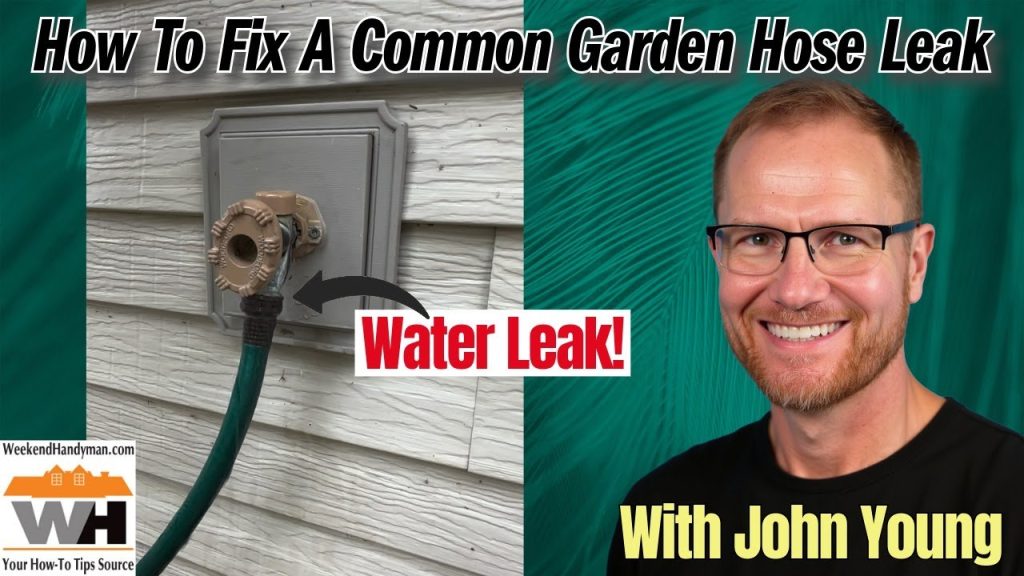
Is your garden hose leaking and wasting water every time you use it? A small drip might seem harmless, but it can quickly turn into a big problem, costing you money and frustrating your gardening routine.
You don’t have to replace the whole hose or call a plumber to fix it. You’ll discover simple and effective ways to stop those leaks fast. Keep reading, and by the end, you’ll have your hose working like new again—saving water, time, and stress.

Credit: www.familyhandyman.com
Common Causes Of Hose Leaks
Garden hoses are essential for watering plants and cleaning outdoor spaces. Leaks can waste water and reduce efficiency.
Understanding common causes of leaks can help you fix them quickly and easily.
Worn Out Washers
Washers ensure a tight seal at hose connections. Over time, they can wear out, causing leaks.
- Inspect washers regularly
- Replace damaged washers promptly
- Use rubber washers for better durability
Cracked Hose
Hoses can crack due to exposure to sun or cold weather. Cracks allow water to leak out.
Loose Connections
Loose connections at the spigot or nozzle can result in leaks. Tighten connections to stop water loss.
Damaged Fittings
Fittings attach hoses to spigots or nozzles. If fittings are damaged, water can leak.
| Fitting Type | Common Issue |
| Plastic | Prone to cracking |
| Metal | Corrosion over time |

Credit: www.youtube.com
Tools And Materials Needed
Fixing a garden hose leak requires some simple tools and materials. Having these ready makes the repair faster and easier.
This guide will help you gather the right items to fix your hose properly.
Basic Repair Kit
A basic repair kit has the essential tools to fix small leaks. These tools help you cut, tighten, and seal the hose.
- Utility knife or scissors to cut the hose
- Adjustable wrench or pliers to tighten fittings
- Screwdriver for hose clamps or connectors
- Replacement washers for sealing leaks
- Bucket or container to catch water during repair
Replacement Parts
Replacement parts are necessary if your hose fittings are broken or worn out. These parts fit onto the hose ends to stop leaks.
- Hose connectors or couplings
- Hose end caps
- Rubber washers and O-rings
- Hose repair couplers or splice kits
Sealants And Tape
Sealants and tape help stop leaks at joints or cracks. They create a tight, waterproof seal around the damaged area.
- Plumber’s tape (Teflon tape) for threaded fittings
- Waterproof silicone sealant for cracks
- Rubber tape or self-fusing silicone tape for wrapping leaks
Step-by-step Leak Repair
A garden hose leak wastes water and lowers pressure. Fixing leaks saves water and keeps your plants healthy.
This guide shows how to repair hose leaks with simple steps. You can do it yourself with basic tools.
Locate The Leak
First, find where the hose is leaking. Look for wet spots or water spraying out.
Check the entire length, including connectors and fittings. Sometimes leaks hide in small cracks.
Turn Off Water Supply
Before fixing, turn off the water at the faucet. This stops water flow and prevents mess.
Drain the hose by holding it upright. Let water flow out to dry the hose for repair.
Remove Damaged Section
Cut out the damaged part of the hose with a sharp knife or scissors. Cut straight for a clean fit.
If the leak is near a fitting, remove the fitting carefully. Some fittings unscrew, others pull off.
Replace Washers Or Fittings
Old washers inside connectors can cause leaks. Remove old washers and insert new ones of the same size.
If fittings are cracked or broken, replace them. Use hose fittings that match your hose diameter.
- Choose rubber washers for better sealing
- Use brass or plastic fittings as needed
- Check hose size before buying parts
Seal And Secure Connections
Apply plumber’s tape or sealant on threads before connecting fittings. This prevents leaks at joints.
Push fittings firmly into the hose ends. Tighten connectors by hand or with pliers, but do not over-tighten.
- Wrap threads with plumber’s tape clockwise
- Insert hose clamps over hose ends
- Tighten clamps securely to hold fittings
Temporary Fixes For Emergencies
Garden hose leaks can waste water and slow down your work. You may need a quick fix before a full repair.
Here are easy ways to stop leaks temporarily. Use these methods to keep water flowing until you can fix the hose properly.
Using Tape And Sealant
Wrap waterproof tape tightly around the leak area. This stops water from escaping for a short time.
- Clean and dry the hose surface first
- Wrap the tape in several layers over the leak
- Press the tape firmly to seal gaps
- For better hold, use silicone sealant under the tape
Clamping The Leak
You can use a hose clamp or a small clip to pinch the leak shut. This method works well on small holes or cracks.
| Tool | How to Use |
| Hose Clamp | Place over leak and tighten with screwdriver |
| Small Clip | Pinch the hose leak tightly to stop dripping |
| Wire Twist Tie | Wrap and twist around leak to compress it |
Applying Rubber Patches
Use a piece of rubber to cover the leak and hold it in place with tape or a clamp. Rubber resists water well.
Follow these steps for a rubber patch:
- Cut a rubber piece larger than the leak
- Place it over the damaged area
- Secure it tightly with strong tape or clamp
- Check for leaks after applying the patch
Preventing Future Leaks
Fixing a garden hose leak is important, but preventing leaks is even better. Proper care can make your hose last longer.
Simple habits protect your hose from damage and keep water flowing smoothly.
Proper Storage Tips
Store your garden hose properly after use. Avoid leaving it in direct sunlight or on rough surfaces. Sun and rough ground can cause cracks and leaks.
- Drain all water from the hose before storing.
- Coil the hose loosely to prevent bends and kinks.
- Use a hose reel or hanger to keep it off the ground.
- Store the hose indoors or in a shaded area during winter.
Regular Maintenance
Check your hose often for small cracks or weak spots. Repair leaks quickly to stop bigger problems.
| Maintenance Task | Frequency | Reason |
| Inspect for cracks and holes | Every month | Catch leaks early |
| Clean hose ends and fittings | Every use | Prevent dirt buildup |
| Tighten or replace washers | Every 3 months | Ensure tight seals |
| Store properly after use | Every time | Prevent damage and leaks |
Avoiding Kinks And Twists
Kinks and twists weaken your hose and cause leaks. Handle your hose gently to keep it in good shape.
- Unroll the hose fully before use.
- Do not drag the hose around sharp corners.
- Use hose guides to prevent sharp bends.
- Allow the hose to rest if it gets hot to avoid cracks.

Credit: www.familyhandyman.com
When To Replace Your Garden Hose
Knowing when to replace your garden hose saves water and effort. A damaged hose can waste water and make gardening harder.
This guide helps you spot signs that a hose needs replacement. It also covers how to pick a strong hose and weigh costs.
Signs Of Irreparable Damage
Some hose problems cannot be fixed. Look for deep cracks, large leaks, or worn-out areas. These often mean the hose must go.
- Cracks that split when bent
- Leaks that appear in many places
- Hose material feels thin or brittle
- Connectors are broken or missing
- Hose kinks and stays bent easily
Choosing A Durable Hose
Select a hose made from tough materials. Rubber and reinforced vinyl last longer. Check for UV resistance to avoid sun damage.
| Hose Material | Durability | Flexibility |
| Rubber | High | Good |
| Reinforced Vinyl | Medium | Good |
| Latex | Low | Very Flexible |
| Polyurethane | Medium | High |
Cost Vs. Repair Considerations
Decide if fixing your hose is worth it. Small leaks can be patched. Large damage may cost more than a new hose.
- Fix small holes with repair tape or patches
- Replace broken connectors
- Replace the hose if damage is widespread
- Consider the price of a new hose before repairs
Frequently Asked Questions
How Can I Find A Leak In My Garden Hose?
Check the hose by running water and feeling for wet spots. Look for cracks, holes, or damaged areas. Use soapy water to spot bubbles at the leak site.
What Tools Fix A Garden Hose Leak Effectively?
Use a hose repair kit, including a connector, clamps, and replacement washers. You might need scissors or a utility knife to cut the hose cleanly.
Can I Repair A Garden Hose Without Buying New Parts?
Yes, small punctures can be sealed with waterproof tape or silicone sealant temporarily. For long-term fixes, replacement parts provide better durability and water flow.
How Do I Prevent Future Leaks In Garden Hoses?
Avoid kinking or bending the hose sharply. Store hoses properly, away from direct sunlight and freezing temperatures to prolong their life.
Conclusion
Fixing a garden hose leak saves water and money. Small leaks can cause big problems over time. Use basic tools and materials to repair quickly. Regular checks help spot leaks early. Keep your hose in good shape for longer use.
A simple fix keeps your garden healthy and green. Don’t let leaks waste water or harm plants. Try these easy steps and enjoy a drip-free hose.