
Cracks, scratches, or stains on your glass cooktop can be frustrating, especially when you rely on it for daily cooking. You might worry about the cost of repairs or even replacing the entire unit.
But before you stress out, know that you can fix many common issues yourself with a little guidance. Imagine restoring your cooktop’s sleek, shiny surface without breaking the bank. This guide will show you how to do just that. You’ll discover simple, effective solutions to make your cooktop look and function like new again.
Dive in, and you’ll soon regain the joy of cooking on a pristine glass surface. Ready to transform your kitchen? Let’s get started!
Common Glass Cooktop Issues
Glass cooktops offer a sleek and modern look for your kitchen, but they come with their own set of challenges. Knowing the common issues can help you keep your cooktop in top shape and avoid costly repairs. Let’s look at some typical problems you might face and what you can do about them.
Cracks And Chips
Cracks and chips are among the most frustrating problems with glass cooktops. A small chip can quickly turn into a dangerous crack if left untreated. You might notice these damages after dropping a heavy pot or accidentally hitting the surface with a utensil.
Ignoring cracks is risky—they can spread and compromise the cooktop’s safety. You can use a special glass repair kit to fix minor chips, but deep cracks usually require professional replacement. Have you ever tried to patch a crack yourself? It’s worth knowing when to call for help.
Burner Malfunctions
Burner malfunctions can disrupt your cooking and cause uneven heat distribution. Sometimes burners won’t heat up, or they may flicker on and off. This can happen due to faulty wiring, a bad heating element, or issues with the control knobs.
Check if the burners are clean and free from debris, as buildup can block proper contact. If the problem persists, testing the heating element with a multimeter can identify if it needs replacement. Have you noticed your burner acting up after a spill or sudden power surge?
Surface Stains And Residue
Surface stains and residue are common but often overlooked problems. Burnt-on food and mineral deposits can dull your cooktop’s shine and make cleaning harder over time. Using harsh scrubbers or chemicals can scratch or damage the glass.
Try gentle cleaning methods first, like warm soapy water or a vinegar solution. A razor scraper designed for glass tops can safely remove stubborn spots without scratching. What’s your go-to trick for getting rid of tough stains on your cooktop?
Tools And Materials Needed
Fixing a glass cooktop requires the right tools and materials. Having these ready makes the repair easier and safer. Prepare your workspace and gather everything before you start. This ensures a smooth process and prevents damage to your cooktop.
Cleaning Supplies
- Non-abrasive cleaner for glass surfaces
- Soft cloths or microfiber towels
- Razor blade scraper for stuck-on residue
- Warm water and mild dish soap
Cleaning supplies help remove dirt and grease. Use gentle products to avoid scratches on the glass.
Repair Kits
- Glass cooktop repair kit specific to your model
- Replacement parts like heating elements or knobs
- Adhesive or sealant for cracks or chips
- Small screwdriver set for removing panels
Repair kits contain parts and tools needed for fixes. Choose kits that match your cooktop brand and model.
Safety Gear
- Heat-resistant gloves to protect your hands
- Safety goggles to guard your eyes
- Protective mask if working with chemicals
- Long-sleeve clothing to avoid burns
Safety gear prevents injuries during repair. Always wear it before touching hot or sharp parts.
Preparing The Cooktop For Repair
Preparing your glass cooktop for repair is essential for a safe and effective fix. Proper preparation helps avoid accidents and ensures you identify the problem clearly. Take time to prepare the surface and check the cooktop carefully before starting the repair.
Power Shutdown
Always turn off the power before working on the cooktop. Unplug the appliance or switch off the circuit breaker. This prevents electrical shocks and protects you during repair. Double-check that the cooktop is completely off.
Surface Cleaning
Clean the cooktop surface thoroughly. Use a soft cloth and gentle cleaner to remove grease and dirt. Avoid harsh chemicals or abrasive tools that can scratch the glass. A clean surface helps you see cracks or damage clearly.
Inspection
Look closely at the cooktop for visible damage. Check for cracks, chips, or discoloration on the glass. Inspect the control knobs and burners for any signs of wear. Note down any issues to address during the repair process.
Fixing Cracks And Chips
Cracks and chips on a glass cooktop can spoil its look and function. Repairing these damages early helps avoid bigger problems. Small cracks and chips can often be fixed at home with simple tools. The right approach depends on the size and depth of the damage. Follow these steps to restore your cooktop’s smooth surface and safety.
Using Glass Repair Kits
Glass repair kits are designed for minor cracks and chips. These kits contain resin that fills the damaged area. Clean the cooktop surface first to remove dirt and grease. Apply the resin carefully into the crack or chip using the provided tools. Let the resin dry fully, usually under natural light or UV light. This method prevents cracks from spreading and restores the surface’s appearance.
Applying Epoxy Resin
Epoxy resin is strong and heat resistant. Mix the two parts of epoxy according to instructions. Use a toothpick or small brush to apply epoxy inside cracks and chips. Smooth the surface with a plastic scraper or card. Allow the epoxy to cure completely before using the cooktop. This method works well for deeper chips and small cracks.
Sanding And Polishing
After resin or epoxy dries, the surface may feel rough. Use fine-grit sandpaper to smooth the repair area gently. Sand in small circles until the surface is even. Clean the area with a damp cloth to remove dust. Finish by polishing with a glass cleaner or a polishing compound. This step restores shine and blends the repair with the rest of the cooktop.
Repairing Burner Issues
Burner issues on a glass cooktop can be frustrating, especially when you’re in the middle of preparing a meal. Fixing these problems often means getting hands-on with the electrical parts and components. Understanding how to check connections, replace faulty parts, and test burners can save you time and money, and restore your cooktop’s efficiency.
Checking Electrical Connections
Start by unplugging your cooktop to avoid any risk of electric shock. Remove the cooktop panel carefully to access the wiring underneath. Look for loose, disconnected, or burnt wires that might be causing the burner to malfunction.
Use a multimeter to check if the wires are carrying current properly. Pay attention to the connectors and terminals; sometimes simply tightening a loose connection can fix the problem. Have you ever found a loose wire that was the entire cause of your appliance’s failure?
Replacing Faulty Components
If the wiring appears intact, the next step is to identify faulty components such as burners, switches, or control boards. These parts can wear out over time or get damaged due to power surges. Ordering exact replacements from the manufacturer ensures compatibility and long-term reliability.
Remove the faulty component by carefully disconnecting it from the wiring and mounting points. Install the new part, making sure all connections are secure. Remember, even a small mistake like a loose terminal can cause the burner to fail again.
Testing Burners
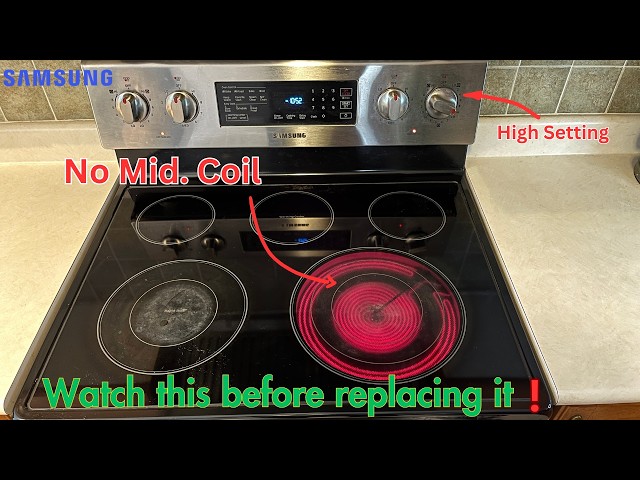
Once you’ve checked connections and replaced parts, it’s time to test the burners before reassembling the cooktop. Plug the unit back in and turn on each burner one at a time. Observe if they heat up evenly and respond correctly to the controls.
Use a thermometer to measure surface temperature if you want to be precise. If a burner still doesn’t work, it might indicate a deeper electrical issue or a problem with the control board. How often do you think a simple test like this can prevent costly repairs down the line?
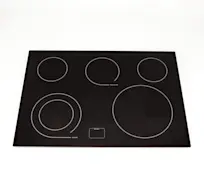
Credit: www.searspartsdirect.com
Removing Stains And Residue
Removing stains and residue from your glass cooktop is essential for maintaining its sleek look and optimal performance. Stubborn marks can build up quickly from spills or burnt-on food, making your cooktop look dull and harder to clean later. Understanding the right cleaning methods helps you restore its shine without causing damage.
Using Homemade Cleaners
You can tackle stains using simple ingredients found in your kitchen. A mixture of baking soda and water creates a gentle paste that effectively lifts grime without scratching the surface. Apply the paste on the stain, let it sit for 10-15 minutes, then gently scrub with a soft cloth or sponge.
White vinegar is another powerful option. Spray it directly onto the cooktop and wipe with a microfiber cloth to dissolve grease and mineral deposits. This natural approach is budget-friendly and safe for frequent use.
Commercial Cleaning Products
There are many commercial cleaners specifically designed for glass cooktops that can remove tough stains fast. Look for products labeled non-abrasive to avoid scratching the surface. Brands like Cerama Bryte and Weiman offer formulas that dissolve burnt-on food and leave a streak-free shine.
Always follow the manufacturer’s instructions carefully. Some cleaners require you to apply them on a cool cooktop and wipe off with a damp cloth, while others may need a few minutes to activate. Testing on a small area first can prevent accidental damage.
Preventive Maintenance Tips
Prevent stains before they start by wiping spills immediately after the cooktop cools down. Using a soft cloth or paper towel helps avoid grinding debris into the surface. Avoid using harsh scrubbing pads or metal tools that can scratch the glass.
Consider applying a cooktop protector or ceramic surface polish once a month. These products create a barrier that repels dirt and makes future cleaning easier. Have you noticed how small daily habits can save you from big cleaning headaches later?
When To Call A Professional
Knowing when to call a professional to fix your glass cooktop can save you time, money, and frustration. Not every issue requires a DIY fix, especially when safety and appliance longevity are at stake. Understanding the signs that point to professional help ensures you don’t make the problem worse or risk injury.
Severe Damage
If your glass cooktop has large cracks, shattered glass, or deep scratches, it’s time to stop and call an expert. Attempting to patch or tape these damages can be dangerous and won’t restore the cooktop’s safety or performance. A professional has the tools and parts to replace the glass safely and correctly.
Think about this: can a DIY repair really guarantee your cooktop won’t break further while cooking? Usually not. Severe damage usually means replacement, not repair.
Electrical Problems
Electrical issues like flickering burners, unresponsive controls, or sparks are red flags you shouldn’t ignore. These problems can be caused by wiring faults or damaged heating elements that require specialized knowledge to diagnose. You might risk electric shock or fire hazards if you try fixing these yourself.
Ask yourself: do you have the experience to safely handle electrical components? If the answer is no, calling a professional is the safest bet.
Warranty Considerations
Before attempting any repairs, check your cooktop’s warranty terms. Some warranties become void if you try to fix it yourself or use unauthorized parts. Professionals often use approved components and provide service that keeps your warranty intact.
It’s worth asking: could a DIY fix cost you more in the long run by voiding your warranty? Often, professional service protects your investment better than quick home repairs.

Credit: www.reddit.com
Credit: www.youtube.com
Frequently Asked Questions
How Do I Clean Stains On A Glass Cooktop?
Use a soft cloth with a cooktop cleaner or baking soda paste. Avoid abrasive pads to prevent scratches. Wipe gently and rinse with water. Dry with a microfiber cloth for a streak-free shine.
What Causes Cracks On A Glass Cooktop?
Cracks often result from sudden temperature changes or dropping heavy objects. Using cookware with rough bottoms can also cause damage. Always handle your cooktop carefully and avoid placing hot pans on a cold surface.
Can I Repair Minor Scratches On A Glass Cooktop?
Minor scratches can be reduced with a cerium oxide polish or specialized glass cooktop polish. Apply gently using a soft cloth and follow product instructions. Deep scratches usually require professional repair or replacement.
How Do I Fix A Glass Cooktop That Won’t Heat?
Check if the cooktop is properly plugged in and the circuit breaker is on. Ensure the controls are set correctly. If it still won’t heat, the heating element or internal wiring may need professional inspection.
Conclusion
Fixing a glass cooktop is easier than it seems. Careful steps and the right tools help a lot. Clean the surface gently and check for cracks. Replace broken parts quickly to avoid more damage. Always follow safety tips while working.
Taking care of your cooktop saves money and time. Keep it clean to make it last longer. Small repairs keep your kitchen safe and working well. You can handle simple fixes without stress. Stay calm and work slowly for best results.