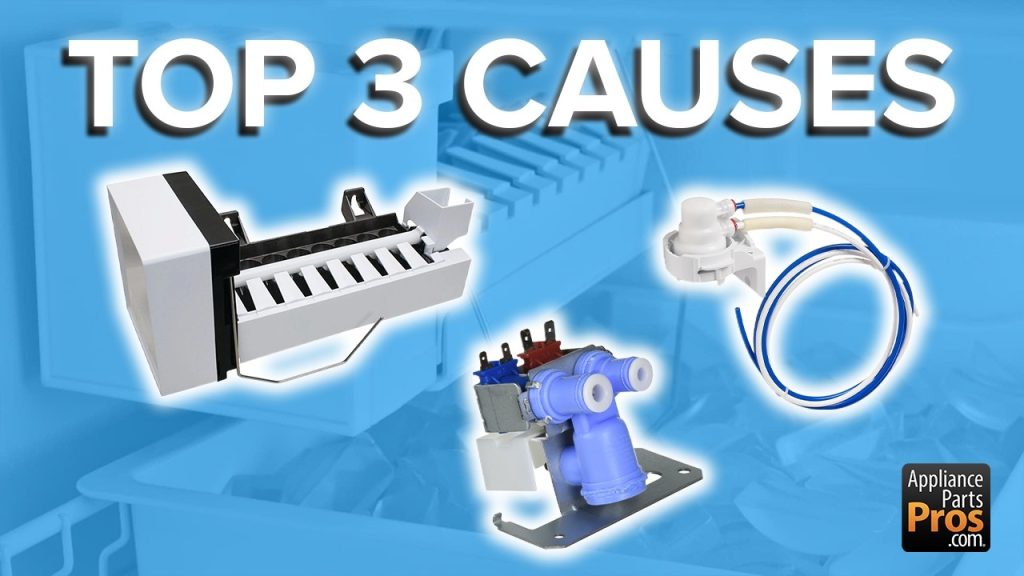
Is your Kenmore ice maker not working like it used to? You rely on it every day for cold drinks and keeping things fresh, so a broken ice maker can be frustrating.
But before you call a repair technician or buy a new one, there are simple fixes you can try yourself. You’ll discover easy steps to get your Kenmore ice maker back up and running quickly. Keep reading—you’ll be surprised how simple it is to solve common problems and enjoy ice again in no time.

Credit: www.reddit.com
Common Ice Maker Issues
Ice makers are convenient appliances, but they can develop common issues that disrupt your daily routine. Understanding these problems helps you fix your Kenmore ice maker without waiting for a technician. Let’s look at the most frequent issues and how to spot them early.
No Ice Production
If your Kenmore ice maker stops producing ice, start by checking if it’s turned on. Sometimes the ice maker’s switch is accidentally turned off or the freezer temperature is too high. A clogged water filter or frozen water line can also block ice production.
Have you checked if the water supply valve is fully open? A closed or partially closed valve often causes no ice to form. Fixing this simple step can save you time and hassle.
Ice Maker Not Filling
When the ice maker doesn’t fill with water, the water inlet valve might be faulty or clogged. Debris can block the valve, preventing water from entering the ice mold. It’s worth inspecting the valve and cleaning or replacing it if necessary.
Another point to check is the water line itself. A kinked or frozen water line will stop water flow. You can gently thaw the line using warm towels or a hairdryer on a low setting.
Ice Cubes Are Small Or Misshapen
Small or oddly shaped ice cubes often indicate low water pressure or a dirty water filter. Replacing the filter can improve water quality and ice cube size. Also, check if the freezer temperature is set correctly—too warm or too cold can affect ice shape.
Have you noticed ice cubes sticking together? This might mean the ice bin is too full or the tray isn’t cooling evenly. Try removing excess ice and see if that fixes the issue.
Leaking Water
Water leaks around the ice maker usually come from a loose or damaged water line connection. Inspect all water supply tubes for cracks or loose fittings. Tightening connections or replacing damaged parts can stop leaks quickly.
Sometimes the drain tube is clogged, causing water to back up and spill. Cleaning the drain area can prevent overflow and keep your freezer dry. Don’t ignore small leaks; they can cause bigger problems over time.
Ice Maker Making Noise
Unusual noises from your ice maker might mean the motor or ejector blades are struggling. Dirt or ice buildup around moving parts can cause grinding or buzzing sounds. Regular cleaning of these parts helps maintain smooth operation.
Another noise source could be the water inlet valve opening and closing rapidly. This often points to water pressure issues or valve malfunctions. Have you heard a clicking or humming noise? It might be time to test or replace the valve.
Tools And Materials Needed
Fixing a Kenmore ice maker requires the right tools and materials. Having everything ready makes the repair smoother and faster. This section lists the essential items needed before you start.
Basic Tools
- Screwdrivers (Phillips and flathead)
- Pliers for gripping and twisting
- Socket wrench set for bolts
- Multimeter to check electrical parts
- Flashlight for better visibility
Replacement Parts
- Ice maker assembly or module
- Water inlet valve
- Ice maker motor or ejector blades
- Thermostat or temperature sensor
- Wiring harness if damaged
Safety Gear
- Insulated gloves to avoid shocks
- Safety glasses to protect eyes
- Work apron or old clothes
- Non-slip shoes for stable footing
- Mask if cleaning chemical fumes
Step-by-step Fixes
Fixing a Kenmore ice maker can seem tricky, but it’s manageable. By following a few simple steps, you can restore your ice maker’s function. Below, we explore practical ways to troubleshoot common issues.
Resetting The Ice Maker
Sometimes, a reset can fix minor issues. First, unplug the fridge for five minutes. Plug it back in. This can reset the ice maker’s control board. Check if the ice maker resumes normal operation.
Clearing Ice Blockages
Ice blockages can stop ice production. Look for ice build-up in the ice tray. Remove any ice manually. Use warm water to melt stubborn ice. Ensure the ice maker is free of blockages before restarting.
Replacing The Water Inlet Valve
The water inlet valve controls water flow to the ice maker. A faulty valve may need replacement. First, disconnect the power and water supply. Remove the back panel of the fridge. Locate the valve and replace it with a new one. Reconnect everything and test the ice maker.
Fixing The Ice Maker Motor
A malfunctioning motor can halt ice production. Listen for unusual sounds from the motor. If the motor is faulty, it may need replacement. Consult the manual for specific instructions. Ensure the motor functions properly after installation.
Adjusting The Ice Maker Arm
The ice maker arm controls ice production. If it’s stuck, the ice maker won’t work. Gently move the arm to ensure it’s in the correct position. The arm should move freely without obstruction. This can resume normal ice-making operations.
Credit: www.appliancerepairfortlauderdalefl.net
Preventive Maintenance Tips
Preventive maintenance keeps your Kenmore ice maker working well. It stops problems before they start. Simple checks and cleaning help ice makers last longer. Here are key tips to keep your machine in good shape.
Regular Cleaning
Clean the ice maker every few months. Remove old ice and wipe the inside with a soft cloth. Use warm water and mild soap. Avoid harsh chemicals that can damage parts. Clean the ice bin to stop mold and odors.
Checking Water Supply
Make sure the water line is clear and not frozen. Check the valve to ensure it opens fully. Low water flow can cause small or no ice. Replace filters regularly to keep water clean. Good water flow helps produce clear, solid ice cubes.
Inspecting For Wear And Tear
Look at the ice maker’s parts for cracks or damage. Check the ejector blades and motor. Worn parts can cause jamming or poor ice production. Replace broken or worn parts quickly. Regular inspection avoids costly repairs later.
When To Call A Professional
Knowing when to call a professional for your Kenmore ice maker can save you time, frustration, and even money. Some problems are more complicated than they seem and require expert skills to fix safely and effectively. Recognizing the signs that your ice maker needs professional attention helps you avoid causing further damage or risking injury.
Complex Electrical Issues
If your ice maker isn’t powering on or behaving erratically, the problem might lie in the electrical components. Issues like faulty wiring, a broken control board, or damaged sensors can be tricky to diagnose and repair without specialized tools and knowledge.
Attempting to fix electrical parts without experience can be dangerous. Have you ever tried to troubleshoot an electrical fault only to find it more confusing than expected? This is the time to call a technician who understands your Kenmore’s electrical system inside out.
Persistent Water Leaks
Water leaks around your ice maker often signal a problem with the water line or seals that isn’t going away after basic checks. If you notice water pooling or dripping continuously, it’s a warning sign you need expert help.
Leaks can cause serious damage to your fridge and floors if left unchecked. Professionals can pinpoint hidden leaks and replace faulty parts, preventing costly water damage and mold growth.
Unresponsive Ice Maker After Diy Fixes
Sometimes, after you’ve tried the usual fixes like resetting the ice maker or cleaning the filter, it still won’t make ice. This unresponsiveness might indicate deeper mechanical or electronic failures.
Rather than spending hours troubleshooting on your own, consider contacting a professional. They can perform thorough diagnostics and repairs that go beyond basic troubleshooting, ensuring your ice maker runs smoothly again.

Credit: www.appliancepartspros.com
Frequently Asked Questions
How Do I Reset My Kenmore Ice Maker?
To reset, locate the reset button inside the ice maker. Press and hold it for 10 seconds. This restarts the ice maker’s cycle and clears minor errors.
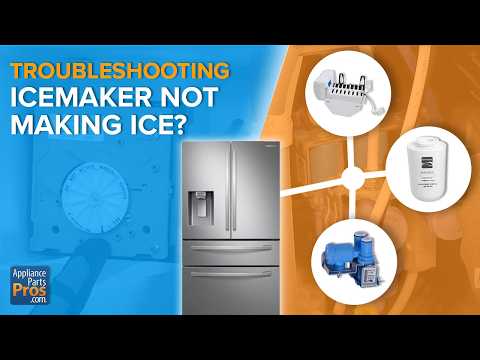
Why Is My Kenmore Ice Maker Not Making Ice?
Common causes include a frozen water line, faulty water inlet valve, or a defective thermostat. Check these parts for blockages or damage.
How Can I Clean My Kenmore Ice Maker?
Unplug the refrigerator, remove ice bin, and clean with warm, soapy water. Rinse and dry thoroughly before reinstalling to prevent mold and odors.
What Causes Ice Cubes To Be Small Or Hollow?
Low water pressure or a clogged water filter often reduces ice size. Replace the filter and ensure a proper water supply for full cubes.
Conclusion
Fixing a Kenmore ice maker can save you time and money. Start with simple checks like the water supply and ice maker switch. Clean the ice mold and remove any blockages. Test the thermostat and replace faulty parts if needed.
Small steps often solve common problems. Regular maintenance helps keep the ice maker working well. Follow these tips to enjoy fresh ice again soon. Don’t let a broken ice maker spoil your day. Try these fixes and see the difference.