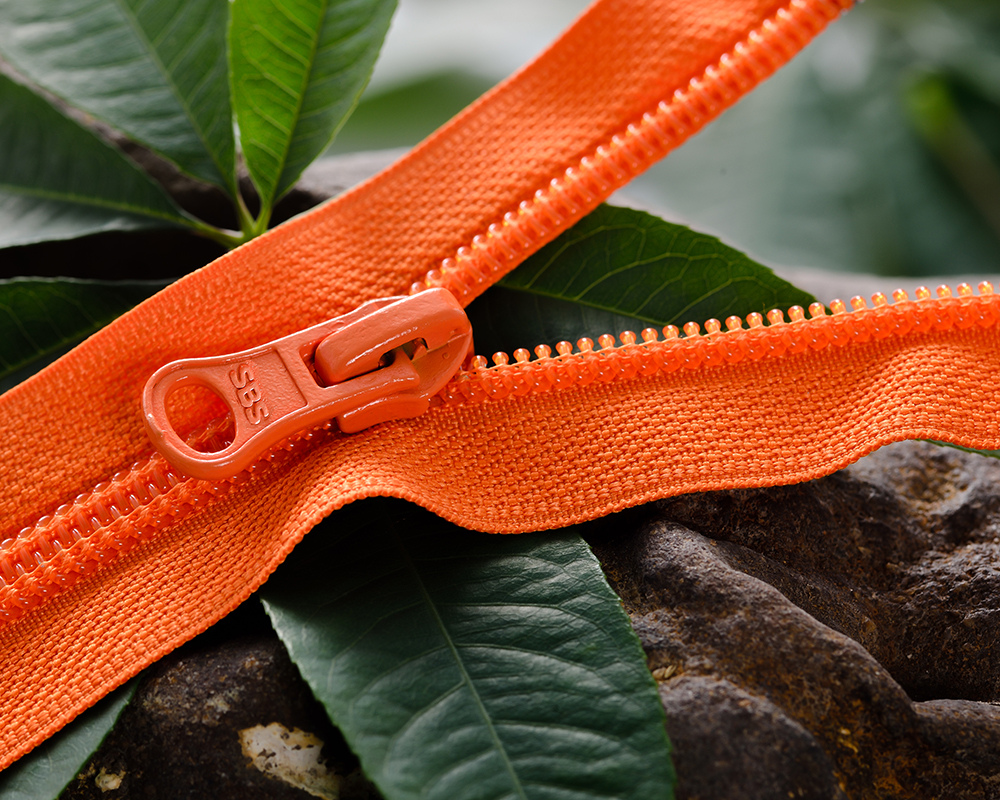
Have you ever zipped up your sleeping bag, only to find the zipper suddenly split apart? It’s frustrating, especially when you’re ready to relax or head to sleep.
A separated zipper can ruin your outdoor adventure or cozy night indoors. But don’t worry—fixing it is easier than you think. In this guide, you’ll learn simple, step-by-step tips to repair your sleeping bag zipper quickly. Keep reading, and you’ll be back to enjoying warmth and comfort in no time.
Common Causes Of Zipper Separation
A zipper on a sleeping bag can separate and cause frustration. Understanding why it happens helps fix it faster. Three common causes are worn out teeth, a misaligned slider, and fabric obstruction.
Each cause affects the zipper’s function differently. Knowing these can guide you to the right repair method.
Worn Out Teeth
Teeth on the zipper can wear down from frequent use or rough handling. Worn teeth do not close properly, causing the zipper to split open. Dirt and rust can also damage the teeth over time.
- Check for missing or bent teeth along the zipper track.
- Look for discoloration or rust on metal teeth.
- Feel for rough or sharp edges that can block smooth sliding.
Misaligned Slider
The slider moves the teeth together to close the zipper. If the slider is loose or out of place, it cannot join the teeth correctly. This causes the zipper to separate even when zipped up.
| Slider Problem | Effect on Zipper |
| Worn slider teeth | Teeth do not lock |
| Slider too wide | Teeth gap when zipped |
| Slider stuck or stiff | Cannot close zipper smoothly |
Fabric Obstruction
Sometimes fabric or threads get caught inside the zipper. This blocks the slider and stops the teeth from closing. Fabric obstruction can also damage the zipper if pulled hard.
- Look inside the zipper for stuck fabric or loose threads.
- Remove any debris gently before trying to zip again.
- Do not force the slider if it feels stuck.

Credit: www.sbs-zipper.com
Tools Needed For Repair
Fixing a separated zipper on a sleeping bag requires a few simple tools. Gathering these items will make your repair easier and faster.
Each tool plays a specific role in handling zipper parts and ensuring smooth function after repair.
Basic Sewing Kit
A sewing kit helps fix zipper fabric or replace missing stitches. It usually contains needles, thread, and scissors.
- Needles for hand sewing
- Thread matching the sleeping bag color
- Small scissors to cut thread
- Seam ripper to remove damaged stitches
- Thimble to protect your finger while sewing
Pliers And Tweezers
Pliers and tweezers help grip and move small zipper parts. They are useful for adjusting the zipper slider or pulling out broken teeth.
| Tool | Use |
| Needle-nose pliers | Grip and pull zipper slider |
| Flat-nose pliers | Adjust zipper teeth alignment |
| Tweezers | Remove tiny fabric or thread pieces |
Lubricants And Cleaning Supplies
Lubricants help the zipper slider move smoothly. Cleaning supplies remove dirt and debris that block zipper teeth.
- Bar soap or candle wax to lubricate zipper
- Graphite pencil lead for metal zippers
- Soft brush to clean dirt from teeth
- Cloth to wipe and dry the zipper
Step-by-step Repair Process
A sleeping bag zipper can split or get stuck, making it hard to use. Fixing it yourself saves time and money. Follow these clear steps to repair a separated zipper.
This guide helps you inspect, realign, and test the zipper for a smooth repair.
Inspecting The Zipper
Look closely at the zipper to find the problem. Check if teeth are bent or missing. See if the slider moves smoothly. Also, inspect the fabric around the zipper.
Use good light to spot small tears or fabric caught in the zipper.
Realigning Teeth And Slider
Start by gently pushing bent teeth back in place. Use pliers if needed, but be careful not to break them. Next, move the slider to the bottom of the zipper.
Slide the zipper up slowly while guiding the teeth to close evenly. If the slider is loose, pinch it gently with pliers to tighten its grip.
- Fix bent teeth with small pliers
- Move slider to zipper base
- Guide teeth as you zip up
- Tighten slider with gentle pressure
Fixing Fabric Snags
If fabric is caught in the zipper, stop zipping. Carefully pull the fabric out with tweezers or fingers. Avoid forcing the zipper as it can cause more damage.
Trim any loose threads near the zipper to prevent future snags.
- Use tweezers to remove stuck fabric
- Do not force the slider
- Trim loose threads near zipper teeth
Testing The Repair
After fixing the zipper, zip it up and down several times. Check if the teeth close evenly and the slider moves smoothly. Make sure the fabric does not catch again.
If the zipper still separates, repeat the steps or consider replacing the zipper.

Credit: www.sbs-zipper.com
Temporary Fixes For On-the-go
A separated zipper on a sleeping bag can spoil your outdoor trip. Fixing it quickly helps keep you warm and comfortable. Here are simple ways to fix the zipper when you are away from home.
These temporary fixes use common items you might have in your backpack. They hold the zipper closed until you can repair it properly later.
Using Safety Pins
Safety pins can hold the zipper teeth together if the slider is broken. Choose a medium or large safety pin for strength.
Pin through both sides of the zipper tape just below the gap. Use several pins spaced evenly for a strong hold.
- Check that pins do not poke your skin
- Place pins on the inside for comfort
- Remove pins before fixing the zipper later
Applying Tape
Tape can keep the zipper closed if it keeps coming apart. Use duct tape or strong cloth tape for best results.
Wrap the tape tightly around the zipper teeth. Cover the entire gap and press the tape firmly to hold it in place.
- Do not cover the slider with tape
- Remove tape gently to avoid fabric damage
- Use tape as a short-term solution only
Utilizing Binder Clips
Binder clips can clamp the zipper teeth together. They work well if the zipper slider is missing or broken.
Attach the clips on the zipper tape below the problem area. Use more than one clip for a secure hold.
- Choose clips that do not damage fabric
- Place clips where they do not bother you
- Remove clips before using the zipper again
Preventing Future Zipper Problems
A sleeping bag zipper can break or separate if not cared for properly. Taking small steps helps keep it working well. You can avoid many zipper issues by following simple tips.
Protecting your zipper extends the life of your sleeping bag. It also saves you time and effort fixing it later.
Regular Cleaning
Dirt and debris can cause the zipper to stick or break. Clean your sleeping bag zipper often to keep it smooth.
Use a soft brush to remove dirt from the teeth. Wipe the zipper gently with a damp cloth if needed. Avoid harsh chemicals that can damage the zipper.
- Brush zipper teeth to remove dust
- Use mild soap and water for cleaning
- Dry zipper completely after cleaning
Proper Storage
Store your sleeping bag in a dry place to protect the zipper. Moisture can cause rust or mold that harms the zipper parts.
Keep the zipper closed during storage. This stops dirt from entering and keeps the teeth aligned.
- Store sleeping bag in a cool, dry area
- Keep zipper fully closed when not in use
- Avoid folding the bag on the zipper line
Gentle Handling Tips
Pull the zipper smoothly without forcing it. Forcing can damage the teeth or slider.
Make sure fabric is clear of the zipper before you zip. Pinched fabric can cause jams and tears.
- Hold zipper tab and pull straight
- Check for fabric caught in the zipper
- Fix small issues early to avoid bigger damage
When To Replace The Zipper
A sleeping bag zipper can get stuck or separated during use. Sometimes, you can fix it yourself. Other times, the zipper needs replacement.
Knowing when to replace the zipper helps keep your sleeping bag working well. It also saves you time and effort in repairs.
Signs Of Irreparable Damage
Look for these signs to know if the zipper cannot be fixed. If you see any, replacement is best.
- Missing or broken teeth along the zipper track
- Zipper slider is cracked or bent
- Zipper tape is torn or frayed beyond repair
- The zipper keeps separating after fixing the slider
- Slider does not move smoothly even after cleaning
Choosing A Replacement Zipper
Pick a zipper that matches your sleeping bag size and style. This helps the new zipper work well and last longer.
Consider these points when choosing a replacement zipper:
- Length: Measure the old zipper to get the right length
- Type: Use a coil zipper for smooth operation
- Material: Nylon zippers resist water and dirt better
- Color: Choose a color close to your sleeping bag fabric
- Slider style: Select a slider that fits the zipper teeth type
Professional Repair Services
Some zipper problems need expert help. Professionals can replace zippers cleanly and safely.
Benefits of using repair services:
- They have tools to remove and sew zippers properly
- Experts can match zipper type and color
- They offer warranties on their repair work
- Save time and avoid damage to your sleeping bag

Credit: www.treelinereview.com
Frequently Asked Questions
How Do You Reattach A Separated Zipper?
To reattach a separated zipper, first, ensure the zipper teeth are aligned. Gently slide the zipper slider back onto the teeth. Apply gentle pressure to guide the slider along the track. If needed, use pliers to tighten loose components.
Why Does A Zipper Separate On A Sleeping Bag?
A zipper may separate due to misalignment of teeth, wear and tear, or debris. Regular maintenance and cleaning can prevent this. Avoid forcing the zipper to reduce the risk of separation.
Can A Broken Zipper Be Fixed Without Replacing It?
Yes, a broken zipper can often be fixed without replacement. Realign the teeth, adjust the slider, or use pliers for minor repairs. Regular maintenance helps prevent damage, extending zipper life.
What Tools Are Needed To Fix A Zipper?
Common tools for fixing a zipper include pliers, needle and thread, and a small screwdriver. These tools help realign teeth, tighten components, and repair minor damages. Having these on hand ensures quick fixes.
Conclusion
Fixing a separated zipper on your sleeping bag is easier than it seems. Small tools and simple steps can save your gear quickly. A working zipper keeps you warm and comfortable outdoors. Regular care helps avoid zipper problems in the future.
Try these tips next time your zipper splits. Enjoy your camping trips without worrying about gear issues. A little effort goes a long way in fixing zippers. Stay prepared and keep your sleeping bag ready for adventure.