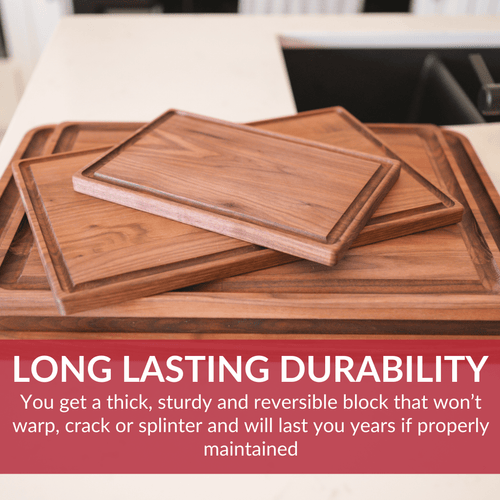
Is your cutting board warped and making meal prep frustrating? A warped cutting board can be annoying and even unsafe to use.
But don’t worry—you don’t have to toss it out or buy a new one just yet. You’ll discover simple, effective ways to fix your warped cutting board at home. By the end, your board will feel sturdy and ready to handle all your chopping needs again.
Keep reading to learn the easy steps that will save your favorite kitchen tool!

Credit: virginiaboyskitchens.com
Causes Of Warping
Cutting boards can warp for different reasons. Warping changes their shape and makes them hard to use.
Knowing what causes warping helps you fix and prevent it. Below are common causes of warping.
Moisture Exposure
Wood cutting boards absorb water from wet food or washing. Too much water makes wood swell and change shape.
When the wood dries unevenly, some parts shrink more than others. This causes the board to bend or warp.
Improper Drying
Drying a cutting board wrong can cause warping. Leaving it wet or drying only one side affects the wood’s shape.
Boards should dry flat and in a place with good air flow. This stops uneven shrinking and keeps the board flat.
- Do not dry the board standing up on one edge.
- Keep it away from direct heat or sunlight.
- Make sure both sides dry evenly.
Storage Issues
Storing a cutting board in tight spaces can cause warping. Pressure or bending changes its shape over time.
Boards should be stored flat or upright with support. Avoid stacking heavy items on top of them.
- Store boards on a flat shelf or rack.
- Use separators if stacking multiple boards.
- Keep boards in dry areas to prevent moisture buildup.

Credit: virginiaboyskitchens.com
Tools You’ll Need
Fixing a warped cutting board requires a few simple tools. These tools help restore the board’s flat surface safely.
Using the right tools makes the repair easier and protects your cutting board from damage.
Clamps And Weights
Clamps hold the cutting board tightly while it dries. Weights press the board flat to fix the warp.
Use heavy objects or bar clamps. Place the board on a flat surface before clamping or weighting.
- Bar clamps or C-clamps
- Heavy books or bricks
- Flat work surface
Sandpaper And Scrapers
Sandpaper smooths rough areas and removes small warps. Scrapers help lift uneven wood fibers.
Start with coarse sandpaper, then use finer grit for a smooth finish. Scrapers are good for quick fixes.
- Coarse (80-120 grit) sandpaper
- Fine (220 grit) sandpaper
- Wood scraper tool
Food-safe Oil
Food-safe oil protects the cutting board after repair. It keeps wood from drying and warping again.
Apply oil evenly and let it soak in. This restores moisture and adds a protective layer.
- Mineral oil
- Walnut oil (if no allergies)
- Beeswax blend (optional)
Step-by-step Repair Process
A warped cutting board can be annoying to use and may damage your knives. Fixing it at home is possible with simple tools and steps. This guide explains how to repair a warped cutting board safely.
Follow these clear steps to flatten, sand, and oil your cutting board. Each step helps restore its shape and extends its life.
Flattening The Board
Start by flattening your cutting board to remove the warp. You will need some heavy weights and a flat surface.
- Place the warped board on a flat, dry surface.
- Put a damp cloth on top of the board.
- Apply heavy weights evenly over the cloth.
- Leave the board under weight for 24 to 48 hours.
- Check if the board has flattened; repeat if needed.
Sanding The Surface
Sanding smooths the surface and removes small cracks or rough spots caused by warping. Use medium and fine grit sandpaper for best results.
| Sandpaper Grit | Purpose |
|---|---|
| 80-100 | Remove rough patches and warping marks |
| 150-220 | Smooth the surface for finishing |
Sand the board evenly in the direction of the wood grain. Wipe off dust with a dry cloth before moving to the next grit.
Oiling And Conditioning
Oiling protects the wood and keeps it from drying out and warping again. Use food-safe mineral oil or a special cutting board conditioner.
- Apply oil generously across the board’s surface.
- Let the oil soak in for several hours or overnight.
- Wipe off any excess oil with a clean cloth.
- Repeat this process monthly for best care.

Credit: www.reddit.com
Preventing Future Warping
Warping happens when a cutting board absorbs too much water or dries unevenly. You can stop this by taking good care of your board. Proper cleaning, drying, and storage help keep your board flat and strong.
Following simple steps protects your cutting board from damage. These steps keep it safe and last longer in your kitchen.
Proper Cleaning Techniques
Clean your cutting board with warm water and mild soap after each use. Avoid soaking it in water because this makes the wood swell and warp. Use a soft sponge or cloth to wash the board gently.
Do not put your wooden cutting board in the dishwasher. The heat and water can cause cracks and warping. Instead, hand wash only.
- Use warm water and mild soap
- Wash with a soft sponge or cloth
- Avoid soaking the board in water
- Never use the dishwasher
Correct Drying Methods
Dry your cutting board right after washing. Use a clean towel to wipe off water on both sides. Leaving it wet can cause the wood to swell and warp.
Stand your board on its edge or place it in a well-ventilated area. This lets air flow around the board and helps it dry evenly.
- Wipe dry with a clean towel after washing
- Stand the board on its edge to dry
- Place it in a spot with good airflow
- Do not leave the board flat while wet
Ideal Storage Practices
Store your cutting board in a dry place away from direct sunlight. Sunlight can dry out the wood and cause cracking or warping. Avoid storing the board near heat sources like stoves.
Keep the board upright or flat with space underneath for air. Proper storage stops moisture build-up and helps keep the board flat.
- Store in a dry place away from sunlight
- Keep away from heat sources
- Store upright or flat with air space
- Do not stack heavy items on the board
When To Replace Your Cutting Board
Cutting boards can last a long time if you care for them well. Still, some signs mean it is time to get a new one.
Knowing when to replace your cutting board helps keep your kitchen safe and clean.
Deep Cracks And Splits
Deep cracks and splits in a cutting board can trap food and bacteria. These cracks are hard to clean well.
If the cracks are deep or wide, it is best to replace the board. Small cuts can be sanded down, but big splits weaken the board.
Persistent Warping
Warping happens when a cutting board bends or twists out of shape. This makes the surface uneven and unsafe to use.
If your cutting board stays warped after drying flat, replacement is needed. Warping can cause knives to slip or damage countertops.
Hygiene Concerns
Old cutting boards can harbor bacteria, especially if they have deep cuts or stains. This can cause food safety risks.
Replace your cutting board if cleaning does not remove odors or stains. Using a new board helps keep your food safe.
Frequently Asked Questions
How Can I Tell If My Cutting Board Is Warped?
Place it on a flat surface. If it rocks or isn’t level, it’s likely warped. Warping often occurs due to moisture imbalance. Check for uneven edges or surfaces. Regular inspection helps maintain functionality and longevity.
What Causes A Cutting Board To Warp?
Cutting boards warp mainly due to moisture imbalance. This occurs when one side absorbs more water than the other. This can happen from improper washing or drying. Using both sides evenly and drying thoroughly can prevent warping.
Can I Fix A Warped Cutting Board At Home?
Yes, you can fix it at home. Wet the concave side and place a damp towel over it. Apply pressure with weights and let it sit overnight. This method can often restore its flatness.
Does Wood Type Affect Board Warping?
Yes, wood type affects warping. Hardwoods like maple are more resistant to warping than softwoods. Proper care, regardless of wood type, is crucial. Regular oiling and even usage help maintain its shape.
Conclusion
Fixing a warped cutting board is easier than you think. A few simple steps can bring it back to shape. Regular care helps keep your board flat and strong. Dry it properly after washing to avoid warping again. Treat your cutting board with oil to protect the wood.
A well-maintained board lasts longer and stays safe for food. Try these tips to save your cutting board today. Your kitchen tools will thank you.