
Is your window air conditioner not cooling like it used to? You’re not alone, and the good news is—most problems can be fixed without calling a costly technician.
Imagine enjoying cool, refreshing air again without the hassle or expense. You’ll learn simple, step-by-step solutions to get your AC running smoothly. Whether it’s strange noises, leaks, or no power, you’ll discover easy fixes that anyone can do. Keep reading, and by the end, your air conditioner will be back to keeping your space comfortable.
Common Window Ac Problems
Unit Not Cooling:Check if the air filter is dirty. Clean or replace it. Make sure the thermostat is set to a cooler temperature than the room. Inspect the coils for dirt; clean gently if needed. Ensure the unit is properly sealed in the window to stop warm air from entering.
Water Leakage:Water can leak if the drain hole is blocked. Clear any debris from the drain. Make sure the unit is tilted slightly outside to allow water to flow out. Excessive condensation might mean the air filter needs cleaning.
Strange Noises:Rattling may come from loose parts inside. Tighten screws or panels. Buzzing sounds often indicate electrical problems; unplug and check the power source. Grinding noises might mean the fan motor needs attention.
AC Not Turning On:Confirm the unit is plugged in properly. Check the circuit breaker or fuse box for tripped switches. Inspect the power cord for damage. Sometimes, the remote control batteries need replacement.
Tools And Materials Needed
Basic tools help fix a window air conditioner easily. You will need:
- Screwdrivers(both flathead and Phillips) to open panels.
- Multimeterto check electrical parts.
- Pliersfor gripping and bending wires.
- Cleaning brushto remove dust and dirt.
- Vacuum cleanerfor cleaning coils and vents.
- Fin combto straighten bent fins on coils.
Replacement parts are important for repairs. Common parts include:
| Part | Use |
|---|---|
| Thermostat | Controls temperature settings. |
| Capacitor | Helps start the motor. |
| Fan motor | Blows air through the unit. |
| Filters | Keep dust out of the system. |
Safety Precautions
Unplugging the unitis the first and most important step. This stops all power and keeps you safe. Never touch electrical parts while the air conditioner is plugged in. Always pull the plug by the cord, not the plug itself. This prevents damage to the cord.
Handling electrical componentsrequires care. Use tools with insulated handles. Avoid wet hands or wet floors when working. Check cords and plugs for damage before starting. If wires look broken or worn, do not use the unit until repaired. Always keep the work area dry and clean to avoid shocks.

Credit: www.youtube.com
Cleaning The Filters And Coils
Start by gently removing the filtersfrom the air conditioner. They usually slide or pop out easily. Rinse the filters under lukewarm waterto remove dust and dirt. Use a soft brush if needed, but avoid harsh scrubbing. Let the filters air dry completelybefore placing them back.
Cleaning the evaporator and condenser coilshelps the unit cool better. Use a soft brush or a coil cleaner spray to remove dust and grime. Be careful not to bend the thin metal fins on the coils. Wipe the coils with a damp cloth after brushing to clear leftover dirt.
Fixing Cooling Issues
Checking refrigerant levelsis important for cooling problems. Low refrigerant means the air conditioner can’t cool well. A professional can check and refill the refrigerant safely.
The thermostatcontrols the temperature setting. Make sure it is set to a cooler temperature than the room. Replace old or broken thermostats to improve cooling.
- Clear blocked ventsto let cold air flow freely.
- Remove dust and debris from vents and filters.
- Keep furniture and curtains away from vents.
Stopping Water Leaks
Clearing the drainage holehelps stop water leaks from your AC unit. Dust and dirt can block the hole. Use a small brush or a pipe cleaner to remove the clog. Make sure water can flow out freely. This keeps the inside dry and avoids water damage.
Leveling the AC unitis important to prevent leaks. The unit should tilt slightly outsideto let water drain out. Check with a small level tool. Adjust the position until it is just right. A small tilt makes a big difference.
Addressing Noise Problems
Loose parts inside the air conditioner can cause loud noises. Check screws and bolts around the unit. Tighten any that feel loose. This simple step often stops rattling sounds. Use a screwdriver to secure panels and brackets firmly.
Moving parts need lubrication to work quietly. Apply a few drops of light machine oil to the fan motor and other moving components. Avoid using heavy grease as it can attract dust and dirt. Lubrication helps parts move smoothly and reduces noise.
Electrical Troubleshooting
Resetting the circuit breakercan often solve power issues. Find the breaker panel and look for the switch labeled for the air conditioner. Flip the breaker off and then back on. This can clear any electrical faults and restore power.
Check the power cord and plugfor damage. Look for cuts, frays, or burn marks. Make sure the plug fits tightly into the outlet. A loose or damaged plug can stop the unit from working properly.
- Unplug the unit before inspecting the cord.
- Try a different outlet to rule out outlet problems.
- Do not use extension cords, as they can cause power drops.
When To Call A Professional
Some repairs need expert help. Complex repairs may involve parts inside the unit.
Professionals have the right tools to fix hard problems safely and well.
Handling refrigerants is risky. These chemicals keep the air conditioner cool.
Only certified technicians can add or remove refrigerants legally and safely.
Wrong handling can harm people and the environment.
Calling a professional protects your unit and keeps you safe.

Credit: www.youtube.com
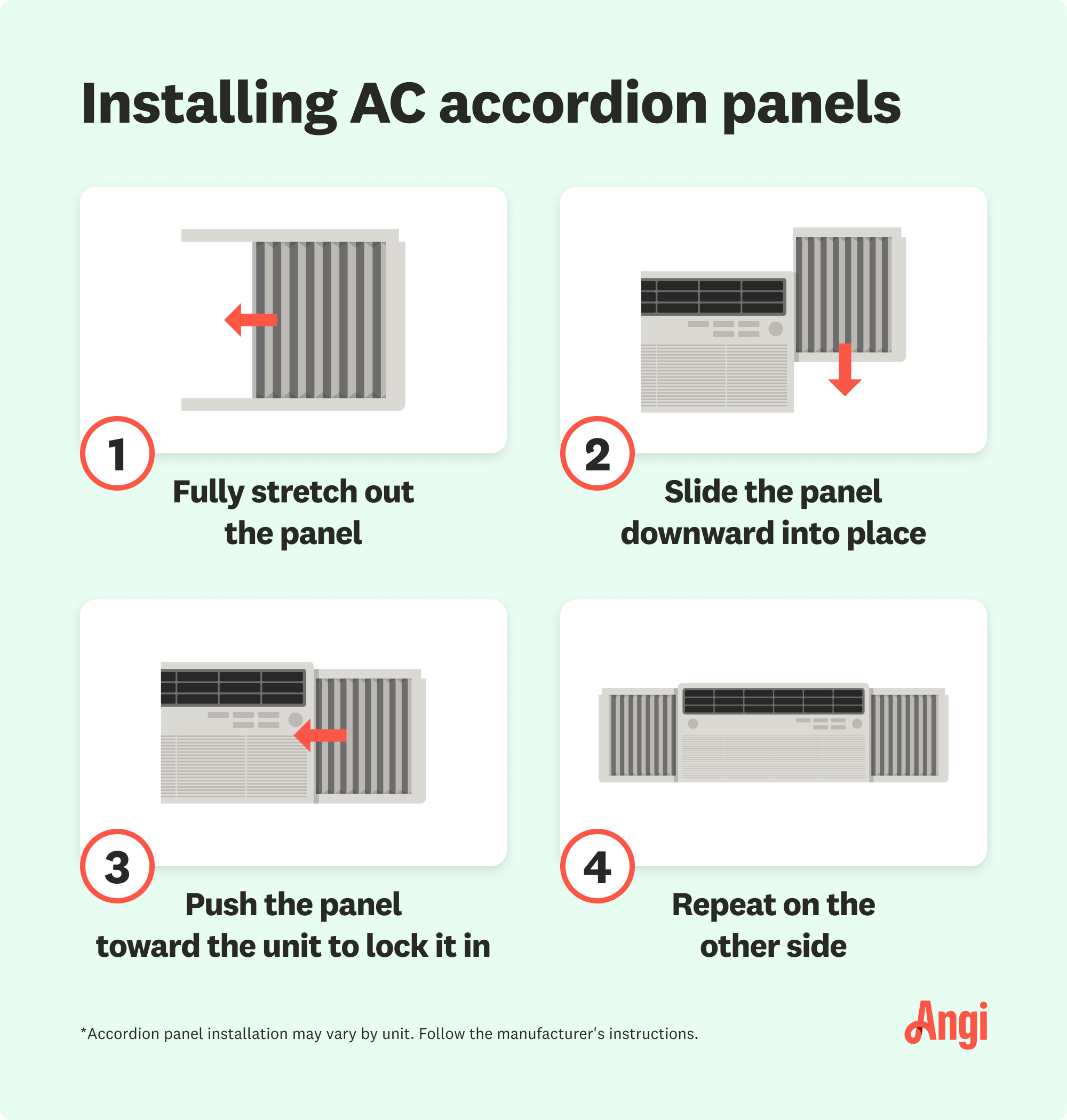
Credit: www.angi.com
Frequently Asked Questions
Why Is My Window Ac Not Cooling?
Your window AC may not cool due to dirty filters, low refrigerant, or blocked vents. Clean the filters and ensure proper airflow. If the problem persists, check refrigerant levels or consult a professional for repairs.
How Do I Clean Window Ac Filters?
To clean window AC filters, turn off the unit and remove the filters. Rinse them under running water to remove dust and debris. Allow the filters to dry completely before reinstalling them to maintain optimal performance.
What Causes A Window Ac To Leak Water?
Water leakage in a window AC can occur due to blocked drain holes, improper installation, or dirty filters. Ensure the unit is level, clean the filters, and check for blockages in the drain hole to resolve the issue.
How Often Should I Service My Window Ac?
Service your window AC at least once a year to ensure optimal performance. Regular maintenance helps prevent common issues like reduced cooling efficiency and water leakage. It also extends the lifespan of the unit.
Conclusion
Fixing a window air conditioner can save money and time. Start with simple checks like cleaning filters and checking power. Small problems often have easy solutions. Stay safe and unplug the unit before any work. Regular care helps your air conditioner last longer.
Keep these tips handy for quick fixes. Stay cool and comfortable all summer long.