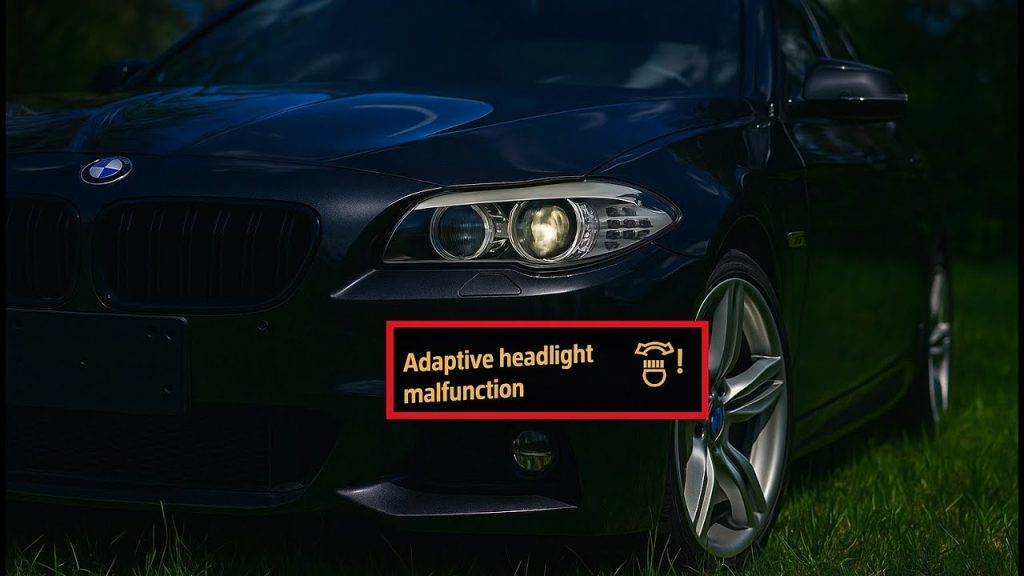
Is your BMW’s adaptive headlights acting up when you need them most? It’s frustrating and even dangerous to drive without proper lighting, especially at night or in bad weather.
But don’t worry—you don’t have to be a mechanic to fix this problem. You’ll discover simple, clear steps to diagnose and solve your adaptive headlight malfunction. Keep reading, and you’ll soon have your headlights working perfectly again, making every drive safer and smoother.
Common Causes Of Adaptive Headlight Issues
Adaptive headlights improve nighttime driving by adjusting light direction. Malfunctions reduce visibility and safety. Understanding common causes helps diagnose and fix issues faster.
Several factors can cause adaptive headlight problems in BMW vehicles. Problems may arise from sensors, wiring, software, or physical damage. Identifying the root cause is key to restoring proper function.
Sensor Malfunctions
Sensors detect vehicle speed, steering angle, and road conditions. Faulty sensors send incorrect data, causing headlights to misalign or fail. Dirt, moisture, or sensor wear can cause malfunctions. Cleaning or replacing sensors often solves the problem.
Wiring Problems
Wiring connects sensors, control units, and headlights. Loose, corroded, or broken wires disrupt communication. Electrical shorts or damaged connectors also cause failures. Inspecting wiring and repairing faults can restore headlight operation.
Software Glitches
Adaptive headlights rely on software to process sensor data. Software bugs or outdated firmware lead to errors. Resetting or updating the vehicle’s software can fix these glitches. BMW service centers can perform necessary updates safely.
Physical Damage
Collisions or road debris can damage headlight units or sensors. Cracks, broken mounts, or misalignment affect function. Visible damage usually requires part replacement. Timely repair prevents further issues and ensures proper lighting.

Credit: www.reddit.com
Tools Needed For Diy Repairs
Fixing an adaptive headlight malfunction on your BMW yourself can save you time and money. But before you start, it’s crucial to have the right tools ready. Using the correct tools not only makes the job easier but also helps prevent accidental damage to sensitive components.
Basic Hand Tools
At the very least, you’ll need a set of basic hand tools. This usually includes screwdrivers, pliers, and a ratchet with socket sets. These tools help you remove panels and access the headlight assembly without hassle.
Having a torque wrench is a smart addition. It ensures you don’t overtighten bolts, which can cause damage. Do you have a well-organized toolbox? It can speed up your repair work and reduce frustration.
Diagnostic Scanner
A diagnostic scanner is essential for identifying specific adaptive headlight issues. BMWs often store error codes in their onboard computer, which a scanner can read. This tool saves you from guessing what’s wrong and guides your repair efforts.
Some advanced scanners can even reset the headlight system after repairs. Investing in a scanner compatible with BMW models can be a game-changer. Have you ever tried diagnosing a car problem without a scanner? It’s like searching for a needle in a haystack.
Replacement Parts
You’ll need the right replacement parts to fix the malfunction correctly. This might include bulbs, sensors, or control modules specific to your BMW’s adaptive headlight system. Using genuine or high-quality aftermarket parts prevents recurring issues.
Before buying, double-check the part numbers and compatibility with your exact BMW model and year. Ordering the wrong part can waste time and money. What’s worse than fixing a problem only to find the replacement part doesn’t fit?
Step-by-step Troubleshooting Process
Troubleshooting the adaptive headlight malfunction on your BMW involves a clear and simple process. Each step helps identify the problem source. Follow these checks carefully to fix the issue efficiently.
Checking The Fuses
Start by locating the fuse box in your BMW. Use the owner’s manual for exact locations. Check the fuse related to the adaptive headlights. Look for any blown or damaged fuses. Replace faulty fuses with the correct type and rating. This simple check often solves electrical problems.
Inspecting The Sensors
Adaptive headlights rely on sensors to adjust lighting. Clean the sensors gently to remove dirt or debris. Look for physical damage or loose connections. Sensors are usually near the windshield or headlights. Faulty sensors can cause system errors. Testing or replacing damaged sensors may be needed.
Examining The Wiring Harness
Wiring issues are common in headlight malfunctions. Inspect the wiring harness for cuts, frays, or corrosion. Check all connectors for tightness and corrosion. Repair or replace damaged wires. Use electrical tape or heat shrink tubing for protection. Proper wiring ensures stable power and signals.
Resetting The System
Resetting the adaptive headlight system can clear minor faults. Turn off the car and open the driver’s door. Wait a few minutes before restarting the vehicle. Some BMW models need a manual reset via the iDrive menu. Follow the owner’s manual for specific reset instructions. A reset often restores system function.
Fixing Sensor And Wiring Issues
Fixing sensor and wiring issues is often the key to resolving adaptive headlight malfunctions in your BMW. These components control the precise movements of your headlights, adjusting them as you turn or change speed. If either the sensors or wiring are faulty, your adaptive headlights may behave unpredictably or stop working entirely.
Cleaning And Recalibrating Sensors
Sensors can get dirty from road grime, dust, or even bugs, which can block their ability to detect angles and light conditions accurately. Start by gently cleaning the sensors with a soft cloth and a mild cleaner to avoid damaging them.
After cleaning, recalibrate the sensors to ensure they provide accurate data to your adaptive headlight system. This usually requires a diagnostic tool or a visit to a BMW service center, but some models allow you to recalibrate through the onboard menu.
Have you noticed that your headlights don’t move as smoothly as before? It might be time to check if the sensors are dirty or misaligned. Keeping them clean and calibrated can prevent many common issues and improve your night driving safety.
Repairing Or Replacing Wiring
Wiring problems can cause intermittent or total failure of the adaptive headlight system. Look for visible signs like cracked insulation, loose connectors, or corroded terminals in the wiring harness around the headlights.
If you find damaged wires, repair them using electrical tape or heat shrink tubing for a secure seal. In cases of severe damage, replacing the entire wiring section might be necessary.
Testing continuity with a multimeter can help you pinpoint wiring faults you can’t see. Ask yourself: when was the last time you inspected your car’s wiring? Regular checks can save you from unexpected failures and expensive repairs down the road.
Software Updates And Resets
Software updates and resets play a crucial role in fixing adaptive headlight malfunctions on your BMW. These systems rely heavily on the vehicle’s software to adjust lighting based on driving conditions. Sometimes, outdated software or minor glitches can cause the adaptive headlights to behave erratically or stop working.
By updating the software and performing resets, you can often restore proper function without needing expensive repairs. It’s a practical step that many BMW owners overlook, yet it can save you time and money. Have you checked your vehicle’s software status before assuming a hardware failure?
Using Bmw Diagnostic Tools
BMW diagnostic tools are designed to communicate directly with your car’s computer systems. Using these tools, you can check for error codes related to the adaptive headlights and see if a software update is available.
Tools like the BMW ISTA or third-party OBD2 scanners with BMW-specific software give you access to detailed system information. These devices often allow you to download and install updates right from your garage, which can fix bugs causing the malfunction.
Connecting the diagnostic tool might seem technical, but many models come with user-friendly interfaces. You don’t need to be a mechanic to follow the prompts and complete the update process. Have you considered that your car might just need a simple software patch?
Performing A System Reset
Sometimes, a system reset can clear temporary glitches affecting the adaptive headlights. This process reboots the headlight control module, forcing it to recalibrate and start fresh.
To perform a reset, you usually need access to the vehicle’s settings via the iDrive system or the diagnostic tool. In some cases, disconnecting the car battery for a few minutes will also reset the system, but be cautious as this may affect other settings.
After the reset, test your headlights by driving in different lighting conditions to check if the adaptive function has improved. Could a quick reset be the simple fix your BMW’s headlights need right now?

Credit: www.youtube.com
Preventive Tips To Avoid Future Malfunctions
Preventing adaptive headlight malfunctions in your BMW is easier than fixing them after they happen. Taking a few simple steps can keep your headlights working smoothly and save you from unexpected repair costs. Let’s look at some practical tips that will help you maintain optimal performance and avoid future issues.
Regular Maintenance
Routine check-ups are key to keeping your adaptive headlights in top shape. Make it a habit to inspect your headlights for dirt, cracks, or moisture buildup. Even small issues like a dirty lens can interfere with sensor accuracy and light output.
Schedule professional inspections during your regular service visits. Technicians can test the headlight alignment and sensor function to catch problems early. Have you noticed your lights flickering or behaving oddly? Don’t wait—get them checked promptly.
Protecting Sensors From Damage
The sensors controlling your adaptive headlights are delicate and need protection. Avoid driving too close to curbs or rough terrain that could cause physical damage. A cracked or misaligned sensor can lead to malfunction and uneven lighting.
Keep your car clean, especially around the sensor areas, to prevent dirt or debris buildup. Use gentle cleaning methods; harsh chemicals or pressure washers can harm the sensors. Have you ever considered how a small chip on your windshield near a sensor might affect its performance?
Keeping Software Updated
BMW often releases software updates that improve adaptive headlight performance and fix bugs. Make sure your vehicle’s software is up to date by visiting your dealership or using BMW’s update tools. Outdated software can cause your headlights to behave unpredictably or fail to adjust properly.
Updates may also enhance compatibility with new driving conditions or improve sensor calibration. Have you checked if your BMW’s software is current lately? It might be the simple fix your headlights need before heading into darker months.
Credit: www.m5board.com
Frequently Asked Questions
What Causes Adaptive Headlight Malfunction In Bmw?
Adaptive headlight malfunction in BMW can be caused by faulty sensors, damaged wiring, or software issues. Moisture or debris can also affect the headlight performance. Regular maintenance and checking for error codes can help diagnose the problem. Consulting a BMW specialist is recommended for accurate diagnosis and repair.
How Do You Reset Bmw Adaptive Headlights?
To reset BMW adaptive headlights, turn the steering wheel fully left and right. Restart the vehicle to complete the reset process. If the issue persists, a diagnostic scan might be necessary. Refer to the owner’s manual or consult a BMW technician for detailed instructions.
Can You Drive With Adaptive Headlight Malfunction?
Driving with an adaptive headlight malfunction is not advisable. It can reduce visibility and compromise safety. The headlights may not adjust properly in different conditions. Prompt repair ensures optimal headlight performance and safety during night driving. Always address headlight issues quickly.
How Much Does It Cost To Fix Bmw Headlights?
The cost to fix BMW headlights varies based on the issue. Simple repairs like bulb replacement are cheaper. However, sensor or module repairs can be costly. On average, expect to spend between $200 and $1,000. Consulting a BMW service center provides a more accurate estimate.
Conclusion
Fixing adaptive headlight issues in your BMW can improve safety and driving comfort. Start with basic checks like fuses and bulbs. Clean sensors and wiring to avoid common problems. Use a diagnostic tool for precise error codes. Regular maintenance helps prevent future malfunctions.
Stay calm and take one step at a time. Clear headlights mean better night vision and safer roads. Your BMW will respond well to simple fixes. Keep your car’s lighting system in top shape always.