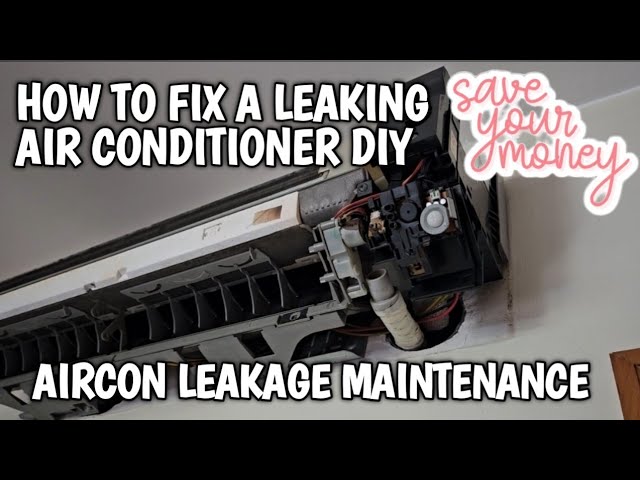
Is your air conditioner leaking water and causing a mess in your home? You’re not alone, and the good news is that this problem is often easy to fix.
Ignoring a leaking AC can lead to bigger issues and higher repair costs. But don’t worry—you can stop the drip and protect your comfort with a few simple steps. Keep reading to learn exactly how to fix your air conditioner leaking, so you can enjoy a cool, dry space again without stress.
Common Causes Of Ac Leaks
Air conditioners can leak water for many reasons. These leaks cause damage and reduce cooling. Knowing the common causes helps fix the problem fast.
Some leaks are easy to spot, while others need careful checking. This guide covers the main reasons your AC may be leaking.
Clogged Drain Line
The drain line carries water out of the AC. Dirt, algae, and debris can block it. This makes water back up and leak inside your home.
Signs of a clogged drain line include water pooling near the unit and a musty smell. Cleaning the line often stops the leak.
Damaged Drain Pan
The drain pan catches water from the evaporator coil. Rust or cracks can cause holes in the pan. Water then leaks through these holes.
- Look for rust or cracks under the AC unit
- Replace the pan if it is damaged
- Use a waterproof sealant for small holes
Frozen Evaporator Coil
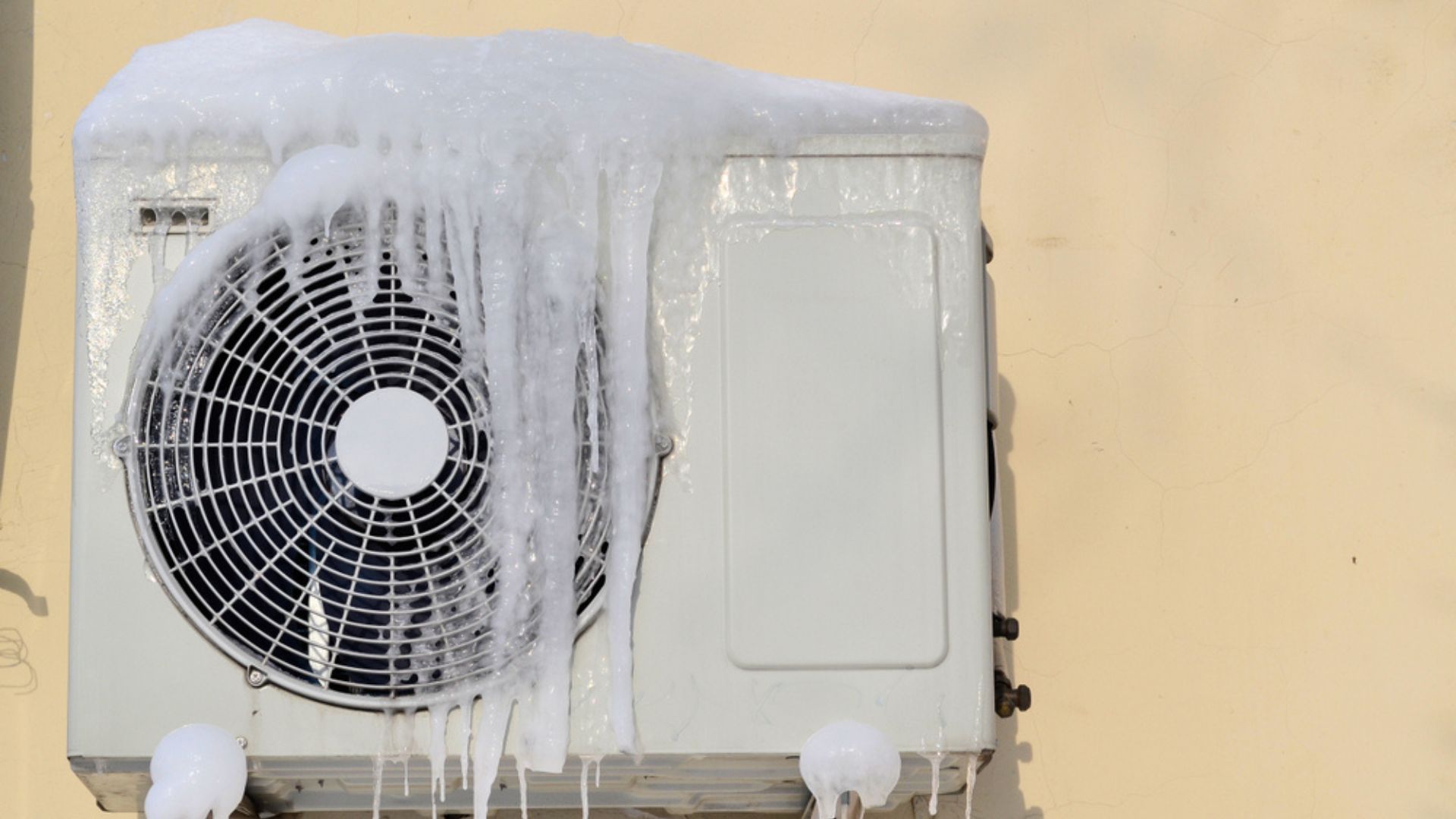
The evaporator coil cools the air but can freeze if airflow is low. When it melts, water drips where it should not.
| Cause | Effect |
| Dirty air filter | Reduces airflow, coil freezes |
| Low refrigerant | Coil temperature drops too low |
| Blocked vents | Air cannot circulate properly |
Low Refrigerant Levels
Refrigerant cools the air inside the AC. Low levels cause the coil to freeze and water to leak. A professional must check and refill the refrigerant.
Improper Installation
Wrong installation can cause leaks. Common problems include:
- Incorrect unit tilt
- Loose or missing parts
- Bad connections in the drainage system
Check the unit’s position and connections to avoid leaks.
Tools And Materials Needed
Fixing an air conditioner that is leaking needs the right tools and materials. Having these ready helps you work safely and quickly.
This guide lists the basic tools, cleaning supplies, and replacement parts you will need for the repair.
Basic Tools
Basic tools help you open and check the air conditioner parts. These tools make the repair easier and safer.
- Screwdrivers (flathead and Phillips)
- Pliers
- Wrench set
- Flashlight
- Bucket or container to catch water
- Towels or rags
Cleaning Supplies
Cleaning supplies help remove dirt and blockages that cause leaks. Clean parts work better and last longer.
- Soft brush or small scrub brush
- Mild detergent or dish soap
- Spray bottle with water
- Vacuum cleaner with brush attachment
- Cloth or sponge
Replacement Parts
You may need new parts if old ones are broken or worn out. Having these parts ready saves time during repair.
- Drain pan
- Drain line or hose
- Sealant or waterproof tape
- Air filter
- Fan belt (if applicable)
Step-by-step Leak Fixes
Air conditioner leaks can cause damage and reduce cooling. Fixing leaks quickly helps keep your AC working well.
This guide shows easy steps to fix common AC leaks. Follow these clear instructions to solve the problem.
Clearing The Drain Line
The drain line can get blocked by dirt or algae. This blockage causes water to leak inside your home.
Use a wet-dry vacuum or a plumber’s snake to clear the line. Cleaning the drain line stops leaks and water damage.
- Turn off the AC power first
- Locate the drain line outside your home
- Use a vacuum to suck out the clog
- Flush the line with a mixture of bleach and water
- Check if water flows freely after cleaning
Replacing The Drain Pan
The drain pan collects water from the evaporator coil. If it cracks or rusts, water will leak below the AC unit.
Replace the damaged drain pan to stop leaks. Use a pan that fits your AC model for best results.
- Turn off and unplug the AC unit
- Remove the access panel to reach the drain pan
- Take out the old pan carefully
- Install the new drain pan securely
- Test the AC to ensure no leaks appear
Defrosting The Evaporator Coil
Ice on the evaporator coil can cause water to drip and leak. This happens if the coil is dirty or the airflow is low.
Defrost the coil by turning off the AC and letting the ice melt. Clean the coil to prevent ice buildup in the future.
- Switch off the AC unit
- Allow the ice to melt naturally
- Clean the coil with a soft brush or coil cleaner
- Check and replace air filters if needed
- Turn the AC back on and watch for leaks
Checking And Refilling Refrigerant
Low refrigerant levels can cause the coil to freeze and leak water. Check refrigerant levels if your AC is not cooling well.
Refill refrigerant only if you have proper tools and knowledge. Otherwise, call a professional for safe handling.
- Turn off the AC and locate the service valve
- Use a gauge to check refrigerant pressure
- Add refrigerant if levels are low, following instructions
- Do not overfill the system
- Monitor the AC for proper cooling and no leaks
Adjusting Installation Issues
Improper installation can cause water to leak from your AC. Check if the unit is level and the drain pipe is positioned right.
Fix any installation problems by leveling the unit and securing drain pipes. This stops water from pooling and leaking.
- Use a level tool to check the AC’s position
- Adjust the unit so it tilts slightly toward the drain
- Inspect drain pipes for loose connections
- Secure pipes with clamps or brackets
- Test the AC and watch for leaks
Credit: orzechheating.ca
Preventive Measures
Air conditioners can leak water if not cared for properly. Preventing leaks helps your AC work well longer.
Simple steps can stop leaks before they start. Regular checks and cleaning keep the system dry.
Regular Maintenance Tips
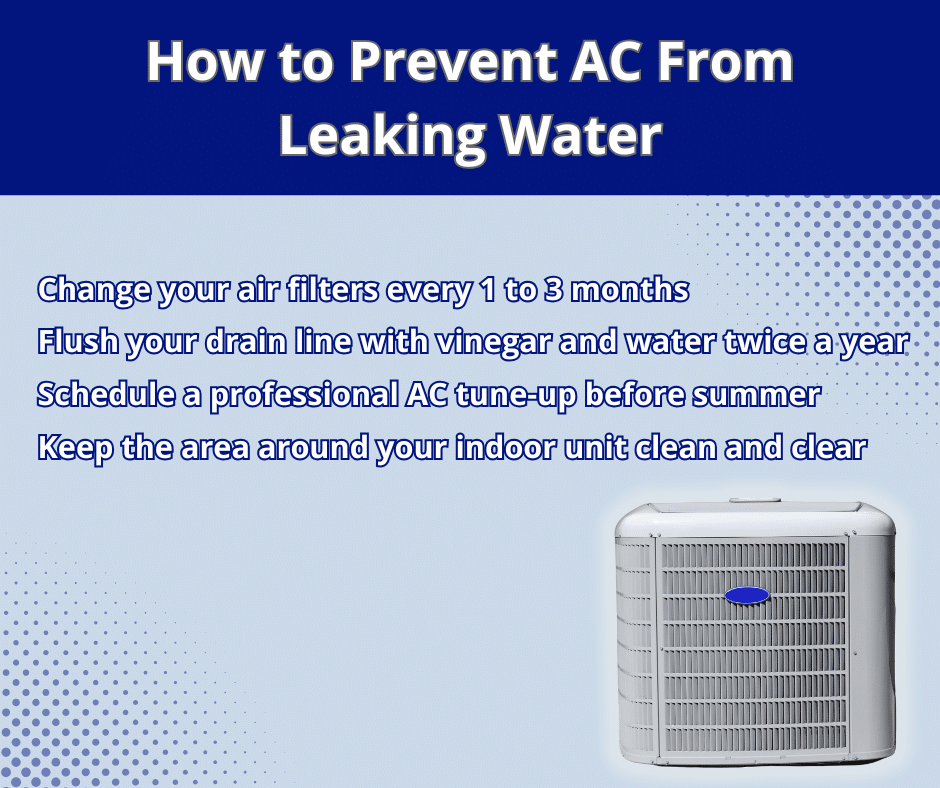
Clean your AC’s drain line to stop clogs. Dirt and algae can block water flow and cause leaks.
Check the drip pan for cracks or damage. Replace it if you see holes or rust to avoid water spills.
- Clear debris around the outdoor unit
- Keep the coils clean for better cooling
- Check hoses for cracks or breaks
- Make sure the unit is level to drain water properly
Filter Replacement Schedule
Dirty filters reduce airflow and cause ice buildup. Ice melts and creates leaks inside the unit.
Change your air filter every 1 to 3 months. This keeps air flowing and stops moisture build-up.
- Check filter monthly during heavy use
- Replace filters if they look dirty or clogged
- Use the correct filter size for your AC model
Professional Inspection
Hire a technician once a year to inspect your AC. They find hidden problems that cause leaks.
Technicians clean deep parts and check refrigerant levels. This keeps your system running smoothly.
- Inspect drain lines and pans for damage
- Check and clean evaporator and condenser coils
- Test system for proper refrigerant charge
- Look for signs of wear or corrosion
When To Call A Professional
Air conditioners may leak for many reasons. Some fixes are simple. Others need expert help.
Knowing when to call a professional saves time and prevents damage. This guide helps you decide.
Complex Repairs
Complex repairs often involve parts inside the unit. These include broken coils, damaged drains, or cracked pans.
- Do not try to fix broken coils yourself.
- Damaged drain lines may need special tools.
- Cracked pans often require replacement.
- Professional repair ensures safety and proper function.
Refrigerant Handling
Leaking refrigerant is dangerous and illegal to handle without training. It can cause health risks and harm the environment.
| Reason to Call a Pro | What Happens | Risk Level |
| Refrigerant Leak | Leaks gas that cools the AC | High – Toxic and illegal to fix yourself |
| Refilling Refrigerant | Needs exact amount and type | Medium – Wrong refill damages system |
| Checking Pressure | Requires special gauges | Medium – Incorrect pressure harms AC |
Electrical Issues
Electrical problems cause leaks by stopping the fan or pump. Faulty wiring may also cause short circuits.
- Unplug the unit if you smell burning.
- Do not touch wires without proper tools.
- Check circuit breakers if the AC stops suddenly.
- Hire a professional electrician to inspect wiring.
Credit: honorservices.com

Credit: www.youtube.com
Frequently Asked Questions
Why Is My Air Conditioner Leaking Water Indoors?
Indoor leaks often result from clogged drain lines or frozen coils. Check and clear the drain pipe for blockages. Ensure proper airflow to prevent coil freezing. Regular maintenance helps avoid indoor leaks and water damage.
How Can I Stop My Ac From Leaking Water Outside?
Outdoor leaks usually occur due to improper drainage or a tilted unit. Adjust the AC’s position to ensure water flows away. Clean the outdoor drain pan to avoid overflow. Regular inspections keep outdoor leaks at bay.
What Causes An Air Conditioner To Leak Refrigerant?
Refrigerant leaks stem from damaged coils or loose connections. A certified technician should inspect and repair leaks. Low refrigerant reduces cooling efficiency and causes moisture buildup. Prompt repair prevents further damage and improves AC performance.
Can A Dirty Air Filter Cause Ac Leaking Issues?
Yes, dirty filters restrict airflow, causing the evaporator coil to freeze. When it melts, excess water can leak inside. Replace or clean filters monthly to maintain airflow and prevent leaks. Clean filters enhance cooling and reduce leaks.
Conclusion
Fixing an air conditioner leak can be simple. First, identify the problem source. Then, clean the unit and replace worn-out parts. Regular maintenance helps prevent future leaks. Always ensure filters and coils are clean. Tighten any loose connections carefully. If unsure, seek professional help.
A well-maintained AC provides comfort and efficiency. Keep your unit running smoothly with these tips. Enjoy a cool home without worry. Stay proactive with regular checks. Your air conditioner will last longer. Remember, a little care goes a long way.