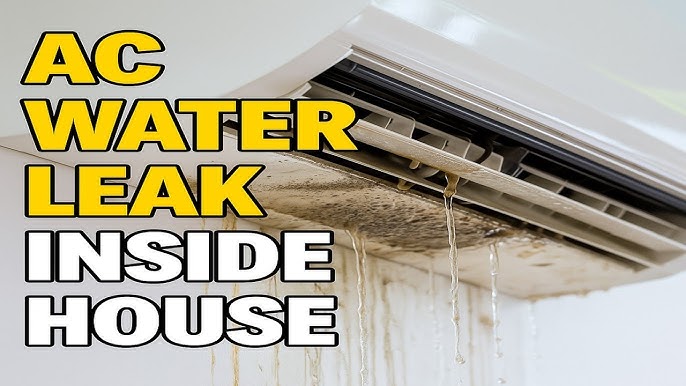
Is your air conditioner leaking water inside your home? This problem can quickly turn from a small drip into a big mess, damaging your walls, floors, and furniture.
You might feel frustrated and unsure about what to do next. But don’t worry—fixing this issue is easier than you think. You’ll discover simple, effective steps to stop your AC from leaking water and keep your home cool and dry.
Keep reading to save your air conditioner and protect your space before the problem gets worse.
Common Causes Of Ac Water Leaks
Clogged drain linestops water from leaving the AC. Water then backs up inside, causing leaks. Dirt, dust, and mold block this line often.
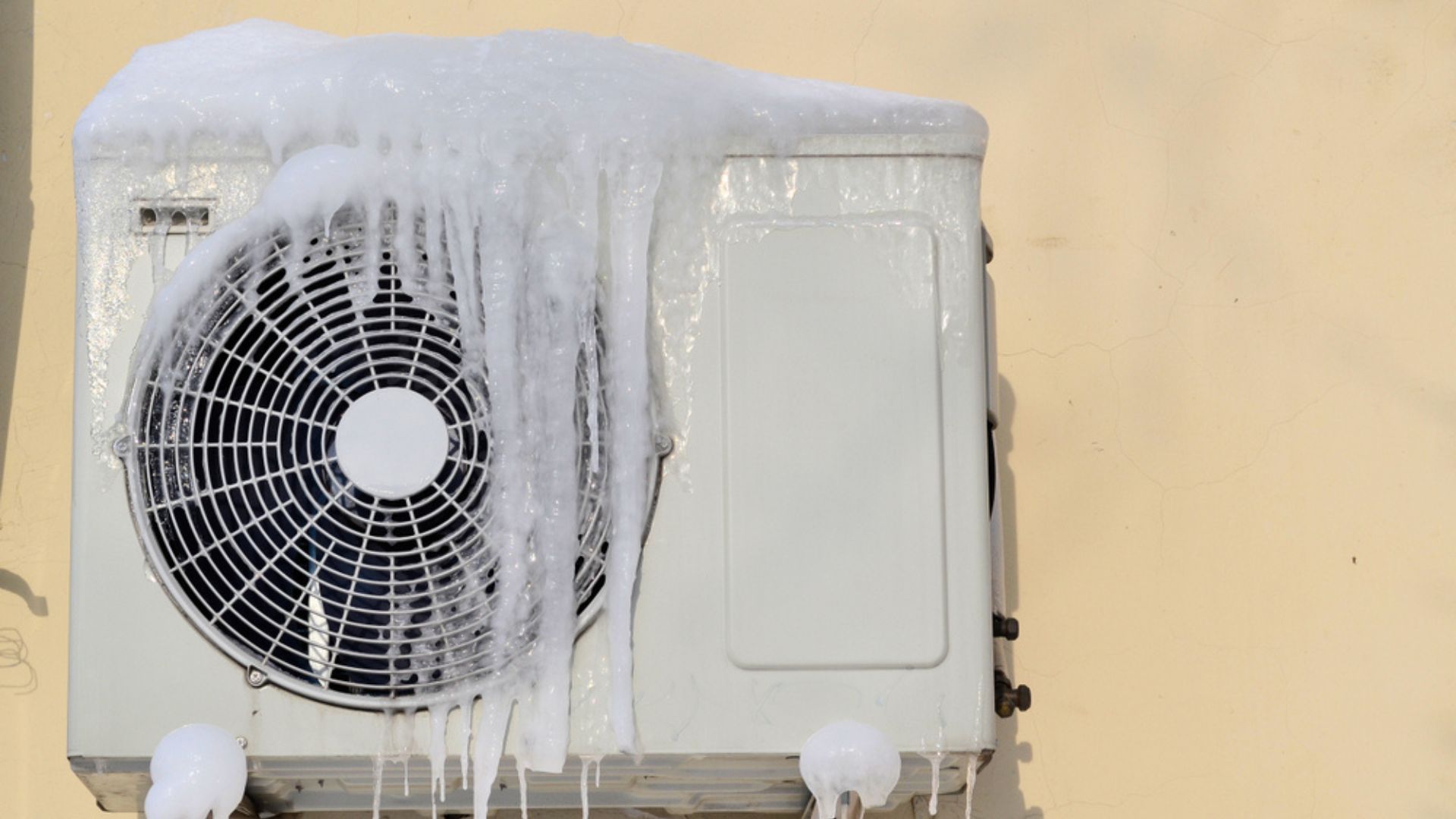
Frozen evaporator coilhappens when airflow is low or refrigerant is low. Ice melts and water drips inside the house. This can damage AC parts.
Damaged drain pancollects water from the AC. Cracks or rust can make water spill inside. This is common in old AC units.
Improper installationcauses poor drainage. Pipes may not slope correctly. Water then leaks inside instead of outside.

Credit: www.youtube.com
Tools Needed For Repair
Basic hand tools are essential for fixing an air conditioner leaking water inside. These tools help remove panels and access parts easily.
- Vacuum or Wet-Dry Vacuum:Removes dirt and water from the unit safely.
- Fin Comb:Straightens bent fins to improve airflow and prevent leaks.
- Replacement Parts:Includes drain pans, tubes, or filters that might be damaged.
Having these tools ready makes the repair process faster and safer.
Clearing A Clogged Drain Line
The drain lineis usually a small pipe near the air conditioner unit. It carries water out. Find it by looking near the outdoor unit or inside near the indoor unit. It often looks like a PVC pipe or clear plastic tube.
Using a wet-dry vacuumcan help clear the clog. Attach the vacuum to the drain line’s end. Turn it on for a few minutes to suck out dirt and debris. This helps water flow freely again.
Flushing the drain line with vinegar or bleach can remove buildup. Pour about a cup of vinegar or bleachinto the drain line opening. Let it sit for 30 minutes. Then rinse with water to clear remaining grime.
Fixing A Frozen Evaporator Coil
Turn off the air conditionerto stop more ice forming. This helps avoid water damage inside the home.
Let the ice on the evaporator coilmelt naturally. Use a fan or room temperature to speed it up. Do not use sharp objects to break the ice.
Check the refrigerant levels. Low refrigerant can cause the coil to freeze. A professional technician can measure and refill refrigerant safely.
Repairing Or Replacing The Drain Pan
Check the drain panfor any visible cracksor rust. Cracks let water leak inside the house. Rust weakens the pan and causes holes. Use a flashlight to see small damage. If the pan looks damaged but not too bad, apply a temporary patchwith waterproof tape or sealant. This stops leaks until you can replace the pan.
Replace the drain pan if:
- The cracks or rust cover a large area.
- Temporary patches do not stop the leak.
- The pan is old and weak.
- Water damage has spread around the unit.
| Condition | Action |
|---|---|
| Small cracks or rust spots | Use waterproof tape or sealant as a patch |
| Large cracks, heavy rust | Replace the drain pan immediately |
| Leaks continue after patch | Replace the drain pan |
| Pan looks old or weak | Replace to prevent leaks |

Credit: www.youtube.com
Ensuring Proper Installation
Proper installationis key to stop water leaks in air conditioners. The unit must be levelto allow water to drain correctly. A tilted unit causes water to pool inside and leak.
Check the unit’s position with a spirit level. Adjust the base if the unit is not even. This small fix can prevent many leaks.
The drain linemust slope downward to carry water away. A flat or upward slope blocks water flow and causes leaks.
Use a simple tool to check the drain pipe slope. It should always guide water outside the home.
Sometimes professional helpis needed. Technicians can spot hidden problems and fix installation errors. Consulting an expert ensures safe and lasting repairs.
Preventive Maintenance Tips
Keeping the air conditioner’s filter cleanhelps stop water leaks. Dirt blocks airflow and causes ice build-up. Clean the filter every month to ensure smooth air flow.
Drain lines carry water out of the system. Clogged lines cause water to back up and leak inside. Check the drain lines every few months to keep them clear.
Have a professional inspect the system before each cooling season. They can spot small issues early. This check helps avoid leaks and keeps your AC running well.
Credit: orzechheating.ca
Frequently Asked Questions
Why Is My Air Conditioner Leaking Water Inside?
An air conditioner may leak water inside due to a clogged drain line, dirty air filters, or low refrigerant levels. Address these issues by cleaning the filters, unclogging the drain, and checking refrigerant levels. Regular maintenance can prevent leaks and improve the efficiency of your AC unit.
How Do I Fix A Clogged Ac Drain Line?
To fix a clogged AC drain line, first, turn off the unit. Use a wet/dry vacuum to remove the clog. Alternatively, flush the line with a vinegar solution to clear debris. Regular cleaning can prevent future clogs and ensure efficient operation.
What Causes An Ac Unit To Leak Water?
Common causes of AC water leaks include clogged drain lines, dirty filters, and low refrigerant. These issues can lead to condensation buildup. Addressing these problems through regular maintenance can prevent leaks and enhance your air conditioner’s efficiency and lifespan.
How Often Should I Clean My Ac Filters?
Clean your AC filters every 1-2 months to ensure optimal performance. Regular cleaning prevents dirt buildup, which can cause leaks and reduce efficiency. In dusty environments or during peak usage, more frequent cleaning may be necessary to maintain air quality and system efficiency.
Conclusion
Fixing a leaking air conditioner can save you money and stress. Check the drain line and clean any clogs right away. Make sure the filter stays clean to avoid water buildup. Keep an eye on the unit for any new leaks.
Taking small steps helps your AC work better and last longer. Don’t let water damage your home or cause mold. Regular care keeps your space cool and dry. Simple fixes often solve the problem quickly. Stay proactive to enjoy a comfortable, leak-free home.