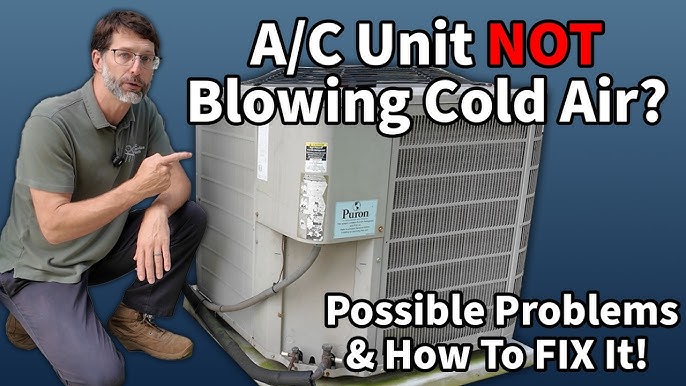
Is your air conditioner running but not cooling your home? That frustrating chill in the air can quickly turn into discomfort, especially on hot days.
You rely on your AC to keep things cool and comfortable, so when it stops working properly, it’s natural to feel stuck. But don’t worry—fixing your air conditioner might be easier than you think. You’ll discover simple steps you can take right now to get your AC back to cooling like it should.
Keep reading, and you’ll be enjoying cool air again in no time.

Credit: www.youtube.com
Common Causes Of Ac Not Cooling
Dirty air filtersblock airflow and reduce cooling. Cleaning or replacing filters helps air move freely. This keeps the air conditioner working well.
Refrigerant leakscause the AC to lose cold air. Low refrigerant means less cooling power. A professional must fix leaks and refill refrigerant.
Thermostat issuescan stop the AC from cooling. Wrong settings or broken thermostats confuse the system. Checking and fixing the thermostat ensures proper cooling.
Blocked condenser unitstops heat from leaving your home. Leaves, dirt, and debris can clog the unit outside. Cleaning the condenser helps the AC cool better.
Electrical problemscan prevent the AC from running. Faulty wires or tripped breakers stop power flow. Inspecting and repairing electrical parts restores function.

Credit: thefurnaceoutlet.com
Basic Troubleshooting Steps
Check that the air conditioner is plugged in and the power is on. Sometimes, a tripped breaker or blown fuse can stop the unit from working. Make sure the thermostat is set to cooland the temperature is lower than the room’s current temperature. Dirty or clogged air filters block airflow. Inspect filters and replace them if they look dark or dusty. Clean condenser coils regularly to help the unit cool efficiently. Dust and dirt can build up on the coils, reducing cooling power.
- Remove leaves, grass, and other debris near the outdoor unit.
- Keep at least two feet of clear space around the unit.
- Trim plants or bushes that block airflow.
Fixing Refrigerant Problems
Low refrigerantis a common reason air conditioners stop cooling properly. Signs include warm airblowing from vents and longer cooling cycles. You might also notice ice buildupon the coils or a hissing soundnear the outdoor unit. These are clear hints of a leak or low refrigerant levels.
Recharging refrigerant requires special tools and knowledge. A professional can find leaks using pressure testsand fix them safely. They ensure the correct amount of refrigerant is added. Too much or too little refrigerant can damage the system.
Hiring a trained technician keeps your AC working well and saves money on repairs. Professionals have the right licenses and equipment for safe refrigerant handling. Never try to recharge the AC yourself; it can be dangerous and illegal in some areas.

Credit: www.youtube.com
Repairing Thermostat Issues
Calibrating the thermostat helps ensure the AC cools properly. Check if the thermostat temperature matches the room temperature. Use a reliable thermometer for accuracy. Adjust the thermostat settings slowly and observe the changes. Sometimes, a small calibration fix can solve cooling problems.
Upgrading to a programmable thermostat offers better control. It allows setting different temperatures for day and night. This saves energy and keeps the room comfortable. Programmable thermostats also respond better to temperature changes, improving cooling efficiency.
Maintaining Your Air Conditioner
Keeping your air conditioner clean helps it cool better and last longer. Dust and dirt block airflow and reduce cooling power. Clean or replace filters every month during heavy use. Wipe down the outdoor unit to remove leaves and debris. This stops damage and keeps air flowing well.
Seasonal checks can prevent major problems. Check refrigerant levels to ensure cold air flow. Inspect fan blades for damage and clean them gently. Clear the drain line to avoid water leaks inside your home. Tighten electrical connections to avoid shorts or fire risks.
Some problems need a technician’s skills. Call a professional if the AC still does not cool after cleaning. Strange noises, bad smells, or water leaks also mean help is needed. Regular professional checkups keep your unit running smoothly and save money on big repairs.
Frequently Asked Questions
Why Is My Air Conditioner Not Cooling?
Your air conditioner may not cool due to blocked filters or a refrigerant leak. Ensure the thermostat settings are correct. Regular maintenance and cleaning can prevent these issues. If the problem persists, consider calling a professional technician for a comprehensive diagnosis and repair.
How Do I Check My Ac’s Refrigerant Level?
Checking refrigerant levels requires professional tools and expertise. It’s best to hire a certified technician. They can accurately measure and refill the refrigerant if necessary. DIY attempts can be dangerous and may damage the system.
What Causes Ac Compressor Failure?
AC compressor failure can result from electrical issues, refrigerant problems, or lack of maintenance. Regular servicing can prevent these issues. Overheating and wear and tear are also common causes. Timely intervention can save costly repairs and extend the compressor’s lifespan.
How Often Should Ac Filters Be Cleaned?
AC filters should be cleaned every one to three months. This depends on usage and environmental factors. Regular cleaning ensures efficient cooling and reduces energy consumption. Dirty filters can restrict airflow, leading to cooling inefficiencies and increased energy bills.
Conclusion
Fixing your air conditioner can save money and keep you cool. Check the filters and clean them regularly. Make sure the thermostat is set correctly. Clear any debris around the outdoor unit. Sometimes, a simple reset can solve the problem.
If the unit still does not cool, call a professional for help. Regular maintenance prevents many common issues. Stay comfortable by acting quickly when your AC stops cooling. Keep these tips in mind for a cool, fresh home all summer.