
Is your air conditioner acting up just when you need it most? You don’t have to sweat through another hot day or spend a fortune on repairs.
Fixing your air conditioner unit yourself can save you time, money, and frustration. In this guide, you’ll discover simple, effective steps to troubleshoot and repair common AC problems. By the end, you’ll feel confident in keeping your home cool and comfortable without calling a technician.
Ready to get your AC back in shape? Let’s dive in.

Credit: www.youtube.com
Common Ac Problems
Air conditioners can stop working well for many reasons. Knowing common problems helps you fix them fast.
Check these common AC issues and learn simple ways to solve them yourself.
Unit Not Cooling
If your AC runs but does not cool the room, the problem may be low refrigerant or dirty filters. Blocked air can stop cold air from coming out.
- Check and replace the air filter if dirty.
- Inspect refrigerant levels and recharge if needed.
- Clean the condenser coils outside.
- Ensure doors and windows are closed.
Water Leaks
Water leaking inside your home means a clogged drain or frozen coils. This can cause damage if not fixed soon.
| Cause | How to Fix |
| Clogged drain line | Clear drain with a vacuum or pipe cleaner |
| Frozen evaporator coil | Turn off unit and let ice melt |
| Improper installation | Call a technician to check unit angle |
Strange Noises
Loud or unusual sounds come from loose parts or debris in the unit. Strange noises warn you about bigger issues.
- Banging: Loose or broken parts
- Hissing: Refrigerant leak
- Squealing: Worn motor belt
- Clicking: Electrical problems
Weak Airflow
Weak airflow means the air does not blow hard enough. This can be from blocked ducts or dirty filters.
- Clean or replace air filters regularly.
- Check vents and ducts for blockages or leaks.
- Inspect the blower fan for dust or damage.
Basic Troubleshooting Steps
Is your air conditioner not working properly? Try these basic troubleshooting steps before calling a professional. Many common issues can be fixed easily at home.
These steps will help you identify and solve simple problems with your air conditioner unit. Let’s get started!
Check Power Supply
First, ensure your air conditioner is receiving power. Check the power cord and make sure it is plugged in securely.
If the unit is plugged in but not working, check the circuit breaker. Reset it if necessary to restore power to your unit.
Inspect Thermostat Settings
Next, check your thermostat settings. Ensure it is set to “cool” and the temperature is lower than the current room temperature.
If your thermostat is battery-operated, replace the batteries. Sometimes dead batteries can cause the unit to stop working.
Clean Or Replace Filters
Dirty filters can block airflow and reduce efficiency. Check your air filter and clean or replace it if it looks dirty.
Cleaning or replacing filters regularly helps maintain good air quality and improves the performance of your unit.
Clear Debris Around Unit
Debris around your air conditioner can affect its performance. Check outside the unit and remove any leaves, dirt, or branches.
Ensure there is at least two feet of clear space around the unit. This helps the air conditioner run efficiently and prevents overheating.
Fixing Cooling Issues
Air conditioners sometimes stop cooling properly. Fixing these issues can save money and keep you comfortable.
This guide shows simple ways to fix common cooling problems in your AC unit.
Recharge Refrigerant
Low refrigerant is a common reason for poor cooling. You can check the refrigerant level using a gauge. If it is low, you need to recharge it.
- Turn off the air conditioner.
- Locate the service valve on the outdoor unit.
- Attach the refrigerant can to the valve with a hose.
- Slowly release the refrigerant into the system.
- Monitor the pressure gauge to avoid overcharging.
- Turn on the AC and check if cooling improves.
Clean Condenser Coils
Dirty condenser coils reduce cooling efficiency. Cleaning them helps your AC work better and last longer.
| Tool | Purpose |
|---|---|
| Soft brush | Remove loose dirt |
| Coil cleaner spray | Break down grease and grime |
| Garden hose | Rinse coils gently |
| Protective gloves | Keep hands safe |
Follow these steps to clean the coils:
- Turn off power to the AC unit.
- Use a soft brush to remove dirt from coils.
- Apply coil cleaner spray and wait 10 minutes.
- Rinse coils with a garden hose gently.
- Let the coils dry before turning the power back on.
Check For Blocked Vents
Blocked vents stop cool air from flowing inside your home. Check all vents and remove any obstructions.
- Look for furniture or curtains covering vents.
- Clear away any dust or debris inside vents.
- Make sure vents are fully open.
- Use a vacuum to clean vent grilles.
- Check if airflow improves after cleaning.
Resolving Water Leak Problems
Water leaks in air conditioner units cause damage and reduce efficiency. Fixing leaks quickly keeps your home safe and your AC working well.
This guide covers three main ways to stop leaks: unclogging the drain line, checking the drain pan, and ensuring proper installation.
Unclog Drain Line
The drain line removes moisture from your AC. Dirt and mold can block it, causing water to leak inside.
- Turn off the power to the AC unit.
- Find the drain line near the outdoor unit.
- Use a wet/dry vacuum to suck out debris from the drain line.
- Pour a cup of vinegar or bleach into the drain line to kill mold.
- Flush the line with water to clear any remaining blockages.
Check Drain Pan
The drain pan catches water that drips from the evaporator coil. A cracked or rusted pan can leak water into your home.
| Issue | Signs | Solution |
| Cracked pan | Water puddles under AC | Replace the pan |
| Rust build-up | Corrosion spots, leaks | Clean or replace pan |
| Overflow | Water leaking near unit | Clear drain line and check pan level |
Ensure Proper Installation
Incorrect installation causes many water leak problems. The unit must be level and parts well connected.
- Check if the AC unit is installed on a flat surface.
- Make sure drain pipes slope downward for water flow.
- Verify the drain pan fits correctly under the coil.
- Inspect connections to avoid loose pipes or gaps.
- Confirm that insulation covers pipes to prevent condensation.
Eliminating Strange Noises
Strange noises from an air conditioner can be annoying and signal a problem. Fixing these sounds helps your unit run smoothly.
Many noises come from loose parts, dry components, or broken fans. You can solve these issues with some simple steps.
Tighten Loose Parts
Loose screws, bolts, or panels can cause rattling noises. Check the unit for any parts that move or shake.
Use a screwdriver or wrench to tighten all loose pieces. This stops parts from hitting each other and making noise.
- Check the outer casing and screws
- Tighten bolts on the fan and motor
- Secure any loose brackets or mounts
Lubricate Moving Components
Dry moving parts can create squeaks or grinding sounds. Applying lubricant helps parts move quietly and smoothly.
Use a light machine oil on fan bearings and motor shafts. Avoid using too much oil to prevent dirt build-up.
- Turn off and unplug the air conditioner first
- Apply oil on bearings and other moving parts
- Wipe off excess oil to avoid dust
Replace Worn-out Fans
Fans that are damaged or worn can cause loud noises and reduce cooling. Check fans for cracks, bends, or wobbling.
If you see damage, replace the fan with a new one. A balanced and intact fan runs quietly and improves airflow.
- Turn off the power before removing the fan
- Remove the damaged fan carefully
- Install a new fan that fits your model
- Tighten all screws and test the unit
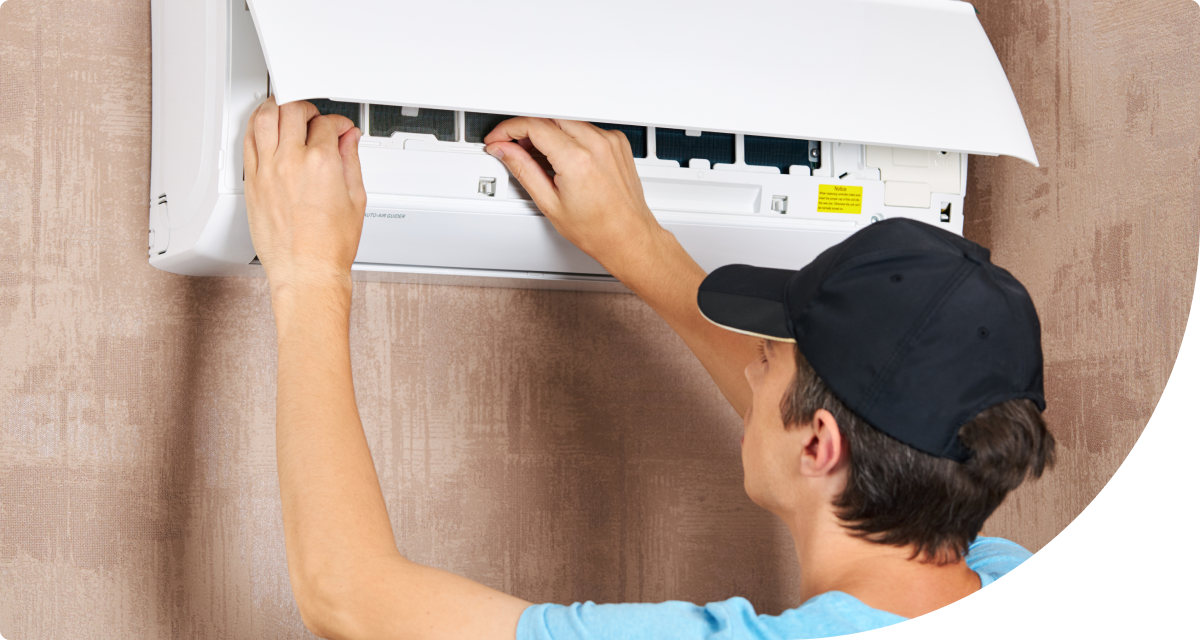
Credit: www.ahs.com
Improving Airflow
Good airflow helps your air conditioner work well. It keeps your home cool and saves energy.
Fixing airflow problems can make your AC last longer. It also helps reduce repair costs.
Clean Air Ducts
Dirty air ducts block air from moving freely. Dust and debris build up inside ducts over time.
Cleaning ducts improves airflow and air quality. Remove dust, mold, and other blockages.
- Turn off the AC before cleaning ducts
- Use a vacuum or air duct brush
- Check for leaks or holes in ducts
- Seal leaks with duct tape or mastic
Inspect Blower Motor
The blower motor pushes air through your home. If it is dirty or broken, airflow drops.
Look for dust on the motor and fan blades. Clean or replace parts if needed to improve airflow.
- Turn off power to the AC unit first
- Remove the blower motor cover
- Clean dust with a soft brush or cloth
- Check if the motor runs smoothly
- Call a technician if the motor is faulty
Replace Air Filters Regularly
Dirty filters block air and make your AC work harder. Change filters every 1 to 3 months.
Regular filter replacement keeps air clean and airflow steady. Use filters that fit your unit.
- Check the filter size before buying
- Remove and inspect filters monthly
- Replace if dirty or clogged
- Keep spare filters on hand
When To Call A Professional
Fixing an air conditioner can be simple or hard. Some problems need a pro’s help. Knowing when to call a professional saves time and money.
Try small repairs like cleaning or changing filters yourself. Call a pro for complex or risky issues. This keeps your AC safe and working well.
Electrical Issues
Electrical problems can cause your AC to stop working. They may include tripped breakers or faulty wiring. These issues can be dangerous to fix alone.
Call a professional if you smell burning, see sparks, or hear buzzing sounds. They have tools to check and fix electrical parts safely.
Compressor Problems
The compressor is the heart of your AC. If it fails, the unit won’t cool properly. Signs include strange noises or the AC not turning on.
Fixing compressors is complex and needs special skills. A professional can diagnose and repair or replace the compressor correctly.
Major Refrigerant Leaks
Refrigerant leaks cause poor cooling and can harm the environment. Small leaks might be fixed by you, but big leaks need expert care.
Only professionals can handle refrigerant safely. They find leaks, refill refrigerant, and ensure your AC runs well without risk.
Maintenance Tips For Longevity
Keeping your air conditioner in good shape helps it last longer. Regular care also keeps it working well.
Small actions can stop big problems. Follow simple tips to protect your air conditioner unit.
Schedule Regular Inspections
Check your air conditioner often to catch issues early. Regular inspections help find worn parts and leaks.
Hire a professional to inspect your unit at least once a year. This keeps your system safe and efficient.
Keep Outdoor Unit Clean
Remove leaves, dirt, and debris from the outdoor unit. A clean unit cools better and uses less energy.
Clear at least two feet around the unit to allow good airflow. Check this area often, especially after storms.
- Turn off power before cleaning
- Use a soft brush to clean fins
- Remove plants and objects near the unit
- Wash away dirt with a garden hose
Use A Programmable Thermostat
A programmable thermostat saves energy by adjusting temperature when you are away. It reduces wear on your air conditioner.
Set the thermostat to cool less when no one is home. This helps the unit run only when needed.
- Set higher temperatures when away
- Lower temperature before you return
- Use easy schedules for weekdays and weekends

Credit: www.youtube.com
Frequently Asked Questions
How Do I Troubleshoot A Non-cooling Air Conditioner?
First, check the thermostat settings and power supply. Clean or replace dirty filters. Inspect the outdoor unit for debris. If the problem persists, the refrigerant might be low, requiring professional service.
Why Is My Air Conditioner Leaking Water Inside?
Water leaks often happen due to clogged drain lines or a frozen evaporator coil. Clear the drain line or let the coil thaw. Regular maintenance prevents these issues and keeps your unit running smoothly.
How Often Should I Clean My Air Conditioner Filters?
Clean air filters every 1 to 3 months. Dirty filters reduce airflow and efficiency. Regular cleaning improves cooling performance and extends your unit’s lifespan.
When Should I Call A Professional For Ac Repair?
Call a professional if your AC won’t turn on, makes strange noises, or leaks refrigerant. Complex issues need expert diagnosis and repair to avoid further damage.
Conclusion
Fixing your air conditioner can save time and money. Start by checking simple issues like power and filters. Clean parts regularly to keep the unit running well. Small repairs often solve common problems quickly. Remember to stay safe and turn off power before working.
Regular care helps your AC last longer and work better. Keep these tips in mind to enjoy cool air all summer. You can handle many fixes yourself with patience and care.