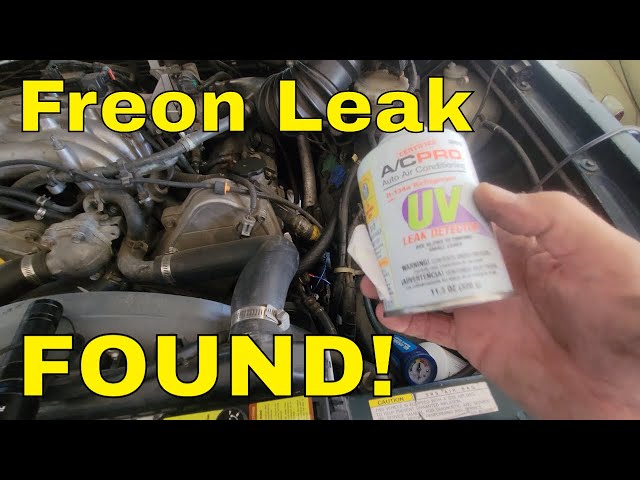
Is your car’s air conditioner leaking and leaving you feeling uncomfortable on hot days? You’re not alone, and the good news is that fixing this common problem might be easier than you think.
Imagine driving with cool, fresh air flowing smoothly again—no more sweat or wasted trips to the mechanic. You’ll discover simple, effective steps to identify and fix your car air conditioner leak. By the end, you’ll have the confidence to tackle the issue yourself and enjoy a cooler, more comfortable ride.
Keep reading to learn how to make your car’s AC work like new again!
Credit: jmcautomotiveequipment.com
Signs Of An Ac Leak
Reduced cooling efficiencyis a common sign of an AC leak. The car’s air conditioner will not blow cold air as before. It may take longer to cool the car or feel warm sometimes.
Visible refrigerant poolscan appear under the car. These are small puddles of liquid near the AC system parts. The liquid is usually clear or slightly oily and may have a distinct smell.
Unusual odorsinside the car can also point to a leak. The smell may be sweet or chemical-like. It can come from the vents or inside the cabin, making the ride uncomfortable.
Credit: www.greenwashingindex.com
Common Leak Sources
Hoses and connectionsoften wear out or crack over time. This causes small leaksthat let the refrigerant escape. Check for any wet or oily spots near the hose ends.
The compressor sealkeeps the refrigerant inside the compressor. If the seal breaks or wears down, it leads to leaks. Look for oil stains or wet spots around the compressor.
Condenser damagehappens when the condenser gets bent or pierced by debris. This can cause leaks that reduce cooling power. Inspect the front of the condenser for any visible damage or holes.
Evaporator issuesare harder to spot. The evaporator is inside the dashboard, so leaks here might cause a sweet smell or wet carpet. A professional test may be needed to find these leaks.
Tools And Materials Needed
Leak detection dyehelps find where the air conditioner leaks. It glows under UV light.
UV lightis used to see the dye inside the AC system. This light shows leaks clearly.
Sealant productsstop small leaks. They come in bottles or tubes and are easy to apply.
Basic hand toolslike screwdrivers, pliers, and wrenches help open and fix AC parts. These tools are needed to remove covers and tighten fittings.
Step-by-step Leak Detection
Start with a visual inspectionof the air conditioner system. Check hoses, connectors, and compressor for any visible signs of damage or oil stains. Oil stains often show where the leak is.
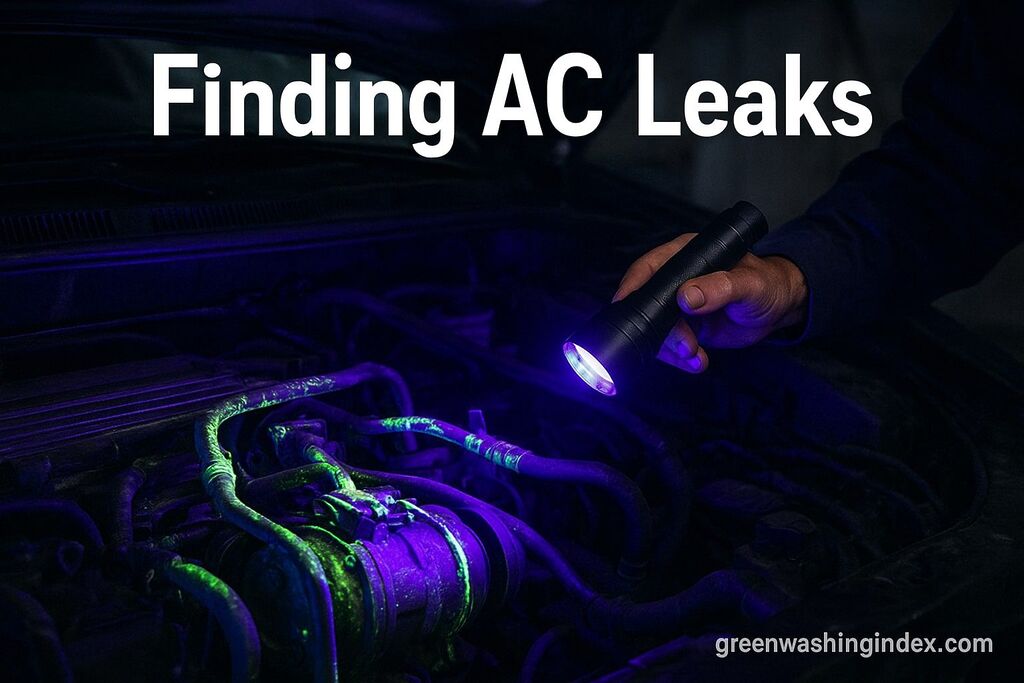
Use a dye and UV lightkit to find hidden leaks. Add the dye to the AC system and run it for some time. Then, shine a UV light over the system parts. The dye will glow, revealing the leak spot clearly.
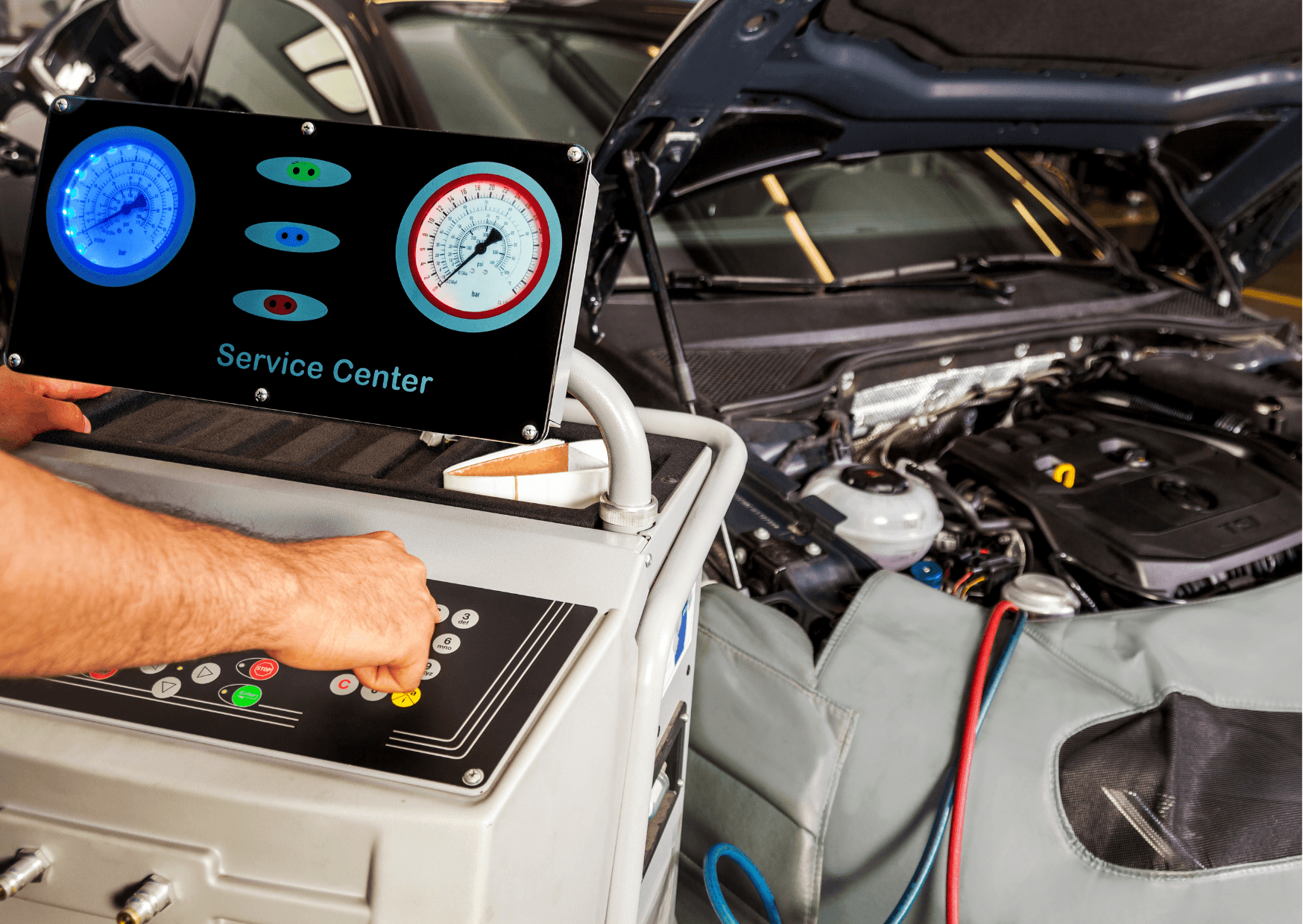
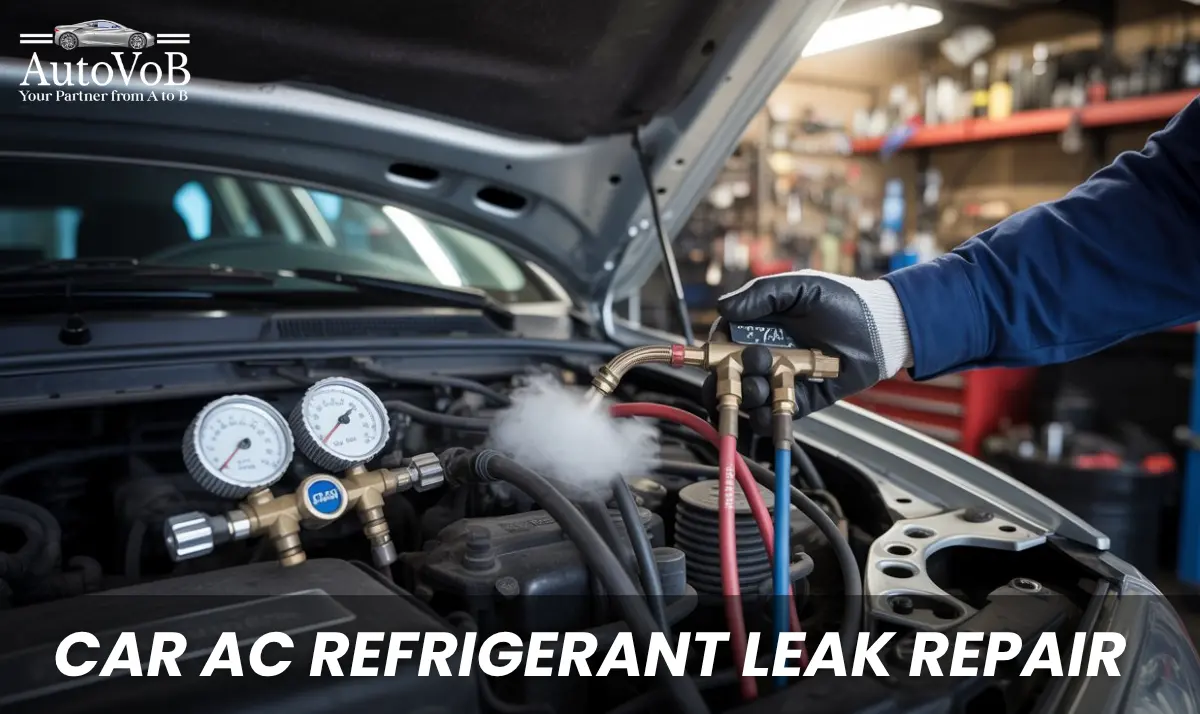
Pressure testinghelps confirm leaks. Connect a pressure gauge to the AC system. Pressurize it with nitrogen or air to the recommended level. Watch the gauge for pressure drops, which mean leaks. Listen for hissing sounds too.
Quick Fixes For Minor Leaks
Applying sealantshelps stop small leaks fast. Use a sealant made for car AC systems. Clean the area well before applying. Sealants fill tiny cracks and holes.
Tightening loose connectionscan stop leaks too. Check all hose clamps and fittings. Use a wrench or pliers to make them tight but not too tight. Loose parts let refrigerant escape.
Replacing damaged hosesworks for bigger leaks. Look for cracks or splits in hoses. Buy the right hose for your car model. Remove the old one carefully and install the new hose. Make sure all clamps are tight.
When To Seek Professional Help
Major component damagemeans parts like the compressor or condenser are broken. These parts need special tools and knowledge to fix safely. Attempting to repair major damage alone can make problems worse.
Refrigerant handlingrequires care. Refrigerants can harm the environment and your health. Professionals have the right equipment to recover and refill refrigerant safely and legally.
Complex repairsinclude fixing leaks inside sealed parts or replacing difficult components. These tasks need experience and technical skill to ensure the air conditioner works well afterward.
- Major damage needs expert tools and knowledge
- Refrigerant must be handled carefully and legally
- Complex repairs require experience for best results
Preventing Future Leaks
Regular maintenancehelps keep the air conditioner leak-free. Check the system for signs of wearor damage often. Clean or replace filters to avoid dirt buildup. Dirt can block airflow and cause leaks.
Proper system usageis key. Avoid setting the temperature too low. Running the AC too hard can cause stress on parts. Use the system regularly to keep the refrigerant flowing well.
| Season | Check | Why |
|---|---|---|
| Spring | Inspect hoses and connections | Prevent leaks before hot weather |
| Summer | Monitor cooling performance | Ensure system handles heat |
| Fall | Clean drains and vents | Remove debris to avoid clogs |
| Winter | Run AC briefly | Keep parts lubricated and working |
Credit: www.autovob.com
Frequently Asked Questions
How Do I Detect A Car Ac Leak?
To detect a car AC leak, look for oily residue or dye around AC components. Use a UV leak detector for accuracy. Low refrigerant levels and reduced cooling also indicate leaks. Prompt detection prevents further damage and costly repairs.
What Causes Car Ac Refrigerant Leaks?
Car AC refrigerant leaks are caused by worn seals, damaged hoses, or corrosion. Physical damage from road debris or accidents can also cause leaks. Regular maintenance helps identify and fix these issues early to keep your AC system efficient.
Can I Fix A Car Ac Leak Myself?
Yes, minor AC leaks can be fixed by adding sealant or replacing small parts. However, major leaks require professional tools and expertise. Always diagnose the leak source before attempting repairs to avoid worsening the problem.
How Much Does It Cost To Fix An Ac Leak?
Fixing a car AC leak costs between $150 and $500, depending on severity. Simple fixes like sealant are cheaper, while compressor or hose replacements are pricier. Getting a professional diagnosis ensures accurate cost estimates.
Conclusion
Fixing a car air conditioner leak saves money and keeps you cool. Start by finding the leak source carefully. Use the right tools and follow safety steps. Small leaks need simple fixes, big leaks may need expert help. Regular checks prevent future problems and keep AC working well.
Act quickly to avoid damage and discomfort. Stay patient and take your time during repairs. Your car will feel cooler and more comfortable after fixing the leak.