Is your car’s air conditioner blowing warm air when you need it most? It’s frustrating and uncomfortable, especially on hot days.
But don’t worry—you don’t have to spend a fortune at the mechanic right away. You can learn simple, effective ways to fix your car air conditioner not cooling properly. You’ll discover easy steps you can take to bring back that refreshing chill and enjoy every drive again.
Keep reading, because your comfort is closer than you think.

Credit: www.youtube.com
Common Causes Of Ac Not Cooling
Car air conditioners stop cooling for several reasons. Knowing these causes helps fix the problem faster.
Some issues are simple to fix, while others need professional help. Here are the common causes.
Low Refrigerant Levels
Refrigerant cools the air inside your car. If the level is low, the AC won’t blow cold air.
Leaks or lack of maintenance can cause refrigerant loss. Refilling it restores cooling power.
Clogged Air Filters
Air filters clean the air before it reaches the cabin. Dirt and dust can clog these filters.
A clogged filter lowers airflow and makes the AC less effective. Replace filters regularly.
Faulty Compressor
The compressor pumps refrigerant through the AC system. If it breaks, cooling stops.
Signs of a bad compressor include strange noises and warm air. Repair or replace if needed.
Electrical Issues
Wiring and fuses control the AC system. Electrical problems can stop the AC from working.
Check fuses and wiring for damage. A technician can test electrical parts and fix faults.
Leaking Ac System
Leaks let refrigerant escape. Without enough refrigerant, the AC cannot cool the air properly.
Leaks often happen in hoses or connections. Finding and fixing leaks restores AC function.
Quick Diy Fixes
Car air conditioners may stop cooling well for simple reasons. You can fix some problems yourself quickly. These fixes save time and money.
Try these easy checks and repairs before seeing a mechanic. They help restore cold air fast.
Check And Refill Refrigerant
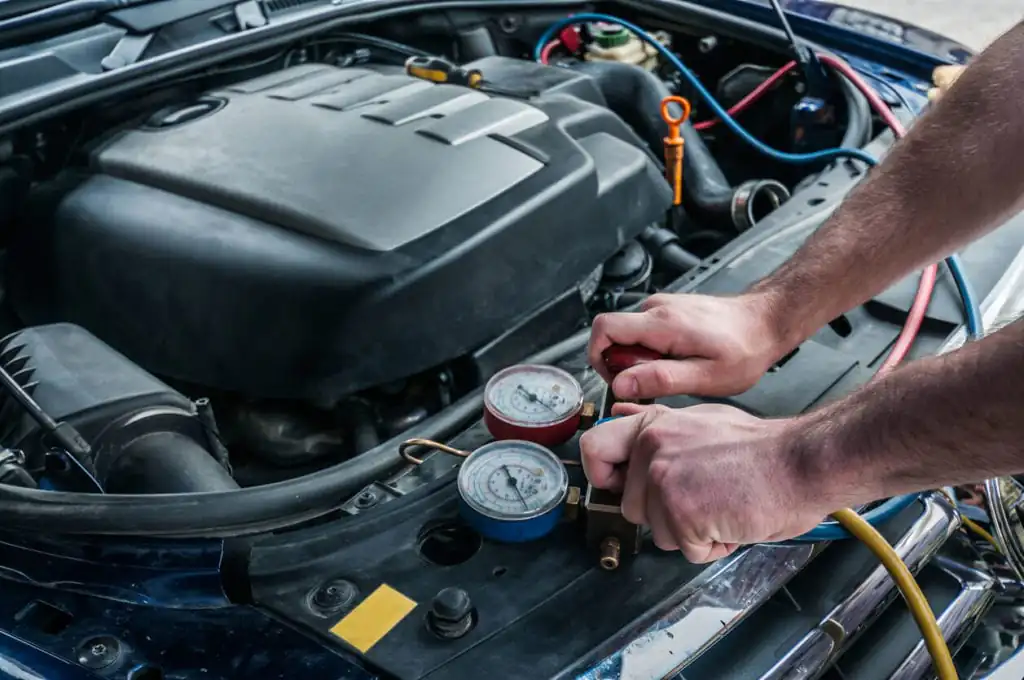
The refrigerant cools the air inside your car. If it is low, your AC will not cool well. Check the refrigerant level with a gauge.
If the level is low, refill the refrigerant using a refill kit. Follow the instructions carefully. Do not overfill.
- Buy a refrigerant recharge kit from an auto store
- Locate the low-pressure valve under the hood
- Attach the gauge and check the pressure
- Add refrigerant slowly if needed
- Turn on the AC and check cooling
Clean Or Replace Air Filters
Dirty air filters block air flow. This lowers cooling power. Find the cabin air filter inside your car. It is often behind the glove box.
Take out the filter and check if it is dirty. Clean it by tapping or use a vacuum. Replace it if very dirty or damaged.
- Locate the cabin air filter
- Remove it carefully
- Tap to remove dust or vacuum clean
- Replace with a new filter if needed
- Put the filter back securely
Inspect And Reset Fuses
Sometimes a blown fuse can stop your AC from working. Check the fuse box under the dashboard or hood. Look for the AC fuse.
Use the fuse diagram to find the AC fuse. Remove it and check if the wire inside is broken. Replace the fuse if needed.
- Turn off the car ignition
- Open the fuse box
- Find the AC fuse using the diagram
- Pull out the fuse and check it
- Replace the fuse if broken
- Close the fuse box and test AC
Clear Condenser Coils
The condenser coils cool the refrigerant. Dirt or debris on coils reduces AC efficiency. Check the coils in front of the radiator.
Clean the coils gently with a soft brush or water spray. Do not use high pressure or sharp tools. Keep coils clear for better cooling.
- Open the hood and locate condenser coils
- Use a soft brush to remove dust and leaves
- Rinse gently with water if needed
- Do not damage the coils or fins
- Dry the area before closing the hood
When To Seek Professional Help
Your car air conditioner may stop cooling for many reasons. Some problems are easy to fix yourself. Others need a professional mechanic’s skills.
Knowing when to call a professional can save time and prevent more damage. Below are key situations that require expert help.
Compressor Replacement
The compressor is the heart of your car’s AC system. If it fails, the AC will not cool properly. Replacing a compressor is a complex job.
- Compressor makes loud noises or clunks
- AC blows warm air even with proper refrigerant levels
- Visible damage or leaks on the compressor body
- Compressor clutch fails to engage
In these cases, a professional mechanic should inspect and replace the compressor.
Repairing Leaks
Refrigerant leaks reduce cooling power. Finding and fixing leaks can be tricky without special tools. Professionals use dyes and gauges to locate leaks.
| Leak Location | Signs | Why Call a Professional |
| Hoses and connections | Oil stains, low refrigerant | Need to replace seals or hoses |
| Condenser or evaporator | Visible holes, AC weak | Requires system evacuation and recharge |
| Compressor shaft seal | Oil leaks near compressor | Complex repair, risk of damage |
If your AC system loses refrigerant often or shows leaks, seek professional repair.
Electrical System Repairs
The AC depends on electrical parts like switches, fuses, and wiring. Faulty electrical parts can stop the AC from working.
Signs you need a professional electrician include:
- AC does not turn on or off
- Blown fuses or tripped circuit breakers
- Intermittent AC operation
- Burning smell or visible wire damage
Electrical diagnosis requires special tools. A pro can find and fix wiring or component problems safely.

Credit: www.youtube.com
Preventive Maintenance Tips
Keeping your car air conditioner working well means regular care. This stops small problems from getting big. Follow these tips to keep your AC cool and fresh.
Simple checks and cleaning help your AC run smoothly. They also save money on repairs later.
Regular Ac System Checks
Check your AC system often to find issues early. Look for leaks, strange noises, or weak airflow.
Testing the refrigerant level is important. Low refrigerant means the AC won’t cool well. Have a mechanic check it if needed.
- Look for leaks in hoses and connections
- Listen for unusual sounds from the compressor
- Check if air blows cold and strong
- Test refrigerant levels yearly
Keeping Condenser Clean
The condenser cools the refrigerant in your AC system. Dirt and debris block airflow and reduce cooling power.
Clean the condenser regularly by removing leaves, bugs, and dust. Use a soft brush or low-pressure water to avoid damage.
- Remove debris from condenser fins
- Use gentle water spray for cleaning
- Check for bent fins and straighten carefully
- Clean at least twice a year
Timely Filter Changes
Air filters trap dust and dirt from entering your car’s cabin. Dirty filters reduce airflow and make the AC work harder.
Change the cabin air filter as the car manual says. This keeps air fresh and the AC system healthy.
- Replace filters every 12,000 to 15,000 miles
- Use filters recommended by your car maker
- Check filters more often in dusty areas
- Clean filter housing when changing filters
Using Ac Efficiently
Run your AC wisely to save energy and keep it lasting longer. Avoid turning it on full blast from the start.
Use the recirculate setting to cool inside air faster. Park in shade to reduce heat build-up inside the car.
- Start AC on low and increase gradually
- Use recirculate mode when possible
- Park in shaded areas to keep car cool
- Turn off AC a few minutes before stopping
Credit: www.sunautoservice.com
Frequently Asked Questions
Why Is My Car Ac Not Cooling Properly?
Your car AC might not cool due to low refrigerant, clogged filters, or a faulty compressor. Regular maintenance helps avoid this issue.
How To Check If Car Ac Refrigerant Is Low?
Look for weak airflow or warm air from vents. A professional can test refrigerant levels with proper tools.
Can A Dirty Cabin Air Filter Affect Ac Cooling?
Yes, a dirty filter restricts airflow and reduces cooling efficiency. Replace it every 12,000 to 15,000 miles for optimal performance.
When Should I Recharge My Car Ac System?
Recharge your AC if cooling weakens or leaks are detected. Use proper refrigerant and follow manufacturer guidelines to avoid damage.
Conclusion
Fixing a car air conditioner not cooling takes patience and care. Start by checking simple issues like the refrigerant level or a clogged filter. Sometimes, a quick clean or recharge helps a lot. If problems continue, it’s wise to see a mechanic.
Regular maintenance keeps the AC working well longer. Stay cool and drive comfortably by addressing AC problems early. Small steps can make a big difference in your car’s comfort. Don’t wait until summer heat gets worse. Act now for a cooler ride.