Have you ever been ready to cast your line, only to find your fishing line tangled, frayed, or broken? It’s frustrating, and it can ruin your whole fishing trip.
But don’t worry—you can fix your fishing line quickly and easily, even if you’ve never done it before. You’ll discover simple, step-by-step solutions to get your line back in perfect shape. Keep reading, and you’ll never let a broken line stop you from enjoying your time on the water again.
Common Fishing Line Problems
Fishing lines face many challenges that can affect your catch. Knowing these problems helps you fix them fast.
We will look at three main issues: tangles and knots, breakage causes, and abrasion problems.
Line Tangles And Knots
Tangles and knots stop your fishing line from working well. They can cause frustration and lost fish.
- Check your reel for loose line before casting.
- Use the right knot for your fishing style.
- Keep line tight when reeling in to avoid loops.
- Untangle knots gently with your fingers or a tool.
- Replace old line that knots often.
Line Breakage Causes
Fishing line breaks due to many reasons. Knowing the cause can help you prevent it.
| Cause | Description | Fix |
| Overstretching | Pulling too hard on the line | Use thicker line or reduce tension |
| Old Line | Line loses strength over time | Replace line regularly |
| Sharp Edges | Line rubs against rocks or hooks | Check and avoid rough spots |
| Knots | Weak points where knots are tied | Use strong, proper knots |
Abrasion And Wear Issues
Abrasion wears down your line and makes it weak. It happens when line rubs on rough surfaces.
- Avoid dragging line over rocks or wood.
- Use a line with abrasion resistance for rough waters.
- Inspect your line often for worn spots.
- Cut off damaged sections before fishing.
- Store line away from sunlight and heat.
Credit: sportfishinghub.medium.com
Essential Tools For Line Repair
Fixing a fishing line requires a few simple tools. Having the right gear helps you repair quickly and safely. This guide covers the key tools needed for line repair.
Understanding your fishing line type and the proper cutting and sealing tools keeps your line strong. Read on to learn about these essentials.
Types Of Fishing Line
There are several types of fishing line. Each needs different care and repair methods. Common types include monofilament, fluorocarbon, and braided lines.
- Monofilament:This is a single strand line, flexible and easy to handle.
- Fluorocarbon:Invisible underwater and more resistant to abrasion.
- Braided:Made of woven fibers, very strong and thin in diameter.
Knives And Scissors
Sharp cutting tools are essential for clean cuts and to prevent fraying. Use a sharp knife or scissors designed for fishing line.
| Tool | Use |
| Line Cutter | Special tool for quick, clean cuts on fishing lines |
| Sharp Scissors | Cut knots and trim line ends smoothly |
| Utility Knife | Useful for heavier lines and precision cuts |
Adhesives And Tape
Adhesives and tape help secure knots and fix small tears in fishing lines. Choose waterproof and strong options for best results.
- Fishing line glue to bond line ends firmly.
- Waterproof tape to wrap and protect damaged areas.
- Heat shrink tubing to seal and strengthen repairs.
Quick Fixes For Line Tangles
Fishing line tangles can ruin your fishing experience. Quick fixes help you get back to fishing faster.
Knowing how to untangle and prevent knots saves time and frustration on the water.
Untangling Techniques
Start by loosening the knots gently. Pull the loops apart one at a time. Avoid pulling hard to stop tightening.
- Use your fingers or a needle to loosen tight knots.
- Wet the line slightly to reduce friction.
- Work slowly from the outside of the tangle toward the center.
- If the knot is too tight, cut the line and re-tie.
- Check the reel for any twists or overlaps causing the tangle.
Preventing Future Tangles
Keep your line neat to avoid tangles. Proper storage and casting help reduce knots.
| Tip | How It Helps |
| Spool line evenly | Prevents loose loops |
| Use quality knots | Reduces slipping and tangling |
| Check reel drag | Keeps line from twisting |
| Cast smoothly | Stops line from overlapping |
| Store reel properly | Prevents line from loosening |
Credit: n1outdoors.com
Repairing Line Breaks
Fishing line breaks can stop your fishing trip. Fixing these breaks fast is important to keep fishing.
This guide shows two easy ways to repair fishing line breaks. You can use simple knots or line connectors.
Simple Knot Methods
Simple knots join two broken line ends. They are quick and need no special tools. These knots work well for most fishing lines.
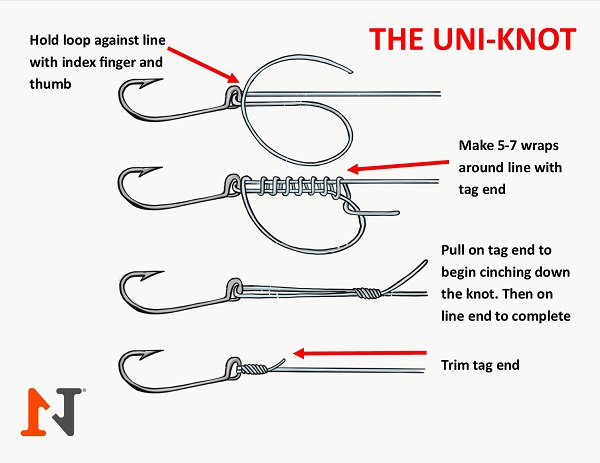
Common knots for fixing breaks include the Double Uni Knot and the Blood Knot. These knots keep the line strong and smooth.
- Trim the broken ends cleanly
- Overlap the ends by several inches
- Tie the Double Uni or Blood Knot tightly
- Moisten the knot before tightening
- Pull the knot firm and trim extra line
Using Line Connectors
Line connectors join broken lines without knots. They are small devices that clamp or twist the line ends together. Connectors are useful for thick or braided lines.
Using connectors is fast and simple. They keep the line strong and reduce line slip. Make sure to pick a connector that fits your line size.
- Cut the broken ends clean
- Insert line ends into the connector
- Use pliers to clamp or twist the connector
- Check the connection for tightness
- Trim any extra line for a neat finish
Handling Abrasion And Fraying
Fishing lines often get damaged from rubbing against rocks, hooks, or other hard surfaces. Abrasion and fraying weaken the line and can cause it to break unexpectedly.
Fixing these issues quickly keeps your line strong and ready for the next catch. Use the right methods to handle damage and avoid losing fish.
Trimming Damaged Sections
Cutting off the worn or frayed part of the line stops the damage from spreading. Use sharp scissors or a line cutter for a clean cut.
- Identify the damaged area by running your fingers along the line.
- Cut at least one inch above the damaged spot.
- Tie a new knot if needed to reattach your lure or hook.
- Check the line tension after trimming to ensure strength.
Reinforcing Weak Spots
Some weak spots are too small to cut off but still need extra support. You can reinforce these areas to prevent breaks during use.
| Method | Description | Tools Needed |
| Applying Nail Polish | Coat the weak spot with clear nail polish to add a protective layer. | Clear nail polish, small brush |
| Using Heat Shrink Tubing | Slide tubing over the weak spot and heat it to tighten around the line. | Heat shrink tubing, heat source (lighter or heat gun) |
| Tying a Backup Knot | Tie an extra knot close to the weak spot to strengthen the line. | None (just the fishing line) |

Credit: www.youtube.com
Maintaining Fishing Line Health
Keeping your fishing line in good condition helps you catch more fish. A healthy line is strong and lasts longer.
Simple care steps can prevent breaks and tangles. This guide shows how to store and inspect your line.
Proper Storage Tips
Store your fishing line in a cool, dry place. Heat and sunlight can damage the line quickly.
Keep the line away from chemicals like gasoline or insect spray. These can weaken the material.
- Use a sealed container to protect from dust and moisture
- Keep spools off the floor to avoid dirt and damage
- Store line away from direct sunlight and heat sources
- Label spools with the date to track how old the line is
Regular Line Inspections
Check your fishing line before and after each trip. Look for cuts, frays, or weak spots.
Replace or repair damaged sections to avoid losing fish. A small nick can cause line failure.
- Run your fingers along the line to feel for rough spots
- Look closely for discoloration or cracks
- Test knots to ensure they hold tight
- Trim off damaged parts and retie your hooks
Frequently Asked Questions
How Do I Fix A Broken Fishing Line Quickly?
To fix a broken fishing line quickly, use a strong fishing knot like the improved clinch knot. Trim frayed ends and moisten the knot before tightening. This ensures a secure, reliable fix and prevents future breaks during fishing.
What Is The Best Knot To Repair Fishing Line?
The best knot to repair fishing line is the improved clinch knot. It is easy to tie, strong, and holds well under tension. This knot works for most fishing lines and helps maintain line strength after fixing a break.
Can I Fix Fishing Line Without Cutting It?
Yes, you can fix fishing line without cutting by using a loop-to-loop connection or a blood knot. These methods join two line ends securely without trimming. However, trimming frayed parts improves knot strength and durability.
How To Prevent Fishing Line From Breaking Again?
To prevent fishing line from breaking again, regularly check for nicks or frays. Use appropriate line strength for your fishing type. Avoid sharp objects and keep the line clean and dry to maintain its strength and flexibility.
Conclusion
Fixing a fishing line isn’t hard with the right steps. Begin with a clear workspace. Gather all necessary tools. Follow each step carefully. Check for knots or tangles. Use patience and steady hands. Practice makes perfect. Soon, fixing lines becomes second nature.
Enjoy smoother fishing experiences. Share these tips with friends. They’ll thank you. Remember, a good fishing line means more catches. Keep learning and practicing. Happy fishing!