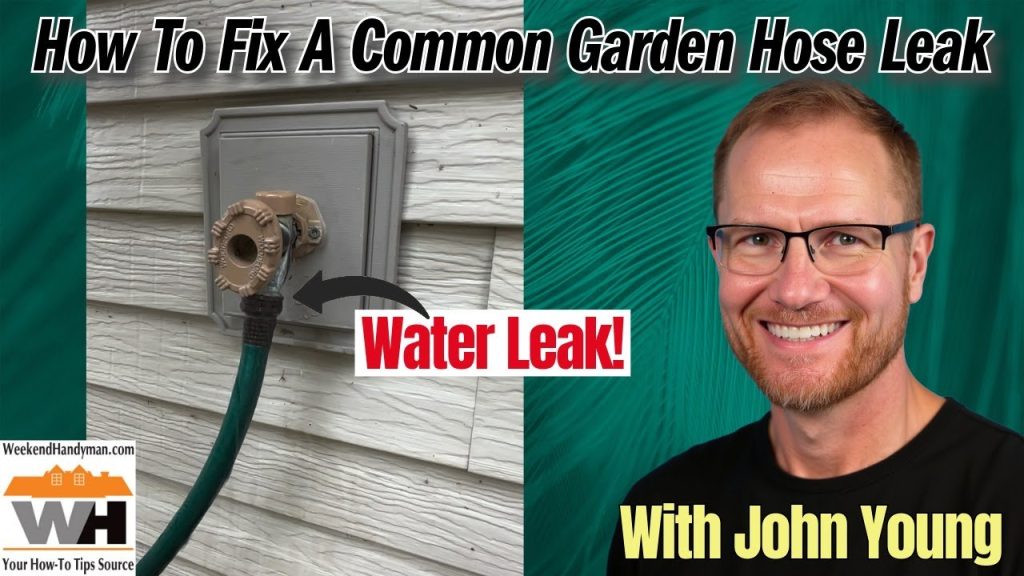
Is your garden hose leaking and wasting water every time you water your plants? A small drip might seem harmless, but it can quickly turn into a big problem that affects your garden and your water bill.
You don’t have to buy a new hose or call a plumber to fix it. You’ll discover simple and effective ways to stop those leaks fast. Keep reading, and you’ll learn how to save water, protect your garden, and get your hose working like new again.
Identify Leak Sources
Finding where your garden hose leaks is the first step to fixing it. Leaks waste water and can cause damage.
Check all parts of the hose carefully. Look closely at connections, the hose itself, and any attachments.
Check Hose Connections
Leaks often start at the connections. These are where the hose joins the faucet or other hoses.
- Turn off the water and disconnect the hose.
- Look for cracks or worn-out washers inside the connectors.
- Replace washers if they look damaged or hard.
- Tighten any loose fittings by hand or with a wrench.
- Check for rust or dirt that may cause a bad seal.
Inspect Hose Length
Leaks can happen anywhere along the hose. Look for holes, cracks, or worn spots.
| Signs of Damage | What to Do |
| Small hole or crack | Patch with hose repair tape or kit |
| Large tear or split | Cut out damaged section and reconnect |
| Soft, thin spots | Replace hose if damage is widespread |
Examine Nozzle And Attachments
Nozzles and other attachments can leak if they are loose or broken.
Follow these checks:
- Remove the nozzle or attachment from the hose.
- Inspect the rubber gasket inside for cracks or dryness.
- Replace the gasket if it looks damaged.
- Clean the threads to remove dirt or debris.
- Reattach firmly and test for leaks.
Basic Repair Tools
Fixing a leaky garden hose needs some simple tools. These tools help you stop leaks fast and save water.
Knowing what tools to use makes the repair easier. You don’t need many tools to get the job done right.
Essential Tools List
Gather these tools before starting your hose repair. They help you cut, tighten, and seal leaks properly.
- Utility knife or sharp scissors
- Adjustable wrench or pliers
- Hose repair kit or rubber washers
- Teflon tape for threading
- Sandpaper for smoothing hose edges
Selecting Repair Materials
Choose the right materials based on the hose type and leak location. Using proper parts stops leaks better.
| Material | Use | Notes |
| Rubber washers | Seal connectors | Replace old or cracked washers |
| Hose menders | Fix split hose sections | Match hose diameter |
| Thread tape | Seal threaded joints | Wrap 3-4 times around threads |
| Replacement hose ends | Replace damaged hose ends | Cut hose cleanly before attaching |
Fixing Small Holes
Small holes in a garden hose can waste water. Fixing them is easy and saves resources.
This guide will show you simple ways to repair small leaks. You’ll need just a few tools.
Using Waterproof Tape
Waterproof tape is a quick fix for small holes. It is easy to use and widely available.
Start by cleaning the hose. Wrap the tape around the hole tightly. Make sure it covers the hole completely.
- Find the hole by running water through the hose
- Dry the hose before applying tape
- Wrap the tape around the hose, overlapping each layer
Applying Hose Repair Kits
Hose repair kits offer a reliable solution. They often include connectors and clamps.
Cut out the damaged part. Use the kit to attach both ends of the hose. Tighten the clamps for a secure fit.
| Steps | Description |
|---|---|
| 1. Cut | Remove the damaged section |
| 2. Connect | Attach the kit’s connectors |
| 3. Clamp | Tighten the clamps around the connectors |

Credit: www.familyhandyman.com
Repairing Hose Fittings
Leaky garden hoses often lose water at the fittings. Fixing these leaks saves water and keeps your garden healthy.
Two common problems cause leaks: loose connections and damaged fittings. This guide shows how to repair both.
Tightening Loose Connections
Loose hose fittings let water drip or spray out. Tightening them can stop the leak quickly.
- Turn off the water supply before working on the hose.
- Hold the hose end firmly and twist the fitting clockwise.
- Use pliers if the fitting is too tight for your hands.
- Check if the leak stops by turning the water on slowly.
- If it still leaks, try the next repair method.
Replacing Damaged Fittings
Cracked or worn fittings cause leaks that tightening cannot fix. Replacing these parts works best.
| Tool or Item | Purpose |
| Adjustable wrench | Remove old fittings |
| Replacement fitting | New connection part |
| Teflon tape | Seal threads and prevent leaks |
| Pipe cutter or sharp knife | Trim hose end if damaged |
Follow these steps to replace a fitting:
- Turn off the water and drain the hose.
- Use the wrench to remove the old fitting.
- Cut the hose end cleanly if needed.
- Wrap Teflon tape around new fitting threads.
- Attach the new fitting tightly to the hose.
- Turn on water and check for leaks.
Fixing Large Cracks
Large cracks in garden hoses cause water leaks and waste water. Fixing these cracks can save your hose and keep your garden healthy.
There are easy ways to repair big cracks using tools and parts you can find at home or in a store.
Cutting And Splicing Hose
Cut out the cracked section of your hose using a sharp knife or scissors. Make sure the cuts are straight for a good fit.
After cutting, join the two ends using a hose splice connector. Push the hose ends onto the connector firmly to stop leaks.
- Cut the hose at least one inch away from the crack
- Use a hose splice connector of the right size
- Push hose ends fully onto the connector
- Tighten hose clamps if needed for extra hold
Using Hose Menders
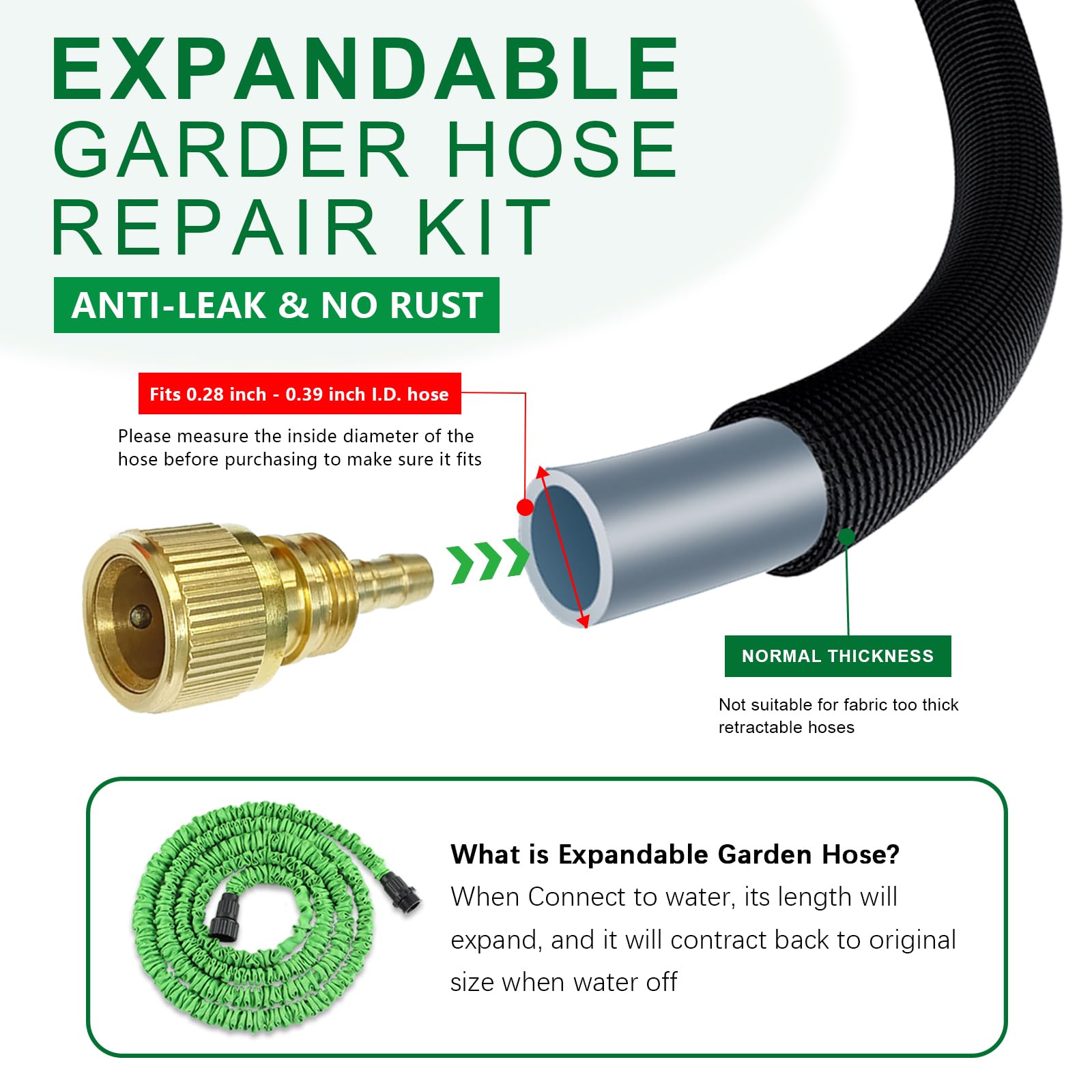
Hose menders are simple tools designed to fix leaks and cracks in hoses. They fit inside the hose to seal holes and cracks.
Insert the hose mender into the damaged area and push the hose ends onto it. Use clamps if needed to hold the hose tight.
- Choose a hose mender that fits your hose size
- Insert the mender into the hose ends
- Secure with clamps for a strong seal
- Check for leaks after repair
Credit: www.amazon.ca
Preventing Future Leaks
Fixing a leaky garden hose is important, but preventing future leaks saves time. Proper care can keep your hose working longer.
Using simple storage and maintenance habits helps avoid damage and leaks. Follow these tips to keep your hose in good shape.
Proper Storage Tips
Store your garden hose correctly to stop cracks and leaks. Avoid leaving it under the sun or in freezing areas.
- Drain all water before storing your hose.
- Coil the hose loosely to prevent kinks.
- Keep the hose in a shaded, dry place.
- Use a hose reel or hanger for better support.
- Do not leave the hose outside during winter months.
Regular Maintenance Practices
Check your garden hose often to find small problems early. Clean and repair it to prevent leaks from growing worse.
| Maintenance Task | Frequency | Purpose |
| Inspect hose for cracks and holes | Monthly | Find leaks early |
| Clean hose exterior and fittings | Every 3 months | Remove dirt and debris |
| Tighten or replace connectors | As needed | Ensure leak-free connections |
| Flush hose with water | Seasonally | Clear blockages and dirt |

Credit: www.familyhandyman.com
Frequently Asked Questions
How Do I Identify A Leaky Garden Hose?
Check for wet spots, puddles, or water spray along the hose. Inspect connections, fittings, and the hose body for cracks or holes. Listen for hissing sounds when water runs. Early detection helps prevent water waste and damage to your garden or lawn.
Can I Fix A Garden Hose Leak Myself?
Yes, most leaks can be fixed with simple tools and materials. Use hose repair kits, waterproof tape, or replace damaged sections. DIY repairs save money and extend hose life. Always turn off water before starting any repair work.
What Materials Are Best For Garden Hose Repair?
Rubber patch kits, waterproof tape, and hose connectors work well. Use materials designed for outdoor use and water resistance. Avoid regular tape as it may not hold under pressure. Proper materials ensure a durable and leak-free repair.
How To Prevent Garden Hose Leaks In Future?
Store hoses properly by coiling them without kinks and avoiding direct sunlight. Drain water after use to prevent freezing damage. Regularly inspect hoses and fittings for wear. Proper care prolongs hose life and reduces leaks.
Conclusion
Fixing a leaky garden hose saves water and money. Small cracks or holes cause most leaks. Use simple tools and materials to repair them quickly. Check hose ends and washers for damage. Tighten connections to stop drips. Regularly inspect your hose to avoid bigger problems.
A well-maintained hose lasts longer and works better. Try these easy steps next time you find a leak. Keep your garden healthy and your hose dry. Simple fixes make a big difference.