Does your microwave oven refuse to cooperate just when you need it the most? We’ve all been there—standing in the kitchen, impatiently tapping our fingers, while our trusty appliance decides to take a break.
But don’t worry; you’re not alone, and there’s a way out of this culinary conundrum. We’re diving straight into the heart of the problem and revealing simple, effective solutions to get your microwave back on track. Whether it’s a stubborn door, a flickering light, or a mysterious hum, you’ll find the answers you need right here.
By the end of this guide, you’ll not only save time and money but also gain the confidence to tackle those pesky issues with ease. Ready to transform frustration into triumph? Let’s get started!
Credit: www.maytag.com
Common Microwave Issues
Microwaves are essential kitchen appliances. They save time and make cooking easier. Still, they face issues that stop them from working well. Knowing common microwave problems helps fix them faster. This section covers typical microwave issues and how to recognize them.
Microwave Not Heating
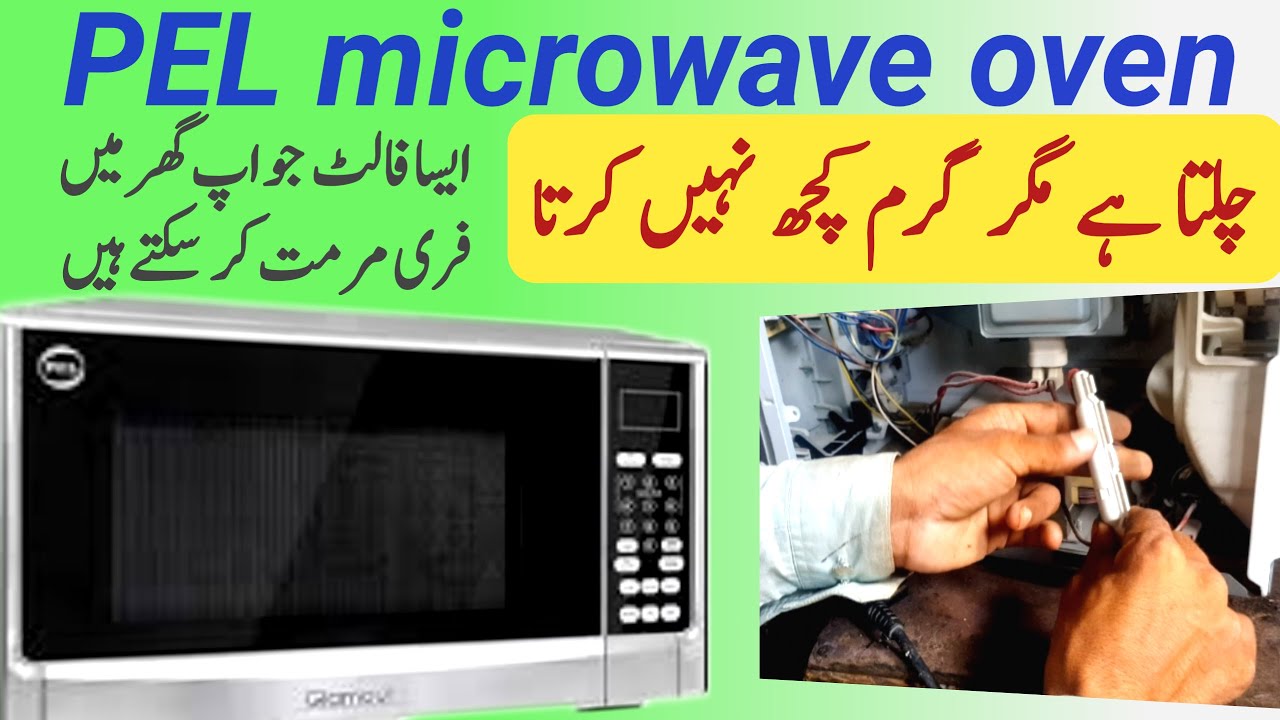
The microwave runs but does not heat food. This usually means a problem with the magnetron. The magnetron creates the heat inside the oven. A faulty high voltage diode or capacitor can also cause this issue. Check these parts or call a technician for help.
Turntable Not Rotating
The turntable stays still during cooking. This can cause uneven heating. The turntable motor might be broken or the drive bushing could be loose. Sometimes, debris or food stuck under the turntable stops it from moving. Cleaning and checking the motor helps fix this.
Sparking Inside Microwave
Sparks appear inside the microwave while working. This is dangerous and needs quick attention. Common causes include metal objects inside, damaged waveguide cover, or faulty stirrer fan. Remove metal items and inspect the interior. Replace damaged parts to avoid fire risk.
Microwave Door Problems
The microwave door does not close or latch properly. This stops the microwave from starting. The door switch or latch could be broken. Dirt or debris might block the door from closing fully. Clean the door edges and check switches for damage.
Unusual Noises
Strange sounds come from the microwave during use. Grinding, buzzing, or humming noises are signs of trouble. The turntable motor, magnetron, or cooling fan may cause noise. Loose parts or debris can also create sounds. Inspect and tighten parts or replace faulty components.

Credit: www.youtube.com
Basic Safety Tips
Fixing a microwave oven requires care and attention. Safety should always come first. Following basic safety tips helps prevent accidents and damage. Small precautions make a big difference during repairs.
Unplug Before Repair
Always disconnect the microwave from power. Unplugging stops electric shocks and injuries. Never start any fix while the microwave is plugged in. Double-check the plug is removed before opening the oven.
Use Proper Tools
Choose the right tools for the job. Using wrong tools can cause damage or injury. Simple tools like screwdrivers, pliers, and a multimeter often help. Keep tools clean and in good condition for safe use.
Avoid Water Contact
Keep water away from the microwave’s electronic parts. Water can short-circuit components and cause harm. Do not use wet hands or tools near the oven’s inside. Clean the microwave only with a dry or slightly damp cloth.
Troubleshooting Steps
Microwave ovens are convenient kitchen appliances, but when they stop working, it can be frustrating. Before calling a technician, you can try some simple troubleshooting steps to identify and fix common issues. These steps help you save time and money while gaining a better understanding of your microwave’s functionality.
Check Power Supply
First, ensure your microwave is properly plugged into a working outlet. Sometimes the issue is as simple as a loose plug or a tripped circuit breaker in your home’s electrical panel.
Try plugging another device into the same outlet to confirm it has power. If the outlet is faulty, resetting the breaker or replacing the outlet may solve the problem.
Inspect Door Switches
The microwave won’t run if the door switches aren’t functioning correctly. These switches detect whether the door is closed and prevent the microwave from operating when it’s open.
Carefully open and close the door, listening for a clicking sound. If you don’t hear it, the door switch may be faulty and require replacement.
Test Magnetron Function
The magnetron generates the microwaves that cook your food, so if your microwave runs but doesn’t heat, this part might be the issue.
Testing the magnetron requires a multimeter to check for continuity. If the magnetron shows no continuity, replacing it could restore your microwave’s heating ability.
Examine Turntable Motor
If your microwave runs but the turntable doesn’t rotate, the turntable motor might be broken or stuck.
Check for any obstructions under the turntable. If nothing blocks it, listen closely for motor noise; silence or grinding sounds indicate a motor problem that may need a replacement.
Clean Interior And Vents
A dirty microwave can cause performance problems or even safety hazards. Food splatters inside the cavity or blocked vents can interfere with proper operation.
Regularly wipe down the interior with a mild cleaner and ensure the vents are clear of dust and debris. This simple maintenance often improves efficiency and prevents overheating.
Simple Repairs You Can Do
Simple repairs on your microwave oven can save you time and money. Many common issues don’t need a professional’s help and can be fixed with basic tools. Understanding these fixes can boost your confidence and keep your microwave running smoothly.
Replacing The Fuse
If your microwave suddenly stops working, the fuse might be blown. Before replacing it, unplug the microwave and locate the fuse, usually near the power cord inside the microwave’s back panel.
Use a multimeter to check if the fuse is blown. If it shows no continuity, replace it with one that matches the exact rating. This quick fix often restores power without hassle.
Fixing The Door Latch
A microwave won’t run if the door latch isn’t working properly. Check if the latch is broken or misaligned by opening and closing the door slowly.
Sometimes, cleaning the latch area removes dirt that prevents it from clicking in. If the latch is damaged, order a replacement part and swap it out carefully to ensure your microwave operates safely again.
Changing The Turntable Motor
Is your microwave heating food unevenly? The turntable might not be turning due to a faulty motor. Find the motor beneath the microwave’s base; it’s usually held by a few screws.
Disconnect the motor wires, remove the screws, and replace the motor with a compatible one. This repair helps your food cook evenly without extra effort.
Replacing Light Bulb
If the interior light doesn’t come on, it might be a simple bulb replacement. Unplug the microwave and locate the bulb cover, often behind the control panel or inside the microwave cavity.
Remove the cover, take out the old bulb, and replace it with one of the same wattage. This small change brightens your microwave and lets you see your food clearly while cooking.
When To Call A Professional
Knowing when to call a professional can save time and prevent risks. Some microwave problems need expert skills and tools. Attempting repairs without proper knowledge can be dangerous and cause more damage. This section highlights key signs that show it is time to get professional help.
High Voltage Components
Microwaves use high voltage parts like the magnetron and capacitor. These parts can store electricity even when unplugged. Handling them without experience can cause electric shock or injury. Professionals have training to safely manage these components. Avoid opening the microwave if you see issues related to these parts.
Complex Electrical Issues
Problems with wiring or circuit boards require advanced skills. Faulty electrical connections may cause sparks or fires. Diagnosing these issues needs special tools and knowledge. A professional can properly test and fix these electrical faults. Trying to fix complex wiring can worsen the problem.
Warranty Considerations
Many microwaves come with a warranty that covers repairs. Opening or fixing the microwave yourself might void the warranty. It is best to check the warranty terms before any repair attempt. Professionals can perform repairs without risking the warranty. Using authorized service centers keeps your warranty valid.
Preventive Maintenance Tips
Keeping your microwave oven in top shape doesn’t have to be complicated. Small, consistent efforts can save you from costly repairs and extend the life of your appliance. Let’s look at some simple yet effective preventive maintenance tips that you can start applying today.
Regular Cleaning
Cleaning your microwave regularly prevents food splatters from turning into stubborn stains. Use a damp cloth or sponge with mild soap to wipe down the interior after every few uses. Avoid harsh chemicals that can damage the surface or leave harmful residues.
Don’t forget the microwave turntable and the door seals—they often collect crumbs and spills that affect performance. I once ignored cleaning the door seal, which caused the door to not close properly and disrupted cooking. A quick wipe fixed the issue instantly.
Avoid Metal Objects
Metal inside a microwave can cause sparks and damage the oven’s interior. Always check the items you put inside to make sure they don’t contain any metal parts, including aluminum foil or metal-trimmed plates. Even small metal pieces can create dangerous arcs and lead to costly repairs.
Have you ever seen sparks flying inside your microwave? It usually means metal is present. It’s safer to use microwave-safe glass or ceramic containers to avoid such risks.
Proper Usage Habits
How you use your microwave impacts its longevity. Avoid running it empty, as this can cause the magnetron to overheat and fail. Also, don’t operate the microwave for longer than necessary—overcooking not only wastes energy but strains the appliance.
Adjust power settings according to the food you’re heating; high power isn’t always best. Simple habits like these prevent unnecessary wear and keep your microwave working smoothly for years.
Credit: www.youtube.com
Frequently Asked Questions
Why Is My Microwave Not Heating Food?
Your microwave may not heat due to a faulty magnetron, blown fuse, or door switch issues. Check these parts and replace if needed. Safety first: unplug the oven before inspecting any components.
How Do I Reset A Microwave Oven?
To reset, unplug the microwave for 1-2 minutes, then plug it back in. This can clear minor errors and restore normal function. If problems persist, consult the user manual or a technician.
What Causes A Microwave Turntable To Stop Spinning?
The turntable may stop due to a broken motor, misaligned coupler, or faulty drive bushing. Inspect these parts and replace if damaged. Ensure the turntable is seated properly before testing.
Can I Fix A Microwave Door Latch Myself?
Yes, if the door latch is broken or misaligned, you can replace it with a compatible part. Ensure the microwave is unplugged before attempting repairs for safety.
Conclusion
Fixing your microwave oven can save time and money. Start by checking simple issues like power and door seals. Use basic tools and follow safety steps carefully. Small problems often have easy solutions. Don’t rush repairs; take your time to avoid mistakes.
If the problem seems complex, consider expert help. Regular care keeps your microwave working longer. Now, you have the knowledge to try basic fixes at home. Stay safe and patient during the process. Your microwave can work well again with some effort.