If your car is not running as smoothly as it used to, your fuel injection system might be clogged or dirty. Knowing how to flush your fuel injection system can save you money and improve your engine’s performance.
In this guide, you’ll learn simple, effective steps to clean your fuel injectors and get your vehicle back to peak condition. Keep reading—you’ll discover easy tips that anyone can follow, even if you’re not a car expert. Your engine will thank you.
Signs Of A Clogged Fuel Injector
A clogged fuel injector can cause many problems in your vehicle. It stops fuel from flowing properly to the engine. This can lead to poor engine performance and higher fuel use.
Knowing the signs of a clogged fuel injector helps you fix the issue early. This keeps your car running smooth and saves money on repairs.
Engine Misfires And Rough Idle
When fuel injectors clog, the engine may misfire. The car might shake or run unevenly when idling. This happens because fuel does not reach all cylinders properly.
Reduced Fuel Efficiency
A clogged fuel injector can lower your car’s fuel efficiency. The engine needs more fuel to run well. This wastes gas and costs more money.
- Increased fuel consumption
- More frequent visits to the gas station
- Higher fuel costs over time
Poor Acceleration
If your car is slow to speed up, a clogged injector might be the cause. The engine does not get enough fuel fast enough. This leads to weak acceleration and poor power.
Check Engine Light
| Cause | Effect |
| Clogged fuel injector | Triggers check engine light |
| Fuel delivery problem | Error codes stored in the car’s computer |
| Engine sensors detect misfire | Warning light turns on dashboard |

Credit: www.youtube.com
Tools And Materials Needed
Flushing the fuel injection system keeps your engine running smoothly. You need the right tools and materials for the job.
This guide lists the main items required to clean fuel injectors safely and effectively.
Fuel Injector Cleaner
Fuel injector cleaner is a special liquid that removes deposits inside the fuel system. Choose a cleaner that fits your vehicle’s engine type.
Some cleaners come in bottles, while others are designed to connect directly to the fuel line.
Basic Hand Tools
- Wrenches for loosening fuel line fittings
- Screwdrivers for removing clamps or covers
- Pliers to handle small parts or clips
- Rags to clean spills and wipe surfaces
- A container to catch fuel spills safely
Having these tools ready helps complete the job faster and safer.
Safety Equipment
| Safety Item | Purpose |
|---|---|
| Gloves | Protect skin from fuel and chemicals |
| Safety glasses | Shield eyes from splashes |
| Fire extinguisher | Put out accidental fires quickly |
| Work clothes | Cover skin to prevent irritation |
| Well-ventilated area | Prevent breathing harmful fumes |
Preparing Your Vehicle
Flushing your fuel injection system needs careful preparation. Proper steps keep you safe and help the process go smoothly.
This guide covers the key tasks before you start flushing. Follow each part to get ready correctly.
Park And Cool Down
Always park your vehicle on a flat surface. Turn off the engine and let it cool for at least 30 minutes. This prevents burns and accidents.
Locate The Fuel Injection System
Find the fuel injection system under the hood. It usually sits near the engine intake manifold. Check your vehicle manual if you are unsure.
- Open the hood and secure it.
- Look for the fuel rail and injectors.
- Note the fuel lines connected to the system.
- Make sure the area is clean and free of debris.
Disconnect The Battery
Disconnecting the battery stops electrical power. This step prevents sparks or shorts during flushing.
| Battery Terminals | Action |
| Negative (-) | Disconnect first using a wrench |
| Positive (+) | Disconnect after negative terminal |
| Both terminals | Cover with cloth to avoid contact |

Credit: www.amazon.ca
Step-by-step Fuel Injector Flush
Fuel injectors can get dirty over time. This makes your engine run poorly. Flushing the fuel injection system cleans the injectors. This helps your engine work better.
Here is a simple guide to flush your fuel injection system safely and effectively.
Attach The Fuel Injector Cleaner
First, find the fuel rail on your engine. This is where you will connect the cleaner. Use the right adapter for your car model.
Make sure the cleaner bottle is full. Attach the cleaner to the fuel rail securely. Check for any leaks before moving on.
- Locate the fuel rail
- Choose the correct adapter
- Fill the cleaner bottle
- Attach cleaner to fuel rail firmly
- Check for leaks
Run The Engine With Cleaner
Start the engine and let it run on the cleaner solution. This allows the cleaner to flow through the injectors. Run the engine for about 10-15 minutes.
Keep the engine speed steady. Do not turn off the engine during the flush process. This helps remove dirt and buildup inside the injectors.
- Start engine
- Run on cleaner for 10-15 minutes
- Keep engine speed steady
- Do not turn off engine
Monitor Performance During Flush
Watch the engine for smooth running and steady idle. Listen for unusual sounds or rough running. This shows if the flush is working well.
If the engine runs rough, stop and check the connections. After flushing, test drive your car. Notice if the engine feels smoother and more responsive.
- Watch engine idle
- Listen for rough sounds
- Check connections if problems occur
- Test drive after flush
- Look for smoother engine response
Alternative Cleaning Methods
Flushing the fuel injection system keeps your engine running smoothly. There are alternative ways to clean it besides the usual methods.
These options can help remove dirt and deposits that block fuel flow and reduce engine performance.
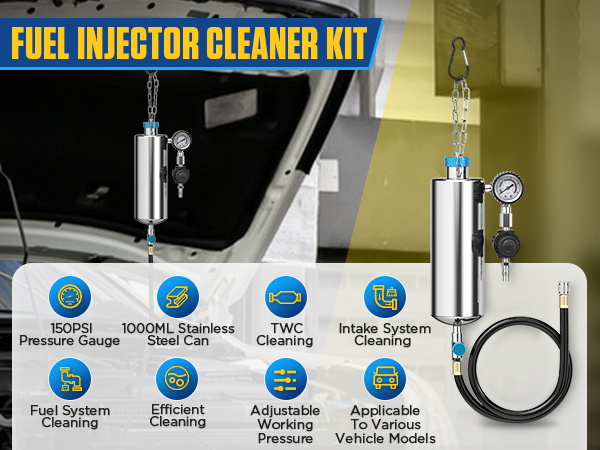
Using Professional Cleaning Kits
Professional cleaning kits are made for fuel injection systems. They include special cleaners and tools to flush the system.
These kits are easy to use and do not need much mechanical skill. They clean injectors and fuel lines effectively.
- Connect the kit to the fuel rail or intake manifold
- Run the cleaner through the system with the engine off or running
- Follow the kit instructions for the best results
- Repeat the process if needed for heavy deposits
Ultrasonic Cleaning Services
Ultrasonic cleaning uses sound waves to clean fuel injectors deeply. It removes tough deposits without damage.
You remove the injectors and send them to a service center. The center uses ultrasonic tanks with special solutions.
- Injectors are placed in a tank with cleaning fluid
- Ultrasonic waves create bubbles that clean the parts
- Cleaning reaches inside tiny injector holes
- After cleaning, injectors are tested for proper spray and flow

Credit: www.youtube.com
Post-flush Checks
After flushing the fuel injection system, it is important to perform some checks. These checks ensure the system works well and there are no issues.
Proper post-flush checks help keep your engine running smoothly and safely.
Inspect For Leaks
Look closely at the fuel lines and injectors for any signs of fuel leaks. Leaks can cause poor engine performance and safety hazards.
- Check all fuel hose connections
- Inspect injector seals and O-rings
- Look for wet spots or fuel smell around the engine
- Make sure clamps and fittings are tight
Test Drive And Performance Check
Drive your vehicle to see how it performs after the flush. Notice any unusual sounds or hesitation during acceleration.
| Check Point | What to Look For |
| Engine Idle | Stable and smooth, no stalling |
| Acceleration | Quick response, no hesitation |
| Fuel Smell | No strong fuel odor |
| Warning Lights | No engine or check engine lights |
Resetting The Engine Control Unit
Resetting the Engine Control Unit (ECU) clears old data and helps it learn new fuel system conditions. This can improve engine efficiency.
Here is a simple way to reset the ECU:
- Turn off the ignition and remove the key.
- Disconnect the negative battery cable.
- Wait at least 10 minutes to let the ECU reset.
- Reconnect the battery cable securely.
- Start the engine and let it idle for a few minutes.
Preventive Maintenance Tips
Keeping your fuel injection system clean helps your engine run smoothly. Regular care prevents costly repairs and extends engine life.
This guide covers easy tips to maintain your fuel injection system. Follow these steps to avoid buildup and improve fuel efficiency.
Regular Use Of Fuel Additives
Fuel additives help remove deposits from the fuel injectors. They keep the system clean and improve fuel flow. Use additives every few thousand miles for best results.
- Choose additives designed for fuel injection cleaning
- Add the recommended amount to your fuel tank
- Use additives regularly as part of routine maintenance
- Check your vehicle manual for specific product suggestions
Timely Fuel Filter Replacement
Fuel filters trap dirt and rust before they reach the injectors. A clogged filter reduces fuel flow and harms engine performance. Replace the fuel filter on time to avoid problems.
| Fuel Filter Replacement Interval | Effect of Delay |
|---|---|
| Every 20,000 to 30,000 miles | Maintains clean fuel flow and engine efficiency |
| Overdue replacement | Clogged filter, poor engine performance, injector damage |
Quality Fuel Choices
Using high-quality fuel protects your injectors from deposits and corrosion. Lower quality fuel may contain impurities that harm the system. Always choose reliable fuel brands for your vehicle.
Tips for choosing quality fuel:
- Pick fuel with proper octane rating for your engine
- Refuel at stations with good turnover to ensure fresh fuel
- Avoid fuel from unknown or low-rated sources
- Consider fuels with added detergents for injector care
Frequently Asked Questions
What Is A Fuel Injection System Flush?
A fuel injection system flush is a maintenance process. It cleans the fuel injectors and intake valves. This ensures optimal engine performance. Over time, deposits can build up, reducing efficiency. Flushing removes these deposits and improves fuel economy. Regular maintenance helps prolong engine life and enhances vehicle performance.
How Often Should I Flush My Fuel Injection System?
It’s recommended to flush the fuel injection system every 30,000 miles. This schedule prevents deposit buildup and maintains efficiency. However, check your vehicle’s manual for specific guidelines. Driving conditions and fuel quality can also affect this interval. Regular maintenance ensures your engine runs smoothly and efficiently.
Can I Flush My Fuel Injection System Myself?
Yes, you can flush your fuel injection system yourself. However, it requires specific tools and expertise. If you’re inexperienced, consider hiring a professional. They ensure the process is done correctly and safely. DIY methods can save money but may risk damaging the system.
What Are The Signs My System Needs Flushing?
Common signs include reduced fuel efficiency and rough idling. Engine misfires and poor acceleration are also indicators. These symptoms suggest deposit buildup in the injectors. Regularly checking these signs helps maintain optimal engine performance. Timely flushing resolves these issues and enhances vehicle efficiency.
Conclusion
Flushing your fuel injection system keeps your engine running smoothly. It removes dirt and buildup that block fuel flow. Clean injectors improve fuel efficiency and reduce emissions. Regular maintenance saves money on costly repairs later. Follow steps carefully for safe and effective flushing.
A clean system helps your car start easily and run better. Simple care can extend your vehicle’s life. Try to check and flush your fuel system as needed. Your engine will thank you with better performance.