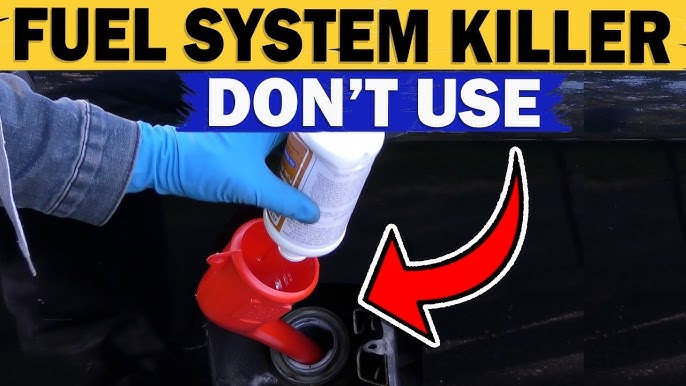
If your vehicle isn’t running as smoothly as it used to, your fuel system might be clogged or dirty. Knowing how to flush your fuel system can save you money and improve your car’s performance.
You’ll discover simple steps to clean your fuel system effectively, helping your engine run better and last longer. Keep reading, and you’ll learn how to take control of your car’s health with easy, practical tips you can use right away.
Why Flush The Fuel System
Flushing the fuel system keeps your engine running smoothly. Dirt and debris can build up in the fuel lines and injectors over time. This buildup blocks fuel flow and reduces engine power.
Cleaning the fuel system removes these deposits. It helps your car start easier and run more efficiently. Regular flushing also prevents costly repairs later.
Signs Of A Clogged Fuel System
Knowing the signs of a clogged fuel system can save you trouble. Watch for these common problems that mean your fuel system needs cleaning.
- Engine stalls or hesitates during acceleration
- Rough idling or uneven engine performance
- Reduced fuel efficiency and higher gas consumption
- Difficulty starting the engine
- Black smoke from the exhaust pipe
Benefits Of Fuel System Cleaning
Cleaning the fuel system offers many advantages. It improves engine life and reduces harmful emissions. Here is a comparison of key benefits before and after fuel system cleaning.
| Benefit | Before Cleaning | After Cleaning |
|---|---|---|
| Fuel Efficiency | Low | High |
| Engine Performance | Weak | Strong |
| Emissions | High | Lower |
| Engine Start | Hard | Easy |

Credit: www.fuellogic.net
Tools And Materials Needed
Flushing your fuel system helps keep your engine clean and running well. You need the right tools and materials to do it safely and correctly.
This guide covers the essential cleaning agents and the tools you will need for the job.
Essential Cleaning Agents
Fuel system cleaners remove dirt and deposits from fuel injectors, carburetors, and intake valves. Choose a cleaner made for your engine type.
Some cleaners come as liquids to add to your fuel tank. Others are sprays for direct application. Always read the label before use.
- Fuel injector cleaner (liquid form)
- Carburetor cleaner spray
- Throttle body cleaner
- Intake valve cleaner
- Protective gloves and safety glasses
Required Tools And Equipment
You need several tools to access and clean the fuel system parts. Some tools help prevent spills and keep you safe.
Having the right tools makes the job faster and reduces the risk of damage to your vehicle.
- Socket set and wrenches
- Screwdrivers (flathead and Phillips)
- Fuel line disconnect tool
- Clean rags or shop towels
- Plastic container for catching fuel
- Funnel for adding cleaning agents
- Safety gloves and goggles
- Jack and jack stands (if needed to access components)
Preparing Your Vehicle
Flushing your fuel system helps keep your engine running smoothly. Before you start, prepare your vehicle carefully. This will make the process safer and easier.
Follow simple steps to get ready. Understanding your fuel system parts is important. Safety should come first to avoid accidents.
Safety Precautions
Fuel is flammable and can be dangerous. Take these safety steps before flushing your fuel system.
- Work in a well-ventilated area to avoid fumes.
- Keep fire sources and sparks far from the vehicle.
- Wear safety goggles and gloves to protect your eyes and hands.
- Have a fire extinguisher nearby in case of emergencies.
- Disconnect the vehicle’s battery to prevent electrical sparks.
- Allow the engine to cool down before starting work.
Locating Fuel System Components
Find the main parts of your fuel system before flushing. Knowing their locations helps you work safely and efficiently.
| Component | Location | Purpose |
| Fuel Tank | Under the rear of the vehicle | Stores fuel |
| Fuel Pump | Inside or near the fuel tank | Moves fuel to the engine |
| Fuel Filter | Between the fuel tank and engine | Removes dirt and debris |
| Fuel Injectors | Attached to the engine intake | Sprays fuel into engine cylinders |
Step-by-step Fuel System Flush
Flushing your vehicle’s fuel system helps remove dirt and deposits. This keeps the engine running smoothly.
Follow these simple steps to flush the fuel system safely and effectively.
Draining Old Fuel
Start by draining the old fuel from the tank. This removes any dirt or stale fuel that may cause problems.
Use a fuel siphon pump or drain plug if available. Make sure to collect the fuel safely in a container.
- Park the vehicle on a flat surface
- Turn off the engine and open the fuel cap
- Use a siphon pump to remove fuel or open the drain plug
- Store old fuel in an approved container for disposal
Adding Fuel System Cleaner
After draining, add a fuel system cleaner to the tank. This cleaner breaks down deposits inside the system.
Choose a cleaner made for your vehicle type. Follow the product instructions for the correct amount.
- Pour the cleaner into the empty fuel tank
- Fill the tank with fresh fuel
- Close the fuel cap tightly
Running The Engine
Start the engine and let it run. This allows the cleaner to circulate through the fuel system.
Run the engine at idle for about 10 to 15 minutes. Avoid heavy acceleration during this time.
- Turn on the engine
- Keep the engine running at idle speed
- Listen for smooth running and no unusual sounds
- After 15 minutes, turn off the engine
Repeating The Process If Needed
If the fuel system is very dirty, repeat the flush. This ensures all deposits are removed.
Wait a few days between flushes. Monitor engine performance to decide if another flush is needed.
- Check for improved engine smoothness
- Flush again if rough idling or poor acceleration continues
- Do not flush more than twice in a short period
- Always follow cleaner product guidelines
Professional Fuel System Cleaning Options
Keeping your fuel system clean helps your engine run smoothly. Dirt and deposits can block fuel flow and reduce performance. Professional cleaning removes buildup inside the fuel system.
Experts use special tools and techniques to clean the fuel system. These services improve fuel efficiency and reduce emissions. Two common professional options are ultrasonic cleaning and fuel injector cleaning services.
Ultrasonic Cleaning
Ultrasonic cleaning uses sound waves to clean small parts. The waves create tiny bubbles that remove dirt and deposits. This method cleans fuel system parts deeply and gently.
This cleaning is often done on fuel injectors, carburetors, and valves. It reaches areas that other cleaning methods miss. Ultrasonic cleaning restores parts to near-new condition.
- Uses high-frequency sound waves
- Removes carbon and varnish deposits
- Safe for delicate engine parts
- Improves fuel flow and engine performance
Fuel Injector Cleaning Services
Fuel injector cleaning removes clogging and buildup inside injectors. Clean injectors spray fuel evenly and efficiently. This service helps your engine start easier and run smoother.
Technicians use special machines or fuel additives to clean injectors. Regular cleaning prevents poor fuel economy and rough idling. Fuel injector cleaning is a key part of fuel system maintenance.
- Clears clogged fuel injectors
- Restores proper fuel spray pattern
- Improves engine power and efficiency
- Reduces emissions and engine knocking

Credit: www.youtube.com
Maintaining A Clean Fuel System
A clean fuel system helps your vehicle run smoothly. Dirt and deposits can clog fuel parts.
Flushing the fuel system removes these harmful buildups. It keeps the engine working well.
Regular Use Of Fuel Additives
Fuel additives help clean fuel injectors and prevent deposits. Use them regularly for best results.
Additives can improve fuel flow and engine performance. Follow the instructions on the product label.
- Choose additives made for your fuel type
- Use additives every few fuel fill-ups
- Avoid mixing different types of additives
Tips For Fuel Quality And Storage
Good fuel quality prevents damage to the fuel system. Store fuel properly to keep it fresh.
Old or contaminated fuel can clog parts and cause poor engine performance. Use clean containers for storage.
- Buy fuel from trusted stations
- Keep fuel tanks full to avoid moisture
- Store fuel in sealed, clean containers
- Use fuel stabilizers for long storage periods
Common Mistakes To Avoid
Flushing your fuel system keeps your engine running well. Many make errors that reduce the flush’s success. Avoid these common mistakes to get better results.
This guide covers two key mistakes: using the wrong cleaner and ignoring safety rules. Understanding these helps protect your vehicle and yourself.
Using The Wrong Cleaner
Choosing the wrong cleaner can harm your fuel system parts. Not all cleaners work the same for every engine type. Some may cause damage or leave deposits behind.
- Avoid harsh chemicals that can corrode metal parts.
- Do not use cleaners made for different fuel types.
- Check that the cleaner matches your vehicle’s specifications.
- Use products from trusted brands with good reviews.
- Never mix different cleaners together.
Ignoring Safety Guidelines
Fuel system flushing involves flammable liquids and fumes. Ignoring safety can cause fires, health issues, or injury. Always follow safety steps carefully.
| Safety Step | Reason |
| Work in a well-ventilated area | Prevents harmful fume buildup |
| Wear gloves and eye protection | Protects skin and eyes from chemicals |
| Keep fire sources away | Prevents accidental fires or explosions |
| Dispose of old fuel and cleaner properly | Protects the environment |
| Follow manufacturer instructions | Ensures safe and effective flushing |

Credit: www.subaru.asia
Frequently Asked Questions
What Is A Fuel System Flush?
A fuel system flush is a maintenance procedure. It involves cleaning the fuel system components. This helps remove deposits and contaminants. A clean fuel system ensures efficient engine performance. It also helps in maintaining fuel economy.
Why Flush The Fuel System Regularly?
Flushing the fuel system regularly prevents build-up. This build-up can affect engine performance. Regular maintenance ensures smoother engine operation. It also enhances fuel efficiency and longevity. Neglecting this can lead to costly repairs.
How Often Should You Flush The Fuel System?
Flushing frequency varies by vehicle type and usage. Typically, it’s recommended every 30,000 miles. Check your vehicle’s manual for guidance. Regular checks help maintain optimal engine performance. Consult a professional for personalized advice.
Can You Flush The Fuel System Yourself?
Yes, you can flush it yourself with proper tools. DIY kits are available for purchase. However, professional service ensures thorough cleaning. It also minimizes the risk of damage. Always follow the manufacturer’s instructions for safety.
Conclusion
Flushing your fuel system keeps your engine running smooth. It helps remove dirt and old fuel buildup. Regular cleaning prevents costly repairs later on. Use the right tools and follow safety steps closely. A clean fuel system means better fuel efficiency.
Save money and avoid engine trouble down the road. Take time to maintain your vehicle well. Your car will thank you with better performance. Simple steps can make a big difference. Keep your fuel system clean and drive with confidence.