
Is your radiator not heating up like it used to? It might be clogged with dirt and rust inside.
Flushing your radiator with a garden hose is a simple and effective way to clear out these blockages. You don’t need fancy tools or a mechanic to do it—you can handle it yourself at home. You’ll learn easy, step-by-step instructions to flush your radiator quickly and safely.
By the end, your radiator will run smoother, keeping your engine cooler and your car performing better. Ready to give your radiator a fresh start? Let’s dive in.
Tools And Materials Needed
Flushing a radiator with a garden hose is a simple task if you have the right tools. Preparing the necessary materials ensures the process goes smoothly.
This guide lists the tools you will need. It covers the garden hose, extra equipment, and safety gear.
Garden Hose Requirements
Choose a garden hose that meets these needs to flush your radiator effectively.
- Length: At least 25 feet to reach the radiator comfortably
- Material: Durable, flexible plastic or rubber hose
- Diameter: Standard ¾ inch to provide enough water flow
- Fittings: Brass or metal connectors for a tight seal
- Condition: No cracks or leaks for proper water pressure
Additional Equipment
You will need some extra tools and materials for a complete radiator flush.
| Equipment | Purpose |
|---|---|
| Bucket | To catch old coolant and water draining from the radiator |
| Wrench or Pliers | To loosen and tighten radiator drain plugs or hose clamps |
| Radiator Flush Solution | Helps clean rust and debris inside the radiator |
| Rags or Towels | For cleaning spills and wiping hands |
| Funnel | To refill the radiator without spilling coolant |
Safety Gear
Wear safety gear to protect yourself during the radiator flushing process.
- Gloves: To protect your hands from hot water and chemicals
- Safety Glasses: To shield your eyes from splashes
- Old Clothes: Wear clothes you do not mind getting dirty
- Closed-Toe Shoes: To protect your feet from spills

Credit: www.youtube.com
Preparing The Radiator
Flushing a radiator helps keep your engine cool. Before you start, prepare the radiator properly. This makes the process safe and effective.
Preparing includes cooling the engine, finding the drain valve, and removing the radiator cap. Follow these steps carefully.
Cooling Down The Engine
Never open the radiator when the engine is hot. Hot coolant can cause burns or spray out.
Wait at least one hour after turning off the engine. This lets the radiator and coolant cool down fully.
Locating The Radiator Drain Valve
Find the radiator drain valve at the bottom of the radiator. It lets the coolant drain out during flushing.
Check your car manual if you cannot find the drain valve. Some cars may have a petcock or drain plug instead.
- The valve is usually a small knob or screw
- It is near the lower radiator hose
- Wear gloves to protect your hands
Removing The Radiator Cap
Remove the radiator cap only after the engine cools down. This prevents hot coolant from spraying out.
Turn the cap slowly to release pressure. If you feel resistance, wait longer before trying again.
Draining Old Coolant
Flushing a radiator is important to keep the engine cool. Draining old coolant helps remove dirt and rust.
Using a garden hose makes the process easier and faster. It helps clear out the old coolant and debris.
Positioning The Garden Hose
Place the garden hose near the radiator drain valve. Make sure the hose reaches a safe drainage area.
Keep the hose end low to help the coolant flow out smoothly. Avoid sharp bends to prevent blockages.
- Check hose length before starting
- Secure hose to avoid leaks
- Direct hose to a container or drain
Opening The Drain Valve
Locate the radiator drain valve under the radiator. Use pliers or a wrench if needed to open it.
Open the valve slowly to let old coolant flow out. Watch for spills and close the valve after draining.
- Wear gloves to protect your hands
- Open valve carefully to control flow
- Close valve tightly after draining
Collecting Used Coolant
Place a container under the hose to catch the old coolant. Use a large, leak-proof container for safety.
Do not pour old coolant on the ground. It is toxic and harms the environment. Dispose of it properly.
- Use a wide-mouth container
- Wear protective gloves and eyewear
- Take used coolant to a recycling center
Flushing The Radiator
Flushing a radiator with a garden hose is a simple task. It helps keep your car’s cooling system in good shape.
This process removes dirt and rust from the radiator. Regular flushing ensures your engine runs smoothly.
Running Water Through The System
Start by connecting the garden hose to the radiator. Make sure the hose fits securely to avoid leaks.
Turn on the water gently. Let it flow through the radiator to wash away debris and sediment.
- Ensure the engine is off and cool before starting
- Securely attach the hose to the radiator inlet
- Allow water to flow until it runs clear
Flushing Duration
Flushing a radiator does not take long. Typically, it lasts about 15 to 30 minutes.
The time depends on how dirty the radiator is. Ensure the water runs clear before stopping.
- Monitor the water clarity during flushing
- Adjust the water flow for consistent pressure
- Stop when the water is clean and clear
Checking For Clear Water Flow
Clear water flow indicates a clean radiator. This means the flushing process is complete.
Look for clear water coming out of the radiator. If it is clear, you have successfully flushed the system.
- Observe the water color carefully
- Continue flushing until water is clear
- Repeat if the water is still dirty
Refilling The Radiator
After flushing your radiator with a garden hose, you need to refill it properly. This step is important to keep the engine cool and working well.
Refilling involves closing the drain valve, adding new coolant, and removing trapped air. Each part helps the cooling system work smoothly.
Closing The Drain Valve
Before refilling, close the drain valve to stop coolant from leaking out. This valve is usually located at the bottom of the radiator.
Make sure the valve is tight so no fluid escapes when you add new coolant. If it is loose, coolant will leak and cause problems.
Adding New Coolant
Use the correct type of coolant for your vehicle. Pour the coolant slowly into the radiator or the coolant reservoir.
Fill it until the coolant reaches the full line. Do not overfill because the system needs space for expansion when hot.
- Check your car manual for the right coolant type
- Pour slowly to avoid spills
- Fill to the recommended level only
Bleeding Air From The System
Air can get trapped in the cooling system after refilling. This air can cause overheating or poor coolant flow.
To remove air, open the bleed valve or run the engine with the radiator cap off. Watch for bubbles leaving the system.
- Open bleed valve if your car has one
- Run engine until bubbles stop
- Top off coolant if level drops
- Close radiator cap tightly

Credit: www.reddit.com
Post-flush Checks
After flushing the radiator with a garden hose, it is important to perform some checks. These checks help ensure the cooling system works well and stays safe.
Doing these simple checks can prevent future problems and keep your engine running smoothly.
Inspecting For Leaks
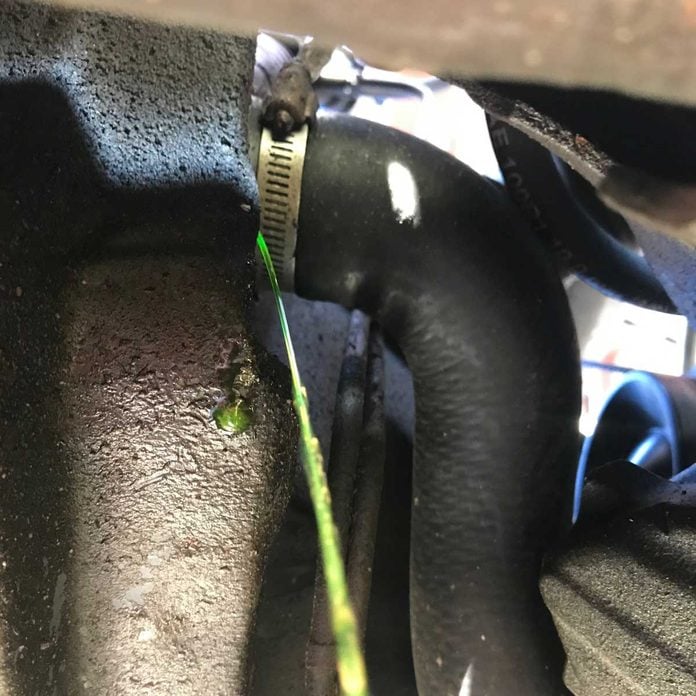
Look closely around the radiator and hose connections for any leaks. Check under the car for puddles or drips. Leaks can cause engine overheating if not fixed.
Use a flashlight to see hard-to-find spots. Tighten any loose clamps or replace damaged hoses if needed.
Monitoring Engine Temperature
Start the engine and let it run for a few minutes. Watch the temperature gauge on the dashboard. It should stay in the normal range.
If the engine gets too hot, stop and check the coolant level again. A stable temperature shows the flush was successful.
Disposing Of Old Coolant Safely
Old coolant is harmful to people, pets, and the environment. Collect it in a sealed container after flushing. Do not pour it down drains or on the ground.
Take the used coolant to a recycling center or an auto shop that accepts it. Safe disposal helps protect nature and wildlife.
Common Mistakes To Avoid
Flushing a radiator with a garden hose can clear out dirt and rust. Doing it wrong can cause damage or injury. Avoid these common mistakes to keep your car safe.
Learn what errors to watch for during the flushing process. This guide highlights key safety tips and steps to follow.
Using Hot Engine Water
Do not flush the radiator when the engine is hot. Hot water or steam can cause burns. Always wait for the engine to cool before starting.
- Turn off the engine and let it cool for at least 30 minutes.
- Open the radiator cap slowly to release pressure.
- Use cold water to flush the radiator safely.
Ignoring Safety Precautions
Flushing a radiator involves chemicals and water under pressure. Ignoring safety rules risks injury and damage. Wear protective gear and work in a safe area.
| Safety Step | Why It Matters |
| Wear gloves and goggles | Protects skin and eyes from chemicals and hot water |
| Work outdoors or in a ventilated area | Prevents inhaling harmful fumes |
| Keep children and pets away | Avoids accidental contact with chemicals or water spray |
Overfilling The Radiator
Filling the radiator too full can cause leaks and pressure problems. Fill only to the recommended level shown in your car manual.
- Check the radiator fill line before adding water.
- Use a mix of water and coolant if needed.
- Leave some space for engine heat expansion.
Credit: www.familyhandyman.com
Frequently Asked Questions
How Do I Flush A Radiator With A Garden Hose?
To flush a radiator, first drain the coolant. Connect a garden hose to the radiator drain valve. Run water through until it runs clear, removing debris and rust. Refill with fresh coolant after flushing to ensure optimal engine cooling.
Can I Use Tap Water For Radiator Flushing?
Yes, tap water can be used, but distilled water is better. Tap water may contain minerals that cause corrosion. Using distilled water helps prevent buildup and protects the radiator. Always flush thoroughly and refill with proper coolant mix afterward.
How Often Should I Flush My Radiator?
Flushing your radiator every 30,000 miles or every 2 years is recommended. Regular flushing removes rust, sediment, and contaminants. This helps maintain efficient cooling and prevents overheating. Check your vehicle’s manual for specific intervals.
What Safety Precautions Are Needed When Flushing Radiator?
Always flush the radiator when the engine is cool. Wear gloves and eye protection to avoid contact with coolant. Dispose of old coolant properly, as it is toxic. Ensure the garden hose is securely connected to avoid leaks.
Conclusion
Flushing your radiator with a garden hose keeps your car running cool. It removes dirt and old coolant that can cause problems. Take your time and follow each step carefully. Doing this helps prevent overheating and extends your radiator’s life.
A clean radiator means better engine performance and fewer repairs. Keep your car in good shape by flushing the radiator regularly. Simple tools and a little effort go a long way. Your engine will thank you.