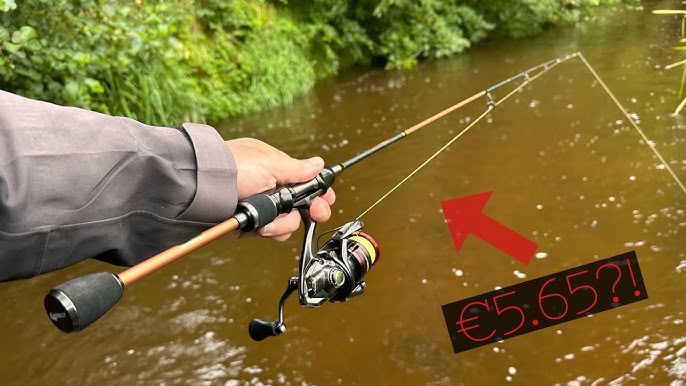
Have you ever wanted to try fly fishing but felt held back by complicated gear and techniques? What if you could enjoy the thrill of fly fishing using a spinning rod you already own?
This guide will show you exactly how to do that. You’ll learn simple, practical steps to cast like a pro and catch more fish without needing expensive fly fishing gear. Ready to make your next fishing trip more exciting and successful?
Keep reading, and discover how easy it is to master fly fishing with a spinning rod.

Credit: fishingbooker.com
Choosing The Right Spinning Rod
Fly fishing with a spinning rod requires the right gear. Choosing the correct rod helps you cast better and catch more fish.
This guide explains important factors to consider when picking your spinning rod for fly fishing.
Rod Length And Power
Rod length affects how far and accurately you can cast. A longer rod helps with longer casts. A shorter rod gives more control in tight spaces.
Power means how strong the rod is. Light power rods work well for small fish. Medium or heavy rods are better for bigger fish or strong currents.
- Short rods (5-6 feet): good for small streams
- Medium rods (7-8 feet): versatile for many situations
- Long rods (9 feet or more): best for open water and long casts
- Light power: small fish and light lines
- Medium power: average size fish and general use
- Heavy power: large fish and strong conditions
Line Weight And Type
Choose a line weight that matches your rod’s power. The right line weight improves casting and reduces line damage.
There are different types of lines. Monofilament lines are smooth and easy to cast. Braided lines are strong and last longer but need care.
- Light line (2-6 lb test): for small fish and clear water
- Medium line (8-12 lb test): good for most fishing
- Heavy line (15+ lb test): for large fish or heavy cover
- Monofilament: flexible and easy to handle
- Braided: strong and thin but less stretch
Reel Selection
The reel holds your fishing line and helps control the fish. Pick a reel that matches your rod and line weight.
Look for reels that are lightweight and easy to use. A smooth drag system helps when fighting fish.
- Match reel size to rod power and line weight
- Choose reels with good drag for better control
- Lightweight reels reduce fatigue during long fishing trips
- Check for corrosion resistance if fishing in saltwater
Essential Gear For Spinning Fly Fishing
Spinning fly fishing mixes two popular fishing styles. It uses spinning rods with fly fishing techniques. You need the right gear to enjoy this hybrid method.
This guide covers the key gear you need. It focuses on fly selection and tying, leaders and tippets, plus waders and accessories.
Fly Selection And Tying
Choosing the right fly is important. Use flies that match local insects and fish diets. Tying your own flies lets you customize patterns and sizes. This helps you catch more fish.
- Dry flies imitate insects on water surface
- Nymphs mimic underwater insect stages
- Streamers look like small fish or bait
- Wet flies represent drowned insects
Leaders And Tippets
Leaders connect your line to the fly. They help present the fly naturally. Tippets are thin extensions at the end of leaders. They add invisibility and flexibility.
| Type | Purpose | Material |
| Leader | Smooth transition from line to fly | Monofilament or fluorocarbon |
| Tippet | Invisible, fine connection to fly | Fluorocarbon or nylon |
| Shock tippet | Absorbs force on big fish | Stronger monofilament |
Waders And Accessories
Waders keep you dry and warm. They let you stand in water safely. Choose waders that fit well and suit water conditions. Accessories help carry gear and improve comfort.
- Vest or pack for gear storage
- Polarized sunglasses to see fish
- Hat for sun protection
- Wading boots with good grip
- Forceps and line clippers
Casting Techniques For Spinning Rods
Learning to fly fish with a spinning rod can be fun and rewarding. Understanding the basics helps you catch more fish and enjoy your time on the water.
This guide will show you how to cast with precision and handle different challenges like wind and obstacles.
Basic Casting Movements
Start with the basic movements to make sure your lure reaches the desired spot. It is important to keep a steady hand.
- Grip the rod firmly but not too tight
- Pull the rod back slowly
- Release the line at the right moment
Improving Accuracy And Distance
Improving accuracy and distance allows you to reach more fish. Practice regularly to enhance your skills.
| Technique | Benefit |
| Use a smooth motion | Better distance |
| Focus on target | Improved accuracy |
| Adjust rod angle | Control over cast |
Handling Wind And Obstacles
Wind and obstacles can be tricky. Learn to adapt your casting technique to face these challenges.
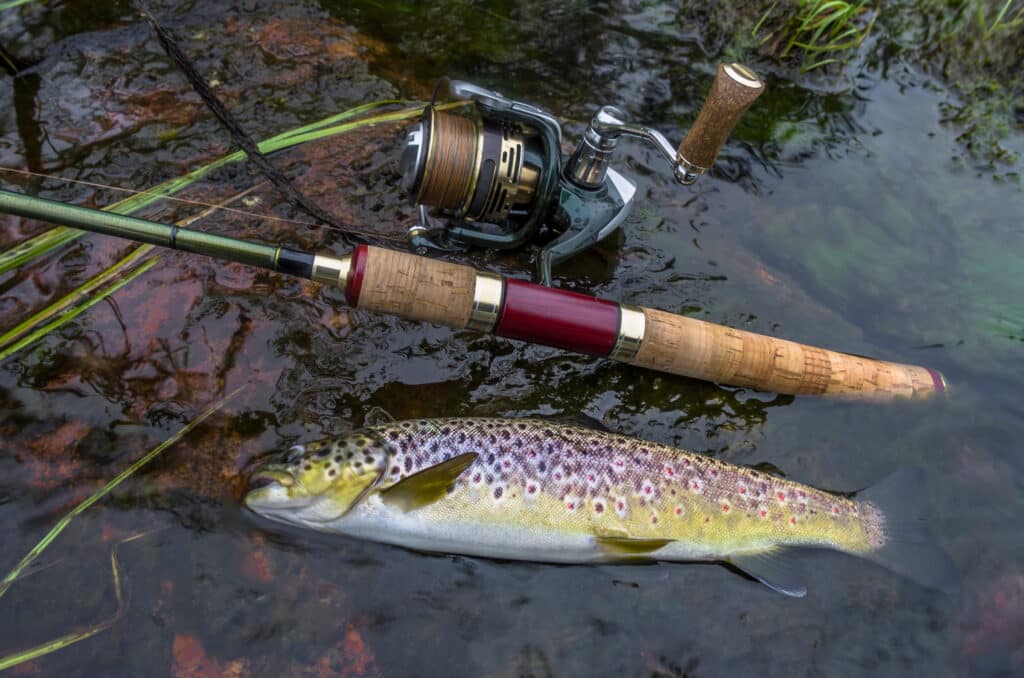
Credit: thewildprovides.com
Reading Water And Fish Behavior
Fly fishing with a spinning rod needs careful observation of the water. Knowing where fish stay and how they act helps you catch more. You must learn to read the water and fish behavior well.
This guide shows how to find fish spots, watch surface action, and change your methods based on what you see. These tips make your fishing time smarter and more fun.
Identifying Fish Holding Spots
Fish like to stay where they have food and safety. Look for places with good cover and steady water flow. Fish often rest behind rocks, near logs, or in deep pools.
- Behind rocks or boulders where water is slower
- Near fallen trees or branches in the water
- At the edges of pools where fast water meets slow water
- Under overhanging banks or vegetation
- Near underwater structures like logs or weed beds
Observing Surface Activity
Watch the water surface for signs of fish. Ripples, splashes, or bubbles show fish feeding or moving. Insects landing on water can attract fish near the surface.
| Surface Sign | What It Means |
| Ripples or small waves | Fish moving or feeding just below |
| Surface bubbles | Fish breathing or feeding |
| Insects on water | Good feeding spot for fish |
| Jumping fish | Active feeding or chasing prey |
Adjusting Tactics Based On Conditions
Change your fishing methods by watching weather and water. Fish act different in cold or warm water. Wind and light also affect fish behavior. Adjust your lure and casting style to match.
- Use smaller lures when fish are slow or water is cold
- Choose bright colors if water is murky or cloudy
- Cast upstream if current is strong and let lure drift naturally
- Fish near shade during hot sunny days
- Try varied retrieval speeds to see what fish prefer
Setting The Hook And Playing Fish
Fly fishing with a spinning rod is fun and rewarding. Knowing how to set the hook and handle the fish is key. This guide explains important tips for success.
Focus on timing your hook set, managing drag and tension, and landing the fish safely. These skills help you enjoy the fight and protect the fish.
Timing Your Hook Set
Watch the fish closely when it takes the fly. Wait a moment to be sure it has the bait in its mouth. Then lift the rod quickly but smoothly to set the hook.
Setting the hook too early or too late can cause the fish to spit out the bait. Practice helps you find the right moment every time.
Managing Drag And Tension
Keep the line tight but not too hard. Too much tension can break the line. Too little lets the fish pull the hook free. Adjust drag on your reel based on the fish size.
- Set drag before casting
- Keep a steady rod tip angle
- Use your rod to absorb sudden pulls
- Let the fish run if drag is tight
- Reel in when the fish tires
Landing Fish Safely
| Action | Reason |
| Wet your hands before handling | Protects fish slime coat |
| Use a net to lift fish gently | Reduces stress and injury |
| Remove hook carefully | Prevents damage to mouth |
| Release fish quickly | Increases survival chances |
| Hold fish in water if reviving | Helps fish regain strength |
Common Mistakes And How To Avoid Them
Fly fishing with a spinning rod can be tricky for beginners. Many anglers make common mistakes that reduce their catch and enjoyment. Knowing these errors helps you fish better.
This guide covers three usual mistakes: overpowering the rod, incorrect line handling, and neglecting equipment maintenance. Avoiding these will improve your fly fishing experience.
Overpowering The Rod
Using too strong a force while casting can damage your spinning rod. It also makes your casts less accurate. Many anglers think harder casting means better results, but it often does not.
To avoid this mistake, keep your wrist firm but relaxed. Use smooth, controlled motions. Let the rod’s flexibility help send the line out gently. This method protects your gear and improves your casting skill.
Incorrect Line Handling
Handling the fishing line poorly can lead to tangles and lost fish. Common errors include letting the line slack or pulling it too tightly. Both reduce your control and hook set success.
- Keep a steady tension on the line without pulling hard.
- Practice smooth line release when casting.
- Watch the line closely to avoid snags in the water or trees.
- Use your free hand to guide the line if needed.
Neglecting Equipment Maintenance
Ignoring rod and reel care causes wear and failure. Salt, dirt, and moisture harm your gear over time. Regular cleaning and checks keep your setup working well.
| Maintenance Task | Frequency | Purpose |
| Rinse rod and reel with fresh water | After each use | Remove salt and dirt |
| Lubricate reel parts | Monthly | Ensure smooth function |
| Check line for damage | Before every trip | Prevent breaks |
| Store rod in a dry place | Always | Avoid moisture damage |
Advanced Tips For Spinning Fly Fishing
Spinning rods can be used for fly fishing with the right techniques. This approach lets anglers use lighter gear and fish in different waters.
These tips help improve your spinning fly fishing skills. Focus on using the right flies, targeting species, and fishing at night.
Using Specialty Flies
Specialty flies can catch more fish in tricky conditions. These flies imitate insects and baitfish that fish prefer.
Match the fly to the water and fish habits. Use lighter flies for clear water and bigger flies in murky water.
- Use weighted flies to reach deeper water
- Try flies with bright colors for stained water
- Select flies that imitate local insects or small fish
- Change fly size based on fish feeding patterns
Techniques For Different Species
Different fish need different approaches. Learn how each species reacts to flies and water conditions.
Adjust your casting and retrieve speed to suit each fish. Some fish like slow movement, others want fast action.
- Trout: Use light flies and gentle retrieves in cold water
- Bass: Choose larger, flashy flies and fast retrieves
- Panfish: Use small flies and short casts near cover
- Salmon: Use strong lines and steady retrieves in fast water
Night And Low-light Fishing
Fishing at night or in low light needs special care. Fish rely more on movement and vibration then.
Use flies that create noise or have reflective parts. Slow your retrieve and watch for fish strikes carefully.
- Choose flies with feathers or rubber legs for vibration
- Use light-colored or glow-in-the-dark flies
- Cast near structures where fish hide at night
- Keep quiet and avoid shadows on water
Credit: www.battlbox.com
Frequently Asked Questions
Can You Fly Fish Effectively With A Spinning Rod?
Yes, you can fly fish with a spinning rod. It’s ideal for beginners and allows casting lightweight lures. However, it requires different techniques compared to a traditional fly rod.
What Type Of Line Works Best For Spinning Rod Fly Fishing?
Use a lightweight monofilament or fluorocarbon line. These lines mimic fly line weight and allow smooth casting and control. Avoid heavy or braided lines for better accuracy.
How Do You Cast A Fly With A Spinning Rod?
Cast using a smooth, gentle flick of the wrist. Keep your line tight and avoid abrupt movements. Practice is key to mastering the casting technique with a spinning rod.
Which Flies Are Suitable For Spinning Rod Fly Fishing?
Choose lightweight flies like dry flies, nymphs, or small streamers. These flies mimic natural insects and match the spinning rod’s lighter action for effective presentations.
Conclusion
Fly fishing with a spinning rod can be fun and rewarding. Practice casting often to improve your skills. Choose the right line and lure for best results. Stay patient and enjoy the peaceful time near water. Remember, small steps lead to better catches.
Keep learning and trying new techniques. Most importantly, enjoy the experience and nature around you. This approach makes fishing both simple and enjoyable. Give it a try on your next fishing trip.