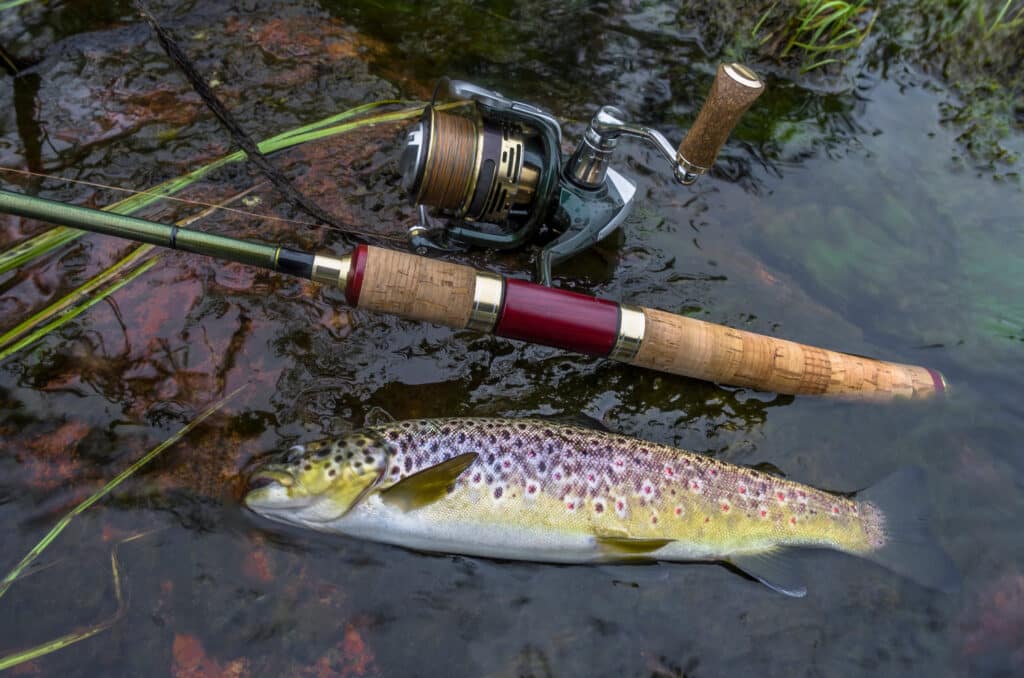
If you’ve ever thought fly fishing was too complicated or needed special gear, think again. You can enjoy the thrill of fly fishing using a spinning rod you probably already have.
Imagine casting delicate flies with ease and catching fish that others only dream about. In this guide, you’ll discover simple steps to master fly fishing with your spinning rod. Whether you’re a beginner or looking to try something new, this approach will change the way you fish.
Ready to learn how to make every cast count? Keep reading and unlock a whole new fishing experience.
Choosing The Right Spinning Rod
Flying fishing with a spinning rod is a fun way to catch fish. Choosing the right rod helps you enjoy the sport and catch more fish.
This guide explains what to look for when picking a spinning rod for fly fishing. You will learn about rod length, power, line weight, and reel selection.
Rod Length And Power
The rod length changes how far you can cast and how much control you have. A longer rod casts farther. A shorter rod is easier to handle in tight spaces.
Rod power means how strong the rod is. Light power rods work well for small fish. Medium power rods suit most fishing situations. Heavy power rods are for big fish or strong currents.
- Choose 7 to 9 feet for general fly fishing
- Use light or medium power for small to medium fish
- Pick heavy power if you expect big fish
Line Weight And Type
Line weight must match your rod for best casting. Check the rod’s recommended line weight. Using the right line helps you cast smoothly and control your fly better.
Fly lines come in different types. Floating lines stay on the surface and are easy to use. Sinking lines go below water for deep fish. Choose line type based on where you fish.
- Match line weight to rod rating (e.g., 5-weight rod with 5-weight line)
- Floating lines for surface fishing
- Sinking lines for fishing deep water
Reel Selection
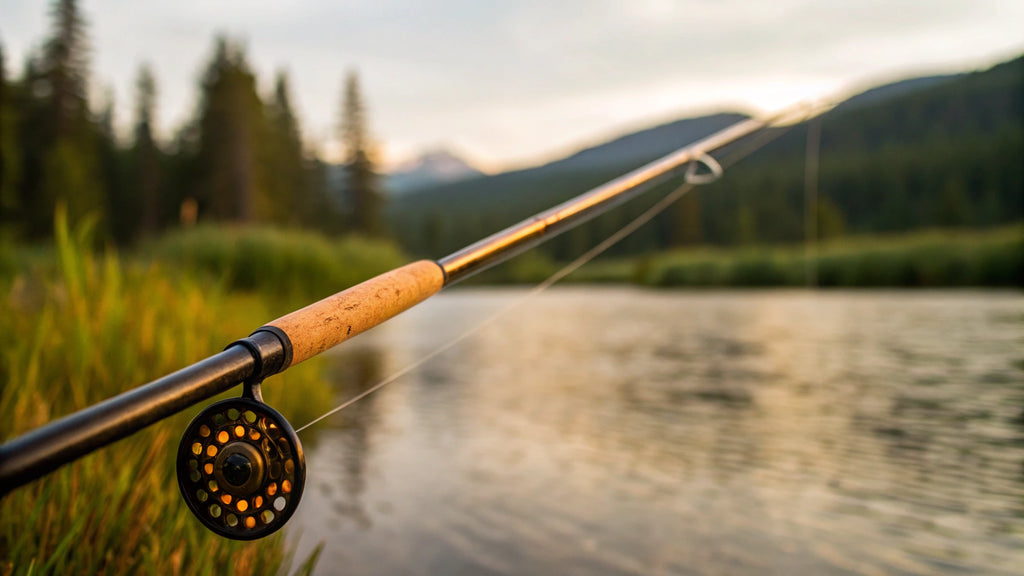
The reel holds your line and helps you fight fish. Choose a reel that fits your rod and line weight. A good reel is balanced and easy to use.
Look for reels with smooth drag systems. This helps control the fish without breaking the line. Also, pick reels made from durable materials to last longer.
- Match reel size to rod and line weight
- Smooth drag system for better control
- Durable materials for long use
Credit: www.battlbox.com
Essential Fly Fishing Gear
Fly fishing with a spinning rod needs the right gear for success. Using the correct equipment helps you cast better and catch more fish.
This guide covers the main gear you need. Learn about fly lines and leaders, flies for spinning rods, and other useful accessories.
Fly Lines And Leaders
Fly lines and leaders connect your rod to the fly. They help you cast and control the fly in the water. Choose lines that match your spinning rod’s weight.
| Type | Purpose | Notes |
| Weight Forward Fly Line | Easy casting over long distances | Best for beginners |
| Double Taper Fly Line | Better for delicate presentations | Good for close range |
| Monofilament Leader | Connects fly line to fly | Clear and strong |
| Fluorocarbon Leader | Less visible underwater | Better for clear water |
Flies For Spinning Rods
Spinning rods can use many types of flies. Choose flies that look like local insects or small fish. These attract fish and improve your catch rate.
- Woolly Bugger: Imitates small fish and leeches
- Dry Flies: Float on water surface to mimic insects
- Nymphs: Sink to imitate underwater larvae
- Streamers: Move like small baitfish
Additional Accessories
Extra gear makes fly fishing easier and more fun. Some accessories help with safety and convenience on the water.
- Forceps: Remove hooks safely from fish
- Fly Box: Store and organize your flies
- Waders: Keep you dry when fishing in streams
- Polarized Sunglasses: Reduce glare and see fish better
- Landing Net: Help to catch and release fish carefully
Casting Techniques For Spinning Rods
Fly fishing with a spinning rod is a fun way to catch fish. Casting well helps you place your lure where the fish are. This guide covers key casting techniques for spinning rods.
Good casting needs practice and control. Learn basic motions, how to improve accuracy, and how to handle wind or obstacles.
Basic Casting Motions
Start with a smooth motion to cast your line far and straight. Hold the rod firmly but relaxed. Use your wrist and arm to swing the rod back and then forward.
- Hold the rod at a 45-degree angle behind you.
- Lift the rod tip smoothly to bring the line back.
- Pause briefly to let the line straighten.
- Swing the rod forward quickly and stop sharply.
- Follow the line with the rod tip as it extends.
Improving Accuracy
To cast accurately, aim at a specific spot on the water. Keep your wrist firm and control the rod tip during the cast. Practice helps you judge distance and direction better.
| Tip | How to Practice |
| Focus on a small target | Pick a spot on shore or water and aim there |
| Control wrist movement | Keep wrist steady during forward cast |
| Use smooth stops | Stop rod sharply to let line fly straight |
| Practice short casts | Start close, then increase distance |
Handling Wind And Obstacles
Wind can push your line off course. Cast low and use less force in strong wind. Obstacles like trees need careful aiming or shorter casts.
Tips for Wind and Obstacles:
- Cast sidearm to keep line low in wind.
- Use a heavier lure to fight wind resistance.
- Choose shorter casts near trees or bushes.
- Practice quick stops to avoid snagging.
Setting Up Your Spinning Rod For Fly Fishing
Fly fishing with a spinning rod is different from using a fly rod. You need to set up your spinning rod properly to cast and catch fish well.
This guide helps you get your spinning rod ready for fly fishing. You will learn how to attach the fly line, tie flies, and adjust drag and tension.
Attaching The Fly Line
Start by removing any existing line from your spinning reel. Use a backing line to connect your fly line to the reel spool. This helps prevent line breakage.
Use a strong knot like the Albright knot to join the backing line and fly line. Make sure the line flows smoothly through the rod guides to avoid tangles.
- Remove old line from the reel
- Attach backing line to the reel spool
- Connect backing line to fly line with Albright knot
- Check line runs smoothly through guides
Tying Flies Securely
Choose flies that match the fish in your area. Tie the fly to the end of your fly line with a strong knot like the improved clinch knot.
Pull the knot tight and trim excess line. A secure knot keeps the fly from slipping off during casting or when a fish bites.
- Pick flies that suit local fish
- Use improved clinch knot to tie flies
- Tighten knot firmly
- Cut off extra line close to the knot
Adjusting Drag And Tension
Set the drag on your spinning reel to control how much line the fish can pull out. Too much drag and the line breaks. Too little and you lose control.
Test the drag by pulling the line with your hand. Adjust the tension knob until you get smooth resistance. This helps tire the fish without snapping the line.
- Turn drag knob clockwise to increase drag
- Turn drag knob counterclockwise to decrease drag
- Test drag by pulling line manually
- Find smooth, steady resistance
Reading Water And Locating Fish
Fly fishing with a spinning rod needs skill in reading water. Knowing where fish stay helps catch more fish.
Water shows clues about fish spots. Learn to spot these clues to improve your fishing trips.
Identifying Fish Habitats
Fish look for places with food and shelter. Look near rocks, logs, and deep pools. These spots protect fish from strong currents.
- Deep pools hold cold, calm water.
- Underwater structures like rocks give hiding places.
- Slow water near fast currents offers easy hunting spots.
- Areas with plant growth provide food and cover.
Spotting Feeding Zones
Fish feed where food is easy to find. Look for insects, small fish, or drifting leaves on the water.
| Signs | Description |
| Ripples and splashes | Fish chasing insects or baitfish |
| Rising fish | Fish breaking surface for food |
| Shallow edges | Good spots for feeding on insects |
| Current seams | Food gathers where slow meets fast water |
Timing Your Fishing Trips
Fish feed more at certain times. Early morning and late evening often work best. Overcast days can also be good.
Consider these tips for timing:
- Fish feed after sunrise and before sunset.
- Cloudy days can increase fish activity.
- Fish often rest during midday heat.
- After rain, feeding increases as insects wash into water.

Credit: www.youtube.com
Techniques To Improve Hooking And Landing
Fly fishing with a spinning rod can be fun and effective. Using the right techniques helps you catch more fish. Focus on hooking and landing to improve your success.
Knowing when to set the hook and how to handle the fish makes a big difference. Also, using nets correctly protects the fish and helps you land it safely.
Hook Set Timing
Set the hook quickly when you feel a bite. A fast hook set stops the fish from spitting out the lure. Wait until you feel a strong pull before setting the hook.
Use a sharp, firm motion to set the hook. Avoid jerking too hard to prevent breaking your line. Practice timing to improve your hook sets.
Playing The Fish
Let the fish tire itself out before reeling it in. Use your rod to control the fish’s movements. Keep steady pressure but avoid pulling too hard.
Move the rod tip up and down to guide the fish. Use your reel to take in slack line slowly. This helps prevent the fish from escaping or breaking the line.
- Keep the line tight but not too tight
- Don’t rush the landing process
- Watch the fish’s energy and adjust pressure
Using Nets And Handling Fish
Use a net to land fish safely. A rubber or knotless net protects the fish’s skin and scales. Scoop the fish gently and keep it in the water if possible.
Handle fish with wet hands to avoid removing their protective slime. Hold fish firmly but gently, supporting its body. Release fish quickly to reduce stress and increase survival.
- Always wet your hands before touching fish
- Support the fish horizontally
- Use the net to avoid injuries
- Release fish back into water soon after landing
Common Mistakes To Avoid
Flying fish with a spinning rod can be fun but tricky. Many beginners make errors that slow their progress.
Knowing what to avoid helps you catch more fish and enjoy your time on the water.
Overcasting And Line Management
One big mistake is overcasting. Casting too far can tangle your line or scare fish away. Managing your line well avoids these problems.
- Keep your casts smooth and controlled.
- Watch your line to avoid slack or tangles.
- Practice short casts before longer ones.
- Use your rod to control the line direction.
Ignoring Weather Conditions
Weather changes affect fish behavior. Ignoring weather can waste your time. Rain, wind, and temperature all matter.
| Weather Condition | Effect on Fishing |
| Windy | Harder to cast, fish may hide |
| Rainy | Fish move deeper or hide |
| Sunny | Fish stay near shade or cover |
| Cold | Fish are less active |
Using Incorrect Flies
Choosing wrong flies wastes time and fish. Flies should match local insects and water conditions.
Use this checklist to pick the right flies:
- Observe the insects near the water.
- Ask local anglers about common flies.
- Match fly size and color to real insects.
- Change flies if fish ignore your lure.
Maintenance And Care For Your Gear
Taking care of your spinning rod and fly fishing gear keeps them working well. Proper maintenance helps you enjoy fishing longer.
Simple cleaning and checks prevent damage and save money on repairs. Learn how to care for your gear after each trip.
Cleaning And Storage
Clean your rod and reel after every use to remove dirt and salt. Use fresh water and a soft cloth to wipe them down.
Store your gear in a dry place away from sunlight. Use a rod tube or case to protect it from damage.
- Rinse with fresh water after fishing
- Dry parts completely before storing
- Keep gear in a cool, dry area
- Use protective cases for rods and reels
Inspecting For Wear
Look over your rod and reel before each trip. Check guides, reel seat, and handle for cracks or damage.
Inspect the line for frays or weak spots. Catching problems early can stop bigger issues later.
- Check rod guides for cracks
- Examine reel seat and handle
- Look for line nicks and frays
- Test reel drag and smoothness
Replacing Lines And Flies
Replace your fishing line regularly to avoid breaks. Old line loses strength and can snap during a catch.
Change flies often to keep them effective. Damaged or dirty flies do not attract fish well.
- Replace line if it shows wear or stiffness
- Use fresh leader and tippet sections
- Swap out flies if damaged or dirty
- Match flies to local fish and conditions

Credit: calflyfisher.com
Frequently Asked Questions
Can You Fly Fish With A Spinning Rod?
Yes, you can fly fish with a spinning rod. Use a clear casting bubble to cast lightweight flies. It allows you to enjoy fly fishing without a fly rod. Choose appropriate flies for your target fish. This method is ideal for beginners and those without fly fishing gear.
What Setup Do I Need For Spinning Fly Fishing?
You’ll need a spinning rod, reel, and clear casting bubble. Attach the bubble to your main line and use a leader. Select flies that match local insect patterns. Ensure your spinning rod is lightweight and sensitive. This setup allows casting flies effectively with a spinning rod.
How Do You Cast A Fly With A Spinning Rod?
Use a clear casting bubble filled with water for weight. Attach it to your main line. Allow for a leader between the bubble and fly. Cast as you would with any spinning setup. This method lets you effectively present flies to fish.
What Are The Best Flies For Spinning Rods?
Choose flies that mimic local insect patterns and match target fish diet. Popular options include woolly buggers, nymphs, and dry flies. Select sizes that your spinning setup can cast easily. Experiment with different patterns to see what works best. Adapt your choices based on water conditions and fish behavior.
Conclusion
Fly fishing with a spinning rod is fun and simple to try. Practice casting in open water to improve your skill. Choose the right bait and watch your line closely. Patience and practice bring better catches every time. Enjoy nature and the calm of the water.
Keep learning and trying new spots to fish. This method opens more chances for a great fishing day. Grab your rod and start your next fishing adventure soon.