
Have you ever caught a fish and wondered how to keep it fresh for future meals? Or maybe you’ve bought some delicious fish and want to preserve its taste and nutrition for later?
Freezing fish the right way can be a game-changer for your kitchen. Imagine opening your freezer and finding fish that tastes just as good as the day you got it. This guide is here to help you achieve that. By mastering the art of freezing fish, you’ll not only save money but also enjoy fresh-tasting seafood all year round.
Stick around to discover the simple steps that will transform how you store your fish, ensuring every meal is a delightful experience.
Choosing The Right Fish
Choosing the right fish is crucial before freezing to maintain its flavor and texture. Not all fish freeze well, and picking the freshest ones ensures you get the best results. Let’s look at how to spot fresh fish and which types work best for freezing.
Selecting Fresh Fish
Start by checking the fish’s smell. Fresh fish should have a mild, ocean-like scent—not a strong, fishy odor.
Look at the eyes; they should be clear and bulging, not sunken or cloudy.
Touch the flesh to see if it’s firm. It should bounce back quickly when pressed, not leave a dent.
Also, check the gills—they should be bright red or pink, not brown or gray.
Types Suitable For Freezing
Fatty fish like salmon and mackerel freeze well because their oils stay stable and add flavor after thawing.
Lean fish such as cod, haddock, and tilapia also freeze nicely, but they may dry out if not wrapped properly.
Avoid freezing shellfish like shrimp or crab for long periods, as their texture can become rubbery.
- Salmon:Rich in omega-3, great for freezing.
- Cod:Mild flavor, freezes without losing texture.
- Mackerel:High oil content keeps it moist.
- Tilapia:Affordable and freezer-friendly.
Have you noticed how some fish feel mushy after freezing? That’s often because they weren’t fresh or weren’t wrapped properly. Choosing the right fish can save you that disappointment.
Credit: blog.outdoorprolink.com
Preparing Fish For Freezing
Preparing your fish properly before freezing is crucial to maintain its freshness and flavor. Skipping or rushing through these steps can lead to freezer burn or a loss of texture. Taking a little extra time now ensures that your fish tastes just as good when you thaw it later.
Cleaning And Gutting
Start by rinsing the fish under cold water to remove any surface slime or debris. Then, use a sharp knife to make a clean cut along the belly and carefully remove the guts. Be thorough but gentle—leftover entrails can spoil the fish quickly.
Don’t forget to scrape out the bloodline along the backbone; it often holds a strong fishy taste. If you’re dealing with larger fish, consider removing the head to save space and reduce odors in your freezer.
Portioning And Filleting
Decide whether you want to freeze whole fish, fillets, or steaks. Filleting allows you to portion the fish into manageable sizes that fit your cooking plans. Use a sharp, flexible fillet knife to separate the flesh from the bones cleanly.
Portioning before freezing means you only thaw what you need, preventing waste. Think about your usual recipes—do you need small fillets for quick dinners or larger pieces for grilling?
Drying And Wrapping
Pat the fish dry with paper towels to remove excess moisture. Moisture can cause ice crystals to form, damaging the texture. Then, wrap each portion tightly in plastic wrap or freezer paper to protect it from air exposure.
After wrapping, place the fish in a resealable freezer bag and squeeze out as much air as possible. Label each package with the date; this simple step helps you keep track of freshness and avoid freezer confusion.
Freezing Techniques
Freezing fish properly preserves its freshness and flavor, but the technique you use can make a big difference. Choosing the right freezing method helps avoid freezer burn and keeps your fish tasting as close to fresh as possible. Let’s look at some practical ways to freeze fish effectively.
Using Vacuum Sealers
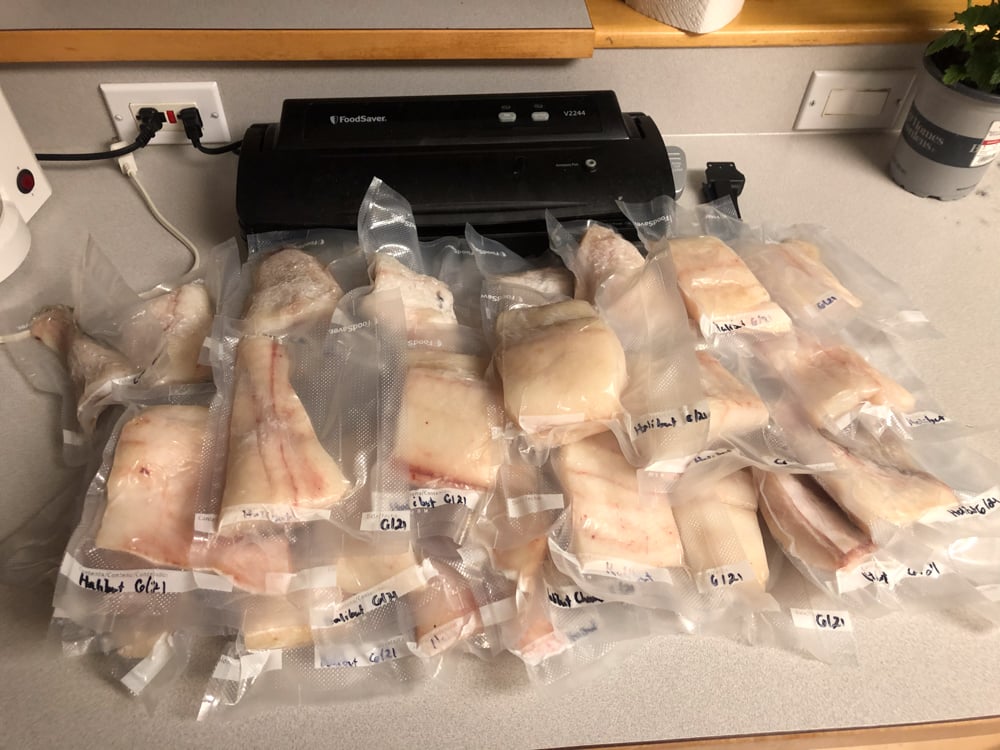
Vacuum sealing removes air around the fish, which slows down freezer burn and oxidation. If you have a vacuum sealer, it’s one of the best tools to keep fish fresh for months. Simply place the fish fillets inside the vacuum bag, remove the air, and seal tightly.
When you vacuum seal, the fish freezes in a compact shape, saving space in your freezer too. I once kept salmon sealed this way for over six months with no noticeable loss in texture or taste. Have you tried vacuum sealing your leftovers yet?
Alternative Wrapping Methods
If you don’t have a vacuum sealer, don’t worry. You can still protect your fish by wrapping it tightly in plastic wrap or aluminum foil. Start by patting the fish dry to remove excess moisture, then wrap it snugly to minimize air exposure.
After wrapping, place the fish inside a resealable freezer bag and squeeze out as much air as possible before sealing. This double layer adds extra protection. It’s a simple trick I use when I’m in a hurry and don’t have vacuum bags handy.
Flash Freezing Tips
Flash freezing is a smart way to freeze fish quickly and prevent large ice crystals from forming. Spread the fish fillets out on a baking sheet lined with parchment paper and freeze them uncovered for a couple of hours.
Once the fish is firm, transfer the pieces into a vacuum bag or freezer bag for long-term storage. This method keeps each fillet separate so you can grab just what you need later. Have you noticed how much easier it is to handle fish that was flash frozen compared to when pieces stick together?
Storing Frozen Fish
Storing frozen fish properly keeps it fresh and tasty for longer. It helps maintain the fish’s texture and flavor. Good storage also prevents waste and saves money. Follow simple steps to ensure your frozen fish stays in top condition.
Optimal Freezer Temperature
Set your freezer to 0°F (-18°C) or lower. This temperature stops bacteria growth and slows down enzyme activity. It keeps fish fresh and safe for months. Avoid frequent temperature changes to prevent spoilage.
Labeling And Dating
Always label your fish packages clearly. Write the type of fish and the date of freezing. Use waterproof markers or printed labels. This helps track freshness and ensures you use the oldest fish first.
Avoiding Freezer Burn
Freezer burn happens when fish loses moisture and dries out. It spoils taste and texture. To avoid this:
- Wrap fish tightly with plastic wrap or aluminum foil.
- Use vacuum-sealed bags for best protection.
- Remove as much air as possible before sealing.
- Store fish in the coldest part of the freezer.
Thawing Frozen Fish
Thawing frozen fish properly is just as important as freezing it correctly. If you rush or use unsafe methods, your fish could lose its flavor and texture, or worse, become unsafe to eat. Taking a little extra care during thawing can make a big difference in your meal.
Safe Thawing Methods
One of the safest ways to thaw fish is by placing it in the refrigerator overnight. This slow thaw keeps the fish at a safe temperature, reducing the risk of bacterial growth.
If you’re short on time, sealing the fish in a plastic bag and submerging it in cold water works well. Change the water every 30 minutes to keep it cold and ensure even thawing.
Avoid thawing fish at room temperature or using warm water. These methods increase the chance of harmful bacteria multiplying on the surface.
Maintaining Texture And Flavor
To keep your fish tender and flavorful, avoid thawing it in the microwave. The uneven heat can cook some parts while leaving others frozen, ruining the texture.
Once thawed, cook the fish promptly to preserve its taste. Patting the fish dry with paper towels before cooking removes excess moisture, helping you achieve a better sear and richer flavor.
Have you noticed how some thawed fish feels mushy or watery? That usually means it was thawed too quickly or improperly. Taking your time during thawing helps maintain the firm, fresh quality that makes fish so enjoyable.
Common Mistakes To Avoid
Freezing fish is a great way to keep it fresh for longer. Avoiding common mistakes helps keep the fish tasty and safe. These errors can cause freezer burn, bad texture, or loss of flavor. Knowing what to avoid saves time and money.
Improper Packaging
Poor packaging lets air reach the fish. Air causes freezer burn and dry spots. Use airtight containers or vacuum-sealed bags. Wrap fish tightly in plastic wrap before sealing. Remove all air to protect fish quality. Label packages with the date for easy tracking.
Freezing Fish Too Long
Fish does not last forever in the freezer. Freezing fish for too long lowers its taste and texture. Fresh fish usually keeps well for three to six months. Frozen fish past this time can become dry or mushy. Use fish within the recommended storage time for best results.
Enhancing Flavor After Freezing
Freezing fish is a fantastic way to keep it fresh longer, but sometimes freezing can mute its natural flavors. Enhancing the taste after freezing is key to enjoying your fish just as much as the day you bought it. With a few simple steps, you can bring out rich, fresh flavors that make your dishes shine.
Marinating Tips
Marinating fish after thawing helps restore moisture and adds exciting flavors. Use acidic ingredients like lemon juice or vinegar to tenderize the flesh and brighten taste. Don’t soak the fish too long—15 to 30 minutes is enough to avoid overpowering its natural flavor.
Try adding herbs such as dill, parsley, or cilantro for a fresh, aromatic touch. A splash of soy sauce or a drizzle of olive oil can also enhance the texture and taste. Have you ever noticed how a simple marinade can completely change the way your fish tastes?
Cooking Recommendations
Cooking frozen fish right after thawing requires gentle heat to avoid drying it out. Pan-searing with a bit of butter or oil on medium heat helps lock in moisture and flavor. Avoid high heat, which can make fish tough and rubbery.
Baking fish in parchment paper or foil with lemon slices and herbs steams it gently, preserving delicate flavors. If grilling, brush with oil and cook quickly on a hot grill for a smoky finish. What cooking method brings out the best in your frozen fish dishes?

Credit: www.yahoo.com
Credit: cfishct.com
Frequently Asked Questions
How Do You Prepare Fish For Freezing?
To prepare fish for freezing, clean and gut it thoroughly. Rinse with cold water, pat dry, and remove excess moisture. Cut into portions if needed. Wrap tightly in plastic wrap or vacuum-seal to prevent freezer burn. Label with date before freezing for freshness tracking.
How Long Can Fish Stay Frozen Safely?
Frozen fish can stay safe for up to 6 months. For best quality, consume within 3 months. Store at 0°F (-18°C) or below. Proper wrapping helps maintain freshness and avoid freezer burn. Always check for any off smell or texture before cooking.
Can You Freeze Fish Without Cooking It First?
Yes, you can freeze raw fish without cooking it. Ensure it’s fresh, cleaned, and properly wrapped. Vacuum sealing or airtight packaging preserves quality. Freeze quickly to maintain texture and flavor. Thaw slowly in the refrigerator for best results before cooking.
What Is The Best Way To Thaw Frozen Fish?
The best way to thaw fish is in the refrigerator. Place it in a sealed bag to avoid contamination. Allow 12-24 hours depending on size. Avoid thawing at room temperature to prevent bacterial growth and maintain fish quality.
Conclusion
Freezing fish is simple and keeps it fresh longer. Clean the fish well and dry it before freezing. Wrap it tightly to avoid freezer burn. Label the package with the date for easy tracking. Store fish at a consistent, cold temperature.
Thaw fish slowly in the fridge for best taste. This method helps you enjoy fish anytime you want. Try these steps to save money and reduce waste. Enjoy fresh fish meals even weeks after buying. Simple steps, great results.