
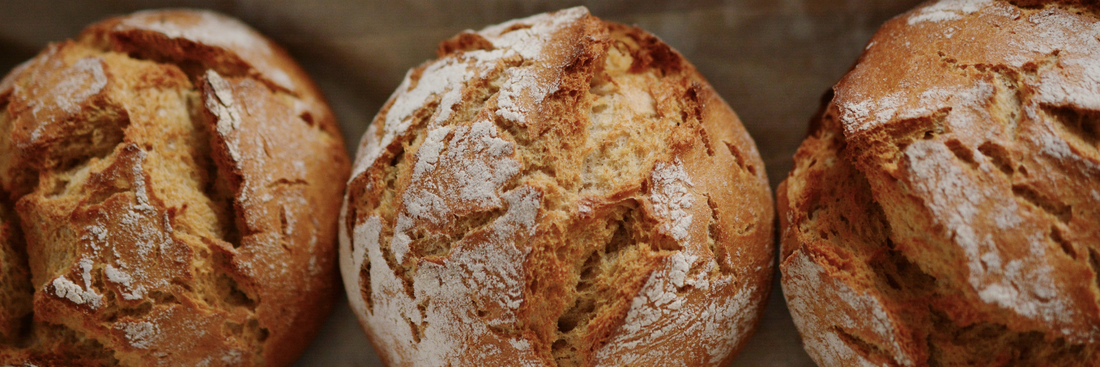
Imagine this: you’ve just baked or bought the perfect loaf of sourdough bread. Its crust is beautifully golden, and its aroma is irresistible.
But what happens when you can’t finish it all at once? You don’t want it to go stale or lose that fresh-baked taste. This is where knowing how to freeze a loaf of sourdough bread comes in handy. By freezing your bread properly, you can preserve its delicious flavor and texture for future enjoyment.
In this guide, you’ll discover simple, effective steps to freeze your sourdough so it remains as delightful as the day it came out of the oven. Don’t let your sourdough go to waste; instead, learn how to savor every slice whenever you crave it. Keep reading to ensure that your beloved loaf stays fresh and tasty, ready to satisfy your sourdough cravings at any moment.
Choosing The Right Sourdough Loaf
Choosing the right sourdough loaf sets the stage for successful freezing. The loaf’s condition affects how well it freezes and tastes after thawing.
Select a loaf that suits freezing to keep its flavor and texture intact. Not every sourdough loaf freezes equally well. Consider freshness and the loaf’s crust and texture to make the best choice.
Freshness Matters
Pick a loaf baked within the last two days. Fresh sourdough holds moisture better during freezing. Older bread may become dry or crumbly after thawing.
A loaf at its freshest freezes best and tastes closest to fresh after thawing. Avoid bread with signs of staleness or mold. Freshness ensures quality and flavor preservation.
Ideal Crust And Texture
Choose a loaf with a firm, thick crust. A sturdy crust protects the bread inside during freezing. Thin or soft crusts may become soggy or lose crunch.
The crumb should feel soft but not overly moist. Dense or gummy bread can become heavy when frozen. A balanced texture helps the loaf thaw evenly and taste fresh.

Credit: www.reddit.com
Preparing The Bread For Freezing
Freezing sourdough bread properly keeps it fresh and tasty for weeks. Preparing the bread before freezing is key to preserving its flavor and texture. Taking a little time now helps avoid freezer burn and soggy slices later.
Slicing Vs. Whole Loaf
Decide if you want to freeze the bread whole or sliced. Whole loaves stay moist longer but take more time to thaw. Sliced bread is quick to defrost and ready to eat right away.
- Freeze whole for longer freshness.
- Freeze slices for convenience.
- Use airtight wrapping to protect from freezer burn.
Cooling Completely
Make sure the bread cools completely before freezing. Warm bread creates moisture inside the packaging. Moisture causes ice crystals and soggy texture when thawed.
- Leave bread on a wire rack to cool.
- Wait at least 1-2 hours until fully cool.
- Check the bread’s center to be sure no heat remains.
Best Wrapping Techniques
Freezing your sourdough loaf is a smart way to keep it fresh longer, but how you wrap it makes all the difference. The right wrapping technique protects the bread from freezer burn and preserves its texture and flavor. Let’s look at some of the best ways to wrap your sourdough before freezing.
Using Plastic Wrap And Foil
Wrapping your sourdough tightly in plastic wrap creates a strong barrier against air. This is crucial because exposure to air can dry out your bread and cause freezer burn.
After the plastic wrap, add a layer of aluminum foil. The foil provides extra protection and helps maintain the bread’s moisture.
Make sure to press the wrap snugly around the loaf, especially the ends. This double-layer method keeps your bread fresh and ready to thaw without losing its crust’s crunch.
Reusable Bags And Containers
If you prefer eco-friendly options, reusable silicone bags or airtight containers work great for freezing sourdough. These options reduce plastic waste and still protect your bread from freezer damage.
Choose a container that fits your loaf well to avoid excess air inside. If using reusable bags, squeeze out as much air as possible before sealing.
One tip from my kitchen: labeling the container with the freezing date helps you keep track of freshness. You’ll never wonder how long that loaf has been in the freezer again!
Freezing Process Tips
Freezing sourdough bread properly helps keep its fresh-baked taste and texture intact for weeks. Knowing the right techniques can make a huge difference in how your bread tastes after thawing. Let’s dive into key tips that will guide you through the freezing process and ensure your loaf stays delicious.
Optimal Freezer Temperature
Set your freezer to a steady temperature of 0°F (-18°C) or lower. This temperature preserves the bread’s freshness and stops ice crystals from forming too quickly, which can damage the crumb.
If your freezer fluctuates above this, your bread may develop freezer burn or lose moisture faster. Have you checked your freezer’s temperature lately? A quick adjustment can improve your bread’s shelf life significantly.
Avoiding Freezer Burn
Freezer burn happens when moisture leaves the bread, leaving it dry and tough. To prevent this, wrap your sourdough tightly in plastic wrap first, then cover it with aluminum foil or place it in a heavy-duty freezer bag.
Remove as much air as possible from the packaging. Using a vacuum sealer works wonders here, but squeezing out air manually also helps. Ever noticed a dry crust after thawing? This simple step can fix that problem.
Thawing Your Sourdough Bread
Thawing your sourdough bread correctly preserves its texture and flavor. Proper thawing helps maintain the crust’s crispness and the crumb’s softness. Avoid rushing the process to keep the bread fresh and tasty.
Room Temperature Method
Take the frozen sourdough out of the freezer. Keep it wrapped in its paper or plastic to stop moisture loss. Leave it on the kitchen counter for several hours or overnight. This slow thaw keeps the crumb soft and stops it from drying out. Avoid microwaving the bread, as it can make it chewy or tough.
Oven Reheating Tricks
Preheat your oven to 350°F (175°C). Remove the bread from any plastic wrap but keep it in parchment paper if possible. Place the loaf directly on the oven rack. Heat for 10 to 15 minutes until warm and crusty. For a softer crust, wrap the bread in foil before heating. This reheats the bread evenly and revives its crunch.

Credit: www.reddit.com
Maintaining Freshness After Thawing
Maintaining freshness after thawing sourdough bread is key to enjoying its full flavor. Proper care keeps the bread soft and tasty. It stops the loaf from drying out or becoming tough. Follow simple steps to keep your bread fresh and delicious.
Storage Tips
- Wrap the thawed bread in a clean kitchen towel.
- Place it in a paper bag to allow airflow.
- Avoid plastic bags, which trap moisture and cause sogginess.
- Store at room temperature in a cool, dry place.
- Use bread within 2-3 days for best taste.
Reviving Stale Bread
Stale sourdough can be brought back to life with heat. Preheat your oven to 350°F (175°C). Lightly mist the bread with water or wrap it in foil. Warm it for 10-15 minutes. This refreshes the crust and softens the inside.
For a quick fix, toast slices until crisp. The heat will restore flavor and texture. Avoid microwaving, as it makes bread chewy and hard.
Common Mistakes To Avoid
Freezing sourdough bread extends its life, but mistakes can ruin its taste and texture. Avoiding common errors keeps your bread fresh and enjoyable. These simple tips save you from wasting good bread.
Freezing Warm Bread
Placing warm bread in the freezer traps moisture inside. This moisture turns into ice crystals and makes the bread soggy. Always wait until the loaf cools completely before freezing. Cool bread freezes better and stays fresh longer.
Skipping Proper Wrapping
Leaving bread unwrapped or loosely wrapped causes freezer burn. Freezer burn dries out the bread and affects flavor. Wrap the loaf tightly in plastic wrap or foil. Then place it in a sealed freezer bag for extra protection.
Credit: www.kimecopak.ca
Frequently Asked Questions
How Do You Freeze A Sourdough Loaf Properly?
To freeze sourdough, slice the loaf first. Wrap slices tightly in plastic wrap or foil. Place wrapped slices in a freezer-safe bag to prevent freezer burn. Label with the date. Freeze immediately for best freshness and texture preservation.
Can You Freeze Sourdough Bread Without Slicing?
Yes, but slicing before freezing helps maintain freshness. Whole loaves freeze well if wrapped tightly in plastic and foil. Unsliced bread may thaw unevenly and become soggy or stale faster than sliced bread.
How Long Can Sourdough Bread Stay Frozen?
Sourdough bread can be frozen for up to three months. Beyond this, texture and flavor may decline. Proper wrapping and sealing improve shelf life and prevent freezer burn during storage.
How To Thaw Frozen Sourdough Bread Properly?
Thaw bread at room temperature in its wrapping for 1-2 hours. For quicker thawing, use a microwave or oven on low heat. Avoid direct heat to maintain moisture and texture.
Conclusion
Freezing sourdough bread keeps it fresh and tasty for weeks. Wrap the loaf tightly to stop freezer burn. Slice before freezing for easy use later. Thaw slowly at room temperature for best texture. This method saves time and reduces waste.
Enjoy your sourdough anytime without rushing to finish it. Simple steps make a big difference in bread quality. Try freezing and see how well your bread lasts.