
Do you love the salty, savory taste of boiled peanuts but aren’t sure how to keep them fresh for later? Freezing boiled peanuts is a simple solution that lets you enjoy this delightful snack anytime you crave it.
Imagine having a stash of perfectly preserved boiled peanuts ready to satisfy your taste buds at a moment’s notice. In this guide, you’ll learn the step-by-step process to freeze boiled peanuts without losing their unique flavor and texture. Whether you’re a seasoned peanut lover or a curious newcomer, this method will ensure you never run out of your favorite snack.
Keep reading to discover how easy it is to freeze boiled peanuts and keep them tasting fresh and delicious!
Choosing The Right Peanuts
Choosing the right peanuts is key to freezing boiled peanuts successfully. The quality and type affect taste and texture after freezing. Freshness plays a big role too. Picking the right peanuts ensures a better snack later.
Raw Vs. Boiled Peanuts
Raw peanuts are uncooked and have a firm shell. Boiled peanuts are softer and cooked in salty water. For freezing, start with raw peanuts. Boil them fresh, then freeze for best flavor and texture. Freezing boiled peanuts keeps them soft and tasty.
Selecting Fresh Peanuts
Fresh peanuts have a sweet, earthy smell. Avoid peanuts with mold, dark spots, or shriveled shells. Choose peanuts with firm shells and no cracks. Fresh peanuts soak up flavors better during boiling. This makes frozen boiled peanuts more delicious.
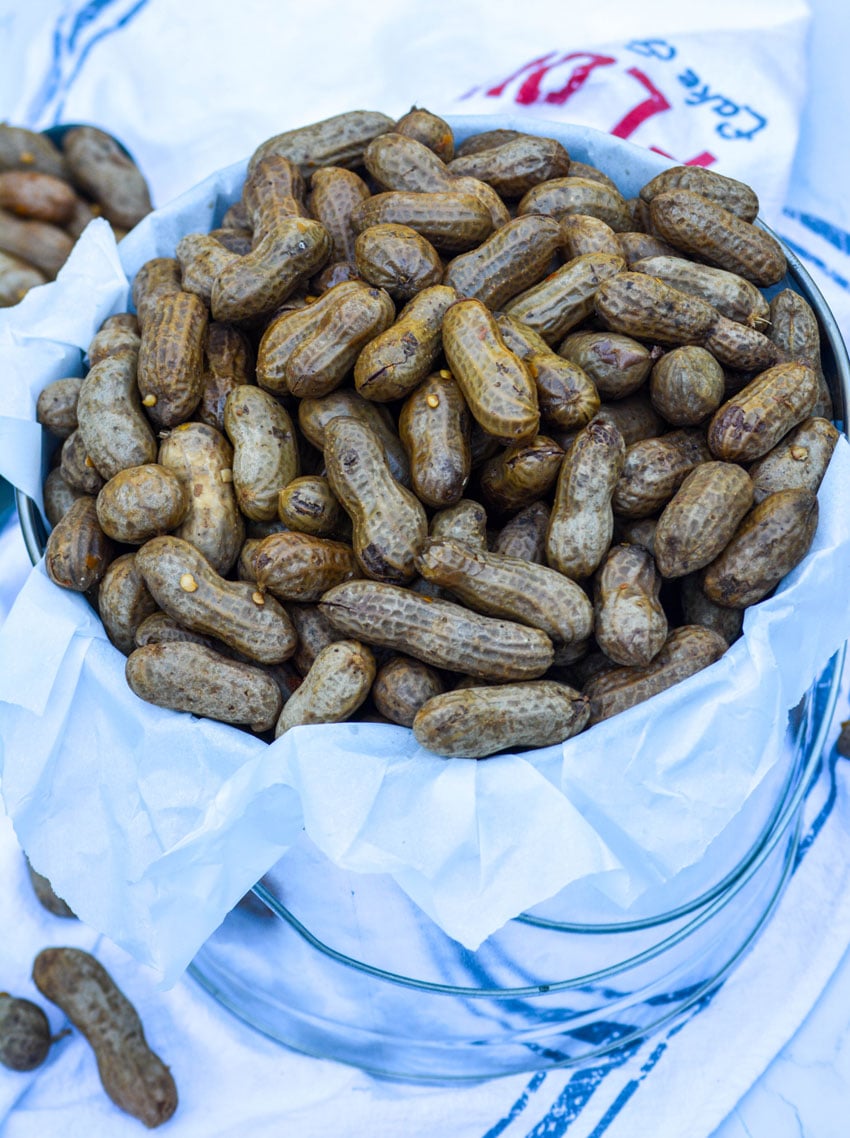
Credit: 4sonrus.com
Boiling Peanuts Perfectly
Boiling peanuts perfectly is the key to enjoying this classic snack. The right texture and flavor come from careful soaking and boiling. Peanuts should be soft but not mushy, with the seasoning well absorbed. Follow simple steps to achieve the best taste and texture.
Soaking Tips
Soaking peanuts before boiling helps them cook evenly. Use fresh, raw peanuts for the best results. Rinse the peanuts thoroughly under cold water.
Soak peanuts in water for 8 to 12 hours. This softens the nuts and shortens boiling time. Use enough water to cover the peanuts completely.
After soaking, drain the water. Rinse the peanuts again to remove any dirt or debris. This step prepares peanuts for even cooking.
Boiling Time And Seasoning
Boil peanuts in a large pot with enough water to cover them well. Bring the water to a gentle boil. Reduce heat to keep a steady simmer.
Boil peanuts for 2 to 4 hours, depending on size and freshness. Test peanuts every 30 minutes for softness. They should be tender but not falling apart.
Seasoning is important for flavor. Add salt to the boiling water. Start with 1/4 cup of salt per gallon of water.
Experiment with seasonings like garlic, Cajun spices, or hot sauce. Add these early in the boiling process for better flavor absorption.
Keep the pot covered to maintain heat and moisture. Stir occasionally to prevent peanuts from sticking to the bottom.
Cooling And Preparing For Freezing
Cooling and preparing boiled peanuts before freezing is a crucial step that can affect their texture and flavor later on. If you skip this part or do it incorrectly, your peanuts might end up mushy or develop ice crystals. Taking the time to properly drain and cool them ensures they retain their delicious taste and firm bite.
Draining Excess Water
Once your peanuts are boiled, you need to drain off all the extra water. Use a fine mesh strainer or colander to catch every last peanut while letting the water escape. Leaving water on the peanuts can cause ice buildup during freezing, which changes their texture.
After draining, gently pat the peanuts with a clean kitchen towel or paper towels to soak up any remaining moisture. Avoid squeezing the peanuts too hard; you want to remove water, not crush them.
Cooling Methods
Cooling your boiled peanuts quickly helps prevent them from continuing to cook in their own heat. Spread the peanuts out in a single layer on a baking sheet or tray to let air circulate around each one.
You can also cool them by placing the drained peanuts in a bowl and stirring occasionally to release steam. If you want to speed up the process, pop the tray in the refrigerator for 15–20 minutes, but don’t leave them there too long or they might dry out.
Have you ever frozen boiled peanuts that turned out soggy? Chances are they weren’t cooled properly. Taking a few extra minutes to cool and drain can make your frozen peanuts just as tasty as fresh ones.

Credit: thekingstonhome.com
Packaging Boiled Peanuts
Packaging boiled peanuts correctly is key to keeping their flavor and texture. Proper packaging protects them from air and moisture. This stops spoilage and freezer burn. It also makes storage easier and more organized. Use the right containers and sealing methods for best results.
Choosing Containers
Pick containers that seal tightly and are freezer-safe. Plastic containers with snap-on lids work well. Heavy-duty freezer bags are another good choice. Avoid thin plastic bags that can tear easily. Glass jars with airtight lids can also keep peanuts fresh. Make sure containers are clean and dry before use.
Preventing Freezer Burn
Freezer burn happens when air reaches the peanuts. It dries them out and changes their taste. Remove as much air as possible from bags before sealing. Use a vacuum sealer if available. Wrap peanuts in plastic wrap before placing them in containers. Label containers with the date to track storage time. Freeze peanuts in small batches to reduce air exposure each time you open them.
Freezing Process
Freezing boiled peanuts is a smart way to keep their fresh taste and texture. The freezing process helps preserve their flavor and prevents spoilage. Proper freezing also saves time for future snacks or recipes. Follow simple steps to freeze boiled peanuts safely and effectively.
Freezer Settings
Set the freezer temperature to 0°F (-18°C) or lower. This temperature keeps peanuts safe and fresh longer. Use airtight containers or heavy-duty freezer bags to stop freezer burn. Remove as much air as possible before sealing. Label the containers with the date of freezing. This helps track storage time and avoid keeping them too long.
Storage Duration
Boiled peanuts stay good in the freezer for up to 6 months. After this, quality may drop, but they remain safe to eat. For best taste and texture, consume within 3 to 4 months. Thaw frozen peanuts slowly in the refrigerator or at room temperature. Avoid refreezing thawed peanuts to maintain quality.
Thawing And Reheating
Thawing and reheating boiled peanuts properly can make a huge difference in how they taste and feel. If you skip the right steps, your peanuts might end up soggy or lose their flavor. Taking a bit of care ensures each bite stays just as delicious as when you first boiled them.
Safe Thawing Techniques
Thawing boiled peanuts slowly is the key to keeping their texture firm and fresh. The best way is to move them from the freezer to the refrigerator and let them thaw overnight. This gradual thaw helps prevent bacterial growth and keeps the peanuts safe to eat.
If you’re short on time, place the sealed bag in a bowl of cold water for a couple of hours. Avoid using hot water, as it can cause uneven thawing and soften the peanuts too much.
Have you ever noticed how some frozen snacks turn mushy after quick thawing? That’s why patience pays off when you handle boiled peanuts.
Reheating Tips For Best Flavor
To bring back the fresh taste, reheat boiled peanuts gently. Using the microwave is quick but can dry them out if overheated. Instead, heat them in a pot with a splash of water or broth on low heat. Stir occasionally to distribute heat evenly.
If you prefer the microwave, cover the peanuts with a damp paper towel to keep moisture in. Heat in short bursts of 30 seconds, stirring in between, until warm.
Try adding a pinch of salt or a few drops of hot sauce after reheating to refresh the flavor. What small tweaks could you add to make your boiled peanuts uniquely yours?
Common Mistakes To Avoid
Freezing boiled peanuts is a great way to keep their flavor and texture. Still, some mistakes can ruin your efforts. Avoid these common errors to enjoy perfect boiled peanuts later.
Freezing Peanuts Without Cooling
Hot peanuts trap steam in storage bags. This causes ice crystals and sogginess. Always cool boiled peanuts completely before freezing.
Using Poor Quality Containers
Thin plastic bags let air in. This leads to freezer burn and loss of taste. Use airtight, freezer-safe containers or heavy-duty bags.
Freezing Too Large Portions
Large peanut batches take longer to freeze. This affects texture and safety. Divide peanuts into small portions for quick, even freezing.
Skipping Labeling And Dating
Without labels, it’s hard to know storage time. Peanuts lose quality after long storage. Label bags with freezing date for best use.
Not Removing Excess Water
Water makes peanuts icy and mushy after thawing. Drain peanuts well before freezing. Pat dry with paper towels to remove extra moisture.

Credit: www.cookingwithmaryandfriends.com
Frequently Asked Questions
How Do You Prepare Boiled Peanuts For Freezing?
First, boil peanuts until soft. Drain and cool them completely. Place peanuts in airtight freezer bags or containers. Remove excess air to prevent freezer burn. Label with date and freeze for up to six months.
Can Frozen Boiled Peanuts Maintain Their Flavor?
Yes, freezing preserves boiled peanuts’ flavor well. Proper packaging prevents moisture loss and freezer burn. Thaw them slowly in the refrigerator for best taste. Avoid refreezing to keep optimal flavor and texture.
How Long Can Boiled Peanuts Stay Frozen?
Boiled peanuts can be frozen for about six months. Beyond this, quality and taste may decline. Always use airtight containers or freezer bags. Label with freezing date for easy tracking. Consume within six months for best results.
What Is The Best Way To Thaw Frozen Boiled Peanuts?
Thaw frozen boiled peanuts in the refrigerator overnight. For quicker thawing, use the microwave on low power. Avoid leaving peanuts at room temperature to prevent spoilage. Once thawed, consume within two days for freshness.
Conclusion
Freezing boiled peanuts keeps them fresh and tasty for longer. Pack them in airtight bags or containers to avoid freezer burn. Label with the date to track storage time easily. When ready, thaw in the fridge or microwave. Enjoy a quick snack anytime without cooking again.
Simple steps save time and reduce food waste. Try freezing to keep your boiled peanuts fresh and ready.