
Are you tired of wasting leftover ribs or unsure how to preserve them for future enjoyment? If you’ve ever cooked up a batch of succulent ribs and found yourself with more than you can eat, you’re not alone.
Freezing cooked ribs is a smart way to enjoy your delicious efforts later without sacrificing flavor or texture. Imagine having a stash of mouthwatering ribs ready to go whenever you crave them. In this guide, you’ll discover the simple steps to freeze cooked ribs effectively, ensuring they remain just as juicy and tender as when they first came off the grill.
Get ready to unlock the secret to enjoying perfectly preserved ribs anytime you want. Keep reading, and you’ll never look at leftovers the same way again!
Choosing The Right Ribs
Choosing the right ribs is key to freezing cooked ribs that taste just as good later. Not all ribs handle freezing and reheating the same way. Picking the right type and cooking method ensures your ribs stay juicy and flavorful after thawing.
Types Of Ribs For Freezing
Some ribs freeze better than others because of their fat content and texture. Baby back ribs are leaner and cook faster, but they can dry out if not wrapped properly before freezing.
Spare ribs have more fat and connective tissue, which helps keep them moist during freezing and reheating. St. Louis style ribs, trimmed from spare ribs, offer a balance of meat and fat, making them a solid choice too.
- Baby Back Ribs – lean, quick to cook, need careful wrapping
- Spare Ribs – fattier, better moisture retention during freezing
- St. Louis Style Ribs – trimmed spare ribs, balanced texture
Have you ever noticed how some ribs become tough after freezing? Choosing ribs with a good fat-to-meat ratio can help you avoid that.
Cooking Methods That Freeze Well
How you cook your ribs before freezing impacts their quality later. Slow cooking methods like smoking, braising, or baking at low temperatures break down collagen and fat, keeping ribs tender after freezing.
Grilling works if ribs are not overcooked. Overdone ribs can become dry and crumbly once frozen and reheated. You want ribs cooked just right so they don’t lose moisture in the freezer.
- Smoking:Low and slow smoke adds flavor and tenderizes ribs well for freezing.
- Braising:Cooking ribs in liquid keeps them moist and helps them reheat nicely.
- Baking:Slow baking at moderate heat locks in juices before freezing.
- Grilling:Best if ribs are cooked to just tender, not charred or dry.
Think about your favorite rib recipe—does it use slow cooking or quick searing? Your ribs’ freezing success starts there.

Credit: www.101cookingfortwo.com
Preparing Ribs For Freezing
Preparing ribs for freezing is key to keeping their flavor and texture. Proper preparation helps stop bacteria growth and freezer burn. Follow clear steps to store ribs safely and enjoy them later.
Cooling Ribs Safely
Cool ribs quickly after cooking to avoid bacteria growth. Let them rest at room temperature for no more than two hours. Then, place ribs in the refrigerator to chill completely. Cooling slows down spoilage and keeps ribs fresh.
Trimming And Portioning
Trim excess fat from ribs before freezing. Fat can cause off-flavors over time. Cut ribs into meal-sized portions for easy thawing. Smaller portions freeze faster and save freezer space. Wrap each portion tightly to protect against freezer burn.
Packaging Techniques
Proper packaging keeps cooked ribs fresh and tasty in the freezer. It protects the ribs from freezer burn and preserves their flavor. Choosing the right technique helps maintain texture and moisture. Packaging also makes thawing easier and faster. Below are effective ways to package ribs for freezing.
Wrapping Methods
Wrapping ribs tightly stops air from reaching the meat. Use heavy-duty aluminum foil or plastic wrap for best results. Wrap the ribs in one layer of plastic wrap first. Make sure to cover every part of the ribs. Then, wrap them with a layer of foil. This double wrapping locks in moisture and blocks air. Avoid loose wrapping because it lets air in. Press the wrap firmly around the ribs to keep it sealed.
Using Airtight Containers And Bags
Airtight containers and freezer bags also work well for freezing ribs. Use containers that fit the ribs without extra space. This limits air exposure and keeps ribs moist. For freezer bags, squeeze out as much air as possible before sealing. Vacuum-sealed bags are ideal for long-term storage. Label the bags or containers with the date to track freshness. Proper sealing slows down freezer burn and keeps ribs delicious.
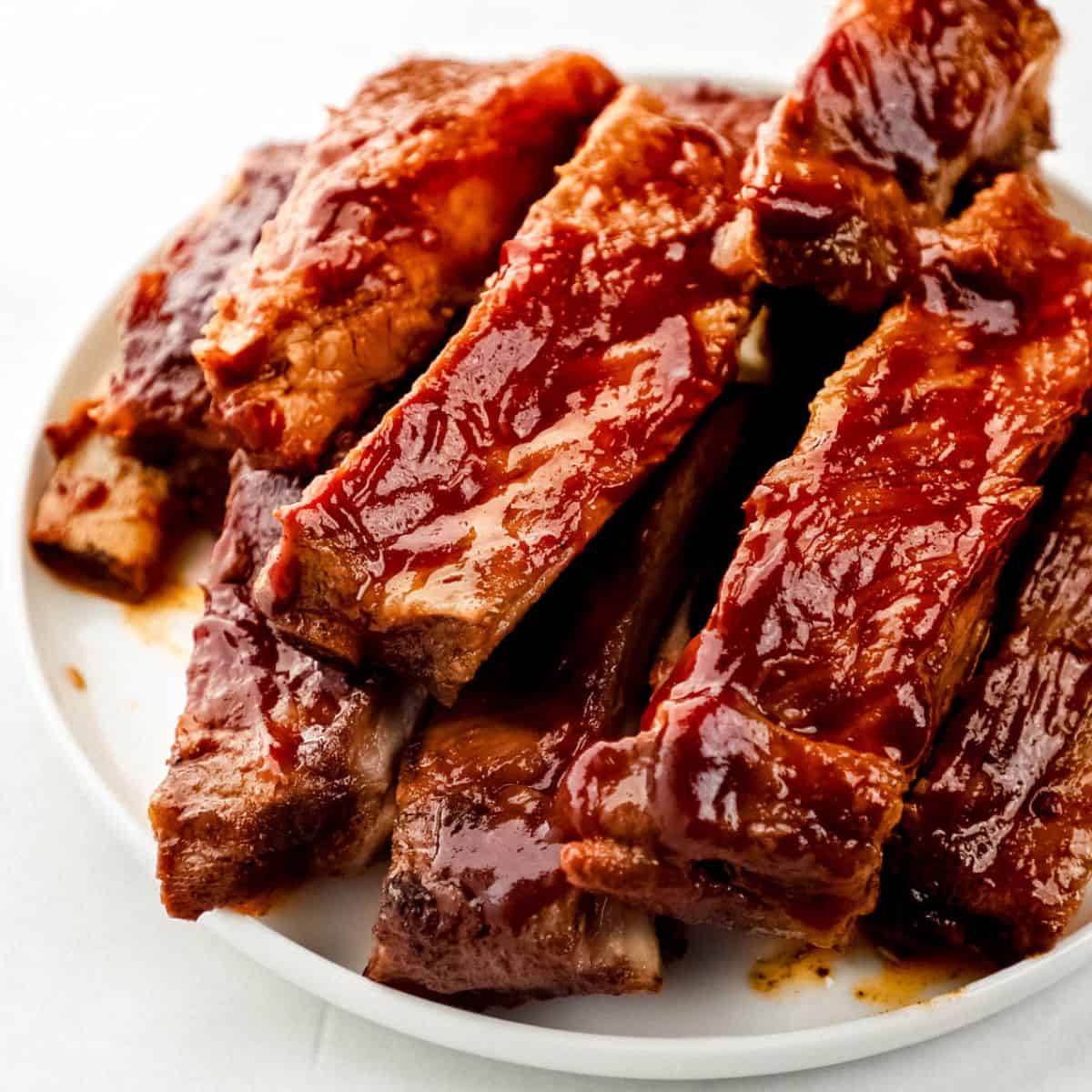
Credit: www.simplylakita.com
Freezing Process
Freezing cooked ribs preserves their flavor and texture for future meals. The process requires careful steps to keep ribs fresh and tasty. Proper freezing stops bacteria growth and slows down spoilage.
Using the right techniques ensures ribs stay juicy and delicious after thawing. Wrapping and storing ribs correctly prevents freezer burn and loss of quality. Planning the freezing process helps maintain the ribs’ original taste.
Optimal Freezer Settings
Set your freezer temperature to 0°F (-18°C) or lower. This temperature keeps ribs safe and stops bacteria from growing. Avoid frequent opening of the freezer to maintain a steady temperature.
Use a deep freezer if possible. It keeps temperature more stable than a regular freezer. Check the freezer thermometer regularly to ensure correct settings.
Labeling And Dating Tips
Label each package with the date and contents before freezing. Use a permanent marker on freezer bags or tape on containers. Clear labels help track how long ribs have been frozen.
- Write the cooking date on the label
- Include the type of ribs (pork, beef, etc.)
- Note any special seasoning or sauce used
First in, first out. Use older ribs before newer ones. Proper labeling prevents waste and keeps your freezer organized.
Thawing Cooked Ribs
Thawing cooked ribs properly is key to preserving their juicy texture and rich flavor. How you thaw them can make the difference between a delicious meal and a dry, tough disappointment. Let’s look at safe and effective ways to bring your ribs back to life after freezing.
Refrigerator Thawing
Refrigerator thawing is the safest way to thaw cooked ribs. It allows the ribs to defrost slowly and evenly, which helps retain moisture and prevent bacteria growth. Simply move your ribs from the freezer to the fridge and let them thaw for 12 to 24 hours, depending on the size.
This method requires some planning ahead, but it’s worth the wait. Have you noticed how ribs thawed in the fridge stay tender and juicy compared to quick thawing? It’s because the cold environment keeps them at a safe temperature throughout.
Quick Thaw Methods
If you’re short on time, there are faster options to thaw your ribs safely. One popular way is using cold water. Place your ribs in a sealed plastic bag and submerge them in cold water, changing the water every 30 minutes to keep it cold.
This method usually takes 2 to 3 hours, depending on how thick the ribs are. Avoid using warm or hot water, as it can encourage bacterial growth. Another quick option is using the microwave, but be cautious—microwaving can start cooking the edges of the ribs, making them uneven.
Have you tried cold water thawing before? It’s a handy trick that can save you when you forget to plan ahead, but always keep food safety in mind to enjoy your ribs at their best.

Credit: getinspiredeveryday.com
Reheating For Best Flavor
Reheating cooked ribs can be tricky if you want to keep their juicy texture and rich flavor intact. The key is to warm them slowly and evenly, avoiding dryness or toughness. How you reheat makes a big difference in bringing back that fresh-off-the-grill taste you love.
Oven Reheating Tips
The oven is a great tool for reheating ribs because it heats evenly and helps keep the meat moist. Preheat your oven to around 275°F (135°C) for gentle warming.
Wrap your ribs tightly in aluminum foil to trap moisture. Adding a splash of broth or a little BBQ sauce inside the foil can boost juiciness.
- Place the wrapped ribs on a baking sheet to catch any drips.
- Heat for 20-30 minutes, depending on the size of the ribs.
- Check if they’re heated through by gently pulling apart a rib bone.
This method keeps the ribs tender and allows the flavors to blend. If you want a bit of a crust, open the foil for the last 5 minutes of reheating.
Grilling And Searing Options
Reheating on the grill or in a hot pan adds a smoky char or crispiness that many find irresistible. This method works best if the ribs are already fully cooked and just need warming.
Start by heating your grill to medium heat or warming a skillet with a small amount of oil. Place ribs on the grill or pan, turning often to avoid burning.
- Sear each side for about 2-3 minutes to get a nice crust.
- Use indirect heat or lower the pan temperature to finish warming the ribs through without drying them out.
- Brush with your favorite BBQ sauce during the last minute to add extra flavor.
Have you ever tried reheating ribs this way? The contrast of tender inside and crisp outside might surprise you and make leftovers feel like a new meal.
Common Mistakes To Avoid
Freezing cooked ribs is a smart way to save leftovers. Avoid mistakes that can reduce taste and texture. Some errors lead to freezer burn or soggy ribs. Knowing what not to do helps keep ribs delicious.
Freezing Hot Ribs
Never put hot ribs directly into the freezer. Hot food raises the freezer temperature. This can spoil other items stored inside. Also, hot ribs create extra moisture. This moisture forms ice crystals on the meat. These crystals damage the ribs’ texture.
Let ribs cool down to room temperature first. Wrap them only after they are cool. This step keeps ribs fresh and tasty.
Using Poor Packaging Materials
Use good packaging to protect ribs from air and moisture. Thin plastic bags or loose wraps do not work well. They allow air in, causing freezer burn. Freezer burn dries out ribs and makes them tough.
Choose heavy-duty freezer bags or airtight containers. Wrap ribs tightly in aluminum foil before placing in bags. Label packages with date and contents. This helps keep ribs safe and easy to find.
Frequently Asked Questions
How Long Can Cooked Ribs Be Frozen Safely?
Cooked ribs can be frozen safely for up to 3 months. Beyond this, quality and taste may decline. Always store ribs in airtight packaging to prevent freezer burn and maintain freshness.
What Is The Best Way To Freeze Cooked Ribs?
Wrap cooked ribs tightly in aluminum foil or plastic wrap. Place them in a freezer-safe bag or container. Label with date to track storage time and keep ribs fresh.
How Do I Thaw Frozen Cooked Ribs Properly?
Thaw ribs in the refrigerator overnight for best results. Avoid room temperature thawing to prevent bacteria growth. For quick thawing, use the microwave’s defrost setting carefully.
Can I Refreeze Thawed Cooked Ribs Safely?
Refreezing thawed cooked ribs is not recommended. It can reduce texture quality and increase risk of foodborne illness. Consume ribs immediately after thawing for best taste and safety.
Conclusion
Freezing cooked ribs saves time and reduces food waste. Wrap them tightly to keep flavor and texture fresh. Label each package with the date for easy tracking. Thaw ribs slowly in the fridge for best results. Reheat gently to keep meat juicy and tender.
This simple method lets you enjoy ribs anytime. Try it today and enjoy tasty meals later.