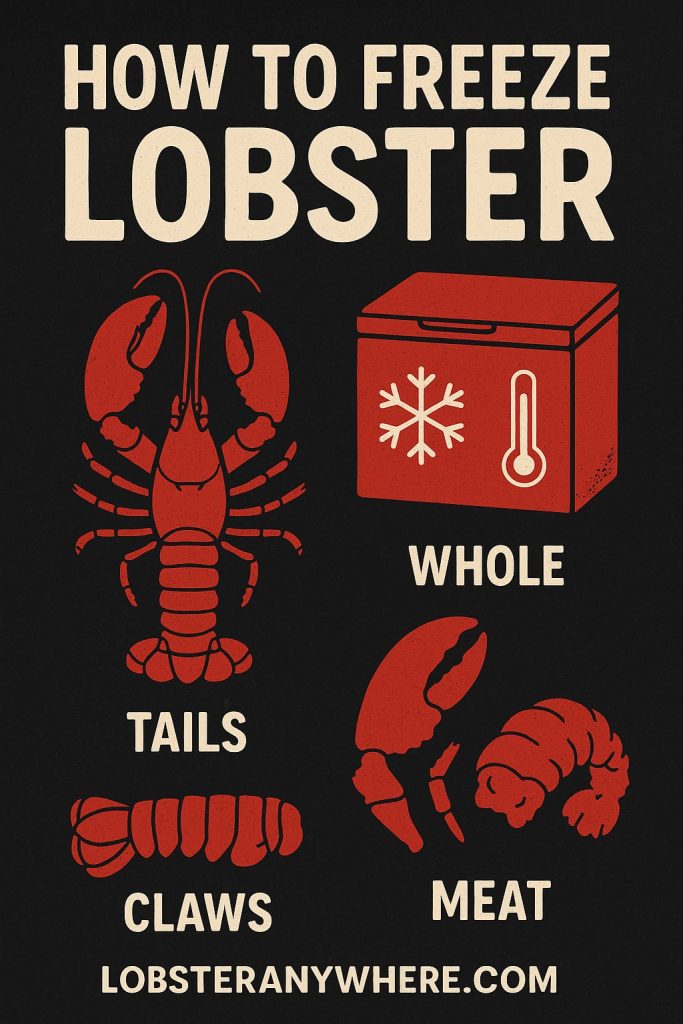
Ever found yourself with more crayfish than you can handle? Maybe you’ve hosted a seafood boil, or stumbled upon a great deal at the market.
Whatever the reason, learning how to freeze crayfish can be your ticket to enjoying these tasty crustaceans long after the catch. Imagine having a supply ready for any spontaneous dinner or craving. Not only does freezing preserve the delicate flavors, but it also saves you money and time in the long run.
By the end of this article, you’ll master the simple steps to freeze crayfish effectively, ensuring they remain as delicious as the day you got them. Stick with us, and discover how easy it is to keep your freezer stocked with this seafood delight.
Credit: lobsteranywhere.com
Preparing Crayfish For Freezing
Preparing crayfish for freezing is a crucial step to maintain their flavor and texture. Proper preparation ensures you enjoy fresh-tasting crayfish long after your catch or purchase. Taking the time to clean, cook, and cool them correctly will make all the difference when you thaw and serve them later.
Cleaning And Deveining
Start by rinsing your crayfish under cold running water to remove dirt and debris. Next, remove the shell and gently pull out the vein running along the back, which can taste bitter if left in. This step might seem tedious, but it greatly improves the final flavor and texture.
Have you ever noticed a gritty or off taste in frozen seafood? That often comes from skipping the deveining process. Take a moment to clean thoroughly—you’ll thank yourself later.
Cooking Before Freezing
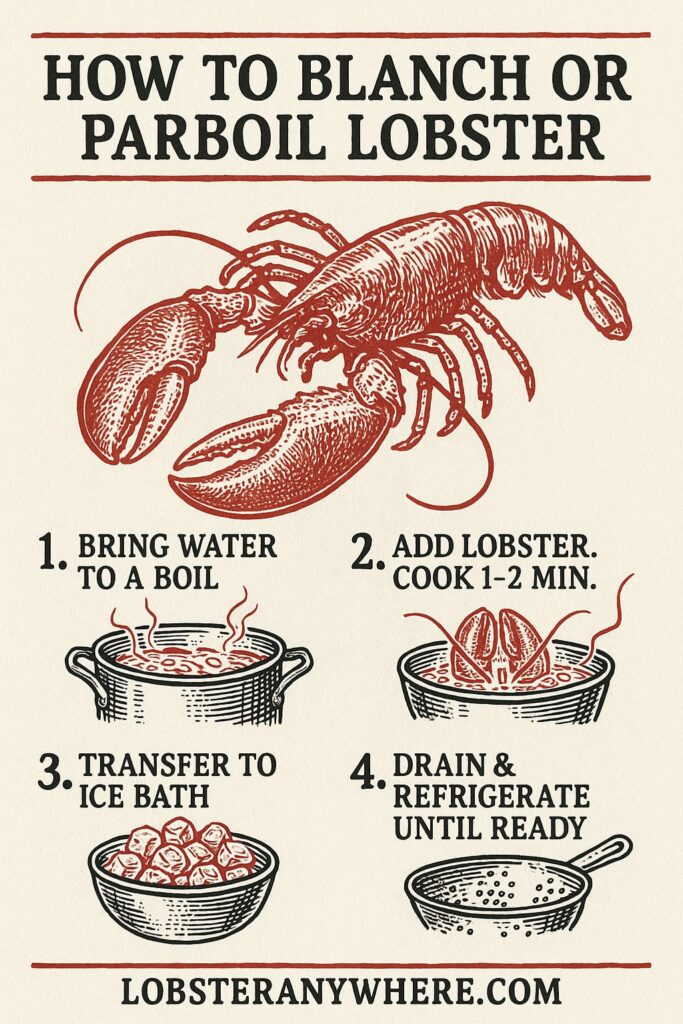
Cooking crayfish before freezing locks in their natural juices and stops bacteria growth. Boil them briefly—about 3 to 5 minutes—until they turn bright red and the meat feels firm. Avoid overcooking; it can make the meat tough and rubbery once frozen and reheated.
Cooking also helps you avoid freezer burn and preserves the delicate flavor. If you prefer, season the boiling water with salt, lemon, or herbs to give your crayfish extra taste before freezing.
Cooling The Crayfish
Once cooked, cool the crayfish quickly to stop the cooking process and prevent bacteria buildup. Place them in an ice bath or run cold water over them until they reach room temperature. This step keeps the meat tender and prepares them for freezing.
Have you ever frozen hot food only to find it mushy after thawing? Rapid cooling helps avoid that. After cooling, pat the crayfish dry to reduce ice crystals and wrap them tightly to keep freezer odors out.

Credit: www.youtube.com
Choosing The Right Freezing Method
Choosing the right freezing method preserves crayfish texture and taste. Different techniques affect the quality and shelf life. Proper freezing keeps the crayfish fresh and safe to eat. It reduces ice crystals that damage the meat. Select a method that fits your storage time and equipment.
Flash Freezing Technique
Flash freezing quickly lowers the crayfish temperature. This stops ice crystals from forming inside the meat. The result is firmer, fresher crayfish after thawing. Use a freezer set to its coldest setting. Spread crayfish in a single layer on a tray. Freeze until solid, then transfer to a sealed container.
Using Vacuum Sealing
Vacuum sealing removes air around the crayfish. This prevents freezer burn and extends shelf life. Place crayfish in vacuum bags, then seal tightly. Vacuum sealing also keeps flavors locked in. Combine this with flash freezing for best results. Store in the coldest part of the freezer.
Freezing In Ice Water
Freezing crayfish in ice water helps preserve moisture. Submerge crayfish in cold water with ice cubes. This cools them quickly before freezing. Pat dry before placing in airtight containers. This method reduces freezer burn and keeps texture soft. Ideal for short-term storage and quick meals.
Packaging Tips For Freshness
Proper packaging keeps crayfish fresh and tasty during freezing. It protects from freezer burn and bad smells. Good packaging keeps moisture and flavor inside. Follow these tips to package crayfish right.
Selecting Freezer-safe Containers
Use containers made for freezing. Thick plastic or glass containers work well. Avoid thin plastics that crack easily. Sturdy containers stop air and moisture from entering. Sealable freezer bags are also a good choice. They save space and seal tightly.
Removing Air To Prevent Freezer Burn
Air causes freezer burn and makes crayfish dry. Remove as much air as possible before sealing. Use a vacuum sealer if you have one. For bags, press out air with your hands. Double check the seal to keep air out.
Labeling And Dating Packages
Label each package clearly. Write the date of freezing on the label. This helps track freshness and avoid keeping crayfish too long. Use a permanent marker that won’t fade in the freezer. Keep the labels visible for easy checking.
Freezing Duration And Storage
Freezing crayfish properly is key to preserving their fresh taste and texture. How long you keep them frozen and how you store them can make a big difference in quality. Understanding the ideal freezing duration and storage conditions helps you enjoy your crayfish just like they were freshly caught.
Optimal Freezing Time
Crayfish can stay frozen for up to 3 months without losing much flavor or texture. Beyond that, the quality starts to decline noticeably. If you freeze them for too long, expect the meat to become dry and less enjoyable.
Keeping track of the freezing date is a smart move. You can use labels or write directly on the packaging. This simple step prevents you from accidentally keeping crayfish past their prime.
Temperature Settings
Set your freezer to a consistent temperature of 0°F (-18°C) or lower. This temperature halts bacterial growth and preserves freshness. Avoid fluctuating temperatures as they can cause freezer burn and spoil texture.
Ever opened your freezer door repeatedly? It might seem harmless, but it raises the internal temperature and affects stored seafood. Try to minimize door openings to keep your crayfish in the best condition.
Avoiding Common Storage Mistakes
Many people store crayfish in just any container, but airtight packaging is crucial. Use vacuum-sealed bags or freezer-safe containers to prevent air exposure. Air leads to freezer burn, which ruins the taste and texture.
Don’t freeze crayfish that haven’t been cleaned properly. Residual moisture or debris can cause ice crystals to form, damaging the meat. Rinse and pat dry before freezing for the best results.
Have you ever noticed frost building up inside your freezer bags? That’s a sign of moisture getting in. To avoid this, wrap crayfish tightly in plastic wrap before placing them in bags. This extra barrier keeps ice crystals at bay.
Thawing Crayfish Safely
Thawing crayfish safely is crucial to preserving their texture and flavor while preventing foodborne illnesses. Improper thawing can turn your delicious catch into a risky meal. Understanding the right way to thaw crayfish ensures you enjoy every bite with peace of mind.
Refrigerator Thawing
Thawing crayfish in the refrigerator is the safest and most reliable method. Simply place the frozen crayfish in a bowl or on a tray to catch any drips, then leave them in the fridge for 12 to 24 hours.
This slow thaw allows the crayfish to defrost evenly while staying at a safe temperature below 40°F (4°C). Have you ever noticed the difference in texture between crayfish thawed in the fridge versus other methods? The fridge method keeps them firm and fresh.
Cold Water Thawing
If you’re short on time, cold water thawing works well but requires more attention. Place the crayfish in a sealed plastic bag, then submerge it in cold water, changing the water every 30 minutes.
This method usually thaws crayfish within 1 to 2 hours without raising the temperature enough to encourage bacteria growth. Remember to cook the crayfish immediately after thawing this way to keep them safe.
Avoiding Room Temperature Thawing
Thawing crayfish at room temperature is tempting but risky. Leaving seafood out for extended periods allows bacteria to multiply rapidly, increasing your chances of food poisoning.
Even if you’re in a hurry, resist the urge to thaw on the counter. Is a few extra minutes worth protecting your health and maintaining the best flavor?

Credit: splashyfishstore.com
Maintaining Flavor And Texture
Freezing crayfish is a great way to enjoy this delicacy later, but preserving its natural flavor and texture can be tricky. The key is in how you treat the crayfish before freezing, how you handle it after thawing, and the way you reheat it. Each step affects the taste and mouthfeel, so a little attention goes a long way in keeping your crayfish delicious.
Seasoning Before Or After Freezing
Deciding when to season your crayfish can change the final flavor. Adding spices or herbs before freezing might intensify flavors, but some seasonings can become muted or altered during freezing. Many chefs prefer to freeze crayfish plain and add seasoning after thawing to keep the taste fresh and vibrant.
Think about your favorite seasoning mix—does it hold up well over time? If not, wait until after thawing to season. You can even toss the thawed crayfish in lemon juice, garlic butter, or Cajun spices to bring out the best flavors.
Handling After Thawing
Thaw your crayfish slowly in the refrigerator rather than rushing with warm water or microwaves. Slow thawing helps retain the texture and prevents the meat from becoming mushy. Once thawed, pat the crayfish dry gently with paper towels to remove excess moisture.
Have you noticed how soggy seafood loses its appeal? Drying off your crayfish keeps the shell crisp and meat firm, making every bite satisfying. Handle the crayfish gently to avoid breaking the delicate tails and claws.
Reheating Tips
Reheating frozen crayfish requires a gentle touch to avoid overcooking. Use low heat methods like steaming or warming in a covered skillet with a splash of water or broth. Avoid microwaving directly, as it can toughen the meat and dry it out.
Adding a bit of butter or oil during reheating can help maintain moisture and enhance flavor. Ever tried reheating seafood with a squeeze of fresh lemon after warming? It brightens the taste and keeps the texture pleasant. Keep your reheating quick and careful to enjoy crayfish that tastes freshly cooked.
Troubleshooting Freezing Issues
Freezing crayfish can be tricky. Problems may arise that affect taste, texture, and safety. Knowing how to spot and fix these issues saves your seafood and effort. This section covers common freezing problems and how to handle them.
Signs Of Freezer Burn
Freezer burn happens when crayfish lose moisture in the freezer. Look for these signs:
- White or grayish dry spots on the surface
- Frost crystals inside the packaging
- Off or stale smell
Freezer burn changes flavor and texture. It does not make crayfish unsafe, but the quality drops.
Dealing With Texture Changes
Freezing can make crayfish texture rubbery or mushy. This happens if frozen too long or thawed incorrectly.
To reduce texture problems:
- Freeze crayfish quickly after cooking
- Use airtight packaging to prevent moisture loss
- Thaw slowly in the refrigerator, not at room temperature
When To Discard Frozen Crayfish
Throw away crayfish if you notice:
- Strong sour or ammonia smell
- Unusual slimy texture after thawing
- Discoloration beyond normal freezer burn
Eating spoiled crayfish can cause food poisoning. Always prioritize safety over saving food.
Frequently Asked Questions
How Do You Prepare Crayfish For Freezing?
Clean crayfish thoroughly under cold water. Remove the shell if desired. Blanch them in boiling water for 2-3 minutes. Cool quickly in ice water. Drain and pack into airtight containers or freezer bags before freezing.
Can You Freeze Cooked Crayfish Safely?
Yes, cooked crayfish freeze well. Cool them completely before freezing. Use airtight containers or freezer bags. Label with the date. Consume within 2-3 months for best taste and texture.
What Is The Best Way To Thaw Frozen Crayfish?
Thaw frozen crayfish slowly in the refrigerator overnight. Avoid thawing at room temperature to prevent bacteria growth. Use thawed crayfish within 24 hours for optimal freshness and safety.
How Long Can Crayfish Stay Frozen?
Crayfish can be stored in the freezer for up to 3 months. Beyond this, quality and flavor may decline. Ensure proper packaging to avoid freezer burn and maintain freshness.
Conclusion
Freezing crayfish is simple and keeps them fresh longer. Start with clean, cooked crayfish. Cool them completely before packing in airtight bags. Remove as much air as possible to avoid freezer burn. Label the bags with the date to track freshness.
Store crayfish at a steady, low temperature. Thaw slowly in the fridge to keep texture and taste. These steps help you enjoy crayfish anytime with great flavor. Try this method to save time and reduce waste. Enjoy your crayfish meals without rushing to eat them fresh.