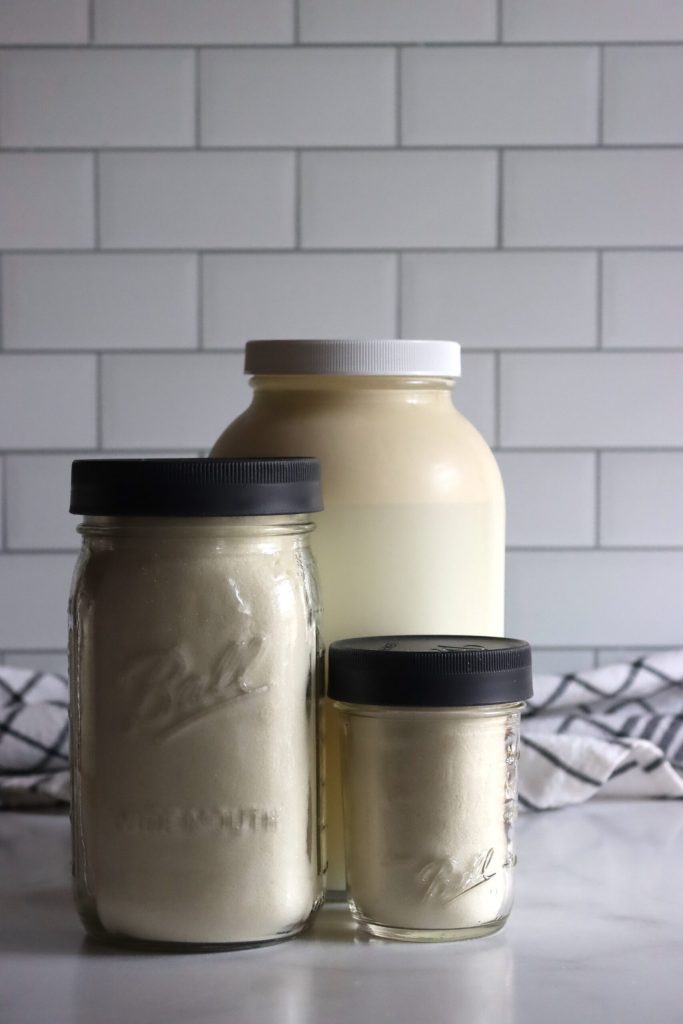
Imagine having the power to preserve every drop of your precious breast milk, ensuring your baby has access to its nutrients whenever needed. Sounds like a dream, right?
Well, it’s not just a dream anymore. You can actually freeze dry your breast milk at home, a method that extends its shelf life while maintaining its quality. This process might sound complex, but don’t worry—it’s simpler than you think, and we’re here to guide you through it.
Dive into this article to discover how you can easily and effectively freeze dry breast milk at home, securing your baby’s nourishment and giving you peace of mind. Ready to unlock this game-changing technique? Let’s get started!

Credit: www.thebreastmilk.co
Benefits Of Freeze Drying Breast Milk
Freeze drying breast milk at home offers several valuable benefits that can make your feeding routine easier and more efficient. This method helps maintain the milk’s quality while providing flexibility for storage and use. Understanding these advantages can help you decide if freeze drying fits your lifestyle and your baby’s needs.
Preserving Nutrients And Enzymes
Freeze drying keeps most of the vital nutrients and enzymes intact in breast milk. Unlike some other preservation methods, it removes moisture without exposing the milk to high heat. This means important components like antibodies and vitamins remain effective, supporting your baby’s immune system and growth.
Have you noticed how some freezing methods can slightly alter the taste or texture? Freeze drying helps avoid that, keeping the milk closer to its fresh state. This can make feeding time more enjoyable for your little one.
Extending Shelf Life
One of the biggest perks of freeze drying is the extended shelf life it offers. Freeze-dried breast milk can last for months or even years when stored properly. This gives you the freedom to build a reserve without worrying about spoilage or frequent freezer space issues.
Imagine the relief of having a ready supply of milk available during busy days or emergencies. This longevity helps reduce waste and saves you the hassle of pumping daily when you’re not feeling up to it.
Convenience For Feeding
Freeze-dried breast milk is lightweight and easy to store, making it perfect for travel or on-the-go feeding. You can simply rehydrate it with water to the desired consistency, which cuts down on preparation time. This flexibility is a game-changer for parents juggling multiple tasks.
Think about how much easier outings become when you don’t have to carry bulky frozen milk packs. Having freeze-dried milk ready lets you respond quickly to your baby’s hunger without stress or delay.
Credit: wonderbewbz.com
Essential Equipment For Home Freeze Drying
Freeze drying breast milk at home requires the right tools to keep your milk safe and nutritious. Choosing the proper equipment helps you maintain quality and makes the process smoother. Let’s look at the essential gear you’ll need before you start.
Freeze Dryer Options
Freeze dryers come in various sizes and prices. Some are designed specifically for home use, while others cater to commercial needs. Look for models that offer gentle drying cycles to protect the delicate nutrients in breast milk.
Consider compact units if space is limited. Machines with easy-to-use controls save time and reduce mistakes. Have you checked reviews to find a reliable brand that fits your budget?
Storage Containers And Bags
Proper storage is critical after freeze drying. Use airtight containers or freezer-safe bags to keep your milk fresh and prevent moisture from sneaking in. Glass jars with tight lids work well, but BPA-free plastic containers are lighter and more portable.
Label containers clearly to track dates and batches. Avoid overfilling to ensure effective sealing. What container options do you find easiest to handle during busy feeding times?
Thermometers And Labels
Monitoring temperature is vital during freeze drying. A reliable thermometer helps you keep the process within safe limits to avoid damaging the milk. Digital thermometers with probes offer quick and accurate readings.
Labels are just as important for organization. Use waterproof labels or tags that won’t fade in the freezer. Writing down dates and notes can save you confusion later. How do you keep track of your milk’s storage life?
Preparing Breast Milk For Freeze Drying
Preparing breast milk for freeze drying is a crucial step to keep the nutrients intact and ensure your baby’s safety. Handling your milk with care before the freeze drying process helps maintain its quality and prevents spoilage. Let’s look at how you can get your milk ready effectively and safely.
Collecting And Storing Milk Safely
Always start by washing your hands thoroughly before expressing milk. Use clean, sterilized containers to collect your milk; this reduces the risk of introducing bacteria. Store the milk immediately in the refrigerator if you plan to freeze dry it within 24 hours.
If you’re not freeze drying the milk right away, freeze it as soon as possible to preserve freshness. Label each container with the date and time of expression. This helps you track how long the milk has been stored and use the oldest milk first.
Portioning And Pre-freezing
Divide your breast milk into small portions before freezing. Smaller amounts freeze faster and thaw more evenly, which is better for freeze drying. Use silicone trays or small freezer-safe containers to portion the milk.
Freeze the milk flat in thin layers to speed up the freezing process. This also makes it easier to break into pieces when you move to freeze drying. Quick freezing locks in nutrients and helps maintain the milk’s natural consistency.
Avoiding Contamination
Contamination can spoil your hard work and put your baby at risk. Always use clean tools and containers, and avoid touching the inside of lids or containers. Make sure your freezer is clean and set at the right temperature, ideally at or below -18°C (0°F).
Handle the frozen milk carefully—never refreeze thawed milk or leave it out at room temperature for too long. A little extra attention here ensures the freeze dried milk stays safe and nutritious for your little one.
Step-by-step Freeze Drying Process
Freeze drying breast milk at home can feel like a game changer for busy parents. The process locks in nutrients and flavor while making storage and transport easier. Understanding each part of the freeze drying journey helps you get the best results every time.
Setting Up The Freeze Dryer
Start by placing your freeze dryer on a flat, stable surface near a power source. Make sure the machine is clean and dry before use to avoid contamination. Check the user manual for specific setup instructions tailored to your model.
Don’t forget to prepare your milk containers or trays in advance. Using silicone molds or shallow trays can help with even drying. Have everything ready to minimize the time your milk spends outside controlled conditions.
Loading Milk Into The Machine
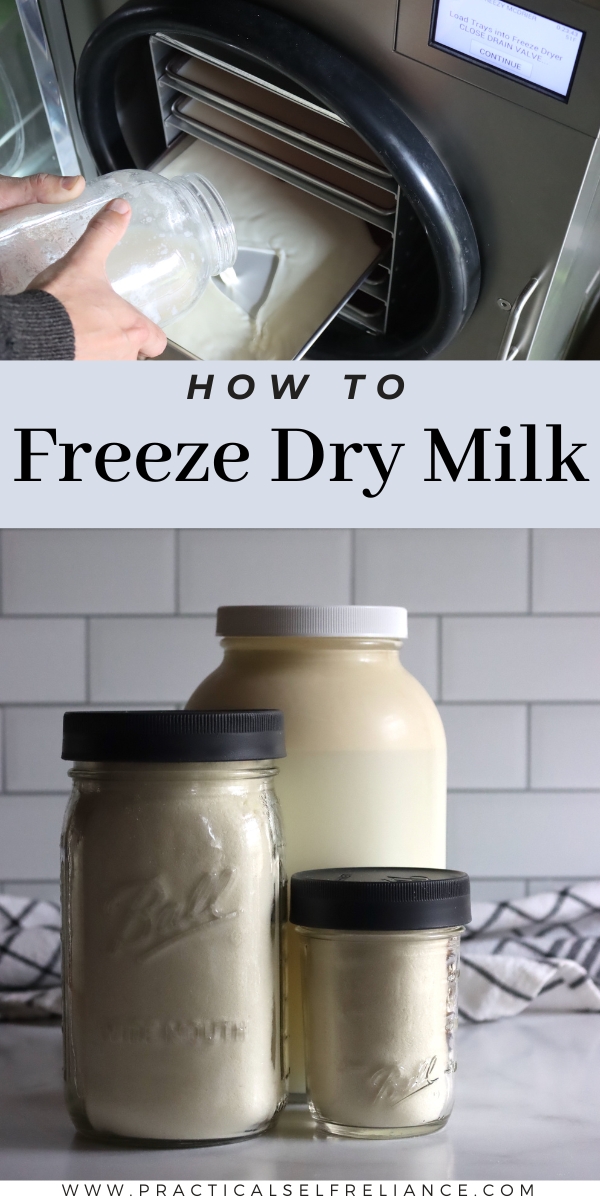
Pour the breast milk into your chosen containers, leaving some space to allow for expansion during freezing. Avoid overfilling, as this can slow down the drying process or cause uneven results. Gently place the trays or containers into the freeze dryer chamber.
Make sure the lids or covers are secure but not airtight—this helps moisture escape during drying. If you’re freeze drying multiple batches, keep track of the amount and type of milk to manage storage later.
Monitoring The Drying Cycle
Once the machine is running, keep an eye on the progress through the control panel. Many freeze dryers offer timers and moisture level indicators—use these to decide when the milk is fully dried. Be patient; rushing the cycle can compromise quality.
If your machine allows, adjust settings based on how thick or watery your milk is. Thicker milk might take longer to dry completely. Have you noticed how your milk’s consistency changes from day to day? This can affect drying time too.
Storing And Rehydrating Freeze-dried Milk
Proper storage and rehydration are essential for maintaining the quality of freeze-dried breast milk. Correct handling keeps nutrients intact and ensures safe feeding. Understanding how to package, store, and rehydrate the milk helps preserve its freshness and taste.
Proper Packaging For Longevity
Use airtight containers or vacuum-sealed bags to package freeze-dried milk. Avoid plastic bags that are not airtight, as moisture can spoil the milk. Label each package with the date of freeze drying. Small portions are best to reduce waste once opened. Store the packages in dark, cool places away from heat and light.
Best Storage Practices
- Keep freeze-dried milk in a dry, cool area below 25°C (77°F).
- Use airtight containers to prevent moisture absorption.
- Store packages in a pantry, cupboard, or refrigerator.
- Avoid exposure to sunlight or temperature changes.
- Check packages regularly for signs of moisture or spoilage.
How To Rehydrate For Feeding
Use clean, warm water to rehydrate freeze-dried milk. Add water gradually while stirring gently to avoid clumps. Follow the original milk volume for correct water-to-milk ratio. Use a clean bottle or container for mixing. Feed the milk soon after rehydration for best quality and safety.
Credit: practicalselfreliance.com
Tips To Maintain Quality And Safety
Maintaining the quality and safety of breast milk during the freeze drying process is crucial. Your baby depends on the nutrients and purity of this milk, so every step matters. Paying attention to details can prevent spoilage and preserve valuable nutrients.
Avoiding Common Mistakes
One common mistake is freezing breast milk too quickly or unevenly, which can damage its cellular structure. Make sure to freeze the milk in thin layers to allow for faster and more uniform drying. Avoid thawing and refreezing, as this breaks down nutrients and increases the risk of bacteria growth.
Another pitfall is not labeling the milk properly with dates before freeze drying. This helps you track freshness and use the oldest milk first. Have you ever opened a freezer and been unsure how old the milk is? Clear labeling prevents waste and keeps your baby safe.
Sanitizing Equipment
Sanitizing every piece of equipment is non-negotiable. Use hot, soapy water followed by a thorough rinse or a steam sterilizer to clean containers, trays, and utensils. Residual bacteria can easily contaminate breast milk, so don’t rush this step.
Consider setting up a dedicated clean area for handling breast milk and freeze drying equipment. This reduces cross-contamination risks from other kitchen activities. How often do you clean your kitchen tools when handling baby food? Taking extra care here pays off.
Checking For Milk Freshness
Always use the freshest milk possible before freeze drying. Fresh breast milk smells slightly sweet or neutral—any sour or rancid smell means it’s time to discard. Even if it looks fine, trust your nose; spoilage isn’t always visible.
Test small amounts by warming a little milk and tasting it if you’re unsure. If it tastes off, don’t risk it. This simple check can save your baby from digestive upset and ensure the milk’s nutrients remain intact.
Troubleshooting Freeze Drying Issues
Freeze drying breast milk at home can be a game-changer, but it’s not always smooth sailing. You might run into some issues that slow down the process or affect the quality of your milk. Recognizing these problems early helps you fix them quickly and keep your milk safe and nutritious.
Dealing With Clumping
Clumping happens when breast milk powder sticks together instead of staying loose. This can make it harder to scoop and mix later on. To avoid clumps, try spreading the milk thinly on the trays before freeze drying. If clumping still occurs, gently breaking the chunks apart with a clean spoon or fork works well.
Another tip is to check the temperature settings. If the milk freezes too slowly, ice crystals grow larger and cause clumps. Did you know that quick freezing can reduce clumping? Adjust your freeze dryer to a colder setting if possible.
Incomplete Drying Signs
How do you know if your breast milk isn’t fully dried? One clear sign is moisture left in the powder, which feels sticky or damp. You might also notice a shorter shelf life or unusual smell after storage. These signs mean you should run the drying cycle longer or increase the vacuum pressure.
Sometimes the problem is uneven drying. Milk at the edges of the trays dries faster than in the center. Try rearranging or rotating trays halfway through the cycle to ensure even drying. Are you checking the powder carefully before storage? That extra step saves frustration later.
Equipment Malfunctions
Freeze dryers are delicate machines, and small malfunctions can disrupt your process. If the vacuum pump isn’t working properly, drying will be slow or incomplete. Listen for unusual noises or check if the vacuum gauge drops during the cycle.
Another common issue is temperature sensor errors. If the machine reads wrong temperatures, it might stop the cycle too early or overheat the milk. Regular maintenance and cleaning keep your freeze dryer running smoothly. Have you kept a maintenance log? It helps spot recurring issues before they cause damage.
Frequently Asked Questions
How Do You Freeze Dry Breast Milk At Home?
Freeze drying breast milk at home requires a home freeze dryer. Pour milk into trays and freeze it. Then, use the machine to sublimate the ice under low pressure, turning it into powder. Store the powder in airtight containers for long-term use.
Is Freeze-dried Breast Milk Safe For Babies?
Yes, freeze-dried breast milk is safe if properly prepared and stored. It retains most nutrients and antibodies. Always ensure cleanliness during the process. Rehydrate the powder with clean water before feeding your baby.
How Long Does Freeze-dried Breast Milk Last?
Freeze-dried breast milk can last up to 25 years if stored in airtight, moisture-proof containers. Keep it in a cool, dark place. Proper packaging and storage conditions are essential to maintain its quality and nutritional value.
Can I Freeze Dry Breast Milk Without Special Equipment?
No, freeze drying requires specialized equipment to remove moisture safely. Home freeze dryers are designed to sublimate ice directly. Without this, drying methods like air drying or oven drying can degrade nutrients and are not recommended.
Conclusion
Freezing breast milk at home can save time and reduce waste. It keeps milk fresh and easy to store. Use clean containers and follow safe steps carefully. Drying milk helps keep nutrients longer. Store the dried milk in airtight bags or jars.
Always label with the date for easy tracking. This method suits busy parents who want convenience. Try it slowly and watch what works best. Your baby will benefit from well-preserved milk. Simple steps make a big difference every day.