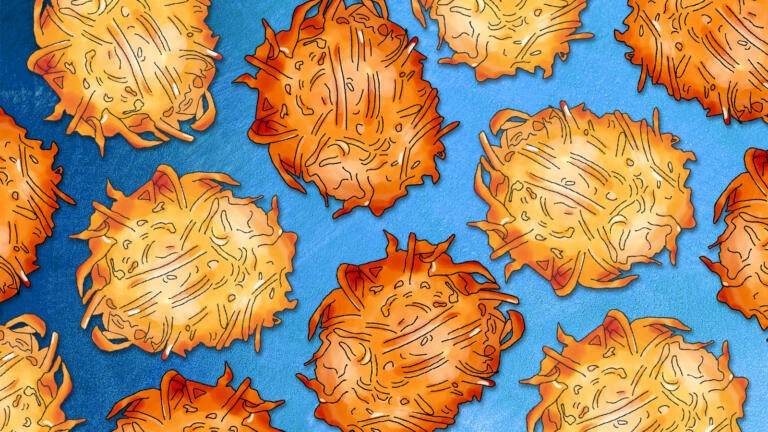
Do you love the crispy, golden perfection of latkes but often find yourself with more than you can eat at once? Worry not, because we’re here to show you how to freeze latkes without losing their delicious crunch.
Imagine having a stash of these savory treats ready to enjoy at a moment’s notice, perfectly preserved and just as tasty as when they were freshly made. By learning the secrets of freezing latkes, you can save time, reduce waste, and always have a batch on hand for unexpected guests or a quick snack.
Dive into this guide and discover how you can keep your latkes deliciously satisfying, ready to be enjoyed whenever the craving strikes.

Credit: smittenkitchen.com
Choosing The Right Potatoes
Choosing the right potatoes is key to making perfect latkes that freeze well. The texture and moisture content of the potato affect taste and crispiness. Some potatoes hold up better after freezing and reheating. Picking the best variety ensures your latkes stay delicious and firm.
Best Varieties For Latkes
Starchy potatoes work best for latkes. They create crispy edges and a fluffy inside. Russet potatoes are a top choice. Yukon Gold potatoes also work well. They have a creamy texture and hold shape nicely. Avoid waxy potatoes like red or new potatoes. They can make latkes soggy and dense.
Preparing Potatoes For Freezing
Peel and grate potatoes evenly for consistent cooking. Soak grated potatoes in cold water for 5 to 10 minutes. This removes extra starch and prevents browning. Drain and squeeze out all water using a clean towel. Dry potatoes freeze better and keep crispiness. Freeze latkes flat on a tray before storing in bags. This keeps them from sticking together.
Making Latkes For Freezing
Making latkes for freezing is a smart way to enjoy these crispy treats anytime without the hassle of starting from scratch. Preparing them correctly before freezing ensures they keep their flavor and texture. Let’s look at how you can make latkes that freeze well and taste fresh when reheated.
Optimal Size And Shape
Choosing the right size and shape for your latkes matters. Aim for medium-sized latkes, about 3 to 4 inches in diameter. This size helps them cook evenly and thaw quickly later on.
Flatten each latke to about half an inch thick. Thinner latkes tend to crisp up better after freezing and reheating. Thick patties might stay soggy or take longer to heat through.
Keeping a consistent shape also helps when stacking or packing them in the freezer. Have you noticed how irregular shapes can lead to uneven freezing and soggy spots? Stick to a uniform shape for best results.
Cooking Techniques Before Freezing
Cook your latkes fully before freezing, but avoid over-browning. Golden brown is perfect; too dark and the flavor can become bitter after reheating.
Drain excess oil by placing cooked latkes on paper towels. This step stops them from becoming greasy when frozen. I learned this the hard way after a batch turned out soggy from too much oil.
Cool latkes completely at room temperature before freezing. Wrapping warm latkes traps steam, leading to sogginess. Patience here pays off in crispy results later.
- Use parchment paper to separate layers when stacking latkes in a freezer-safe container.
- Label containers with the date to keep track of freshness.
- Freeze flat to maintain shape and make reheating easier.
Cooling And Preparing Latkes
Cooling and preparing latkes correctly is key to preserving their crispy texture and fresh flavor. Proper cooling prevents sogginess and helps maintain their quality before freezing. Taking time to prepare latkes well ensures they freeze without losing taste or texture.
Proper Cooling Methods
Place cooked latkes on a wire rack to cool. This allows air to circulate around them. Avoid stacking latkes while warm. Stacking traps steam, causing sogginess. Let latkes cool completely at room temperature. Cooling takes about 20 to 30 minutes. Use paper towels under the wire rack to catch any oil drips.
Avoiding Moisture Build-up
Moisture harms latkes during freezing. It causes ice crystals and soggy texture. Pat latkes dry gently with paper towels if oily. Do not cover latkes tightly while warm. Use loose foil or parchment paper to cover if needed. Store latkes in airtight containers or freezer bags. Remove as much air as possible before sealing. Label and freeze latkes in a single layer to keep shape and crispness.
Freezing Methods
Freezing latkes helps keep them fresh and ready for later meals. Proper freezing methods prevent sogginess and preserve taste. Two common ways work best: flash freezing and using freezer-safe containers. Each method ensures the latkes stay crispy and delicious.
Flash Freezing Process
Flash freezing stops latkes from sticking together. First, cook and cool the latkes completely. Then, place them in a single layer on a baking sheet. Make sure they do not touch each other. Put the sheet in the freezer for 1 to 2 hours. Once frozen solid, transfer the latkes to a freezer bag or container. This method keeps them separate and easy to remove one by one.
Using Freezer-safe Containers
Freezer-safe containers protect latkes from freezer burn. Choose containers that seal tightly. Layer latkes inside with parchment paper between each layer. This stops the latkes from sticking. Leave a small space at the top for expansion. Label the container with the date before freezing. These containers keep latkes fresh and maintain their texture.
Storing Latkes In The Freezer
Storing latkes in the freezer lets you enjoy this crispy treat long after the holiday season. Proper storage keeps their flavor fresh and texture just right for reheating. You’ll want to pay attention to how you package and label them, plus the freezer’s temperature to make the most of your latkes.
Labeling And Dating Tips
Always label your latkes before freezing. Use a permanent marker on freezer bags or containers to write the date and contents clearly.
This helps you track how long they’ve been stored and prevents mystery meals later on. Imagine reaching for a bag weeks later and knowing exactly what and when you froze it—no guesswork needed.
Try adding notes like “extra crispy” or “with onions” if you made different batches. This little step saves time and keeps your freezer organized.
Ideal Freezer Temperatures
Your freezer should be at or below 0°F (-18°C) to keep latkes fresh and safe to eat. Temperatures above this can cause freezer burn and affect taste and texture.
Check your freezer’s temperature with a freezer thermometer if you’re unsure. Keeping it steady prevents the latkes from becoming soggy or losing their crunch.
Have you ever reheated frozen food only to find it watery or bland? Proper freezing temperatures are the key to avoiding that disappointment with your latkes.

Credit: www.tasteofhome.com
Reheating Frozen Latkes
Reheating frozen latkes brings back their crispy texture and warm flavor. Proper reheating keeps them tasty and crunchy. Avoid soggy or dry latkes by using the right method.
Oven Reheating Techniques
Preheat your oven to 375°F (190°C). Place frozen latkes on a baking sheet. Use parchment paper to prevent sticking. Heat them for 10-15 minutes until hot and crisp. Flip halfway for even cooking. This method keeps latkes crispy without extra oil.
Skillet And Air Fryer Methods
Heat a non-stick skillet over medium heat. Add a small amount of oil. Fry frozen latkes for 3-4 minutes per side. This restores crunch and warmth quickly. For air fryer, preheat to 350°F (175°C). Arrange latkes in a single layer. Cook for 5-7 minutes, flipping once. Both ways give a crispy outside and soft inside.
Maintaining Crispiness
Maintaining the crispiness of latkes after freezing is a common challenge. The key lies in how you freeze and reheat them. Proper steps keep the outside crunchy and the inside tender. This section covers practical tips to keep latkes crispy and delicious.
Avoiding Sogginess
Start by cooling latkes completely before freezing. Warm latkes create steam, causing sogginess. Place latkes on a baking sheet in a single layer. Freeze until solid. Then stack with parchment paper between each latke to stop sticking.
When reheating, avoid covering latkes with foil or lids. Trapped moisture softens the crispy texture. Use an oven or air fryer to heat latkes. These tools help evaporate moisture quickly.
Best Oils For Reheating
Choose oils with a high smoke point for reheating latkes. These oils withstand heat without burning. Good options include:
- Canola oil
- Vegetable oil
- Peanut oil
- Sunflower oil
Lightly brush latkes with oil before reheating. This step restores the crisp outer layer. Avoid heavy oiling, which can make latkes greasy. Use just enough to enhance texture and flavor.
Troubleshooting Common Issues
Freezing latkes can save time and reduce waste. Yet, some common problems may arise. Knowing how to fix them keeps latkes tasty and fresh. Here are solutions for typical issues during freezing and reheating.
Latkes Sticking Together
Latkes often stick when stacked before freezing. This makes separation difficult and can damage them.
- Place latkes on a baking sheet in a single layer.
- Freeze until solid, about 1-2 hours.
- Transfer frozen latkes to a sealed bag or container.
- Add parchment paper between layers for extra protection.
This method stops latkes from sticking and keeps their shape intact.
Loss Of Flavor Or Texture
Latkes may lose flavor or become soggy after freezing. This happens if moisture builds up or they are not stored well.
- Cool latkes completely before freezing to avoid steam.
- Use airtight containers or freezer bags to block moisture.
- Reheat in a hot oven or skillet for crispiness.
- Do not thaw latkes before reheating; cook from frozen.
These tips preserve the original taste and crunch of latkes.

Credit: smittenkitchen.com
Frequently Asked Questions
How Do You Freeze Cooked Latkes Properly?
Allow latkes to cool completely before freezing. Place them in a single layer on a baking sheet. Freeze until firm, then transfer to a sealed freezer bag. This method prevents sticking and preserves their texture and flavor.
Can You Freeze Latkes Without Cooking Them First?
Yes, you can freeze uncooked latke batter. Scoop portions onto a parchment-lined tray. Freeze until solid, then store in an airtight container. Cook directly from frozen for best results.
How Long Do Frozen Latkes Last In The Freezer?
Frozen latkes maintain their best quality for up to 3 months. Beyond this, they may lose flavor and texture. Always store in airtight containers to prevent freezer burn.
What Is The Best Way To Reheat Frozen Latkes?
Reheat frozen latkes in a preheated oven at 375°F (190°C) for 10-15 minutes. Flip halfway through for even crispiness. Avoid microwaving to keep them crunchy.
Conclusion
Freezing latkes saves time and reduces waste. Cool them completely before freezing. Store in airtight containers or freezer bags. Label with the date for easy tracking. Reheat in the oven for best taste. Enjoy crispy latkes anytime you want. Simple steps keep them fresh and delicious.
Try freezing to enjoy latkes later. Easy, quick, and convenient for busy days.