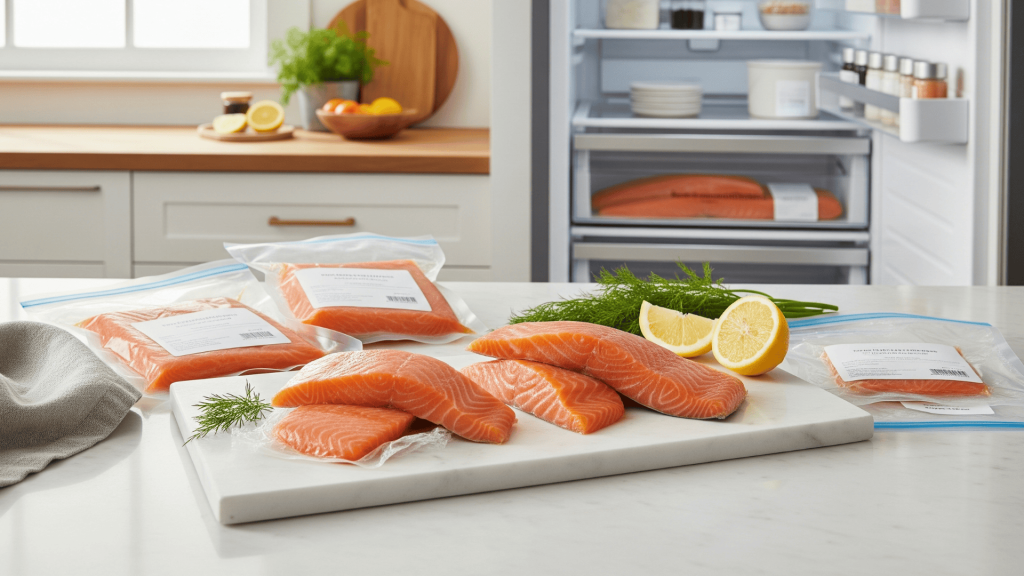
Are you tired of wasting fresh salmon because you can’t finish it in time? Imagine being able to enjoy its delicious taste anytime you want, without the pressure of a looming expiration date.
Freezing raw salmon can be your game-changer, saving you time, money, and stress. In this guide, you’ll discover the simple yet effective steps to freeze raw salmon while preserving its flavor and texture. Whether you’re a seasoned chef or a home cook, mastering this skill will transform your culinary adventures.
Dive in to learn how you can effortlessly extend the life of your salmon and savor its freshness whenever you please.
Choosing Fresh Salmon
Choosing fresh salmon is the foundation of freezing raw fish that tastes great later. The quality of your salmon directly affects the texture and flavor after freezing. Knowing what to look for can save you from disappointment and wasted money.
Selecting Quality Fillets
Look for fillets that have a vibrant, natural color—usually a deep pink or rich orange depending on the species. Avoid fillets with brown spots or dull, faded areas as these indicate aging or poor handling.
The flesh should be firm and spring back quickly when pressed. If it feels mushy or leaves an indentation, the salmon isn’t fresh enough to freeze well. Also, choose fillets with intact skin and minimal liquid pooling around them to ensure freshness.
Identifying Freshness Indicators
Fresh salmon has a mild, clean scent similar to the ocean. A strong fishy or sour smell means the fish is past its prime. Trust your nose—if the salmon smells off, it won’t improve in the freezer.
Check the moisture on the surface; it should be slightly moist but not slimy or sticky. Sliminess signals bacterial growth, which will only worsen after freezing. You can also check for bright, clear eyes and shiny skin if the fish is whole.
Have you ever bought salmon that seemed fine but tasted off after freezing? That often happens because the fish wasn’t fresh enough to begin with. Picking the freshest salmon sets you up for success every time you freeze raw fish.

Credit: www.northcoastseafoods.com
Preparing Salmon For Freezing
Preparing salmon for freezing is the foundation of keeping its quality intact. How you handle the fish before freezing directly affects texture, flavor, and shelf life. Taking a few careful steps now will save you from disappointing meals later.
Cleaning And Trimming
Start by rinsing the salmon under cold water to remove any surface debris. Pat it dry with paper towels to reduce ice crystals during freezing.
Remove any dark spots or bloodlines, as these can turn bitter after freezing. Trim off fins and any remaining bones you can feel with your fingers. This helps prevent unexpected crunches and improves your eating experience.
Have you noticed how even a small leftover bone can ruin a bite? Taking a moment here makes all the difference.
Portioning For Convenience
Think about how you usually cook salmon. Do you prefer single servings or larger pieces for sharing? Cut the fish into portions that suit your typical meals.
Smaller pieces freeze and thaw more evenly, so avoid freezing one big chunk unless you plan to use it all at once. Wrap each portion tightly in plastic wrap or aluminum foil to protect against freezer burn.
Label each package with the date and portion size. This simple habit helps you keep track and rotate your stock efficiently. What’s your go-to portion size for salmon dishes? Adjust your cuts accordingly to save time later.
Packing Methods
Packing raw salmon properly before freezing is key to maintaining its freshness and flavor. The way you pack it affects how well it freezes and how long it stays good in your freezer. Let’s look at effective packing methods that preserve your salmon’s quality and make it easy to store.
Using Vacuum Sealing
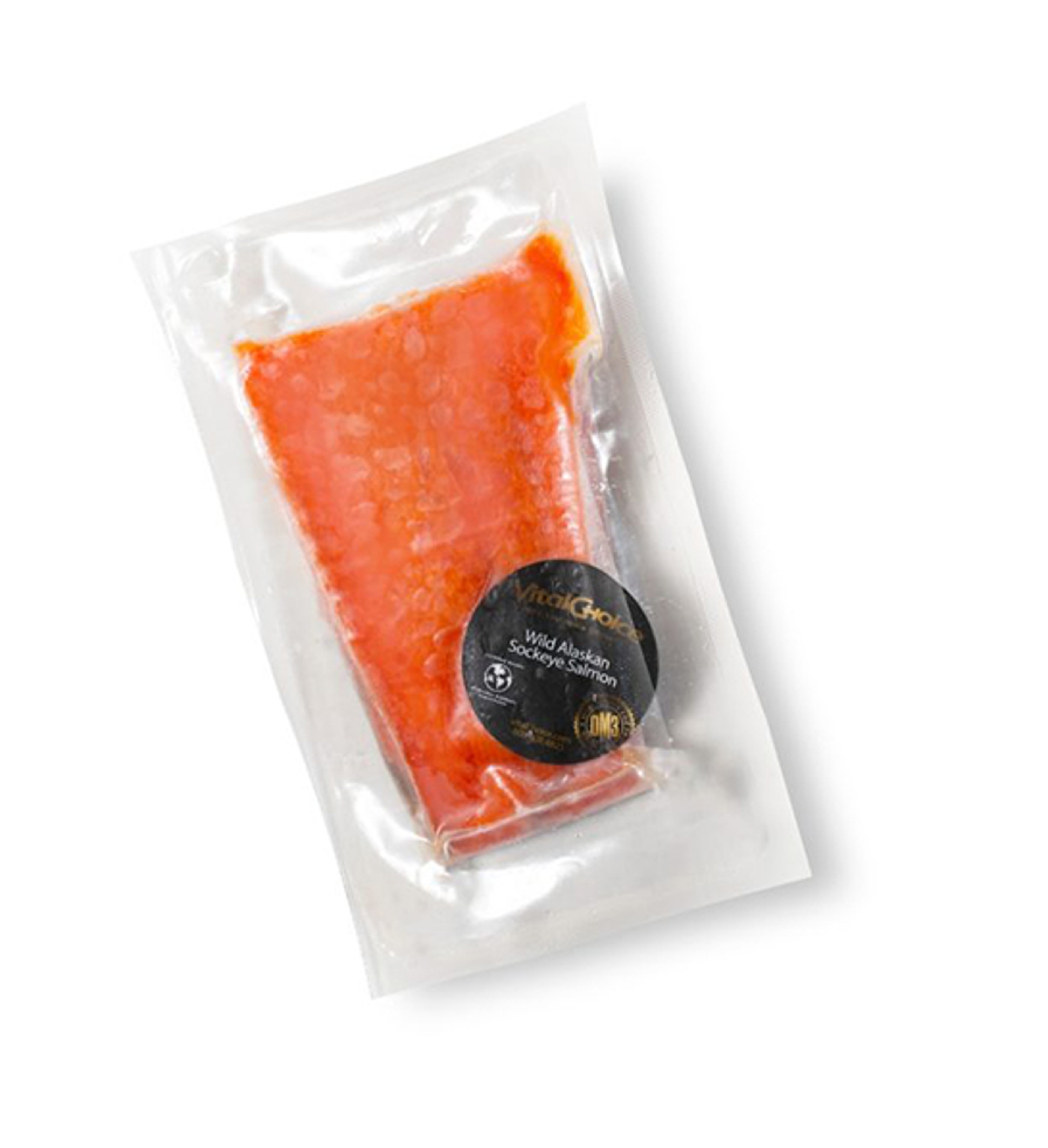
Vacuum sealing removes air from the packaging, which helps prevent freezer burn and keeps the salmon fresh longer. If you have a vacuum sealer, it’s the best way to pack your salmon because it tightly seals the fish in an airtight bag.
I once vacuum sealed a whole side of salmon, and after three months in the freezer, it tasted as fresh as the day I packed it. The tight seal also stops odors from escaping and affecting other food in your freezer.
If you don’t own a vacuum sealer, consider borrowing one or investing in a small, affordable model if you freeze fish often. It’s worth it for the quality you preserve.
Alternatives To Vacuum Sealing
If vacuum sealing isn’t an option, don’t worry. You can still pack salmon well using other methods. Wrap the salmon tightly in plastic wrap first, ensuring no gaps or air pockets.
After wrapping, place the salmon in a resealable freezer bag. Press out as much air as possible before sealing. You might also double-wrap by adding a layer of aluminum foil or freezer paper for extra protection.
Have you tried freezing salmon in glass containers? They work well, but make sure to leave some space for expansion to avoid cracking.
Labeling And Dating
Labeling your salmon packages is a simple step that saves a lot of guesswork later. Use a permanent marker to write the date and type of fish on the bag or container.
Keeping track of when you froze your salmon helps you use the oldest fish first and avoid waste. Have you noticed how easy it is to forget when food was packed without a label?
Try sticking a small piece of masking tape on the package if you don’t have freezer labels. Just make sure the writing won’t rub off over time.

Credit: fishingbooker.com
Freezing Techniques
Freezing raw salmon correctly helps keep its freshness and taste. Using the right freezing techniques prevents freezer burn and texture loss. The goal is to freeze the fish fast and store it safely for later use.
Optimal Freezer Settings
Set your freezer to a temperature at or below 0°F (-18°C). This temperature keeps salmon fresh longer and slows bacterial growth. Avoid frequent opening of the freezer door to maintain a steady cold environment.
Organize salmon pieces in a single layer before freezing. This helps the cold air circulate evenly and freeze the fish faster. Use airtight containers or vacuum-sealed bags to protect the salmon from air and moisture.
Flash Freezing Tips
Flash freezing preserves the quality and texture of raw salmon better than slow freezing. Lay salmon fillets on a baking sheet lined with parchment paper. Make sure pieces do not touch each other.
Place the baking sheet in the coldest part of the freezer. Freeze the salmon for 1 to 2 hours until solid. After flash freezing, transfer the fish into vacuum-sealed bags or airtight containers. This method prevents the fillets from sticking together.
Storing Frozen Salmon
Storing frozen salmon correctly keeps it fresh and tasty for longer. Proper storage stops the fish from losing quality and flavor. It also helps prevent freezer burn, which can ruin the texture and taste. Use the right containers and wrap the salmon tightly to protect it from air exposure. Label each package with the date to track freshness. Keep your freezer at a steady temperature of 0°F (-18°C) or lower. This ensures the salmon stays safe and maintains its best quality.
Recommended Storage Duration
Frozen salmon stays best for about 2 to 3 months. After this time, the flavor and texture may start to degrade. For the best taste, use the salmon within this period. If stored longer, it is still safe but may become dry or less flavorful. Always check for any strange smells or color changes after thawing. These signs mean the fish is no longer good to eat.
Avoiding Freezer Burn
Freezer burn happens when air dries out the salmon’s surface. It causes tough, dry patches that taste bad. Prevent freezer burn by wrapping the fish tightly in plastic wrap or aluminum foil. Place the wrapped salmon inside a freezer bag and squeeze out all air before sealing. Vacuum-sealing is the best way to keep air away. Store salmon in the coldest part of the freezer, not near the door. Avoid opening the freezer often to keep temperature steady.
Credit: www.vitalchoice.com
Thawing For Best Results
Thawing raw salmon properly is essential to enjoy its fresh taste and smooth texture. How you thaw it can make a big difference between a delicious meal and a disappointing one. Let’s look at ways to thaw salmon safely while keeping its flavor intact.
Safe Thawing Methods
Safety should always be your top priority when thawing salmon. Bacteria can grow quickly if the fish is left out at room temperature for too long.
- Refrigerator Thawing:Place your salmon on a plate and leave it in the fridge overnight. This slow thaw keeps the fish at a safe temperature and preserves its freshness.
- Cold Water Thawing:Seal the salmon in a waterproof bag and submerge it in cold water. Change the water every 30 minutes until it’s thawed, usually within an hour or two.
- Microwave Thawing:Use the defrost setting on your microwave carefully. Watch closely to avoid cooking the edges, which can ruin the texture.
Have you noticed how thawing salmon in the fridge often results in better taste compared to rushing the process? That’s because slow thawing helps maintain the fish’s natural juices and flavor.
Maintaining Texture And Flavor
After thawing, salmon can sometimes feel mushy or lose its fresh taste. Avoid this by handling it gently and cooking it soon after thawing.
- Pat Dry:Use a paper towel to remove excess moisture. This helps the salmon sear better and keeps the texture firm.
- Cook Promptly:Don’t leave thawed salmon sitting around. The fresher it is when cooked, the better the flavor and texture.
- Use Marinades Wisely:Acidic marinades can break down the fish if left too long. Marinate for just 15-30 minutes to enhance flavor without damaging the texture.
What’s your experience with thawed salmon? Have you ever noticed a big difference in taste when thawing it different ways? Paying attention to these details can turn your salmon dishes from good to great.
Frequently Asked Questions
How Long Can You Freeze Raw Salmon Safely?
Raw salmon can be frozen for up to 3 months. Beyond that, quality and flavor may decline. Always store it properly to maintain freshness and prevent freezer burn.
What Is The Best Way To Wrap Raw Salmon For Freezing?
Wrap salmon tightly in plastic wrap or aluminum foil. Then place it in an airtight freezer bag. Removing excess air prevents freezer burn and preserves texture.
Should Raw Salmon Be Frozen With Skin On Or Off?
Freezing salmon with the skin on helps retain moisture. It protects the flesh during freezing and thawing, ensuring better texture and flavor when cooked.
How Do You Thaw Frozen Raw Salmon Safely?
Thaw salmon in the refrigerator overnight. This slow thawing keeps it safe and maintains quality. Avoid thawing at room temperature to prevent bacterial growth.
Conclusion
Freezing raw salmon keeps it fresh and tasty for longer. Always wrap it well to avoid freezer burn. Label the package with the date before freezing. Store salmon at the right temperature for best results. Thaw it slowly in the fridge to keep its texture.
Follow these steps to enjoy salmon anytime you want. Simple and careful freezing helps reduce food waste. Now, you can save salmon safely and cook it later.