
Have you ever found yourself with leftover ribs and wondered what to do with them? You’re not alone!
Figuring out how to preserve that smoky, tender goodness for later can seem tricky. But don’t worry—freezing ribs is a simple solution that keeps them tasty and fresh. Imagine biting into those flavorful ribs, even weeks after they’ve been cooked.
Sounds amazing, right? In this guide, we’ll show you exactly how to freeze ribs effectively, so you can enjoy them just as much the second time around. Get ready to discover the secret to locking in flavor and freshness, ensuring that every bite is as delicious as the first. Keep reading to learn the steps that will transform your leftovers into future feasts.
Choosing The Right Ribs
Choosing the right ribs is key before freezing. It affects taste and texture after thawing. Not all ribs freeze equally well. Quality and type matter a lot. Picking the perfect ribs saves time and avoids waste.
Types Of Ribs To Freeze
Several rib cuts freeze well. Baby back ribs are lean and tender. Spare ribs have more fat and flavor. St. Louis style ribs are trimmed spare ribs, easy to store. Country-style ribs come from the shoulder, meatier and thicker. Each type varies in fat, size, and texture.
- Baby back ribs: lean, quick cooking
- Spare ribs: fatty, rich flavor
- St. Louis style ribs: trimmed, uniform shape
- Country-style ribs: meaty, thick cuts
Choose ribs based on your cooking plan and freezer space.
Selecting Fresh Ribs
Freshness impacts frozen rib quality. Look for ribs with a bright red color. Avoid any slimy or dry edges. The meat should feel firm and moist. Smell the ribs; fresh ones have a mild scent. Check packaging for no tears or leaks. Always buy ribs from trusted sources.
Preparing Ribs For Freezing
Freezing ribs is a smart way to save time and enjoy delicious meals later. But before you pop them into the freezer, proper preparation matters. Taking a few extra minutes to clean and season your ribs can make a big difference in taste and texture once thawed.
Trimming And Cleaning
Start by removing any excess fat and silver skin from the ribs. This thin, silvery membrane can make ribs tough if left on. Use a sharp knife to gently lift and peel it away.
Rinse the ribs under cold water to wash off any bone fragments or loose bits. Pat them dry with paper towels—moisture can cause ice crystals that affect texture. Have you noticed how ribs taste better when trimmed properly? It’s because you’re cutting out parts that don’t add value.
Seasoning Before Freezing
Applying seasoning before freezing locks in flavor and saves time later. Use a dry rub with your favorite spices—salt, pepper, paprika, garlic powder, and brown sugar work well. Avoid wet marinades as they can change texture during freezing.
Spread the rub evenly on both sides, pressing it gently into the meat. This allows the flavors to soak in while the ribs freeze. Think about how seasoning upfront means less prep when you’re ready to cook. Why wait to add flavor after thawing when you can do it now?
Packaging Methods
Proper packaging is key to freezing ribs and keeping their flavor. It stops air and moisture from damaging the meat. Good packaging also avoids freezer burn and preserves taste and texture. Choose the right way to pack ribs before freezing for best results.
Using Airtight Containers
Airtight containers protect ribs from air exposure. Use plastic or glass containers with tight lids. Place ribs inside without overcrowding. Leave some space to close the lid easily. These containers help keep ribs fresh for weeks. They also prevent spills and odors in the freezer.
Vacuum Sealing Tips
Vacuum sealing removes all air around ribs. This method extends freezer life and locks in flavor. Use a vacuum sealer machine and bags made for freezing. Cut large ribs into smaller portions before sealing. Make sure the seal is strong and airtight. Label the bag with date and content. Vacuum sealing is best for long-term storage.
Wrapping With Foil Or Plastic
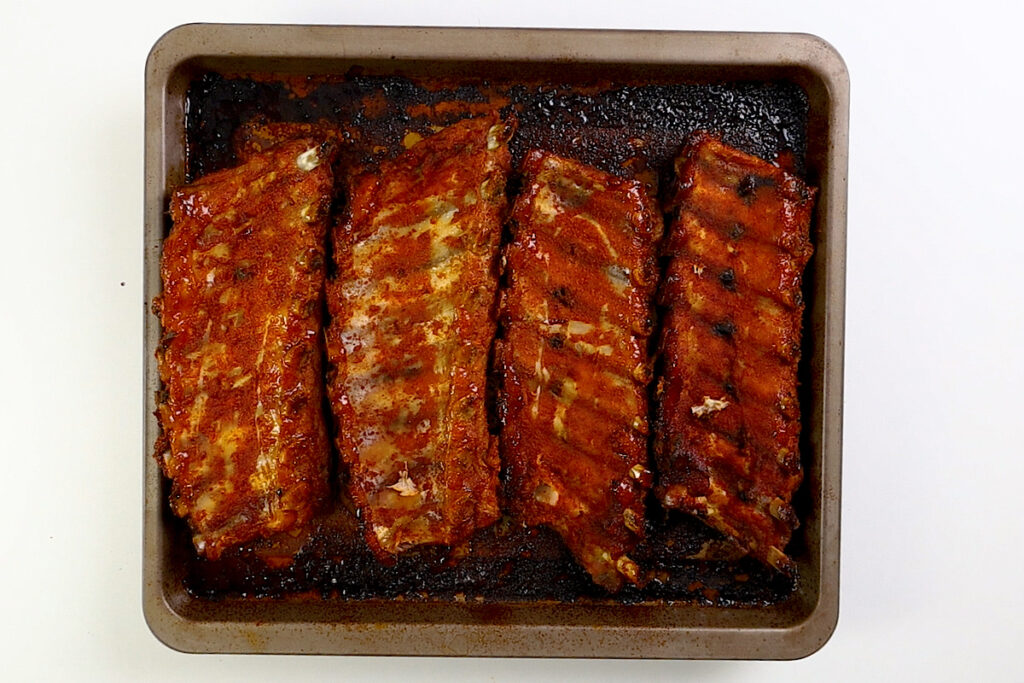
Wrapping ribs tightly in foil or plastic wrap helps keep moisture in. Use heavy-duty aluminum foil or thick plastic wrap. Wrap ribs in a tight, even layer to avoid air pockets. For extra protection, wrap ribs twice—first in plastic wrap, then in foil. This prevents freezer burn and keeps ribs juicy. Always label the wrapped ribs with the freezing date.
Credit: www.errenskitchen.com
Freezing Techniques
Freezing ribs is a smart way to enjoy your favorite meal later without losing its rich flavor and tenderness. But freezing isn’t just about tossing ribs into the freezer; the technique you use can make all the difference in taste and texture. Paying attention to details like temperature and storage time ensures your ribs stay mouthwatering when you thaw and cook them.
Ideal Freezer Temperature
Keeping your freezer at the right temperature is crucial for preserving ribs. The ideal temperature is 0°F (-18°C) or lower. At this temperature, bacteria growth stops, and the ribs maintain their quality for longer.
Have you ever noticed freezer burn on your meat? That’s often because the freezer isn’t cold enough or the ribs weren’t wrapped properly. To avoid this, double-wrap your ribs in plastic wrap and then place them in a heavy-duty freezer bag or airtight container.
Storing Duration For Best Flavor
How long you freeze ribs impacts their taste. For the best flavor and texture, try to use frozen ribs within 3 to 6 months. Beyond this, the meat may dry out or develop off-flavors.
Mark the date on your packaging as soon as you freeze the ribs. This simple step helps you track freshness and prevents unpleasant surprises. Do you prefer cooking ribs straight from the freezer or after thawing slowly in the fridge? Both methods work, but thawing in the fridge preserves juiciness better.
Thawing Ribs Safely
Thawing ribs safely is crucial to keeping your meal both delicious and healthy. Improper thawing can lead to bacteria growth, which spoils the flavor and poses health risks. Understanding the best ways to thaw ribs ensures you enjoy tender, juicy meat without compromising safety.
Refrigerator Thawing
Refrigerator thawing is the safest way to defrost ribs. Place your frozen ribs on a plate or tray to catch any drips and leave them in the fridge for 24 to 48 hours, depending on the size. This slow thaw keeps the meat at a safe temperature, reducing the risk of bacteria growth.
One time, I left ribs in the fridge overnight, and the next day they were perfectly thawed and ready for seasoning. It’s hands-off and reliable, but it does require planning ahead. Have you ever had to rush dinner because you forgot to thaw in advance?
Cold Water Method
If you need ribs thawed faster, the cold water method works well. Seal your ribs tightly in a leak-proof plastic bag, then submerge them in cold water. Change the water every 30 minutes to keep it cold, and the ribs should thaw within a few hours.
This method demands more attention but cuts down thawing time significantly. Just remember, never use warm or hot water—it can encourage bacteria growth. How often do you find yourself needing to speed up the thawing process?
Avoiding Room Temperature Thawing
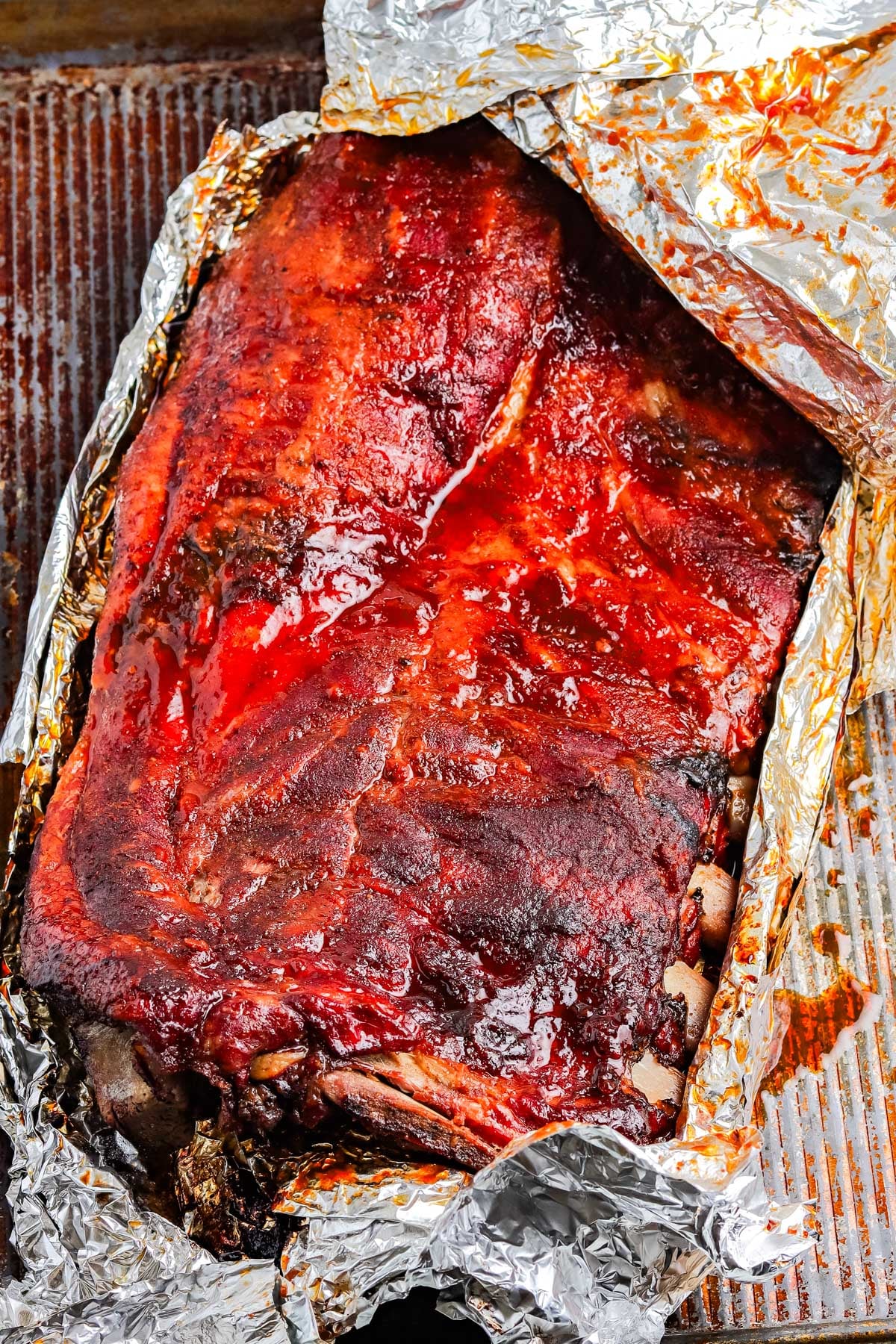
Thawing ribs at room temperature might seem convenient, but it’s risky. Leaving meat out on the counter allows the surface to reach unsafe temperatures while the inside remains frozen. This can cause harmful bacteria to multiply rapidly.
I once tried thawing ribs on the kitchen counter and ended up with uneven thawing and a slightly off taste. It’s better to avoid this shortcut entirely. Would you risk your health for a few minutes of convenience?
Credit: foodfolksandfun.net
Cooking Frozen Ribs
Cooking frozen ribs is easy with the right approach. You do not need to thaw them fully before cooking. Proper cooking ensures the ribs stay juicy and tender. Follow simple tips to get the best results from frozen ribs.
Adjusting Cooking Times
Frozen ribs take longer to cook than fresh ribs. Add about 50% more cooking time to the recipe. For example, if ribs cook for 1 hour fresh, cook for 1.5 hours frozen. Use a meat thermometer to check doneness. The internal temperature should reach 145°F for safe eating. Rest the ribs after cooking for 10 minutes. This helps the juices settle and improves flavor.
Best Cooking Methods
Choose cooking methods that allow slow, even heat. These methods help ribs cook through without drying out.
- Oven baking:Wrap ribs in foil to keep moisture. Bake at 275°F to 300°F for best results.
- Slow cooking:Use a slow cooker to cook ribs gently. Set on low for 6 to 8 hours.
- Grilling:Use indirect heat on the grill. Keep the lid closed to trap heat.
- Pressure cooking:A pressure cooker can reduce cooking time. Use the meat setting for tender ribs.
Each method works well with frozen ribs. Choose based on your available equipment and time.
Tips For Maintaining Flavor
Freezing ribs is a great way to save time and reduce waste. Maintaining their flavor after freezing takes some care. Proper steps keep the ribs juicy and tasty. Small actions make a big difference in flavor retention.
Marinating After Thawing
Marinating ribs after thawing helps restore flavor. The meat absorbs spices and moisture well at this stage. Use a marinade with your favorite herbs and spices. Let the ribs soak for at least 30 minutes. Avoid salty marinades before freezing to prevent drying out. Fresh marinade boosts taste and tenderness.
Avoiding Freezer Burn
Freezer burn ruins flavor and texture of ribs. It happens when air reaches the meat’s surface. Wrap ribs tightly in plastic wrap first. Then place them in a heavy-duty freezer bag. Remove as much air as possible before sealing. Label the package with the date for quick use. Freeze ribs quickly to keep moisture locked in.

Credit: refirekitchen.ca
Frequently Asked Questions
How Long Can You Freeze Ribs Safely?
You can freeze ribs for up to 6 months. Beyond this, quality and taste may decline. Always wrap them tightly to avoid freezer burn.
Should Ribs Be Cooked Before Freezing?
It’s best to freeze ribs raw or after partial cooking. Fully cooked ribs freeze well but may lose some moisture upon reheating.
What Is The Best Way To Wrap Ribs For Freezing?
Wrap ribs tightly in plastic wrap, then aluminum foil. This double layer prevents freezer burn and preserves flavor and texture.
How Do You Thaw Frozen Ribs Properly?
Thaw ribs in the refrigerator overnight. Avoid thawing at room temperature to prevent bacterial growth. For quicker thawing, use the microwave or cold water bath.
Conclusion
Freezing ribs keeps them fresh and tasty for longer. Wrap them tightly in plastic wrap or foil to avoid freezer burn. Label the package with the date to track storage time. Thaw ribs slowly in the fridge before cooking for best results.
This method saves time and reduces food waste. Enjoy delicious ribs anytime with simple freezing steps. Try it today and keep your meals easy and flavorful.