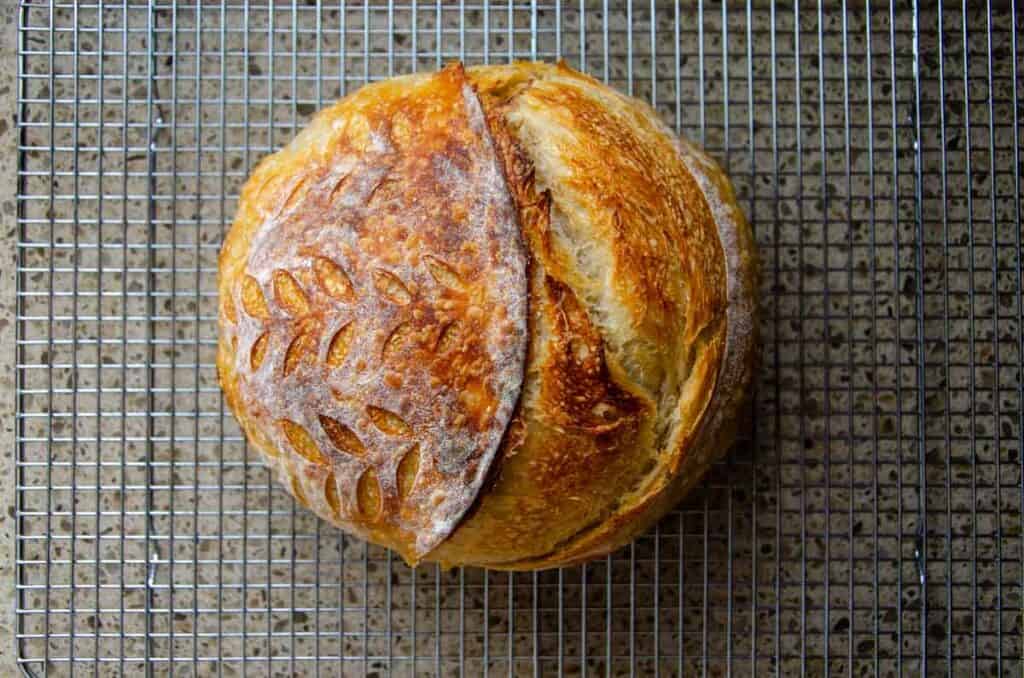
Imagine this: you’ve just baked the perfect sourdough loaf, and your kitchen is filled with the irresistible aroma of fresh bread. But what if you can’t finish it all at once?
Don’t let your hard work go to waste! Learning how to freeze your sourdough loaf can be a game-changer for preserving its flavor and texture. In this guide, you’ll discover the secrets to keeping your sourdough as fresh as the day it was baked.
Whether you’re a seasoned baker or just getting started with sourdough, these simple steps will ensure your bread remains delicious for days, or even weeks. Keep reading to find out how you can enjoy every slice of your homemade sourdough, without the rush to consume it all at once.
Choosing The Right Sourdough Loaf
Choosing the right sourdough loaf is key before freezing. Not all sourdough breads freeze well. Picking the best type ensures taste and texture stay fresh after thawing.
Best Bread Types For Freezing
Some sourdough loaves hold up better in the freezer. Look for these types:
- Classic sourdough with a thick, hard crust
- Country-style sourdough with a dense crumb
- Rustic sourdough with a chewy texture
Loaves with soft or airy crumbs may lose texture. Dense breads freeze and thaw with less damage.
Signs Of Freshness Before Freezing
Freeze only fresh sourdough for best results. Check for these signs:
- Crust is crisp, not soggy or soft
- Loaf feels firm and springy when pressed
- No signs of mold or off smells
- Crumb is moist but not wet or dry
A fresh loaf locks in flavor and texture during freezing. Avoid freezing stale or old bread to prevent poor taste.

Credit: www.kimecopak.ca
Preparing Your Loaf For Freezing
Preparing your sourdough loaf for freezing helps keep its freshness and flavor. Proper preparation stops ice crystals from forming and protects the bread’s texture. Taking time at this stage makes thawing easier later.
Cooling Completely
Let your sourdough cool fully at room temperature. Warm bread traps moisture and causes sogginess in the freezer. Cool for at least two hours or until the crust feels firm. This step preserves the crust’s crispness and crumb’s structure.
Slicing Vs. Whole Loaf
Decide whether to freeze the loaf whole or in slices. Whole loaves keep moisture better but take longer to thaw. Sliced bread freezes faster and allows you to take out only what you need.
- If slicing, cut the bread evenly with a serrated knife.
- Wrap slices in parchment paper to prevent sticking.
- Place slices in airtight freezer bags or containers.
- For whole loaves, wrap tightly in plastic wrap, then foil.
Packaging Techniques
Packaging your sourdough loaf correctly before freezing is key to preserving its texture and flavor. The right techniques protect the bread from freezer burn and keep it tasting fresh when you thaw it. Let’s look at how you can use the best materials and sealing methods to lock in that just-baked quality.
Wrapping Materials
Choose wrapping materials that create a strong barrier against air and moisture. Plastic wrap is a top choice because it clings tightly to the bread, preventing freezer burn. You can also use aluminum foil as a second layer for extra protection.
Some people prefer reusable silicone bags, which are eco-friendly and seal well. However, make sure the bag fits snugly around the loaf to avoid air pockets. Paper bags alone don’t work well since they let in air and moisture, leading to stale bread.
Sealing For Freshness
After wrapping your loaf, sealing it tightly is crucial. Use twist ties, rubber bands, or freezer-safe clips to close the packaging securely. If you use a freezer bag, press out as much air as possible before sealing.
Have you ever noticed freezer burn ruining a loaf you carefully saved? That usually happens when air sneaks in. Think about investing in a vacuum sealer if you freeze bread often—it removes all air and keeps your sourdough fresh for months.

Credit: www.reddit.com
Freezing Process
Freezing sourdough bread preserves its fresh taste and texture for later use. The process requires careful handling to keep the loaf moist and flavorful. Proper freezing stops mold and keeps the bread safe for weeks. Follow simple steps to freeze your sourdough perfectly.
Ideal Freezer Temperature
Keep your freezer at or below 0°F (-18°C) for best results. This temperature stops bacteria growth and maintains bread quality. Avoid temperature changes that cause frost and freezer burn. Use a reliable freezer thermometer to check the temperature often.
Storing Duration
Store sourdough in the freezer for up to three months. Beyond this, the bread may lose flavor and texture. Wrap the loaf tightly in plastic wrap or foil to protect it. Place the wrapped bread in a sealed freezer bag to prevent freezer odors. Label the bag with the freezing date for easy tracking.
Thawing Methods
Thawing your frozen sourdough loaf correctly can make a big difference in taste and texture. The right approach ensures your bread tastes fresh and maintains its signature crust and crumb. Let’s look at simple ways to bring your sourdough back to life.
Room Temperature Thawing
Place your frozen loaf on the counter and let it thaw naturally. This usually takes about 2 to 3 hours depending on the size of the loaf.
Keep the bread wrapped in its packaging or a clean kitchen towel to avoid drying out. This gentle thawing method helps preserve the bread’s moisture and soft crumb.
Have you noticed how rushing thawing can make your bread tough or crumbly? Give your sourdough the time it needs to regain its perfect texture.
Oven Reheating Tips
For a warm, crispy crust, pop your thawed or partially thawed loaf into a preheated oven at 350°F (175°C) for 10 to 15 minutes.
If the bread is still frozen, wrap it in foil to prevent burning and heat for about 20 minutes. Remove the foil in the last 5 minutes to crisp up the crust.
This quick oven trick revives the aroma and crunch of freshly baked sourdough. Have you tried heating your bread this way to bring back that bakery-fresh feeling?

Credit: www.kimecopak.ca
Avoiding Common Mistakes
Freezing sourdough can save you time and reduce waste, but it’s easy to make mistakes that affect flavor and texture. Avoiding common pitfalls ensures your loaf tastes fresh even after weeks in the freezer. Let’s look at key areas where many get tripped up and how you can prevent those issues.
Preventing Freezer Burn
Freezer burn is the enemy of your sourdough’s quality. It happens when air reaches the bread, drying it out and causing off flavors.
Wrap your loaf tightly in plastic wrap first. Then add a layer of aluminum foil or place it in an airtight freezer bag to block out air completely.
- Remove as much air as possible before sealing.
- Label the package with the date to track storage time.
- Freeze the loaf quickly to reduce ice crystal formation.
Have you ever found your bread tasting stale or freezer-burned after thawing? That’s usually a sign it wasn’t sealed well enough. Taking a few extra seconds to wrap it properly makes a big difference.
Maintaining Crust Quality
The crust on sourdough is what many people love most, but freezing can make it soggy or tough.
To protect the crust, cool the loaf completely before freezing. Warm bread traps moisture and causes sogginess.
Slice the loaf before freezing if you want convenience, but if you prefer a crusty exterior, freeze the whole loaf instead.
- Toast slices after thawing to restore crispness.
- Reheat whole loaves in the oven at 350°F (175°C) for 10-15 minutes.
- Avoid thawing bread in plastic wrap to keep the crust from getting soft.
Have you noticed how reheating bread brings back some of that fresh-baked feeling? It’s a simple trick that many skip, but it’s worth the effort to enjoy your sourdough at its best.
Creative Uses For Frozen Sourdough
Freezing sourdough is not just about preserving bread; it’s about keeping your options open for quick, delicious meals. Once thawed, frozen sourdough can transform everyday dishes and add a unique twist to your kitchen routine. Let’s look at some creative ways to make the most out of your frozen sourdough loaf.
Toast And Sandwich Ideas
Frozen sourdough slices toast up beautifully, regaining their crispness quickly. You can enjoy them plain with butter or honey for a simple snack.
Try these sandwich ideas to elevate your lunch:
- Avocado and Tomato:Add ripe avocado, fresh tomato slices, and a sprinkle of salt and pepper. The tangy sourdough balances the creamy avocado perfectly.
- Grilled Cheese Upgrade:Layer sharp cheddar, caramelized onions, and a few slices of apple for a sweet-savory twist.
- Classic BLT:Use thick sourdough slices to hold crispy bacon, lettuce, and juicy tomatoes. The sturdy bread keeps everything intact.
Have you ever noticed how the tang of sourdough adds depth to simple toppings? Experiment with your favorite ingredients and watch your sandwiches come alive.
Using Leftover Bread
Frozen sourdough isn’t just for toasting; leftover slices can be repurposed into exciting dishes.
Consider these ideas:
- Croutons:Cube thawed sourdough, toss with olive oil and herbs, then bake until golden. They add crunch and flavor to salads and soups.
- Breadcrumbs:Pulse dried sourdough in a food processor for homemade breadcrumbs. Use them in meatballs, coatings, or as a topping for casseroles.
- Bread Pudding:Soak chunks of sourdough in a mixture of eggs, milk, and cinnamon. Bake for a comforting dessert or breakfast treat.
What’s your favorite way to avoid wasting bread? Using frozen sourdough creatively can save you money and reduce food waste, all while adding tasty variety to your meals.
Frequently Asked Questions
How Do You Properly Freeze A Sourdough Loaf?
To freeze a sourdough loaf, first cool it completely. Wrap it tightly in plastic wrap, then aluminum foil. Place it in a freezer-safe bag. Store in the freezer for up to three months to maintain freshness and flavor.
Can You Freeze Sourdough Bread Without Slicing It?
Yes, you can freeze sourdough bread whole. Wrapping the loaf tightly prevents freezer burn. Slice it after thawing to keep the bread moist and fresh longer.
How Long Can Sourdough Bread Stay Frozen?
Sourdough bread stays fresh in the freezer for three months. Beyond this, texture and flavor may decline. Proper wrapping helps maintain quality during storage.
What’s The Best Way To Thaw Frozen Sourdough?
Thaw sourdough at room temperature wrapped in foil. This keeps the crust crisp and crumb soft. Avoid microwaving as it may dry out the bread.
Conclusion
Freezing sourdough bread keeps it fresh for longer. Wrap the loaf tightly in plastic wrap or foil. Place it inside a sealed freezer bag to avoid freezer burn. When ready, thaw the bread at room temperature. Warm it in the oven for a fresh taste.
This simple process saves time and reduces waste. Enjoy your sourdough anytime without rushing to finish it. Easy, practical, and effective. Give it a try and keep your bread fresh longer.