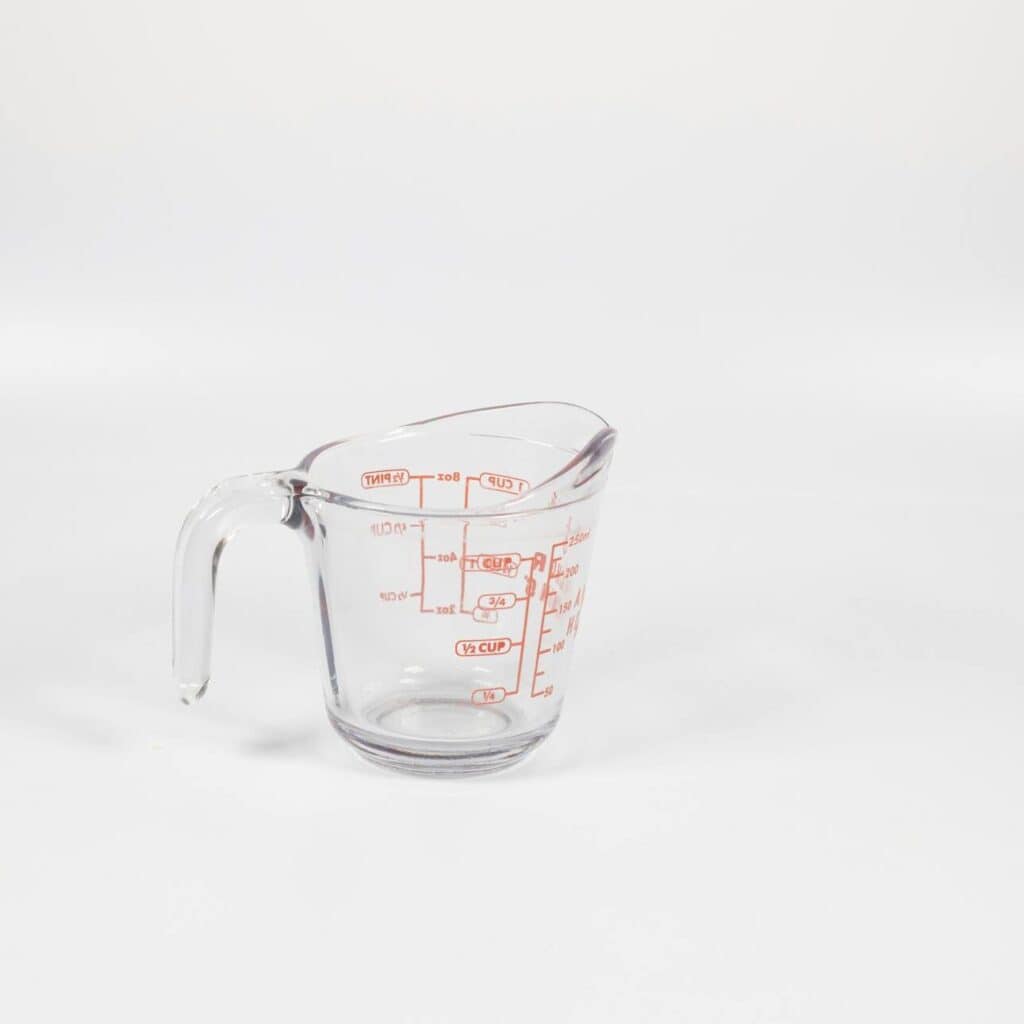
Have you ever started a recipe and realized you don’t have a 2/3 cup measuring cup? It’s frustrating when you’re in the middle of cooking or baking and missing the right tool.
But don’t worry—you can still measure 2/3 cup accurately without a special cup. You’ll discover simple tricks and easy methods to get the exact amount you need using things you already have at home. Keep reading, and you’ll never have to pause a recipe again because of missing measuring cups!
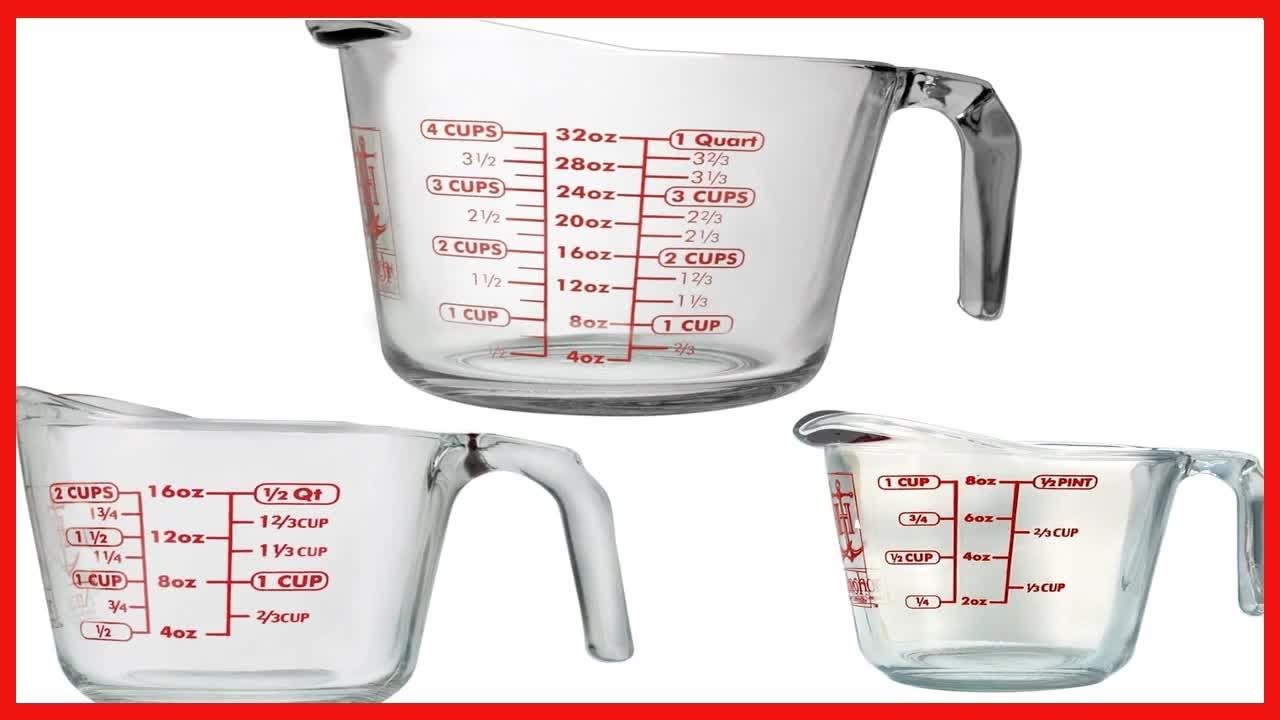
Credit: www.youtube.com
Creative Measuring Techniques
Sometimes you need 2 3 cup of an ingredient but do not have a measuring cup. You can use items from your kitchen or your hands to measure. These tricks help you cook without special tools.
Using everyday objects and your hand sizes can give you a close estimate. This saves time and avoids extra washing.
Using Common Kitchen Items
Look around your kitchen for items that hold a known amount. These can replace a measuring cup for liquids or dry ingredients.
- A standard coffee mug holds about 1 cup of liquid.
- A tablespoon is about 15 ml and can be used for small amounts.
- A spoonful from a regular soup spoon is close to 1 tablespoon.
- A regular drinking glass often holds 8 ounces, or 1 cup.
- Ice cube trays can help measure small portions, each cube is about 2 tablespoons.
Fill these items with your ingredient and add up to reach 2 3 cup. For example, two-thirds of a coffee mug is close to 2 3 cup.
Hand Measurement Techniques
Your hand can be a handy tool to measure ingredients without cups. It is easy and always available.
- A closed fist is about 1 cup of chopped vegetables or fruit.
- A cupped hand holds roughly half a cup of dry ingredients.
- A thumb tip is about 1 teaspoon, useful for spices.
- Two handfuls of leafy greens equal about 1 cup.
Use these hand sizes to estimate 2 3 cup by combining portions. Practice helps you get better at guessing the right amount.

Credit: littlesproutslearning.co
Visual Estimation
Measuring ingredients without a cup can be easy with visual estimation. You can guess amounts by comparing to objects you know.
This method helps when you don’t have a measuring cup nearby. Learning to estimate well saves time in the kitchen.
Using Familiar Objects As Reference
Use common objects to estimate 2/3 cup. These objects help you picture the right amount.
- Half a standard baseball is about 2/3 cup.
- A small egg fits roughly 2/3 cup volume.
- Two-thirds of a coffee mug is close to 2/3 cup.
- About three ice cubes equal 2/3 cup.
Visualizing Proportions
Imagine a full cup divided into three equal parts. Two of these parts make 2/3 cup.
| Portion | Description |
| 1/3 cup | Fill one-third of a cup or container |
| 2/3 cup | Fill two-thirds of the same cup or container |
| Full cup | Fill the entire cup |
Using Weight As An Alternative
Sometimes you may not have a measuring cup when cooking or baking. Using weight is a good way to measure ingredients instead. A kitchen scale can help you get the right amount.
Measuring by weight is often more accurate than volume. It works well for dry and liquid ingredients. This guide explains how to convert volume to weight and use a kitchen scale.
Converting Volume To Weight
Volume measures space, like cups or teaspoons. Weight measures how heavy something is, like grams or ounces. Each ingredient has a different weight for the same volume.
To measure 2 3 cup without a measuring cup, first convert cups to weight. For example, 1 cup of flour weighs about 120 grams. So, 2 3 cup is about 80 grams.
| Ingredient | 1 Cup Weight (grams) | 2 3 Cup Weight (grams) |
|---|---|---|
| All-purpose flour | 120 | 80 |
| Sugar | 200 | 133 |
| Butter | 227 | 151 |
| Milk | 240 | 160 |
Using Kitchen Scale Effectively
Place your bowl or container on the kitchen scale. Press the tare button to reset the weight to zero. This way, you only measure the ingredient’s weight.
Slowly add the ingredient until you reach the desired weight. Use the conversion table above to know how much weight equals 2 3 cup of your ingredient.
- Always tare the scale after placing a container
- Measure ingredients at room temperature for accuracy
- Use grams for precise results
- Clean the scale after use
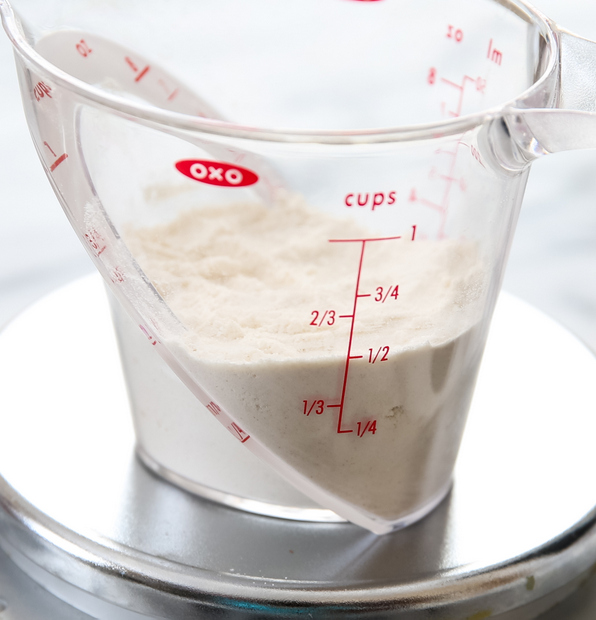
Credit: kirbiecravings.com
Utilizing Liquid Measurements
Measuring 2 3 cup without a measuring cup can be done using liquid measurements. Liquids are easier to measure with common household items.
This guide explains how to measure liquids and adjust for different ingredients.
Measuring Liquids With Everyday Items
You can use spoons, glasses, or bottles to measure liquids. A tablespoon holds about 15 milliliters, and a teaspoon holds about 5 milliliters.
Use these common items to get close to 2 3 cup, which equals about 5.33 fluid ounces or 158 milliliters.
- 3 tablespoons equal about 45 milliliters
- 10 tablespoons equal about 150 milliliters
- Standard drinking glass often holds 8 ounces (1 cup)
- Use a kitchen spoon to add small amounts
Adjusting For Different Ingredients
Different ingredients have different weights but similar volumes. Liquids are easier to measure by volume than dry ingredients.
For thicker liquids like honey or syrup, pour slowly and use a spoon to level the amount.
- Water and milk measure the same by volume and weight
- Oil may be lighter but measures the same volume
- Honey and syrup need careful pouring for accuracy
- Use a spoon to transfer sticky liquids
Practical Tips For Success
Measuring 2 3 cup without a measuring cup can be tricky. You need simple methods to get it right.
This guide shares easy tips to avoid mistakes and improve your measuring skills over time.
Avoiding Common Mistakes
Many people guess the amount when they lack a measuring cup. This often leads to errors in recipes.
- Use spoons to measure smaller amounts carefully.
- Fill a standard cup halfway for about ½ cup.
- Remember that 2 3 cup equals about 5 tablespoons plus 1 teaspoon.
- Check your estimate by comparing to known volumes like a soda can.
- Use a kitchen scale to weigh ingredients if possible.
Practicing Accuracy Over Time
Accuracy improves with practice. Keep track of your measuring results and adjust your methods.
| Practice Tip | Why It Helps |
| Measure with spoons and check volume | Builds eye for small amounts |
| Compare your measurement to a known container | Improves visual estimation |
| Use a scale for dry ingredients | Gives precise weight-based measure |
| Repeat measurements regularly | Refines skill and confidence |
Frequently Asked Questions
How Can I Measure 2 3 Cup Without A Measuring Cup?
You can use common kitchen items like tablespoons or a standard coffee mug. 1 cup equals 16 tablespoons, so 2/3 cup is about 10. 5 tablespoons. Alternatively, use a liquid measuring cup with volume markings for accuracy.
What Household Items Approximate 2 3 Cup Measurement?
A standard coffee mug holds about 1 cup, so fill it two-thirds full. Tablespoons or teaspoons also help; 2/3 cup equals 10. 5 tablespoons or 31. 5 teaspoons. Using these items can give a close estimate without a measuring cup.
Is Using Spoons Accurate For 2 3 Cup Measurement?
Yes, spoons can be accurate if used properly. 2/3 cup equals 10 and a half tablespoons. Level each spoonful to avoid errors. This method works well for dry ingredients like flour or sugar.
Can I Use A Water Bottle To Measure 2 3 Cup?
Only if the bottle has volume markings. Otherwise, it’s hard to measure 2/3 cup precisely. Use a liquid measuring cup or spoons for better accuracy and consistency in recipes.
Conclusion
Measuring 2 3 cup without a cup is simple. Use common kitchen tools like spoons or containers. Practice helps you guess amounts more accurately. This skill saves time and avoids extra trips to buy tools. Try these easy methods next time you cook or bake.
Soon, you will feel confident measuring ingredients by eye. Cooking becomes more fun and less stressful this way. Keep it simple, and enjoy your meals!