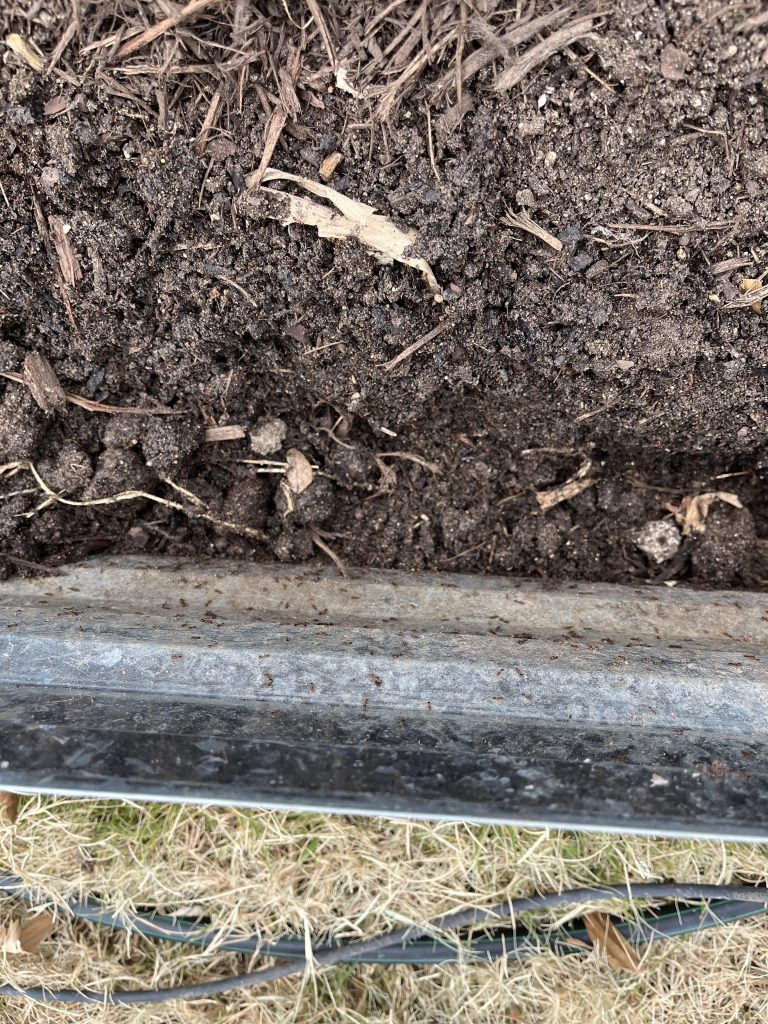
Are ants taking over your raised garden bed? You’re not alone, and the good news is, you don’t have to let these tiny invaders ruin your plants.
Ants can be stubborn, but with the right approach, you can get rid of them quickly and keep your garden healthy. You’ll discover simple, effective ways to clear ants out of your raised garden bed for good. Keep reading, and take the first step toward a pest-free garden that thrives.

Credit: www.reddit.com
Identify Ant Species
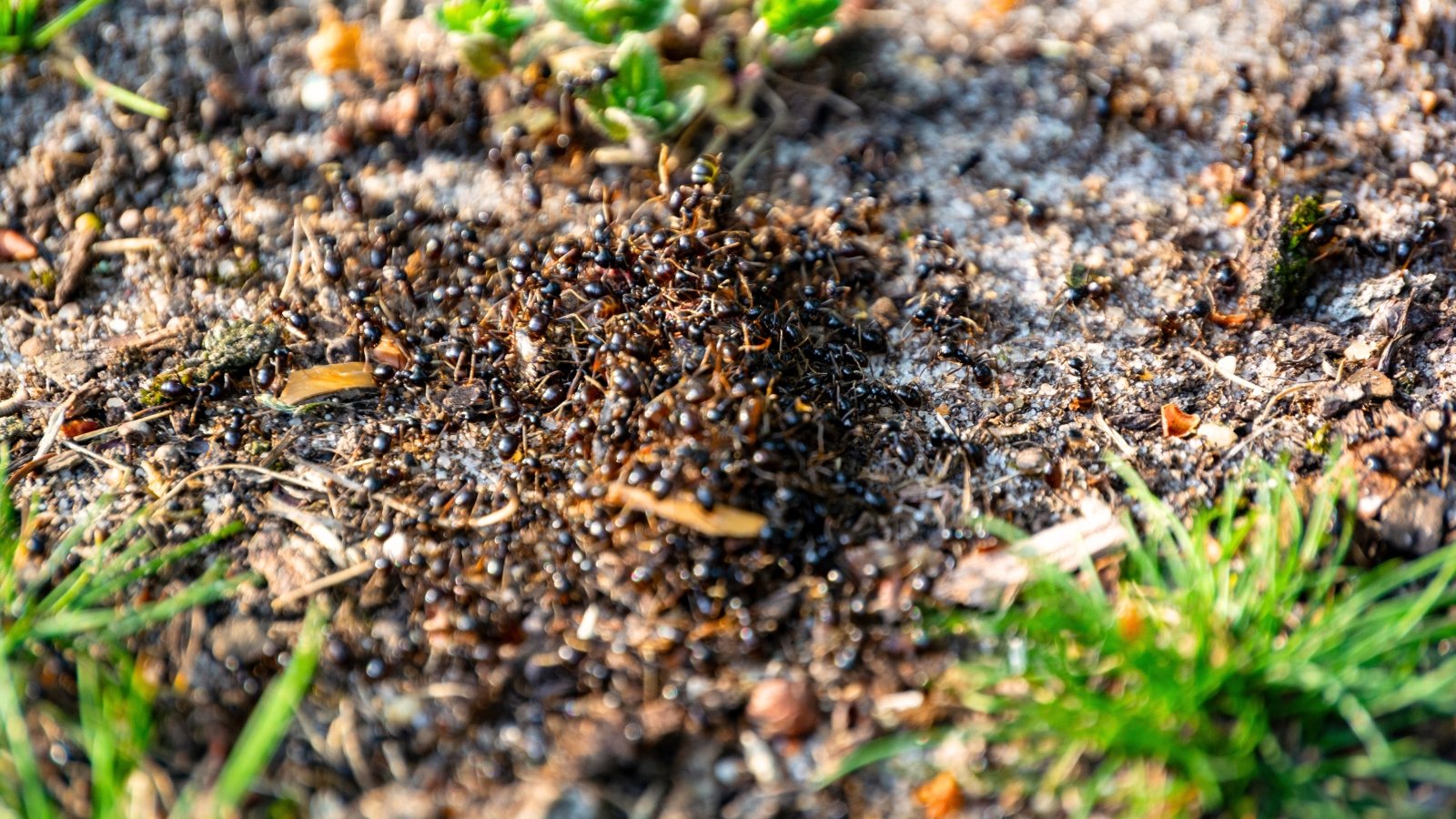
Knowing the type of ants in your raised garden bed helps you control them better. Different ants behave in unique ways and need different treatments.
Start by observing their size, color, and behavior. This information helps you recognize the species and plan how to remove them safely.
Common Ant Types In Gardens
Several ant species often live in garden beds. Each type has distinct features and habits that affect your plants differently.
- Odorous House Ants:Small, dark brown or black ants with a strong smell when crushed.
- Carpenter Ants:Large, black or red ants that build nests in wood.
- Fire Ants:Reddish ants known for their painful stings and aggressive behavior.
- Pavement Ants:Small brown or black ants that build nests under stones or pavement.
Identifying these ants helps you choose the right method to remove them without harming your garden.
Behavior Patterns To Watch
Watching how ants act gives clues to their species and how they affect your garden bed. Pay attention to these signs.
- Trail Formation:Ants often follow a path to food sources or their nest.
- Nesting Spots:Look for nests in soil, wood, or under stones in the garden bed.
- Feeding Habits:Some ants farm aphids for honeydew, which can harm plants.
- Defense Behavior:Fire ants sting, while carpenter ants may chew wood.
Recognizing these patterns makes it easier to target the ants and protect your raised garden bed.
Credit: www.epicgardening.com
Natural Ant Deterrents
Raised garden beds often attract ants that can disturb your plants. Using natural deterrents is safe and effective. These methods keep your garden healthy without chemicals.
Below are simple natural ways to keep ants out of your raised garden bed. Each method uses common ingredients and is easy to apply.
Using Vinegar Solutions
Vinegar disrupts ants’ scent trails and drives them away. Mix equal parts water and vinegar in a spray bottle. Spray around the edges of your raised bed and any ant trails you see.
Repeat this treatment every few days for best results. Avoid spraying directly on plants because vinegar can harm them.
Essential Oils That Repel Ants
Several essential oils smell bad to ants and keep them away. You can make a simple spray using these oils and water. Below is a list of oils that work well.
- Peppermint oil
- Tea tree oil
- Lemon oil
- Eucalyptus oil
- Cinnamon oil
Mix 10 drops of any essential oil with one cup of water. Spray this around your raised bed edges and on ant trails. Reapply every few days or after rain.
Diatomaceous Earth Application
Diatomaceous earth is a natural powder that kills ants by drying their bodies. It is safe for plants and pets but deadly to insects.
| How to Use Diatomaceous Earth | Notes |
| Sprinkle a thin layer around the raised bed perimeter | Avoid thick piles to prevent clumping |
| Apply after watering dries | Wet powder loses effectiveness |
| Reapply after heavy rain | Rain washes it away |
| Use food-grade diatomaceous earth only | Safe for garden use |
Homemade Ant Baits
Ants can be a problem in your raised garden bed. Homemade baits are a simple solution. They help control ants without harming your plants.
Here we explore two effective homemade ant bait recipes. These are easy to make with common household items.
Sugar And Borax Mix
Sugar and borax bait is a popular choice to get rid of ants. Sugar attracts ants and borax kills them.
Mix one part borax with three parts sugar. Place the mixture in small containers near ant trails.
- Use small lids or containers for the mix
- Keep the bait away from pets and children
- Check and refill the bait every few days
Peanut Butter Bait Recipes
Peanut butter is another effective bait ingredient. It attracts ants due to its protein content.
Mix equal parts peanut butter and borax. Place the bait in spots where ants are active.
- Use a spoon to place small amounts of bait
- Monitor the bait and replace when needed
- Ensure it’s out of reach for pets
Garden Bed Maintenance
Ants can be a problem in raised garden beds. They often come looking for food and shelter. Keeping your garden bed well maintained helps stop ants from settling in.
Good garden bed care makes plants healthy and keeps pests away. Focus on removing food sources, watering correctly, and turning the soil often.
Removing Food Sources
Ants come to garden beds for food. Leftover plant debris and fallen fruit attract them. Cleaning your bed removes their food.
Check for seeds, dead leaves, and spilled compost. Remove these items to make the bed less inviting for ants.
- Pick up fallen fruit or vegetables
- Clear away dead leaves and plant parts
- Keep compost bins sealed and away
- Clean up spilled soil or fertilizer
Proper Watering Techniques
Watering your garden bed the right way helps stop ants. Too much water makes soil soft and easy for ants to build tunnels.
Water deeply but less often. This keeps soil moist but firm. Avoid wetting the leaves to reduce fungus and pests.
- Water early in the morning
- Use drip irrigation or soaker hoses
- Keep soil moist, not soggy
- Let soil dry slightly between watering
Regular Soil Turning
Turning the soil in your raised bed helps keep ants away. It breaks up tunnels and exposes ants to predators.
Use a garden fork or shovel to gently turn the soil. Do this every few weeks to keep the soil loose and healthy.
- Loosen soil to stop ant nests
- Mix organic matter evenly
- Improve air flow to roots
- Check for signs of ants or pests
Physical Barriers
Ants can damage plants and soil in raised garden beds. Using physical barriers helps keep ants away without chemicals. These barriers stop ants from entering your garden area.
Physical barriers are easy to set up and safe for plants. They work by blocking ant paths and making it hard for ants to cross.
Using Copper Tape
Copper tape creates a barrier ants do not like to cross. It works because copper reacts with ant feet, which stops them from moving forward.
Place copper tape around the edges of your raised garden bed. Make sure the tape is sticky and covers the entire outer border.
- Clean the surface before applying tape
- Press tape firmly to stick well
- Replace tape if it peels or wears out
Applying Mulch Strategically
Mulch helps block ants by covering soil and making it hard for them to build tunnels. Use mulch that ants avoid or that disrupts their paths.
Place mulch in a thick layer around your plants and along the edges of the garden bed. This helps stop ants from reaching plant roots.
- Use coarse mulch like wood chips or bark
- Avoid fine mulch that ants can move easily
- Refresh mulch regularly to keep it thick
Safe Chemical Options
Ants can harm your raised garden bed by disturbing plant roots. Using chemicals safely helps control ants without hurting your plants.
Choosing the right chemical treatment keeps your garden healthy. Learn about organic pesticides and when to use chemical treatments.
Organic Pesticides
Organic pesticides use natural ingredients to control ants. They are safer for plants and the environment.
- Neem oil disrupts ants’ growth and feeding.
- Diatomaceous earth damages ant exoskeletons, causing dehydration.
- Soap sprays break down ant bodies and stop movement.
- Essential oils like peppermint repel ants from the garden.
- Boric acid mixed with sugar attracts and kills ants slowly.
When To Use Chemical Treatments
Chemical treatments help if ants do not leave after organic methods. Use chemicals carefully to avoid harming plants and beneficial insects.
| Situation | Recommended Action |
| Small ant problem | Use organic pesticides only |
| Large ant infestation | Apply targeted chemical baits |
| Ants near edible plants | Choose low-toxicity chemicals |
| Pets or children nearby | Keep chemicals out of reach |
Preventing Future Infestations
Keeping ants out of your raised garden bed is easier with good prevention. Stopping ants before they settle saves time and effort.
Simple habits and natural helpers can keep your garden free from ants for a long time.
Garden Hygiene Tips
Clean gardens are less attractive to ants. Remove fallen leaves and plant debris often. Ants like to hide in cluttered areas.
Keep the soil healthy by avoiding excess moisture. Wet soil can attract ants looking for water.
- Clear dead plants and weeds regularly
- Turn soil occasionally to disrupt ant tunnels
- Use mulch sparingly and keep it away from plant stems
- Do not leave food scraps or compost uncovered
Encouraging Natural Predators
Natural predators help control ant populations. They hunt ants and keep their numbers low.
Invite these helpful creatures to your garden by planting flowers and herbs they like.
- Ladybugs eat small insects and ants
- Spiders catch ants in their webs
- Birds such as robins and wrens feed on ants
- Frogs and toads eat ants near the soil surface

Credit: www.ollegardens.com
Frequently Asked Questions
How Do Ants Get Into Raised Garden Beds?
Ants enter raised beds searching for food, moisture, and shelter. They often build nests in loose soil or near plant roots, attracted by sweet substances or aphid honeydew.
What Natural Remedies Repel Ants In Garden Beds?
Natural remedies like diatomaceous earth, cinnamon, and vinegar deter ants. These substances disrupt their trails and discourage nesting without harming plants or beneficial insects.
Can Ants Harm Plants In Raised Garden Beds?
Ants generally do not harm plants directly but protect aphids that feed on plants. Their presence can indicate an aphid infestation, which may damage crops and reduce growth.
How To Prevent Ants From Nesting In Garden Soil?
Keep soil dry and remove debris to reduce ant nesting. Regularly disturb the soil surface and use barriers like mulch or natural repellents to discourage ant colonization.
Conclusion
Getting ants out of raised garden beds takes patience and care. Try natural remedies like vinegar or soapy water first. Keep your garden clean and dry to stop ants from settling. Use barriers or traps if ants keep coming back.
Watch your garden often to catch problems early. Healthy plants resist pests better. Small steps can protect your garden well. Enjoy your pest-free raised bed and happy gardening!