Imagine opening your dishwasher, ready to enjoy the fresh scent of clean dishes, only to be hit by an overpowering smell of burnt plastic. It’s not only unpleasant but can make you question the safety of using your appliance.
You might wonder how to get rid of that stubborn odor and restore your dishwasher to its pristine condition. Don’t worry; you’re not alone. Many face this issue, and the solution is simpler than you might think. You’ll discover effective, easy-to-follow steps to banish the burnt plastic smell from your dishwasher, ensuring your kitchen smells fresh and inviting once again.
Keep reading to learn how to tackle this common problem and keep your dishwasher in tip-top shape.

Credit: danmarcappliance.com
Causes Of Burnt Plastic Smell
The burnt plastic smell in a dishwasher often signals a problem inside the appliance. This odor usually comes from plastic items melting or burning during the wash cycle. Understanding the causes helps prevent damage and keeps your dishwasher smelling fresh.
Common Sources Inside Dishwasher
- Plastic utensils left too close to heating elements
- Dishwasher-safe containers that are not heat-resistant
- Plastic clips or parts of the dishwasher itself melting
- Small plastic items accidentally dropped inside
- Plastic wrappers or packaging left on dishes
Effects Of Melted Plastic Residue
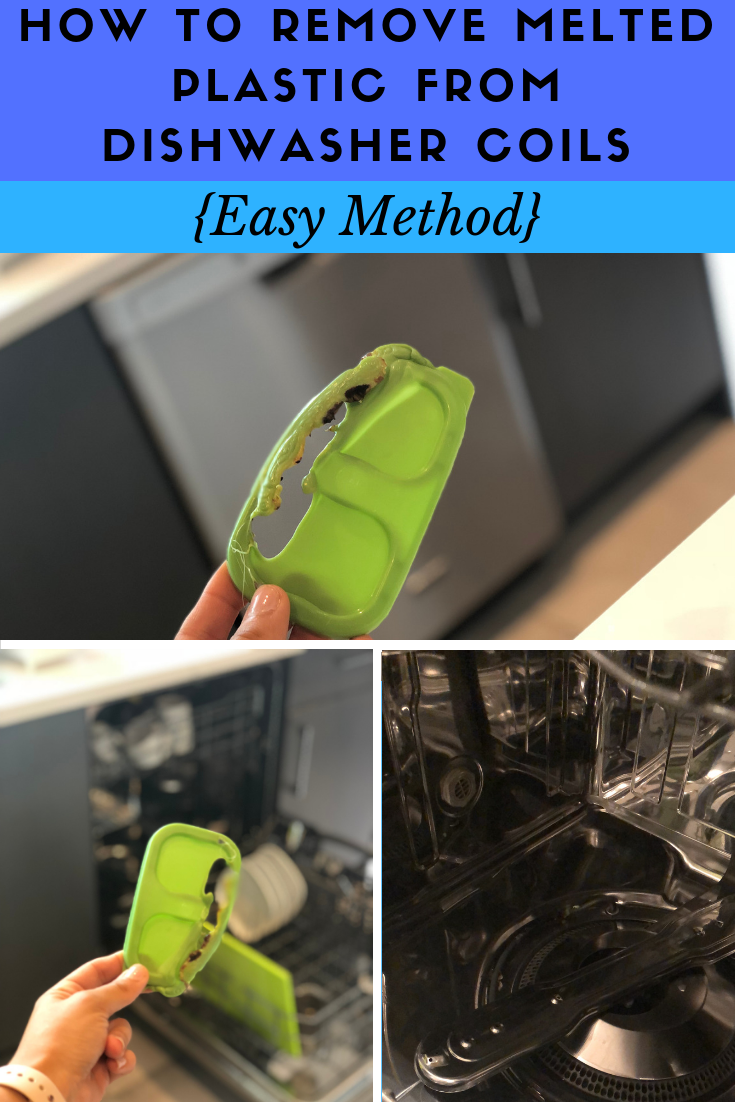
Melted plastic can stick to the dishwasher’s interior surfaces. This residue blocks water flow and reduces cleaning efficiency. It can also cause a persistent burnt smell that spreads every cycle.
Plastic residue can damage heating elements and racks. Over time, this leads to costly repairs or replacement. Removing melted plastic quickly is key to avoiding these issues.
Safety Precautions Before Cleaning
Before you dive into cleaning your dishwasher to remove that stubborn burnt plastic smell, taking safety precautions is essential. Handling electrical appliances without proper care can lead to accidents or worsen the situation. Protecting yourself and the appliance sets the stage for an effective and worry-free cleaning process.
Unplugging And Cooling Down
Always unplug your dishwasher before starting any cleaning. This simple step cuts off the power supply, eliminating the risk of electric shocks. Even if you think the machine is off, unplugging guarantees safety.
Let your dishwasher cool down completely before you touch anything inside. Burnt plastic can leave parts hot enough to cause burns or release harmful fumes if disturbed too soon. How long has your dishwasher been off? Waiting at least 30 minutes is a safe bet to avoid injury.
Protective Gear To Use
Wearing protective gear is not just for professionals. You should wear gloves to shield your hands from sharp edges and chemical cleaners. Nitrile or rubber gloves work best to protect against burns and irritants.
Consider wearing a mask if the burnt plastic smell is strong. Inhaling those fumes can irritate your respiratory system. Safety glasses are also helpful to keep particles or splashes away from your eyes.
These precautions might feel like extra steps, but they make cleaning safer and more comfortable. Have you ever started cleaning without gloves and regretted it? Taking these small measures prevents such mishaps.
Initial Cleaning Steps
Removing burnt plastic smell starts with careful cleaning. Begin by checking the dishwasher for any melted plastic pieces. These bits can cause the odor to linger. Clearing them out is crucial to freshen the appliance.
Next, focus on the filters and drains. These areas often trap debris and plastic scraps. Cleaning them helps improve the dishwasher’s smell and performance. Regular maintenance here prevents future odors and blockages.
Removing Visible Plastic Pieces
Look inside the dishwasher for any melted plastic. Use a soft cloth or tweezers to remove these pieces carefully. Avoid pushing them further down the drain. Check racks, spray arms, and corners thoroughly. Removing all visible plastic reduces the burnt smell quickly.
Cleaning Filters And Drains
Take out the dishwasher filter according to the manual. Rinse it under warm water to clear trapped food and debris. Use a soft brush to scrub stubborn particles gently. Inspect the drain area for any blockages. Clear away dirt or plastic fragments that may be stuck. Clean filters and drains help the dishwasher run better and smell fresher.
Natural Deodorizers To Use
Natural deodorizers work well to remove burnt plastic smells from your dishwasher. They are safe, effective, and easy to find. Using these natural options helps avoid harsh chemicals and keeps your kitchen fresh. These simple ingredients can clean and deodorize at the same time.
Vinegar And Baking Soda Method
Vinegar and baking soda are powerful natural cleaners. They help neutralize bad odors and clean the dishwasher interior.
- Sprinkle half a cup of baking soda on the bottom of the dishwasher.
- Pour one cup of white vinegar into a dishwasher-safe bowl and place it on the top rack.
- Run a hot water cycle without any dishes inside.
- The mixture will fizz and break down residue causing the burnt smell.
- Wipe the door seal and walls with a cloth dipped in vinegar for extra freshness.
Lemon And Salt Combination
Lemon and salt create a natural scrub and deodorizer. They leave a fresh citrus scent behind.
- Cut a lemon in half and sprinkle salt on the cut side.
- Use the lemon as a scrubber on the dishwasher’s interior surfaces.
- Focus on areas where plastic might have melted or stuck.
- Let the lemon juice sit for 10 minutes to absorb odors.
- Rinse with warm water and wipe dry with a clean cloth.
Deep Cleaning Techniques
Deep cleaning techniques remove stubborn burnt plastic odors from your dishwasher. These methods target hidden grime and trapped smells. They restore freshness and improve dishwasher performance. Regular deep cleaning keeps your appliance smelling clean and working well.
Running A Cleaning Cycle
Start by running an empty dishwasher on the hottest cycle. Use the dishwasher’s self-clean or sanitize setting if available. This helps break down burnt plastic residue. The hot water loosens trapped particles and neutralizes odors.
For better results, place a cup of white vinegar on the top rack. Vinegar acts as a natural deodorizer and cleaner. Avoid using detergent during this cycle to prevent residue buildup.
Using Dishwasher Cleaner Products
Use dishwasher cleaner products designed to remove tough odors and buildup. These cleaners dissolve grease, food particles, and burnt plastic traces. Follow the package instructions carefully for best results.
Most products require placing the cleaner in the detergent dispenser or bottom of the dishwasher. Run a full cleaning cycle afterward. This method reaches areas regular cleaning misses, like filters and spray arms.
Credit: www.onesmileymonkey.com
Preventing Future Smells
Preventing burnt plastic smells in your dishwasher starts with small but crucial habits. Taking a few extra moments to load your dishwasher correctly and handle plastics carefully can save you from dealing with stubborn odors later. These tips also protect your dishwasher from damage and keep your kitchen smelling fresh.
Proper Loading Tips
Always place plastic items on the top rack of your dishwasher. The heating element is usually located at the bottom, where temperatures get much higher. This positioning reduces the risk of plastic melting or burning.
Make sure plastic containers and lids are dishwasher-safe. Check for symbols or labels before loading them. If you’re unsure, hand wash those items to avoid damage and smells.
Don’t overcrowd the dishwasher. Overloading can trap heat and cause plastics to overheat or warp. Spread items out to allow proper water flow and even drying.
Avoiding Plastic Damage
Use dishwasher detergents designed for plastics. Harsh chemicals can degrade plastic over time, making it more susceptible to melting or smelling burnt. Switching to a gentler detergent can extend the life of your plasticware.
Keep an eye on your dishwasher’s temperature settings. High heat cycles might be great for pots and pans but harmful for plastics. Lowering the temperature or selecting a plastic-safe cycle can prevent damage.
Inspect plastic items regularly. If you notice warping, discoloration, or a burnt smell lingering on certain pieces, it’s time to replace them. Using damaged plastics can cause recurring odors and even harm your dishwasher.
When To Call A Professional
Knowing when to call a professional is crucial if your dishwasher emits a burnt plastic smell. Ignoring this warning can lead to bigger problems, such as electrical hazards or permanent damage to your appliance. Understanding the signs and weighing your options can save you time, money, and stress.
Signs Of Internal Damage
Pay attention if the burnt plastic smell persists even after thorough cleaning. This often indicates internal components, like wiring or heating elements, may have melted or short-circuited.
Other warning signs include:
- Unusual noises during operation
- Dishwasher not draining properly
- Failure to heat water or dry dishes
- Visible smoke or discoloration inside the appliance
If you notice any of these, it’s a clear signal to stop using your dishwasher immediately and seek professional help. Continuing to run it might worsen the damage or cause safety risks.
Repair Vs Replacement
Deciding whether to repair or replace your dishwasher depends on the extent of the damage and its age. For minor electrical issues or damaged wiring, a repair might be quick and cost-effective.
However, if the heating element or control board is severely damaged, replacement can be more practical. Consider the cost of repairs versus the price of a new dishwasher. Sometimes, investing in a new appliance with better energy efficiency is a smarter long-term choice.
Ask yourself:
- Is the repair cost more than half the price of a new dishwasher?
- Has your dishwasher already given you years of reliable service?
- Would a new model save you more on energy bills?
Answering these questions will help you make an informed decision and avoid future headaches. Don’t hesitate to get a professional assessment; their expertise can guide you toward the safest and most economical option.

Credit: danmarcappliance.com
Frequently Asked Questions
How To Remove Burnt Plastic Smell From Dishwasher?
Run an empty cycle with baking soda or white vinegar. Clean dishwasher filters and wipe interior surfaces to eliminate odors effectively.
Why Does My Dishwasher Smell Like Burnt Plastic?
Burnt plastic smell often comes from melted plastic stuck inside. It can also occur if plastic items touch heating elements during cycles.
Can Vinegar Help Eliminate Burnt Plastic Odor In Dishwasher?
Yes, vinegar neutralizes odors and removes residues. Running a vinegar wash cycle cleans the interior and reduces burnt plastic smell efficiently.
How Often Should I Clean My Dishwasher To Avoid Odors?
Clean your dishwasher monthly. Regular maintenance prevents buildup and keeps the appliance smelling fresh and functioning optimally.
Conclusion
Getting rid of burnt plastic smell in your dishwasher is possible. Use common household items like vinegar or baking soda. Run a cleaning cycle to freshen the machine. Keep the dishwasher door open after use to air it out. Regular cleaning helps avoid bad smells in the future.
Small steps make your dishwasher smell clean again. A fresh dishwasher means cleaner dishes every time. Take action soon to enjoy a fresh kitchen environment.