Have you ever noticed those stubborn fruit stains on your wooden cutting board that just won’t go away? They can make your beautiful board look old and worn out, even if you take good care of it.
But don’t worry—getting rid of these stains is easier than you might think. You’ll discover simple and effective ways to restore your cutting board’s natural beauty. Keep reading, and you’ll learn how to make your wood look fresh and clean again, without harsh chemicals or expensive treatments.
Your cutting board will thank you!
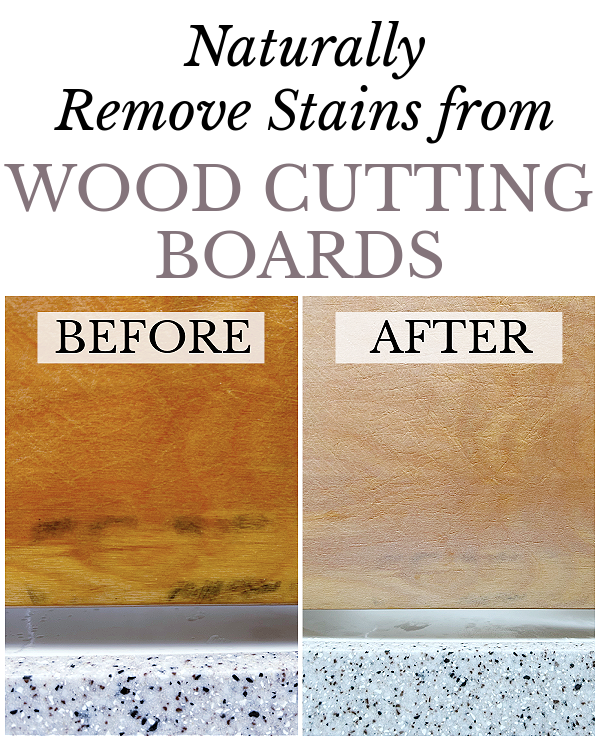
Credit: www.lemonslavenderandlaundry.com
Causes Of Fruit Stains On Wood
Fruit stains on wood cutting boards happen because of the natural juices in fruits. These juices contain pigments and acids. They soak into the wood and leave marks behind.
Wood is a porous material. It can absorb liquids easily. This makes it hard to remove fruit stains once they set in.
Common Fruits That Stain
Some fruits are more likely to leave stains on wood. Their strong colors and acids make the stains deeper and tougher to clean.
- Blueberries – dark blue juice leaves deep stains
- Cherries – red juice can turn wood pink or red
- Blackberries – rich purple stains on wood
- Beets – bright red juice stains quickly
- Tomatoes – acidic juice can cause dark marks
- Raspberries – red juice leaves lasting stains
Why Wood Absorbs Stains
Wood has tiny holes called pores. These pores soak up liquids like a sponge. Fruit juice can enter these pores and stay inside.
The natural oils and acids in fruits react with the wood. This reaction causes the stains to become harder to remove over time.
Immediate Actions To Prevent Stains
Fruit stains can leave marks on your wood cutting board. Acting fast helps stop stains from setting in.
Follow simple steps right after the spill to keep your board clean and fresh.
Wiping Off Excess Juice
Use a clean cloth or paper towel to wipe away extra fruit juice. Do this gently to avoid rubbing the juice deeper into the wood.
Removing the juice quickly lowers the chance of a stain forming on your cutting board’s surface.
- Grab a soft cloth or paper towel
- Blot the juice without spreading it
- Change towels if they become soaked
Using Cold Water Quickly
Rinse the stained area with cold water soon after wiping. Cold water helps stop the stain from soaking into the wood.
Avoid hot water because it can open the wood pores and make stains worse.
- Turn on cold water
- Hold the board under the water briefly
- Pat dry with a clean cloth after rinsing
Natural Cleaning Solutions
Fruit stains on wood cutting boards can be tough to remove. Using natural cleaning solutions keeps your board safe and fresh.
These simple ingredients work well to clean stains without harsh chemicals.
Lemon And Salt Scrub
Lemon’s natural acids help break down stains. Salt acts as a gentle scrub to remove dirt.
Cut a lemon in half, sprinkle salt on the board, then rub with the lemon. Let it sit for five minutes, then rinse.
- Cut lemon in half
- Sprinkle salt on stains
- Rub lemon over salted area
- Wait five minutes
- Rinse with warm water
Baking Soda Paste
Baking soda is a mild abrasive and deodorizer. It lifts stains without damaging wood.
Mix baking soda with water to make a paste. Spread it on stains and scrub gently with a sponge. Rinse well after scrubbing.
- Mix baking soda and water
- Apply paste on stained areas
- Scrub with a soft sponge
- Let it sit for 10 minutes
- Rinse thoroughly with water
Vinegar Rinse
White vinegar is natural and kills bacteria. It also helps remove stains and odors from wood.
Spray or wipe vinegar on the cutting board. Let it sit for a few minutes, then rinse with water and dry well.
- Use white vinegar only
- Spray or apply on stained board
- Wait 5 minutes
- Rinse with warm water
- Dry board completely
Deep Cleaning Techniques
Fruit stains on wood cutting boards can be hard to remove. Deep cleaning helps restore the board’s look and safety.
Using the right methods keeps your cutting board clean without damage. These techniques go beyond simple washing.
Sanding The Surface
Sanding removes stains by taking off the top wood layer. Use fine sandpaper to avoid rough surfaces.
Sand gently in the wood grain direction. After sanding, wipe the dust with a damp cloth.
- Choose 120 to 220 grit sandpaper
- Sand evenly to avoid dips
- Clean board thoroughly after sanding
- Apply mineral oil to protect wood
Using Wood Cleaner Products
Wood cleaner products help break down stains safely. Pick cleaners made for wood surfaces only.
Apply the cleaner with a soft cloth. Let it sit for a few minutes, then scrub gently and rinse well.
- Use cleaners without harsh chemicals
- Test cleaner on a small spot first
- Follow product instructions carefully
- Dry board completely after cleaning
Preventing Future Stains
Fruit stains on wood cutting boards can be hard to remove. Preventing stains helps keep your board clean and safe.
Taking simple care steps protects your wood cutting board from damage and discoloration.
Regular Oiling
Oiling your cutting board regularly creates a protective layer. This layer stops fruits and liquids from soaking into the wood.
Use food-safe mineral oil or beeswax oil. Apply oil evenly and let it soak overnight for best results.
- Clean the board before oiling
- Apply a thin coat of oil with a cloth
- Let the oil soak fully
- Wipe off extra oil next day
- Repeat monthly or after deep cleaning
Proper Drying And Storage
Dry your cutting board well after washing. Water left on the wood can cause stains and cracks.
Store the board upright in a dry place. Avoid stacking it with wet items to stop mold and stains.
- Dry with a clean towel after washing
- Air dry standing on its side
- Keep away from heat sources
- Store where air can circulate

Credit: www.woodcuttingboardstore.com
Tips For Maintaining Wood Boards
Wood cutting boards need special care to stay clean and last long. Fruit stains can leave marks if not treated well.
Proper maintenance helps keep your board safe for food and looking good every day.
Avoiding Harsh Chemicals
Harsh chemicals can damage the wood and remove its natural oils. This makes the board dry and cracked.
Use gentle cleaners like mild soap and water. Avoid bleach or strong detergents on your wood board.
- Do not use bleach or ammonia
- Choose mild dish soap for cleaning
- Rinse well with warm water
- Dry the board immediately after washing
Routine Cleaning Habits
Clean your wood board right after use to stop stains and smells. Fruit juices can soak in quickly.
Regularly oil your board to keep the wood strong and prevent cracks.
- Wash with warm water and mild soap after each use
- Scrub gently with a soft brush or sponge
- Rinse and dry the board completely
- Apply food-safe mineral oil once a month
- Store in a dry place away from heat

Credit: www.aol.com
Frequently Asked Questions
How Do Fruit Stains Affect Wood Boards?
Fruit stains can penetrate wood fibers, leaving unsightly marks. The acidity in fruits can alter wood color. Prompt cleaning is essential to prevent permanent discoloration. Use natural cleaning methods to maintain the board’s integrity. Regular maintenance helps preserve the board’s appearance and extends its lifespan.
Can Lemon Juice Remove Fruit Stains?
Yes, lemon juice is effective for removing fruit stains. Its natural acidity helps break down stains. Apply lemon juice directly to the stain and let it sit for a few minutes. Scrub gently with a brush, then rinse with water.
Repeat if necessary for stubborn stains.
What Household Items Remove Fruit Stains?
Household items like baking soda, vinegar, and salt are effective. Baking soda acts as a gentle abrasive. Vinegar’s acidity helps lift stains. Salt can absorb fresh stains. Create a paste with these items and water. Apply to the stain, scrub gently, and rinse thoroughly.
How Can I Prevent Fruit Stains On Boards?
Prevent stains by applying a food-grade mineral oil to the board. This creates a protective barrier. Clean the board immediately after use to avoid stains setting in. Avoid cutting acidic fruits directly on the board. Use separate boards for fruits to minimize staining risk.
Conclusion
Fruit stains on wood cutting boards can be removed with simple steps. Use gentle scrubbing and natural cleaners to protect the wood. Act quickly to stop stains from setting deep. Regular cleaning keeps your board looking fresh and safe. Treat your cutting board well to enjoy it longer.
Small efforts make a big difference in stain removal. Keep your kitchen tools clean and ready for use. Stain-free boards help maintain hygiene and food quality. Try these tips and see the results yourself.