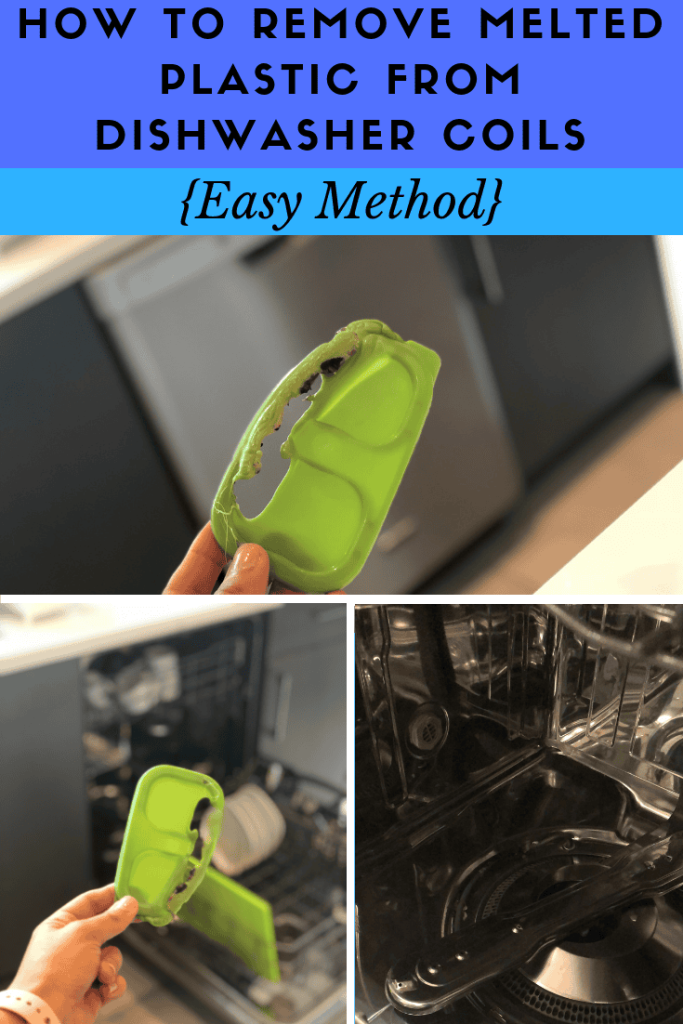
You’ve just opened your dishwasher, ready to unload sparkling clean dishes, only to be met with an unpleasant surprise: melted plastic on the coil. It’s a scenario that can easily turn a routine task into a frustrating challenge.
But don’t worry, you’re not alone in this. Many people have faced the same issue, and there’s a simple solution waiting for you. Removing melted plastic might seem daunting, but with the right steps, you can restore your dishwasher to its pristine condition.
Imagine the relief of seeing your appliance working perfectly again, without the lingering smell of burnt plastic. Intrigued? Keep reading to discover the foolproof method to tackle this pesky problem and make your dishwasher as good as new.

Credit: www.reddit.com
Safety First
Handling melted plastic on a dishwasher coil can be tricky and risky. Safety must be your top priority before starting the cleaning process. Taking the right precautions prevents injuries and damage to your appliance. Follow these important safety steps to protect yourself and ensure a smooth cleaning experience.
Turn Off Power
Always disconnect the dishwasher from the power source before touching the coil. Unplug the appliance or switch off the circuit breaker. This step stops electrical shocks and accidental startups. Never attempt to clean the coil while the dishwasher is powered on.
Wear Protective Gear
Use gloves to shield your hands from sharp edges and hot surfaces. Safety goggles protect your eyes from plastic particles or chemical splashes. Consider wearing a mask to avoid inhaling fumes from melted plastic. Dressing properly reduces the risk of cuts, burns, and irritation during cleaning.
Credit: www.onesmileymonkey.com
Identify Melted Plastic Areas
Before you start cleaning melted plastic off your dishwasher coil, you need to pinpoint exactly where the plastic has stuck. Identifying these areas clearly helps avoid damaging other parts and ensures you focus your efforts on the problem spots.
Locate Affected Coil Parts
Open your dishwasher and carefully inspect the heating coil. Look for any shiny, warped, or discolored spots—these often indicate melted plastic. Use a flashlight if the lighting is poor, and gently move the coil to see all sides.
Pay attention to areas where plastic items may have come in close contact with the coil during a wash cycle. Sometimes plastic drips or melts in small patches that are easy to miss at first glance.
Check For Damage
After identifying melted spots, examine the coil for any signs of physical damage. Cracks, breaks, or exposed wires mean you might need professional help or a replacement part.
Think about whether the coil still heats evenly or if any spots look burnt. Damaged coils can affect dishwasher performance and may pose safety risks.
Tools And Materials Needed
Removing melted plastic from a dishwasher coil requires the right tools and materials. Having everything ready makes the task safer and faster. Some items are common in most homes. Others are specialized for cleaning appliances.
Gathering these tools before starting helps avoid interruptions. It also protects the coil and surrounding parts from damage.
Common Household Items
- Plastic scraper or old credit card – to gently lift melted plastic
- Soft cloth or sponge – for wiping and cleaning
- Warm water – to soften the plastic residue
- Mild dish soap – to clean grease and dirt
- Baking soda – acts as a gentle abrasive cleaner
- White vinegar – helps dissolve sticky residue
- Rubber gloves – to protect your hands
- Paper towels – for drying the area
Specialized Cleaning Tools
- Plastic putty knife – safer than metal for scraping
- Hairdryer or heat gun – to soften plastic for easier removal
- Small nylon brush – to scrub tight spaces
- Isopropyl alcohol – for cleaning stubborn spots
- Vacuum cleaner with brush attachment – to remove loose debris
- Protective goggles – to shield eyes from splashes
Remove Plastic With Heat
Removing melted plastic from your dishwasher coil can be tricky, but using heat can make the task much easier. Heat softens the plastic, allowing you to peel it away without damaging the coil underneath. This approach requires patience and careful handling to avoid burns or further damage.
Using A Hair Dryer
A hair dryer is a handy tool for gently heating the melted plastic. Hold the dryer a few inches away from the affected area and use medium heat settings to avoid overheating the coil. You’ll notice the plastic beginning to soften and bubble, which means it’s ready to be removed.
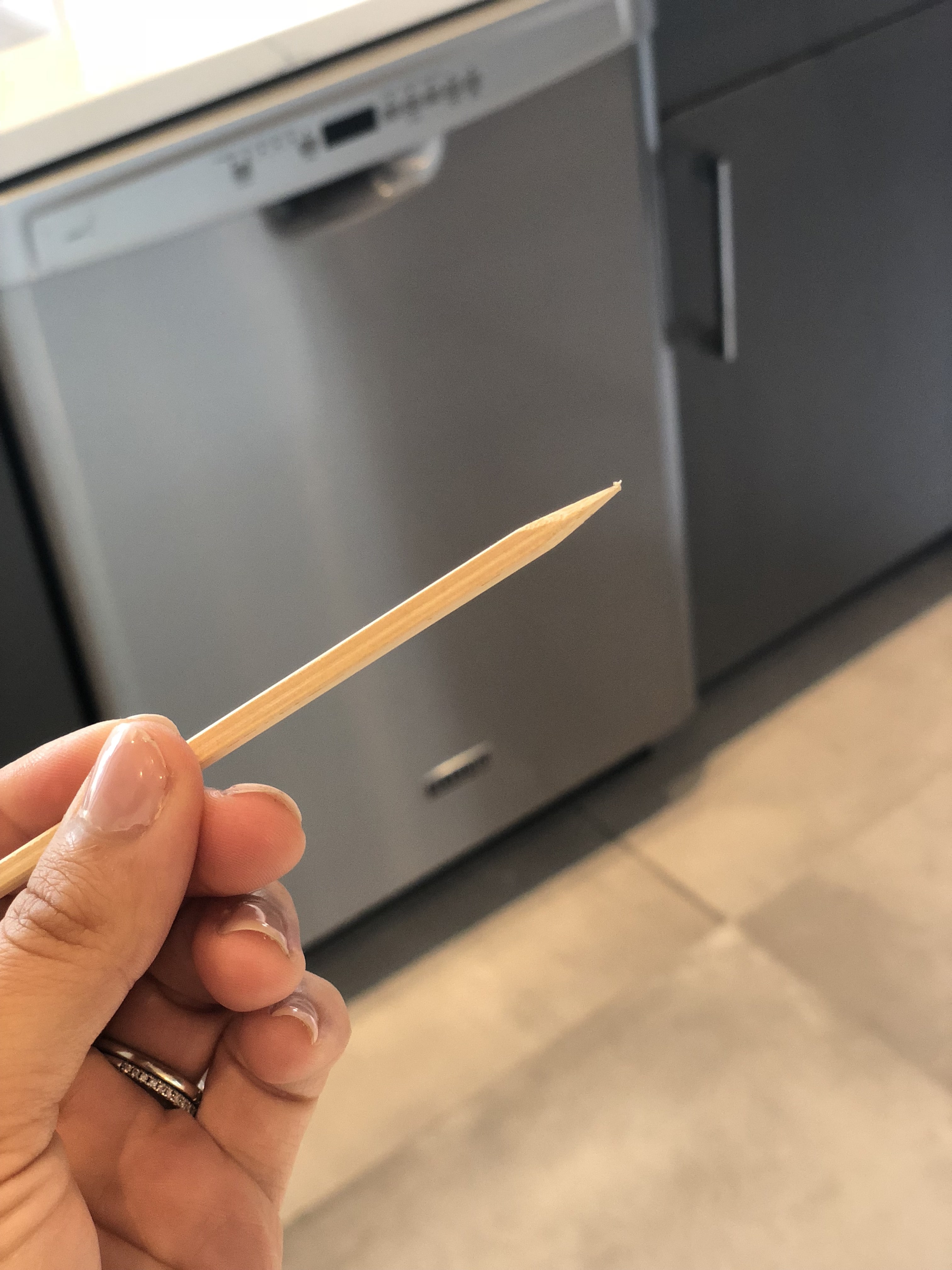
Use a plastic scraper or your fingernail to carefully lift the softened plastic. Avoid metal tools that might scratch the coil’s surface. If the plastic hardens again, simply reapply heat to soften it once more.
Have you tried using your hair dryer for small home fixes before? It often surprises me how effective it can be for tasks beyond drying hair.
Applying A Heat Gun Safely
A heat gun provides more intense heat than a hair dryer and can speed up the plastic removal process. However, it demands extra caution due to its high temperature output. Keep the heat gun moving to prevent any one spot from getting too hot and potentially damaging the coil.
Wear heat-resistant gloves to protect your hands and always work in a well-ventilated area to avoid inhaling any fumes from the melting plastic. Start with the lowest heat setting and gradually increase if needed. This controlled approach helps you avoid accidents while effectively loosening the plastic.
Do you feel confident handling power tools around delicate appliances? Using a heat gun safely is about control and awareness, not just raw power.
Scrape Off Residue
Removing melted plastic from a dishwasher coil requires careful scraping. This step clears away the stubborn residue stuck on the coil. Doing this gently protects the coil and helps the dishwasher work well again.
Plastic Scrapers
Plastic scrapers work best for this task. They are firm enough to lift the melted plastic. Yet, they are soft enough to avoid scratching the coil.
- Choose a scraper with a flat edge.
- Use small, gentle strokes to lift the plastic.
- Do not press too hard to avoid damage.
Plastic scrapers are easy to find in hardware stores. They give good control and reduce risk of injury.
Avoiding Coil Damage
Protecting the coil is very important. The coil heats water during the dishwasher cycle. Damaging it can cause expensive repairs.
- Never use metal tools or knives to scrape.
- Avoid sharp or pointed objects that can cut the coil.
- Work slowly to prevent bending or cracking the coil.
- Stop scraping if the coil shows signs of damage.
Following these tips keeps the coil intact and extends dishwasher life.

Credit: www.reddit.com
Use Solvents And Cleaners
Removing melted plastic from dishwasher coils requires careful use of solvents and cleaners. These substances help break down the plastic without damaging the coil. Choosing the right cleaner is key to protect the appliance and ensure safety.
Safe Chemical Options
Chemicals designed for plastic removal work well on dishwasher coils. Use products labeled as safe for appliances. Acetone or nail polish remover can dissolve plastic quickly. Apply a small amount with a cloth or cotton swab.
- Test on a hidden area first to avoid damage.
- Wear gloves to protect your skin.
- Ensure good ventilation during use.
After softening the plastic, gently scrape it off with a plastic scraper or old credit card. Avoid using metal tools that can scratch the coil. Wipe the area clean with a damp cloth afterward.
Natural Cleaning Alternatives
Natural cleaners offer a gentle approach to removing melted plastic. Vinegar and baking soda are effective and safe options. Heat vinegar slightly and soak a cloth in it. Place the cloth on the plastic to soften it.
- Use a soft brush to scrub the softened plastic gently.
- Make a paste with baking soda and water to lift residue.
- Rinse the coil thoroughly after cleaning.
Natural solutions reduce the risk of harming your dishwasher. They are easy to find and cost-effective. Patience is essential as natural cleaners may take longer to work.
Final Cleaning Steps
After removing melted plastic from your dishwasher coil, the final cleaning steps help restore the coil’s function and appearance. These steps make sure no residue or moisture remains. Proper cleaning prevents damage and keeps your dishwasher safe.
Wiping And Polishing
Use a soft cloth to wipe the coil gently. Remove any leftover plastic bits or cleaning agents. A microfiber cloth works well for this task.
Next, polish the coil with a mild cleaner. Avoid harsh chemicals that can harm the coil’s surface. Polishing brings back the coil’s shine and smoothness.
Drying The Coil
Dry the coil completely before using the dishwasher again. Use a dry cloth or let it air dry for a few hours.
Moisture can cause rust or electrical issues. Make sure the coil is fully dry to keep it working properly.
Prevent Future Melting
Preventing melted plastic on your dishwasher coil starts with smart habits every time you load your dishwasher. Small changes in how you place your dishes and items can save you the headache of scraping off melted messes later. Let’s look at some practical ways you can avoid this problem altogether.
Proper Loading Techniques
How you arrange your dishes affects heat circulation and the risk of plastic touching hot parts. Always place plastic containers and lids on the top rack where heat is gentler. Avoid overcrowding; give each item enough space to allow steam to flow freely.
Have you noticed how a crowded dishwasher often leads to melted spots? That’s because items can shift during the cycle and come in contact with heating elements. Take a moment to double-check that nothing is leaning against the coil or the heating element before starting the wash.
Avoiding Plastic Near Coils
Plastic melts when it gets too close to the heating coil, which can reach very high temperatures. Make a habit of keeping all plastic items well away from these areas. If you’re unsure where the coil is, refer to your dishwasher’s manual or look inside the bottom of the unit after it’s turned off.
Think about the last time you found melted plastic inside your dishwasher. Could it have been prevented by just moving that plastic cup to a safer spot? Small awareness about the coil’s location can save you both time and money on repairs or replacements.
Frequently Asked Questions
How Do I Safely Remove Melted Plastic From Dishwasher Coil?
To safely remove melted plastic, first unplug the dishwasher. Use a plastic scraper or wooden stick to gently lift the plastic. Avoid metal tools to prevent damage. Heat the coil slightly with a hairdryer to soften plastic, then wipe it off with a cloth.
What Household Items Remove Plastic From Dishwasher Coils?
Household items like vinegar, baking soda, and rubbing alcohol help remove plastic residue. Apply vinegar or rubbing alcohol on a cloth to scrub softened plastic. Baking soda paste can also gently scrub the coil without causing damage.
Can I Use Heat To Clean Melted Plastic Off Coils?
Yes, using moderate heat softens melted plastic for easier removal. Use a hairdryer on low heat and gently warm the plastic. Avoid high heat to prevent coil damage. Once softened, scrape or wipe the plastic off carefully.
Is It Safe To Run The Dishwasher After Plastic Removal?
Ensure all plastic pieces are fully removed before running the dishwasher. Any leftover plastic can melt further and cause damage. After cleaning, inspect the coil thoroughly. If unsure, consult a professional technician for safety.
Conclusion
Removing melted plastic from a dishwasher coil takes patience and care. Use gentle tools and safe cleaning methods to avoid damage. Always unplug the dishwasher before starting any work. Small steps make the job easier and protect your appliance. Keep your dishwasher clean to prevent future problems.
Taking time now saves bigger repairs later. You can restore your dishwasher’s function with simple, careful cleaning. Stay safe and work slowly. The effort is worth it for a well-working dishwasher.