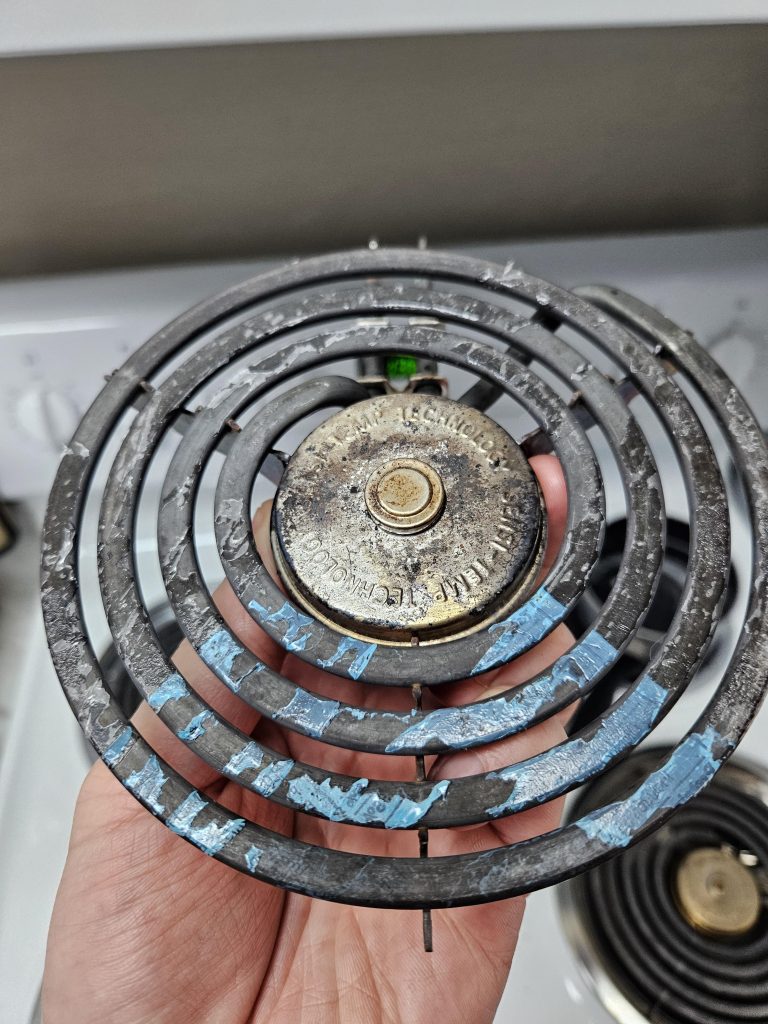
Picture this: you’re preparing a delicious meal on your glass cooktop when suddenly, disaster strikes. A plastic spoon or bag accidentally melts onto the pristine surface, leaving a sticky, unsightly mess.
We’ve all been there, and it’s enough to make anyone feel frustrated and overwhelmed. But don’t worry, you’re not alone. In this guide, you’ll discover simple, effective methods to remove melted plastic from your glass cooktop without causing damage. Imagine the relief you’ll feel when your cooktop looks brand new again.
Ready to tackle the problem head-on? Read on, and regain your kitchen confidence.
Identify The Plastic Type
Removing melted plastic from a glass cooktop needs care. Identifying the plastic type helps choose the right cleaning method. Different plastics react differently to heat and cleaning agents. Knowing the type avoids damage to the cooktop surface.
Some plastics melt quickly and become sticky. Others harden or char when heated. Recognizing the plastic type can save time and effort during cleanup.
Common Types Of Plastics Found On Cooktops
- Polyethylene (PE):Often used in bags and containers, softens easily.
- Polypropylene (PP):Found in kitchenware, melts at a higher temperature.
- Polystyrene (PS):Used in disposable items, brittle when cooled.
- Polyvinyl Chloride (PVC):Found in pipes and packaging, releases fumes when heated.
Visual And Textural Clues To Identify Plastic
- Look for color and shape before melting.
- Check if the plastic is soft or hard.
- Notice if it is flexible or brittle.
- Observe any markings or recycling symbols.
Safety Considerations When Handling Melted Plastic
- Avoid inhaling fumes from heated plastic.
- Use gloves to protect skin from hot, sticky material.
- Keep the area well-ventilated during cleanup.
- Do not use sharp tools that can scratch the glass.

Credit: www.reddit.com
Gather Necessary Tools
Removing melted plastic from a glass cooktop needs the right tools. Having everything ready makes the task easier and safer. Gathering the necessary tools helps avoid damage to the cooktop and speeds up cleaning.
Prepare all items before you start. This way, you can work smoothly without interruptions.
Scraper Or Razor Blade
Use a scraper made for glass cooktops or a razor blade with a holder. These tools help gently lift melted plastic without scratching the surface.
Protective Gloves
Wear heat-resistant gloves to protect your hands. Melted plastic can be hot and sticky, so gloves prevent burns and skin irritation.
Soft Cloths Or Sponges
Choose soft cloths or non-abrasive sponges. They clean the surface without causing scratches after plastic removal.
Cleaning Solution
Use a mild cleaner safe for glass cooktops. It helps remove residue and restores shine after scraping off the plastic.
Plastic Putty Knife
A plastic putty knife can help lift plastic pieces gently. It is less likely to scratch compared to metal tools.
Cool Down The Cooktop
Removing melted plastic from a glass cooktop requires patience and care. Cooling down the cooktop is the first and most important step. It prevents burns and protects the surface from further damage. Letting the cooktop cool ensures the plastic hardens, making it easier to remove without smearing or spreading.
Never attempt to scrape melted plastic while the cooktop is hot. The heat can cause severe burns and may smear the plastic deeper into the surface. Waiting for the cooktop to cool also avoids cracking or scratching the glass from sudden temperature changes.
Allow The Cooktop To Cool Naturally
Turn off the cooktop and leave it alone for at least 30 minutes. The plastic will harden as the surface cools. Avoid touching or trying to wipe the plastic during this time.
Check The Temperature Before Proceeding
Gently place your hand near the cooktop surface. If it feels warm, wait longer. The cooktop must be completely cool to avoid burns and damage.
Use A Fan To Speed Up Cooling
Place a fan near the cooktop to circulate air. This helps lower the temperature faster without applying cold water or ice, which could crack the glass.
Protect Your Hands While Waiting
- Keep children and pets away from the cooktop.
- Use oven mitts if you must touch the area before it fully cools.
- Stay patient; rushing can cause injury or damage.
Scrape Off Excess Plastic
Removing melted plastic from a glass cooktop can be tricky, but starting by scraping off the excess plastic makes the job easier and safer. The goal is to gently lift away as much of the hardened plastic as possible without scratching the glass surface.
Have you ever tried scraping too hard and ended up with scratches that cost more to fix? Avoid that by using the right tools and a careful approach.
Choose The Right Scraper Tool
A plastic scraper or a razor blade designed specifically for glass cooktops works best. Avoid metal utensils that can leave permanent marks.
Hold the scraper at a low angle to the surface. This helps you remove the plastic without digging into the glass.
Work Slowly And Gently
Apply gentle pressure and scrape in small sections. Rushing can cause damage and spread the plastic further.
Patience here pays off. If the plastic isn’t coming off easily, consider warming it slightly to soften before scraping.
Use Warm Water To Soften Plastic
Before scraping, pour warm (not boiling) water over the affected area. This softens the plastic, making it easier to remove.
Be careful not to use too much water, especially near electrical parts of the cooktop.
Clean Up Residue After Scraping
Once the bulk of the plastic is removed, use a damp cloth with mild dish soap to wipe away leftover bits.
This step prevents residue build-up and keeps your cooktop looking clean and shiny.
Apply Heat Carefully
Applying heat carefully is key to removing melted plastic from a glass cooktop. Heat softens the plastic, making it easier to scrape off. Too much heat can damage the glass or cause burns. A gentle and controlled approach protects the cooktop and keeps you safe.
Use A Hair Dryer Or Heat Gun On Low Setting
Choose a hair dryer or heat gun with adjustable heat. Set it to low or medium heat. Hold it several inches away from the plastic. Move it slowly in a circular motion. Avoid staying in one spot too long to prevent glass damage.
Test Heat On A Small Area First
Start by warming a tiny corner of the plastic. Check if it softens without cracking the glass. If the plastic melts gently, continue heating the rest. If not, lower the heat or try a different method.
Keep Safety Precautions In Mind
- Wear heat-resistant gloves to protect your hands.
- Work in a well-ventilated space to avoid fumes.
- Keep a bowl of cold water nearby for emergencies.
- Never use an open flame, as it can damage the cooktop.
Combine Heat With Gentle Scraping
Once the plastic softens, use a plastic scraper or spatula. Gently lift the softened plastic without scratching the glass. Heat again if the plastic hardens during scraping. Repeat until all plastic is removed.

Credit: www.reddit.com
Use Baking Soda Paste
Baking soda paste offers a gentle, effective way to remove melted plastic from your glass cooktop. It acts as a mild abrasive that won’t scratch the surface. The paste softens the plastic, making it easier to lift without harsh chemicals.
Creating and applying baking soda paste requires only two simple ingredients. The process is safe and suitable for regular use. It helps keep your cooktop clean and damage-free.
Prepare The Baking Soda Paste
- Mix baking soda with a small amount of water.
- Stir until the mixture forms a thick paste.
- Use just enough water for a spreadable consistency.
Apply The Paste To Melted Plastic
- Spread the paste evenly over the melted plastic area.
- Cover the plastic completely for best results.
- Let it sit for 10 to 15 minutes to soften the residue.
Gently Scrub The Cooktop
- Use a soft cloth or sponge to scrub the area gently.
- Apply light pressure to avoid scratches.
- Wipe away loosened plastic and paste with a damp cloth.
Repeat If Needed
- Reapply the paste if some plastic remains.
- Repeat scrubbing until the surface is clean.
- Dry the cooktop with a clean cloth after cleaning.
Try Rubbing Alcohol
Rubbing alcohol can be a surprisingly effective solution for removing melted plastic from your glass cooktop. Its solvent properties help break down the plastic without damaging the delicate surface underneath. Plus, it’s easy to find and safe to use with just a little care.
Gathering Your Supplies
Start with isopropyl rubbing alcohol, ideally 70% or higher concentration. You’ll also need a soft cloth, a plastic scraper or credit card, and some cotton balls or pads. Avoid anything abrasive that could scratch your cooktop.
Applying The Rubbing Alcohol
Pour a small amount of rubbing alcohol onto a cotton ball or soft cloth. Gently dab it onto the melted plastic spots. Let it sit for a few minutes to soften the plastic, but don’t let it dry completely.
Scraping Off The Plastic
Once the plastic starts to soften, carefully use your plastic scraper or old credit card to lift the residue. Work slowly and avoid pressing too hard. If the plastic resists, apply more rubbing alcohol and wait a bit longer.
Cleaning And Polishing The Surface
After removing the plastic, wipe the area with a clean, damp cloth to remove any leftover rubbing alcohol. Dry the surface with a soft towel. You can buff the cooktop gently to restore its shine.
Why Choose Rubbing Alcohol?
- It dissolves plastic without harsh chemicals.
- Safe for glass surfaces when used carefully.
- Readily available and inexpensive.
Have you tried this method before? You might be surprised how a simple household item can save your cooktop without much effort.
Use A Razor Blade Safely
Using a razor blade is an effective way to remove melted plastic from a glass cooktop. It requires care and attention to avoid scratching the surface or hurting yourself. The right technique and safety steps make the process smooth and safe.
Handle the razor blade with a steady hand. Keep the glass cooktop cool before starting. Warm glass can be damaged easily.
Choose The Right Razor Blade
- Use a new, sharp blade for best results.
- A single-edge razor blade scraper works well.
- A dull blade can scratch or damage the glass.
- Hold the blade firmly to prevent slips.
Protect Your Hands And Fingers
- Wear cut-resistant gloves for safety.
- Hold the blade at a low angle, about 45 degrees.
- Keep fingers away from the blade edge.
- Work slowly and carefully to avoid accidents.
Scrape Gently And Steadily
- Start at the edge of the melted plastic.
- Use gentle, even pressure to lift the plastic.
- Do not force the blade into the glass.
- Lift small sections at a time for control.
Clean The Surface After Scraping
- Wipe away plastic pieces with a soft cloth.
- Use warm, soapy water to remove residue.
- Dry the cooktop completely to prevent streaks.
- Inspect the surface for scratches or leftover plastic.
Avoid Harsh Chemicals
Melted plastic on a glass cooktop can be frustrating. Many people try harsh chemicals to clean it fast. These chemicals can damage the cooktop surface and harm your health. Avoiding harsh chemicals keeps your cooktop safe and your home healthy.
Using gentle cleaning methods protects the glass and keeps it shiny. Harsh chemicals can cause scratches, cloudiness, or permanent marks. They can also release toxic fumes. Choosing safer options helps maintain your cooktop’s look and function.
Why Harsh Chemicals Harm Glass Cooktops
Glass cooktops have a smooth, delicate surface. Harsh chemicals eat away at this surface. They cause tiny cracks that grow over time. These cracks make the cooktop look old and worn. Chemicals can also remove the protective coating. This leads to stains that are hard to clean later.
Health Risks Of Using Strong Cleaners
Strong cleaners often contain acids or bleach. These can irritate your skin and eyes. Breathing in fumes may cause headaches or dizziness. Using these chemicals in a kitchen is risky. Safe cleaning avoids exposing your family to harmful substances.
Safe Alternatives To Harsh Chemicals
- Use warm soapy water and a soft cloth.
- Try baking soda paste for gentle scrubbing.
- Use a razor blade carefully to scrape plastic.
- Apply vinegar to dissolve sticky residue.
- Wipe with a microfiber cloth for a clean finish.
Tips For Protecting Your Cooktop During Cleaning
- Always wait for the cooktop to cool down.
- Test any cleaner on a small spot first.
- Use gentle pressure to avoid scratches.
- Clean spills immediately to prevent melting.
- Regularly maintain your cooktop for longer life.
Prevent Future Plastic Spills
Preventing plastic spills on your glass cooktop saves you time and frustration later. Taking simple precautions can keep your cooktop spotless and damage-free. Let’s look at practical ways you can avoid these messy accidents before they happen.
Keep Plastic Containers Away From Heat
Plastic melts quickly when exposed to heat. Always keep plastic utensils, containers, or lids far from the cooktop surface. Even a slight touch of heat can cause plastic to warp or melt, creating a tough mess to clean.
Think about where you place items in your kitchen. Have you ever left a plastic spoon on the stove out of habit? Avoid this by designating a safe spot away from burners specifically for plastic tools.
Use Heat-resistant Cookware
Choosing the right cookware can reduce the risk of plastic spills. Use pots and pans with sturdy handles that won’t require you to balance plastic lids or accessories near the heat source.
For example, silicone lids or metal covers are safer options compared to plastic lids that can melt. This small change can prevent many accidents before they start.
Set Up A Cooking Zone
Create a clear, organized cooking space on your countertop. Keep plastic items well outside this zone to minimize the chance of accidentally placing them on the hot surface.
- Use a tray or basket to collect plastic utensils.
- Keep dish towels and plastic wraps in a separate drawer.
- Arrange your workspace so hot pots and plastic items don’t get mixed up.
Do you notice clutter around your cooking area? Clearing it out can actually prevent spills and improve your cooking flow.
Stay Attentive While Cooking
Distractions in the kitchen increase the chance of plastic spills. Stay focused on your cooking to avoid placing plastic items on or near the cooktop.
Try setting a timer for multitasking so you don’t forget what’s on the stove. Being mindful can stop many accidents before they happen.

Credit: www.reddit.com
Frequently Asked Questions
How Do I Remove Melted Plastic From A Glass Cooktop?
Allow the cooktop to cool completely. Use a plastic scraper gently to lift the plastic. Clean residue with a damp cloth and mild cleaner.
Can I Use A Razor Blade On A Glass Cooktop?
Yes, but carefully. Hold the blade at a 45-degree angle and scrape gently. Avoid scratching by using a new, clean blade.
What Household Items Help Remove Melted Plastic Safely?
Ice cubes can harden the plastic for easier scraping. Baking soda paste gently cleans residue without scratching the glass surface.
How To Prevent Melted Plastic On A Glass Cooktop?
Always monitor cooking pans closely. Use cookware with flat bottoms to avoid tipping. Avoid placing plastic utensils near hot burners.
Conclusion
Cleaning melted plastic from a glass cooktop takes patience and care. Use gentle tools to avoid scratches. Work slowly to remove all residue without damage. Regular cleaning helps keep your cooktop looking new. Always let the surface cool before starting.
These simple steps make the process easier. Your cooktop will shine again in no time. Remember, safety first. Keep your kitchen safe and clean every day.