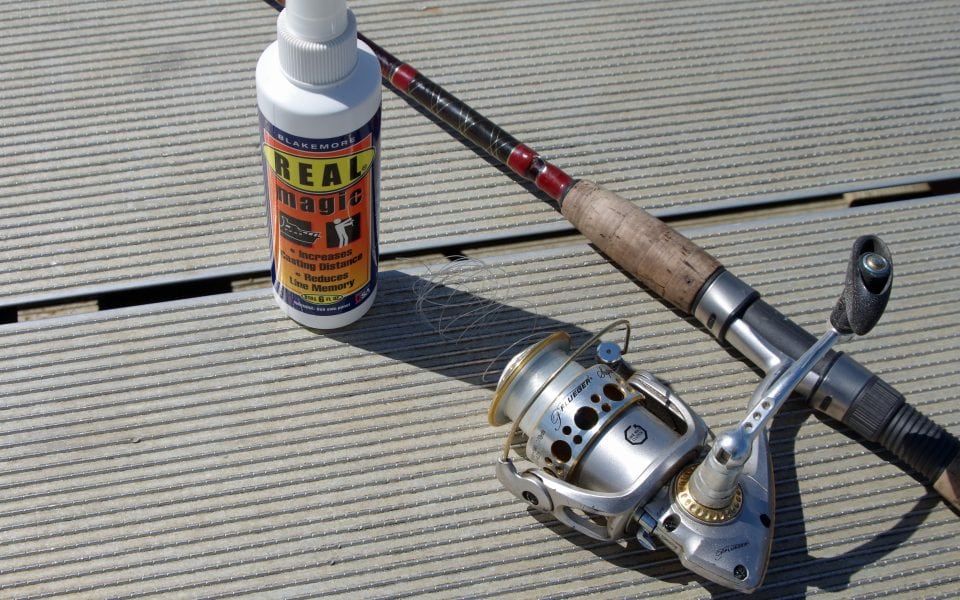
Have you ever noticed your fishing line curling up or twisting, making it harder to cast or reel in smoothly? That’s called memory, and it can be a real hassle when you’re trying to enjoy your time on the water.
But don’t worry—getting rid of memory in your fishing line is easier than you think. You’ll discover simple, effective ways to restore your line’s smoothness and improve your fishing experience. Keep reading, and you’ll learn how to keep your line working like new every time you go fishing.
What Causes Memory In Fishing Line
Memory in fishing line means the line keeps its coiled shape after leaving the spool. This can cause tangles and knots during fishing. Understanding what causes memory helps in choosing and using fishing line better.
Memory happens due to the properties of the line material and how it is stored. Both the making process and environmental conditions affect the line’s memory.
Material And Manufacturing Effects
Different fishing lines have different materials like nylon, fluorocarbon, or braided fibers. Each type reacts to stress and shape in its own way. The manufacturing process also plays a big role in line memory.
- Nylon Monofilament:This is soft but tends to hold coils from the spool because of its elasticity.
- Fluorocarbon:More rigid and less stretchy, so it has less memory but can still hold shape if stored tightly.
- Braid:Made from woven fibers, it usually has very low memory but can still tangle if not handled right.
- Heat Treatment:Some lines go through heat to reduce memory during manufacturing.
- Spooling Tension:High tension when winding line on the reel can increase memory by forcing the line into tight coils.
Storage And Environmental Factors
How you store fishing line and the environment around it also cause memory. Leaving line on a reel for a long time or in hot places can make the coils stronger.
| Factor | Effect on Memory |
|---|---|
| Temperature | Heat softens line, making coils set more firmly. |
| Humidity | Moisture can weaken line flexibility, increasing memory. |
| Time on Reel | Long periods keep line in coiled shape, raising memory. |
| Storage Method | Loose storage reduces memory; tight coils increase it. |
Signs Of Memory In Your Line
Memory in fishing line can affect performance. It may lead to difficulties during fishing. Recognizing the signs helps in addressing the problem.
Let’s explore common signs of memory in fishing lines. Understanding these can improve your fishing experience.
Coiling And Loops
Coiling and loops are major indicators of line memory. They make the line difficult to manage. These issues often occur when the line retains its shape from the spool.
- The line forms tight coils when unspooled.
- Loops appear during retrieval, causing tangles.
- Difficulty in laying the line straight on the water.
Casting And Handling Issues
Memory can also lead to casting and handling problems. These make it hard to control the line effectively. Knowing these issues helps in finding solutions.
| Issue | Description |
| Short Casts | The line doesn’t reach the intended distance. |
| Tangles | Frequent knots form during casting. |
| Line Twists | The line twists upon itself, reducing performance. |
Simple Warm Water Method
Fishing line can become stiff and hold memory after use. This makes casting and handling hard. The warm water method is an easy way to soften the line.
This method helps remove kinks and twists without damaging the line. It works well for most types of monofilament fishing lines.
Preparing The Line
Before soaking, check the fishing line for dirt and debris. Remove the line from your reel or spool carefully. Avoid bending the line sharply to prevent more memory.
- Untangle any knots gently.
- Cut off any damaged or weak sections.
- Coil the line loosely in a circular shape.
- Use a clean container for soaking.
Soaking And Drying Tips
Fill the container with warm water. The temperature should be about 100°F (38°C). Do not use hot water as it can weaken the line.
| Action | Details |
| Soak Time | 10 to 15 minutes |
| Water Temperature | Warm, not hot (around 100°F / 38°C) |
| Drying Method | Air dry in a shaded place |
| Do Not | Use direct sunlight or heat sources |
After soaking, remove the line and let it dry naturally. Avoid direct sunlight and heat sources. This keeps the line strong and flexible.
Credit: theanglinghub.com
Using Heat To Relax The Line
Fishing line often gets twisted and holds memory from storage. This memory can cause tangles and knots. Using heat helps to relax the line and remove its memory.
Heat softens the material, making the line flexible again. This process is safe if done with care and the right tools.
Hair Dryer Technique
A hair dryer is an easy tool to apply heat to fishing line. It warms the line gently to reduce memory without damage.
Hold the fishing line stretched and move the hair dryer along it evenly. Keep the dryer about 6 inches away to avoid overheating.
- Use medium heat setting on the hair dryer
- Keep the line taut but not too tight
- Move the dryer slowly along the line
- Do not hold heat in one spot for too long
Caution And Safety Measures
Using heat requires care to prevent damage to the line or injury. Always follow safety tips during the process.
- Never use high heat settings on the hair dryer
- Avoid direct heat on eyes or skin
- Do not overheat the fishing line to stop melting
- Work in a well-ventilated area
- Keep water or fire extinguisher nearby in case of accidents
Stretching The Line Correctly
Fishing line can develop memory, causing it to twist and tangle. Stretching the line helps remove this memory. Doing it properly keeps your line smooth and easier to use.
This guide explains two ways to stretch fishing line: manual stretching and using weighted objects. Both methods help reset the line’s shape for better fishing performance.
Manual Stretching Steps
Manual stretching uses your hands to pull and straighten the line. Follow these simple steps to stretch the line safely.
- Cut a length of line from the spool, about 3 to 5 feet long.
- Hold both ends firmly with your hands.
- Pull the line slowly and evenly until it feels tight but not overstretched.
- Hold the stretch for about 10 seconds to relax the line memory.
- Release the tension gently to avoid snapping the line.
- Repeat the process 3 to 5 times for best results.
Using Weighted Objects
This method stretches the line by hanging a small weight on it. It works well for longer pieces of line or lines on the spool.
| Item | Purpose |
|---|---|
| Line length | At least 6 feet for effective stretching |
| Weight | Use 1 to 3 pounds to avoid damage |
| Support | Secure point to hang the line and weight |
| Duration | Leave weight hanging for 10 to 15 minutes |
Attach one end of the line to a secure point. Tie the weight to the other end. Let the weight pull the line down gently. This tension helps the line lose its memory over time.
Preventing Memory In New Lines
Fishing line memory happens when the line holds a coil shape from the spool. This can cause tangles and knots. Preventing memory helps the line cast smoothly and last longer.
New lines can develop memory if not handled or stored properly. Simple steps can reduce this problem and keep your line in good condition.
Proper Storage Practices
Store your fishing line in a cool, dry place. Avoid heat and sunlight because they can weaken the line and increase memory. Keep the line on the spool to keep its shape.
Do not leave the line loose or tangled. Use a line holder or clip to keep it tight. This stops the line from forming loops or coils on its own.
- Keep line away from heat and sun
- Store line on the spool securely
- Use clips to hold loose ends
- Avoid bending the line sharply
Choosing Low Memory Lines
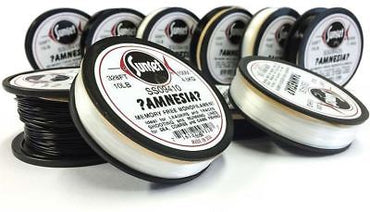
Some fishing lines are made to resist memory better. Look for lines labeled “low memory” or “zero memory.” These lines stay straighter and are easier to use.
Materials like braided or fluorocarbon lines often have less memory than monofilament. Picking the right type helps reduce tangles and improves casting.
- Look for low memory or zero memory labels
- Choose braided or fluorocarbon lines
- Avoid old or cheap monofilament lines
- Check reviews for line memory performance
When To Replace Your Fishing Line
Fishing line can lose its strength and flexibility over time. Knowing when to replace it helps avoid losing fish or gear.
Regularly checking your fishing line keeps your fishing experience smooth and safe.
Signs Of Wear And Tear
Look for damage on your fishing line before every trip. Wear and tear reduce the line’s strength.
- Frays or nicks along the line
- Discoloration or cloudiness
- Line feels rough or stiff
- Memory causes line to kink or coil
- Line breaks easily under tension
These signs mean your line may snap and should be replaced soon.
Benefits Of Fresh Line
Using fresh fishing line improves your chances of landing fish. It runs smoothly through the rod guides.
- Stronger and less likely to break
- Better casting distance and accuracy
- Less chance of tangles and knots
- Improved sensitivity to bites
- Clearer line is less visible to fish
Replacing old line makes fishing easier and more fun.

Credit: theanglinghub.com

Credit: www.ebay.co.uk
Frequently Asked Questions
How Can I Remove Memory From Fishing Line?
To remove memory, warm the fishing line by soaking it in hot water. Then stretch and straighten it carefully. This process relaxes the line’s coils and reduces memory for smoother casting.
What Causes Memory In Fishing Line?
Memory happens when fishing line coils or retains bends from spool tension. Heat, storage, and line material contribute to this effect, causing tangles and poor casting performance.
Is Heat Effective To Reduce Fishing Line Memory?
Yes, heat softens the fishing line, allowing it to straighten. Warm water or sunlight exposure helps relax the coils, reducing memory and improving line handling and casting.
Can Stretching Fishing Line Remove Its Memory?
Stretching the line gently after warming helps eliminate memory. It realigns the molecular structure, reducing coils and bends for better casting and fewer tangles.
Conclusion
Removing memory from fishing line keeps it smooth and easy to use. Warm water or sunlight can help relax the line’s shape. Gently stretching the line also reduces kinks and bends. Taking care of your fishing line saves money and improves your catch.
Try these simple steps before your next fishing trip. Your line will perform better and last longer. Fishing becomes more fun with smooth, memory-free line. Give it a try and see the difference yourself.