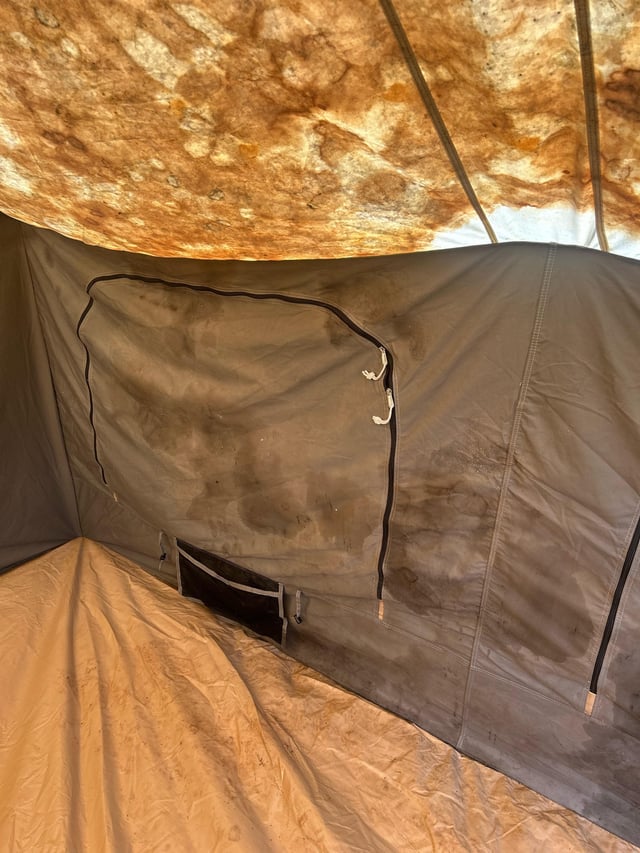
You’ve just unpacked your tent, only to find unsightly mold spots creeping across the fabric. It’s frustrating, isn’t it?
Mold not only ruins your gear but can also cause health problems and unpleasant odors. But don’t worry—getting mold out of your tent is easier than you think. You’ll discover simple, effective steps to clean your tent and keep it fresh for your next adventure.
Keep reading, and you’ll learn how to protect your gear and enjoy the great outdoors without the worry of mold.

Credit: www.reddit.com
Causes Of Mold In Tents
Mold grows on tents when conditions are right. It can ruin your camping gear and cause bad smells.
Knowing what causes mold helps you prevent it. Mold needs moisture and warmth to grow.
Humidity And Moisture
High humidity makes tents damp inside. Wet tents dry slowly, which helps mold grow.
Moisture from rain, sweat, or condensation stays in the fabric. This wetness feeds mold spores.
- Rainwater inside the tent
- Wet clothes or gear stored inside
- Condensation forming on tent walls
- Camping in humid or rainy areas
Improper Storage
Storing tents while they are still wet causes mold. Folding damp fabric traps moisture inside.
Keeping tents in dark, closed places without airflow helps mold grow. Air circulation keeps fabric dry.
- Packing tents before they dry fully
- Storing in basements or garages with poor airflow
- Keeping tents in plastic bags for long times
Environmental Factors
Warm and shady camping spots help mold grow. Mold likes dark and warm places with moisture.
Nearby plants or soil can transfer mold spores to tents. Campsites in forests or near water have higher risk.
- Camping in shaded forests
- Setting up tents near lakes or rivers
- Areas with poor sunlight and airflow

Credit: hot-tent.com
Signs Of Mold In Your Tent
Mold can grow inside your tent if it stays damp for a long time. It is important to check for signs of mold before storing your tent.
Spotting mold early helps you clean it quickly and keep your tent safe to use.
Visible Spots And Stains
Mold often shows up as dark spots or stains on the tent fabric. These spots can be green, black, or gray.
Look inside and outside the tent, especially in corners and seams where moisture collects.
- Small black or green dots on fabric
- Large discolored patches that look fuzzy
- Stains that do not wash out easily
Musty Odor
A strong, musty smell inside your tent can mean mold is growing. This smell is caused by mold spores in the air.
Even if you do not see mold, a bad odor is a warning to check your tent carefully.
- Smell the tent fabric and zippers
- Check if the smell gets stronger in damp places
- Air out the tent to see if the odor fades
Fabric Damage
Mold can weaken the tent fabric over time. It may cause holes or thin spots in the material.
Look for parts of the tent that feel brittle or tear easily, especially where mold spots appear.
- Thin or worn fabric areas
- Small holes or tears along seams
- Fabric that breaks or flakes when touched
Essential Cleaning Supplies
Removing mold from a tent needs the right supplies. Using safe and effective cleaning items helps protect your tent fabric.
This guide covers basic supplies to clean mold without damage. These items are easy to find and simple to use.
Mild Detergents
Mild detergents are gentle on tent fabric. They help remove dirt and mold without harsh chemicals.
Choose detergents that do not contain bleach or strong scents. These keep your tent safe and fresh.
White Vinegar And Baking Soda
White vinegar kills mold spores naturally. Baking soda helps lift stains and neutralize odors.
Mixing these two creates a mild cleaning solution. It works well for mold on fabric and seams.
- Use white vinegar diluted with water
- Sprinkle baking soda on stained areas
- Apply vinegar solution after baking soda
Soft Brushes And Cloths
Soft brushes remove mold without damaging the tent material. Avoid stiff brushes that can cause tears.
Use clean cloths to wipe away mold and cleaning solutions. Microfiber cloths work well for gentle cleaning.
- Choose soft nylon or natural bristle brushes
- Use separate cloths for applying and wiping
- Rinse brushes and cloths after cleaning
Step-by-step Mold Removal
Mold in a tent can cause damage and bad smells. Removing mold quickly keeps your tent safe and clean. Follow these steps to get mold out of your tent.
Use gentle cleaning methods to avoid harming the fabric. Make sure the tent dries well to stop mold from returning.
Setting Up A Cleaning Area
Choose a well-ventilated outdoor space or a garage with open doors. Spread a tarp or old sheets to protect the ground. This area will keep mold spores from spreading indoors.
- Wear gloves and a mask to protect yourself
- Keep pets and children away from the cleaning area
- Have a bucket, soft brush, and cleaning cloths ready
- Prepare mild cleaning solutions before you start
Pre-treatment Techniques
Before washing, treat the mold spots to loosen the mold. Use natural or mild cleaners to avoid damage. This step helps remove deep mold stains.
- Mix equal parts water and white vinegar in a spray bottle
- Spray the mold spots lightly and let sit for 10 minutes
- Use a soft brush to gently scrub the treated areas
- For tough mold, apply baking soda paste and wait 15 minutes
Washing And Scrubbing
Wash the tent fabric carefully with mild soap. Avoid harsh detergents or bleach, as they can damage the tent material. Scrub with a soft brush to remove mold particles.
| Cleaning Item | Use | Notes |
| Mild Soap | Wash tent fabric | Avoid bleach or strong detergents |
| Soft Brush | Scrub mold areas | Use gentle pressure to protect fabric |
| Water | Rinse and clean | Use clean, cool water |
| Bucket | Mix cleaning solutions | Keep water fresh to avoid spreading mold |
Rinsing And Drying
Rinse the tent thoroughly to remove all soap and mold residues. Dry the tent completely in sunlight to stop mold growth. Make sure all corners and seams dry well.
- Use a hose or buckets of clean water to rinse the tent
- Shake off excess water carefully
- Set up the tent outside in full sun
- Allow drying for at least 6 hours or until fully dry
- Check for any remaining damp spots and dry again if needed
Preventing Mold Growth
Mold can damage your tent fabric and cause bad smells. Preventing mold keeps your tent safe and clean.
Good habits after camping help stop mold from growing inside your tent.
Proper Drying Methods
Dry your tent completely before storing it. Moisture left inside helps mold grow fast.
Set up your tent outside on a sunny, windy day. Open all doors and windows for air flow.
- Use a clean towel to wipe wet areas
- Hang the tent if possible for better drying
- Do not fold the tent while wet
Storage Tips
Store your tent in a dry, cool place. Avoid damp basements or garages.
Use a breathable storage bag instead of plastic. This stops moisture from building up.
- Keep tent away from direct sunlight
- Do not store the tent tightly packed
- Loosely roll or fold the tent for airflow
Regular Inspections
Check your tent often for any signs of mold or mildew. Early detection stops bigger problems.
Look for dark spots, musty smells, or fabric damage. Clean or dry your tent again if needed.
- Inspect after every camping trip
- Clean tent if you spot dirt or stains
- Store only after confirming it is dry
When To Seek Professional Help
Removing mold from a tent is important for safety and comfort. Sometimes the mold problem is too big to handle alone. Knowing when to ask for professional help can save your tent and your health.
Professionals have special tools and knowledge to remove mold safely. They can fix damage that you might miss. Here are key signs to call an expert for mold removal.
Severe Mold Infestations
If the mold covers large areas of your tent, it is a severe infestation. Small cleaning efforts may not remove all mold spores. Mold can hide in seams, zippers, and fabric layers.
Professionals use strong cleaning agents and equipment. They can reach hidden mold spots. This stops mold from growing back quickly.
Fabric Damage Repair
Mold can weaken or stain tent fabric. If your tent has holes, tears, or stiff areas from mold, repair may be needed. Some damage is hard to fix at home.
Experts can repair fabric safely. They use proper patching and treatments. This extends your tent’s life and keeps it waterproof.
Health Considerations
Mold can cause breathing problems, allergies, and skin irritation. If you or your family feel sick after using the tent, stop using it. Mold spores in the air can make health worse.
Professionals wear protective gear. They remove mold safely without spreading spores. It is better to get help than risk your health.

Credit: www.reddit.com
Frequently Asked Questions
How Do I Remove Mold From A Tent Safely?
To remove mold, clean the tent with a mixture of water and mild soap. Use a soft brush to scrub gently. Avoid harsh chemicals to protect the fabric. Rinse thoroughly and dry completely in sunlight to prevent mold regrowth.
What Household Products Kill Mold On Tents?
White vinegar, baking soda, and mild soap effectively kill mold on tents. Vinegar disrupts mold spores, while baking soda deodorizes and cleans. Always test on a small area first and rinse well after cleaning to avoid fabric damage.
Can Mold Damage My Tent Fabric Permanently?
Yes, mold can weaken and stain tent fabric permanently if left untreated. Mold feeds on organic materials, causing fabric deterioration. Prompt cleaning and drying prevent long-term damage and extend your tent’s lifespan.
How To Prevent Mold Growth In Tents During Camping?
Keep your tent dry and well-ventilated to prevent mold. Avoid packing a wet tent and air it out after use. Store in a cool, dry place and use moisture absorbers if needed.
Conclusion
Removing mold from your tent keeps it safe and lasting longer. Clean it quickly after spotting mold to stop it from spreading. Use gentle cleaners and dry your tent fully before storing. Regular checks help you catch mold early and protect your gear.
Taking care of your tent means more happy camping trips ahead. Stay clean, stay dry, and enjoy your outdoor adventures without worry.