Is your air conditioner smelling musty or causing allergies? Mold inside your AC can be a hidden problem that affects your health and the air you breathe.
You don’t have to live with it or call expensive professionals right away. In this guide, you’ll discover simple, effective steps to get mold out of your air conditioner safely and quickly. Keep reading to protect your home and breathe easier starting today.
Signs Of Mold In Ac Units
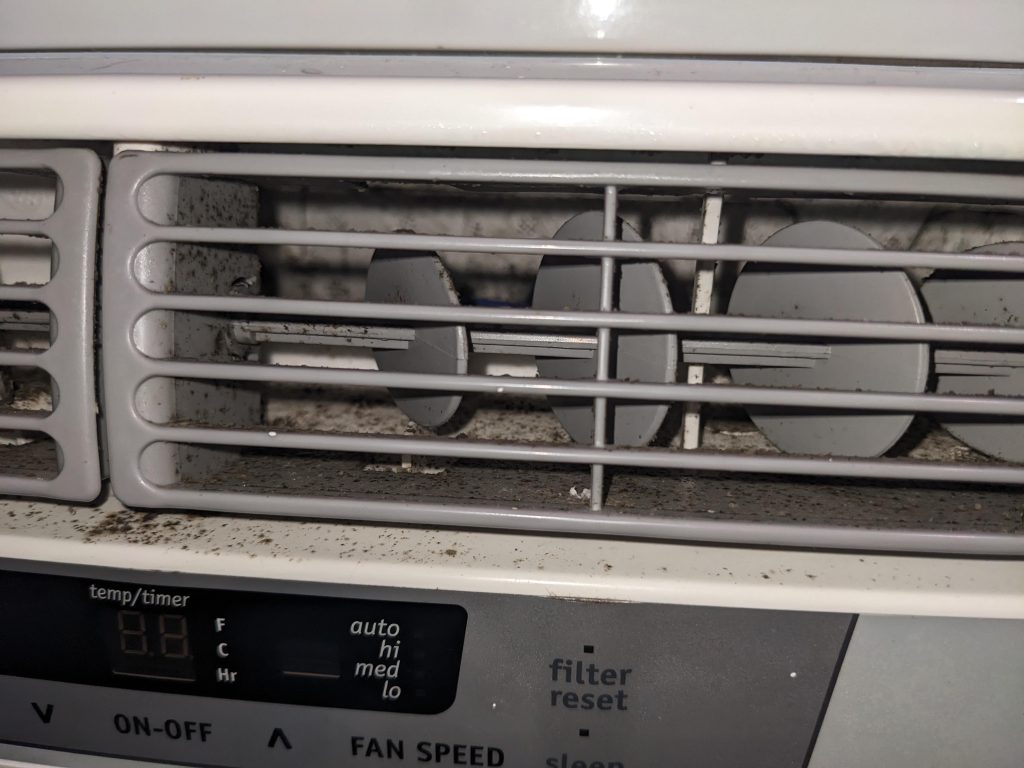
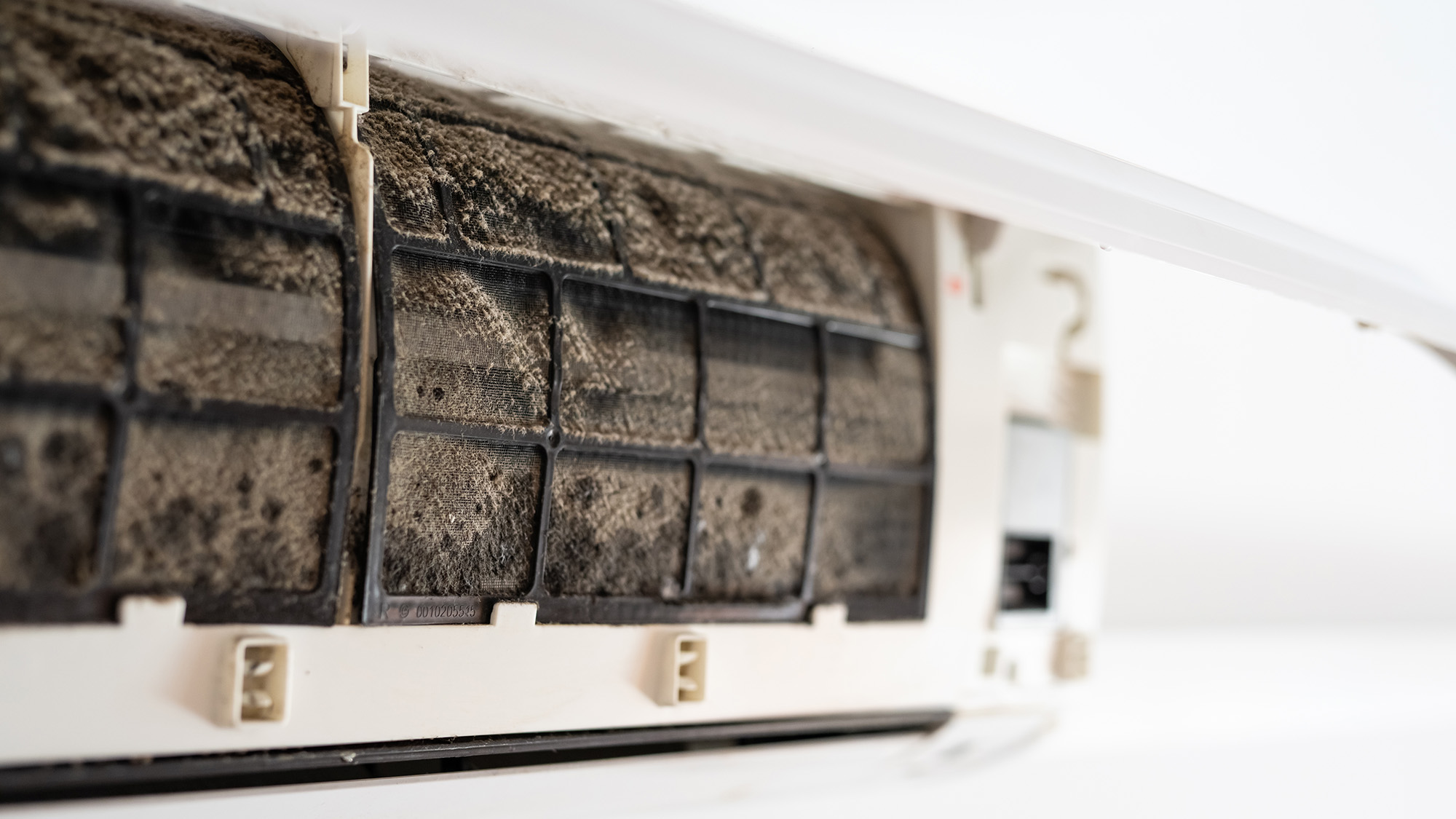
Mold in air conditionersoften shows up as a musty smell. You might notice black, green, or white spotson vents or filters. Sometimes, the AC might blow air that feels damp or dirty. Water buildup inside the unit is another sign of mold growth. Poor air flow or strange noises can also mean a problem.
Mold exposurecan cause allergies, sneezing, coughing, and itchy eyes. Some people feel headaches or breathing trouble. Kids and those with asthma or weak immune systems are more at risk. Mold can make a room unhealthy to breathe in. It is important to act fast if these signs appear.
Safety Measures Before Cleaning
Wearing protective gearis key to stay safe while cleaning mold. Use gloves to keep your hands clean and safe. A mask protects your lungs from tiny mold spores in the air. Safety glasses stop mold particles from getting into your eyes.
Before starting, always turn offand unplugthe air conditioner. This prevents any chance of electric shock. It also stops the unit from turning on during cleaning, which could spread mold spores further.
Tools And Materials Needed
Cleaning solutionsinclude a mix of water and mild detergent. A small amount of white vinegar can help kill mold. Avoid harsh chemicals that may damage the air conditioner.
Brushes and clothsare needed to scrub and wipe moldy spots. Use a soft brush to avoid damaging delicate parts. Microfiber cloths work well for wiping surfaces clean.
A vacuumwith a brush attachment helps remove loose mold and dust. Spray bottles make it easy to apply cleaning solutions evenly. Choose spray bottles that give a fine mist for better coverage.
Credit: www.tomsguide.com
Step-by-step Mold Removal Process
First, turn off the air conditioner and unplug it. Open the front panel carefully to access the internal parts. Remove the filters gently to avoid spreading mold spores.
Filters trap dust and dirt. Clean them with warm, soapy water. Let them dry completely before putting them back.
Use a soft brush or cloth to scrub mold off surfaces. Focus on the coils and inside walls. Avoid harsh scrubbing to prevent damage.
| Disinfectant | Usage |
|---|---|
| White Vinegar | Spray and let sit 1 hour, then wipe clean |
| Hydrogen Peroxide | Apply and wait 10 minutes, then dry |
| Baking Soda Solution | Mix with water, spray, scrub lightly, and rinse |
After cleaning, dry all parts well. Use a cloth or let air dry. This stops mold from coming back.
Preventing Mold Growth
Keeping your air conditioner clean helps stop mold growth. Regularly check and replace air filters. Dirty filters trap moisture and dust, which help mold grow. Clean the coils and drain pans to remove water buildup. Ensure the drain line is clear so water flows out properly.
Control moisture by using a dehumidifierif your home is very humid. Keep windows closed during rainy days. Use fans to improve air circulation. Fix leaks or water damage around the air conditioner quickly. These steps reduce the chance of mold forming inside the unit.

Credit: www.reddit.com
When To Call A Professional
Severe mold infestationin an air conditioner can cause health problems. Signs include musty odors, visible black or green spots, and allergic reactionslike sneezing or coughing. Mold may spread beyond the unit to walls or ducts. If cleaning does not remove the mold, it is time to seek help.
Choosing the right service is important. Look for licensed and insured professionalswho specialize in HVAC mold removal. They should use safe cleaning methodsand provide a clear plan. Ask about their experience, reviews, and guarantees. This ensures the problem is fixed properly and stays gone.

Credit: www.reddit.com
Frequently Asked Questions
How Do I Remove Mold From My Air Conditioner?
To remove mold, first turn off the unit. Use a mixture of water and mild detergent to clean moldy areas. Wipe with a cloth and let dry completely. Regular cleaning prevents mold buildup and maintains air quality.
What Causes Mold Growth In Air Conditioners?
Mold grows due to moisture buildup inside the AC unit. Poor ventilation, clogged filters, and leaks increase humidity. Warm temperatures combined with moisture create the perfect environment for mold.
Can Mold In Air Conditioners Affect Health?
Yes, mold spores can cause allergies, respiratory issues, and asthma attacks. Prolonged exposure may worsen symptoms in sensitive individuals. Regular cleaning reduces health risks associated with mold.
How Often Should I Clean My Air Conditioner To Prevent Mold?
Clean your AC filters and coils every 1-3 months. Regular maintenance keeps moisture levels low and prevents mold growth. Seasonal deep cleaning is also recommended for optimal performance.
Conclusion
Removing mold from your air conditioner keeps your home fresh and healthy. Regular cleaning stops mold from growing back quickly. Use safe cleaners and follow steps carefully for best results. Check your AC often to catch mold early. Clean filters and vents to keep air clear.
A clean air conditioner works better and lasts longer. Take action soon to protect your family’s health. Mold-free air feels better every day. Simple care makes a big difference.