Are you tired of your garden hose trickling out water like a weak stream? You want your plants to get enough water, your car to rinse quickly, and your outdoor cleaning done without waiting forever.
The good news is, you don’t have to accept low water pressure as a fact of life. There are simple, effective ways you can boost the flow and make your hose work harder for you. Keep reading to discover easy tips that will help you get more water pressure from your garden hose, so you can enjoy faster, stronger water whenever you need it.

Credit: www.erynwhalenonline.com
Check Hose And Faucet Connections
Low water pressure from your garden hose can be caused by issues in the hose or faucet connections. Checking these areas is a simple way to improve water flow.
Make sure the hose and faucet are connected properly and in good condition. Fixing small problems here can boost your water pressure quickly.
Inspect For Leaks And Cracks
Leaks or cracks in your hose or faucet reduce water pressure. Water escapes through these openings, lowering the flow at the nozzle.
Look closely at the hose along its entire length. Check the faucet and connectors for any signs of damage or dripping water.
- Find wet spots or puddles near connections
- Look for cracks, splits, or holes in the hose
- Check faucet threads and spout for damage
- Replace or repair any damaged parts
Tighten Loose Fittings
Loose hose or faucet fittings can cause water to leak and lower pressure. Tightening these connections helps water flow better.
Use your hand or a wrench to make sure all fittings are snug but not over-tightened. Over-tightening can cause damage.
- Turn off the water before tightening
- Check hose end and faucet threads
- Hand-tighten first, then use a wrench if needed
- Test water flow after tightening
Choose The Right Hose
Getting good water pressure from your garden hose starts with picking the right hose. The hose size and length affect how much water flows through it.
A hose that fits your needs helps water flow faster and stronger. This guide explains how to select the best hose for better pressure.
Select Appropriate Diameter
The hose diameter is the inside width of the hose. A larger diameter lets more water flow at once. This helps increase pressure at the nozzle.
Most garden hoses come in 1/2 inch, 5/8 inch, and 3/4 inch sizes. The 5/8 inch hose is the most common and works well for many uses.
- 1/2 inch hose: less water flow, lower pressure
- 5/8 inch hose: good flow and pressure for general use
- 3/4 inch hose: best for high water pressure and long distances
Consider Hose Length
Longer hoses reduce water pressure because water loses speed over distance. A shorter hose keeps the pressure higher at the end.
If you need a long hose, choose a larger diameter to help keep pressure steady. Avoid extra-long hoses if you want strong water flow.
- Short hoses keep water pressure strong
- Long hoses reduce pressure more
- Use wider hoses for longer lengths
Clear Blockages
Improving water pressure in your garden hose can be simple. One effective method is to clear any blockages that might be causing low pressure.
Blockages can occur due to debris or twists in the hose. Clearing these can help improve water flow significantly.
Flush Out Debris
Debris inside the hose can restrict water flow. Flushing out debris is a straightforward process that can boost your hose’s performance.
- Disconnect the hose from the faucet.
- Stretch it out fully on a flat surface.
- Use a nozzle to spray water through the hose.
- Ensure all debris is washed out.
Remove Kinks And Twists
Kinks and twists in the hose can greatly reduce water pressure. Straightening the hose can help improve flow.
| Problem | Solution |
| Kinks | Straighten hose regularly |
| Twists | Use a swivel hose connector |
Use A Pressure Booster
Low water pressure can make garden work harder and slower. A pressure booster helps increase water flow in your hose.
This tool pushes water through the hose with more force. It makes watering plants or cleaning easier.
Types Of Boosters
Pressure boosters come in different styles. Choose one that fits your water needs and budget.
- Inline Boosters:Attach directly to your hose. They are compact and easy to use.
- Pump Boosters:Use a small pump to increase pressure. Good for long hoses or low water supply.
- Automatic Boosters:Turn on when water flows. They save energy and work only when needed.
Installation Tips
Installing a pressure booster is simple with the right steps. Follow these tips to avoid leaks or damage.
| Tip | Details |
| Check Hose Size | Match the booster inlet to your hose diameter for a tight fit. |
| Use Teflon Tape | Wrap threads with tape to prevent leaks at connections. |
| Secure Fittings | Tighten all nuts and clamps firmly but avoid overtightening. |
| Test Pressure | Turn on water slowly and check for steady pressure and leaks. |
| Place on Flat Surface | Keep pump boosters level to avoid damage and noise. |
Optimize Water Source
Good water pressure makes watering easier and faster. To improve pressure, start with your water source.
Check your home’s water supply and make sure it works well. Fixing small issues here helps your garden hose work better.
Check Main Water Valve
Look at the main water valve where water enters your house. Make sure it is fully open.
A partly closed valve lowers water pressure. Turn the valve counterclockwise to open it all the way.
- Find the main valve near the water meter or where the pipe enters your home.
- Turn the valve slowly to avoid damage.
- Check if water flow improves after opening the valve fully.
Avoid Peak Usage Times
Water pressure drops when many people use water at once. Try to water your garden during off-peak hours.
Early mornings or late evenings usually have less water use. This helps keep good pressure at your hose.
- Avoid watering during morning rush hour.
- Skip watering in early evening when people cook or clean.
- Choose times when water demand is low for better pressure.
Credit: qiyitools.com
Upgrade Sprinkler Or Nozzle
Low water pressure in your garden hose can reduce watering efficiency. Upgrading your sprinkler or nozzle helps improve water flow and spray strength.
Using the right equipment can make your garden watering faster and more effective.
Select High-pressure Nozzles
High-pressure nozzles focus water into a strong stream. This increases pressure at the hose end and reaches farther areas in your garden.
- Look for nozzles labeled as “high-pressure” or “turbo.”
- Choose nozzles made from durable materials like metal.
- Pick models with adjustable spray patterns to fit different tasks.
- Ensure the nozzle fits tightly on your hose to avoid leaks.
Adjust Spray Settings
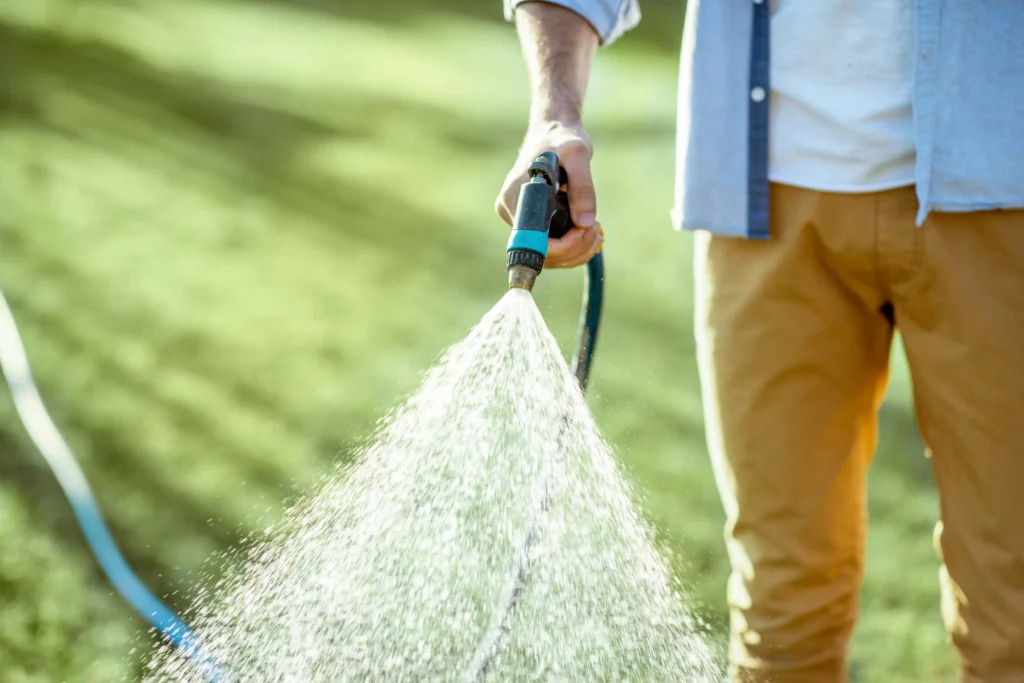
Changing the spray settings on your nozzle can control water pressure and coverage area. Different settings suit different watering needs.
| Spray Setting | Water Pressure | Best Use |
|---|---|---|
| Jet | High | Cleaning and reaching far plants |
| Shower | Medium | Watering delicate flowers and seedlings |
| Mist | Low | Humidity and gentle watering |
| Flat | Medium-High | Wide coverage for lawns |
Maintain Hose Regularly
Keeping your garden hose in good shape helps keep water pressure strong. Regular maintenance stops leaks and blockages.
Check and care for your hose often. This ensures water flows smoothly and saves water too.
Store Properly
Store your hose in a cool, dry place to keep it safe. Avoid leaving it in direct sunlight for long times.
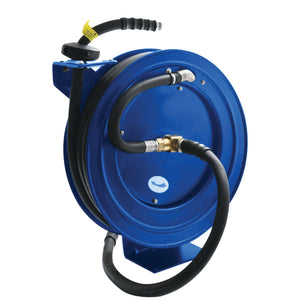
Coil the hose loosely to stop kinks and cracks. Use a hose reel or hanger for neat storage.
- Keep hose off sharp objects
- Do not leave hose twisted or bent
- Drain water before storing
- Store hose indoors during winter
Inspect For Wear And Tear
Look over your hose for cracks, holes, or weak spots. These reduce water pressure and cause leaks.
Replace damaged sections or the whole hose if needed. Check fittings and connectors for tightness and rust.
- Check hose for soft or thin areas
- Look for leaks at joints and connectors
- Replace washers if water leaks from ends
- Fix holes with hose repair kits

Credit: www.angi.com
Frequently Asked Questions
How Can I Increase Water Pressure In My Garden Hose?
To increase water pressure, use a shorter hose and check for kinks or leaks. Clean the faucet screen and ensure the hose diameter is adequate. Installing a pressure booster or using a high-pressure nozzle also helps improve flow.
Why Is My Garden Hose Water Pressure Low?
Low water pressure may be due to clogged hose or faucet screens, leaks, or narrow hose diameter. Water supply issues or partially closed valves can also reduce pressure. Inspect and clean components to restore optimal flow.
Does Hose Length Affect Water Pressure?
Yes, longer hoses cause more pressure loss due to friction inside the hose. Using a shorter hose or one with a larger diameter can maintain higher water pressure at the nozzle.
Can Nozzle Type Impact Garden Hose Pressure?
Absolutely. High-pressure nozzles concentrate water flow, increasing perceived pressure. Adjustable nozzles allow control over spray patterns, optimizing water pressure for different tasks like watering or cleaning.
Conclusion
Getting better water pressure from your garden hose is simple. Check for kinks and remove any blockages. Use shorter hoses or wider diameter hoses for stronger flow. Clean or replace old, worn-out hoses and nozzles. Make sure your outdoor faucet is fully open.
Small changes can make a big difference. Enjoy watering your garden with steady, strong water pressure every time. Keep these tips in mind to improve your hose’s performance easily.