Are you tired of that old air conditioner taking up space or driving up your energy bills? Getting rid of your air conditioner doesn’t have to be confusing or stressful.
Whether it’s broken, outdated, or you simply want a cooler way to refresh your home, this guide will show you exactly how to say goodbye to your AC unit safely and efficiently. Keep reading, and you’ll discover simple steps that save you time, money, and a headache.
Your comfort and peace of mind start here.
Preparing To Remove Your Air Conditioner
Removing an air conditioner takes careful planning. You need to prepare well before starting the work.
This guide helps you get ready by focusing on safety, tools, and rules.
Safety Precautions
Safety is the top priority when removing an air conditioner. Make sure the unit is unplugged from power.
Wear gloves and eye protection to avoid injuries from sharp parts or debris.
- Turn off the power supply before starting
- Use gloves to protect your hands
- Wear safety glasses for eye protection
- Work with a partner if the unit is heavy
- Use a sturdy ladder if needed
Gathering Necessary Tools
Having the right tools makes removal easier and safer. Check that you have everything before you begin.
- Screwdrivers (flathead and Phillips)
- Adjustable wrench or pliers
- Utility knife to cut seal or insulation
- Putty knife or scraper
- Drop cloth to protect the floor
- Bucket for draining water, if needed
Keep tools organized and close by during the removal process.
Checking Local Regulations
Some areas have rules about removing or disposing of air conditioners. Check these rules first.
You may need a permit or must use special disposal methods for refrigerants.
- Contact your local waste management office
- Ask if permits are needed for removal
- Learn about recycling or disposal rules
- Follow guidelines for handling refrigerants

Credit: www.youtube.com
Disconnecting The Air Conditioner
Disconnecting an air conditioner safely is important. It helps prevent accidents and damage.
Follow clear steps to turn off power, unplug, and detach electrical parts.
Turning Off The Power
Before working on your air conditioner, turn off its power supply. This stops electricity from flowing.
- Locate the circuit breaker for the air conditioner.
- Switch the breaker to the OFF position.
- Check the unit to confirm it is not running.
Unplugging The Unit
After turning off the power, unplug the air conditioner from the wall socket. This removes any chance of electric shock.
Handle the plug carefully and pull it straight out. Avoid pulling the cord itself.
Detaching Electrical Connections
Some air conditioners have wired electrical connections. You need to detach these carefully.
| Tool Needed | Use |
| Screwdriver | Remove screws holding wires |
| Wire cutter | Cut wires if needed |
| Electrical tape | Cover exposed wire ends |
Always cover wire ends after detaching. This keeps wires safe and prevents short circuits.
Removing Window Air Conditioners
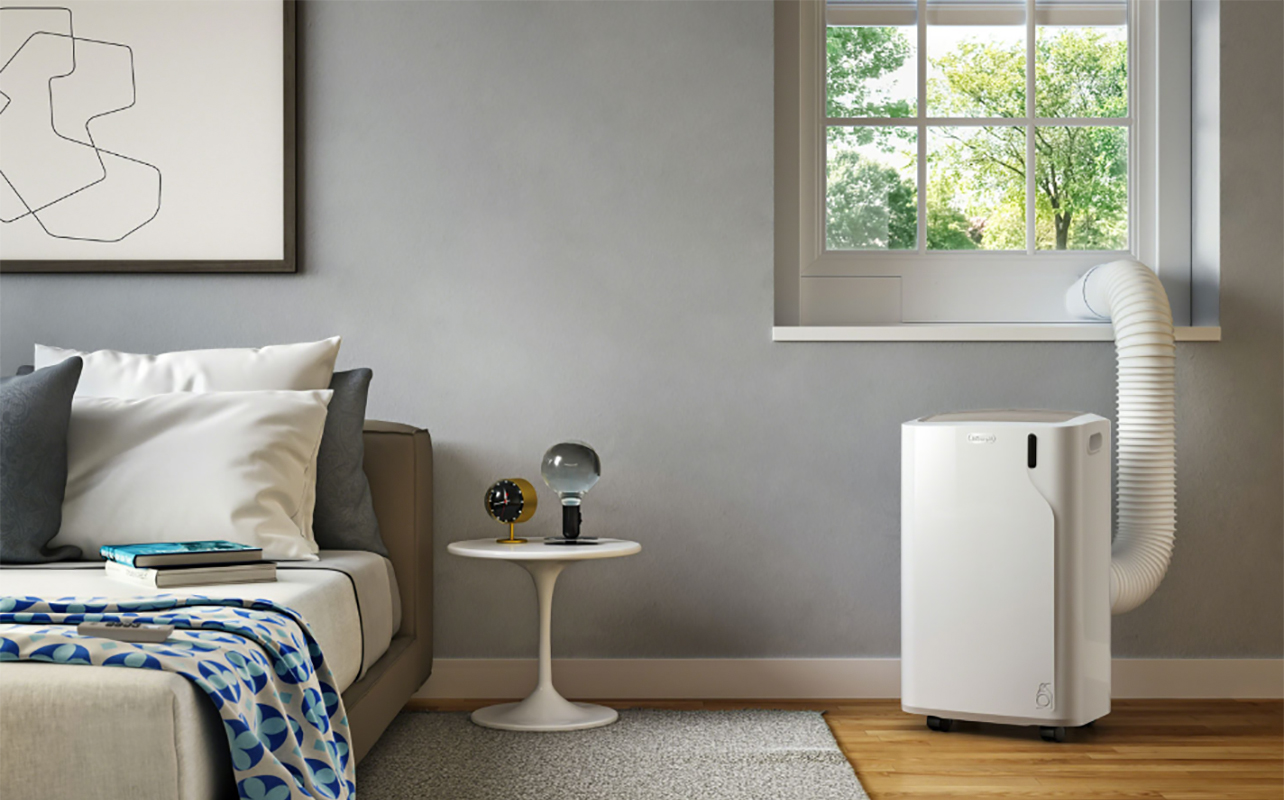
Removing a window air conditioner safely is important to avoid damage and injury. You need to prepare the area and gather some tools before starting.
This guide will help you remove your unit step-by-step. Focus on detaching brackets, lifting the unit, and sealing the window after removal.
Detaching Support Brackets
Support brackets hold the air conditioner in place. Removing them carefully will make lifting easier and safer.
- Locate all screws or bolts securing the brackets.
- Use a screwdriver or wrench to remove these fasteners.
- Ask someone to hold the unit steady as you work.
- Keep all hardware in a safe place for future use.
Lifting The Unit Out Safely
Lift the air conditioner out slowly to avoid damage. Make sure you have help if the unit is heavy.
| Action | Tip |
| Hold the unit firmly | Grip from both sides |
| Lift straight up | Avoid twisting |
| Move the unit away | Clear the window space |
| Place on a flat surface | Use a protective cloth |
Sealing The Window After Removal
After removing the air conditioner, seal the window to keep out air and bugs.
Here is a checklist for sealing your window:
- Clean the window sill and frame.
- Install a window insulation kit or weatherstripping.
- Use plastic film or a storm window if needed.
- Check for gaps and seal with caulk or foam.
Credit: blog.bestbuy.ca
Removing Central Air Conditioning Units
Removing a central air conditioning unit needs care and safety. This guide covers key steps to take it apart safely.
Focus on disconnecting the outdoor unit, handling refrigerant properly, and removing indoor parts.
Disconnecting The Outdoor Unit
Turn off the power to the outdoor unit at the breaker box. This stops electricity flow and keeps you safe.
Next, disconnect the electrical wiring and the refrigerant lines carefully. Use proper tools for this task.
- Switch off main power breaker
- Remove electrical disconnect box cover
- Unscrew and disconnect wires
- Use a wrench to loosen refrigerant lines
- Lift the outdoor unit off its base
Handling Refrigerant Safely
Refrigerants can harm the environment and your health. Only certified professionals should remove them.
| Safety Tip | Reason |
| Wear protective gloves and goggles | Prevent skin and eye contact |
| Use proper recovery equipment | Capture refrigerant safely |
| Never release refrigerant into air | Protect the environment |
| Call a licensed technician | Ensure safe removal |
Removing Indoor Components
Indoor parts include the air handler and ductwork. Turn off power and disconnect these carefully.
- Turn off the indoor unit power switch
- Remove access panels
- Disconnect wiring and control cables
- Detach duct connections
- Lift air handler out carefully
Disposing Of Old Air Conditioners
Getting rid of an old air conditioner safely is important. You should follow the right steps to protect the environment. This guide covers how to dispose of your old unit.
Proper disposal helps keep harmful chemicals out of the air and water. It also allows useful parts to be reused or recycled.
Recycling Options
Many parts of air conditioners can be recycled. Recycling reduces waste and recovers valuable materials like metal and plastic.
- Contact your local recycling center to ask if they accept air conditioners.
- Remove any hazardous materials, such as refrigerants, before recycling.
- Some stores offer take-back programs for old units when you buy a new one.
Donation And Resale
If your air conditioner still works, consider donating or selling it. This helps others and reduces waste.
| Option | Where to Donate or Sell |
| Donation | Charity shops, community centers |
| Resale | Online marketplaces, garage sales |
Hiring Professional Disposal Services
Professionals know how to handle old air conditioners safely. They remove harmful chemicals and recycle parts properly.
- Look for licensed disposal services in your area.
- Ask if they follow environmental rules and regulations.
- Schedule a pickup or drop off your unit at their facility.
Replacing Or Upgrading Your Cooling System
Getting rid of an old air conditioner means you can choose a better cooling system. Upgrading helps reduce energy use and keeps your home comfortable.
Choosing the right system and installing it properly will save money and avoid problems later. Maintenance keeps your new system working well for years.
Choosing Energy-efficient Alternatives
Look for cooling systems with high energy efficiency ratings. These models use less power and lower your bills. Consider options like heat pumps or ductless mini-splits.
- Check the SEER (Seasonal Energy Efficiency Ratio) rating.
- Choose ENERGY STAR certified products.
- Consider systems with programmable thermostats.
- Look for models with variable speed fans.
Installation Tips
Proper installation is key to system performance. Poor setup can cause leaks or reduce efficiency. Hire a certified technician for the best results.
| Tip | Reason |
| Place unit in shaded area | Improves cooling efficiency |
| Seal ductwork properly | Prevents air leaks |
| Set correct refrigerant levels | Ensures optimal performance |
| Check electrical connections | Increases safety and reliability |
Maintenance For New Systems
Regular maintenance keeps your system running smoothly. It lowers repair costs and extends equipment life.
- Change or clean filters every 1 to 3 months.
- Clean condenser coils yearly.
- Check thermostat settings regularly.
- Schedule professional inspections annually.

Credit: ehowtoget.com
Frequently Asked Questions
How Do I Safely Dispose Of An Old Air Conditioner?
Contact your local waste management for guidelines on AC disposal. Many areas have special recycling programs. Avoid throwing it in regular trash to prevent environmental harm.
Can I Donate A Working Air Conditioner?
Yes, many charities and organizations accept working AC units. Ensure the unit is clean and functional before donating. This helps others while reducing waste.
What Are Eco-friendly Ways To Get Rid Of An Ac?
Recycle the unit through certified e-waste recyclers. Consider selling or donating if it still works. Proper disposal prevents harmful chemicals from polluting the environment.
Should I Hire A Professional For Air Conditioner Removal?
Hiring a professional ensures safe and compliant removal. They handle refrigerants and heavy parts properly. This prevents damage and legal issues related to improper disposal.
Conclusion
Getting rid of an air conditioner can be simple and safe. Start by turning it off and unplugging the unit. Remove it carefully, keeping tools close. Dispose of old parts properly, following local rules. Consider donating if the unit still works.
Cleaning the area after removal helps avoid dust and debris. Taking these steps saves time and effort. Choose the best option for your space and needs. Your home will feel fresh and ready for a new setup.